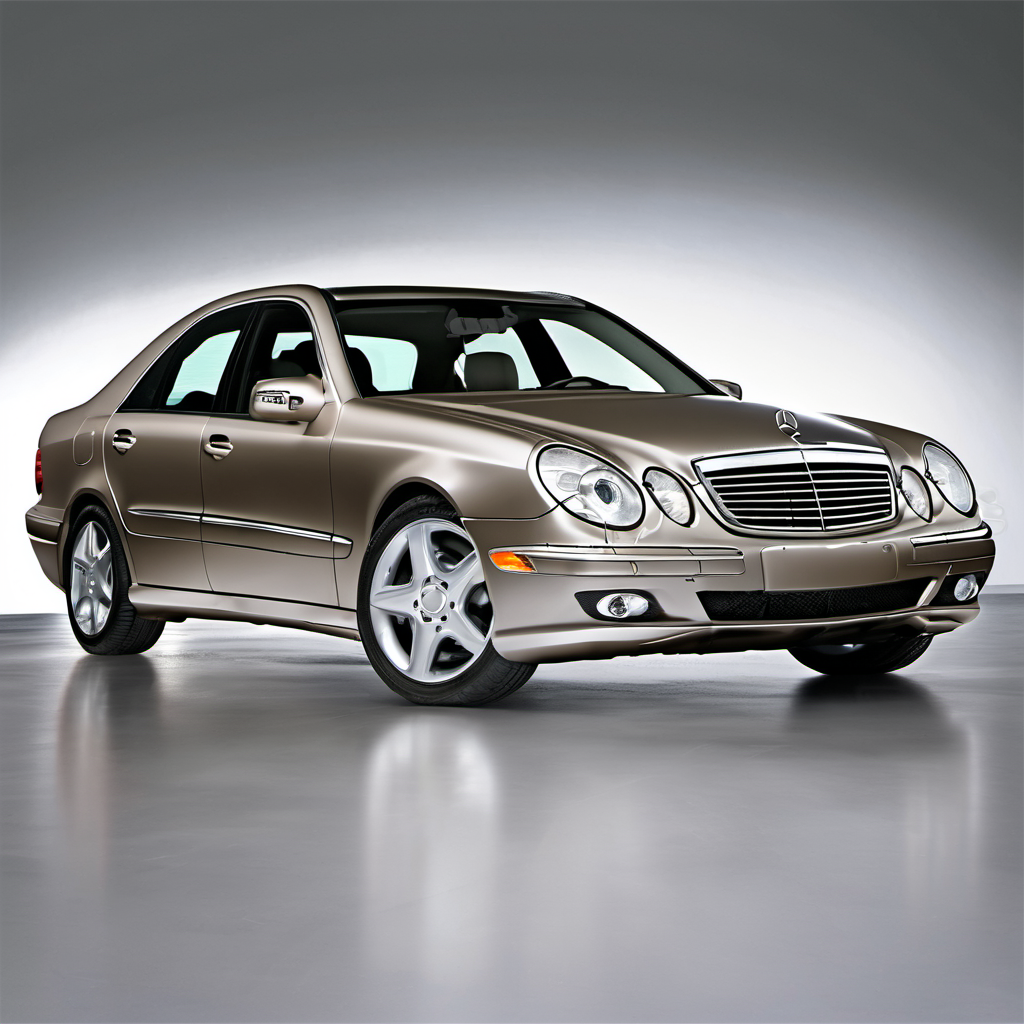
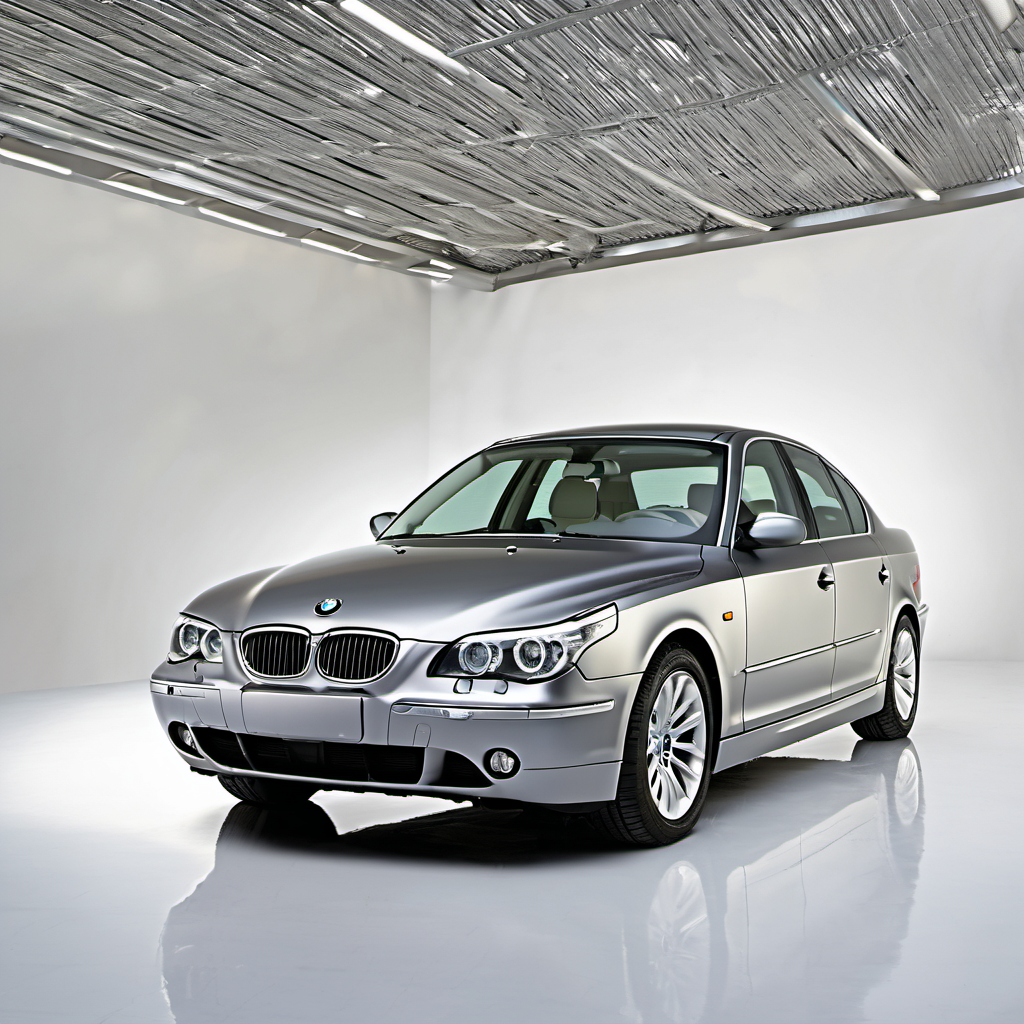
2005 Mercedes-Benz E-Class Sedan

2005 Mercedes-Benz

E-ClassSedan

Sedan

The 2005 Mercedes-Benz E-Class (W211 generation) is a full-size luxury sedan that represented the pinnacle of Mercedes engineering at the time — refined, comfortable, and genuinely capable on a long highway run. The E320 with its 3.2L inline-six is the sweet spot of the lineup: smoother than the four-cylinder, easier on the wallet than the V8, and powerful enough that you'll rarely want for more. This is a car that rewards careful, attentive ownership. Neglect it and it will find expensive ways to remind you. At 20 years old, surviving W211s are living in a world where their original $50,000+ price tags are a distant memory, but the maintenance costs are not. Parts and labor for these cars run significantly higher than domestic or Japanese competitors. The flip side: a well-sorted W211 still drives with a composure and presence that few cars of any era match. If you're buying one used, the car's service history matters more than its mileage. A 120,000-mile example with documented oil changes and suspension work is a far better buy than an 80,000-mile car with mystery ownership. Budget for surprises in the first year of ownership regardless.

Reliability
2/5
Verified data
Specs shown for E320 — the most common configuration. Other trims may vary in engine, drivetrain, or fuel economy. Sign in to see your vehicle's exact specs.
Engine
[object Object]
Drivetrain
RWD
Fuel
Premium gasoline
MPG
18 city / 26 hwy / 20 combined
Seats
Doors
Body
Midsize Cars

Overview

AI-curated

The 2005 Mercedes-Benz E-Class (W211 generation) is a full-size luxury sedan that represented the pinnacle of Mercedes engineering at the time — refined, comfortable, and genuinely capable on a long highway run. The E320 with its 3.2L inline-six is the sweet spot of the lineup: smoother than the four-cylinder, easier on the wallet than the V8, and powerful enough that you'll rarely want for more. This is a car that rewards careful, attentive ownership. Neglect it and it will find expensive ways to remind you. At 20 years old, surviving W211s are living in a world where their original $50,000+ price tags are a distant memory, but the maintenance costs are not. Parts and labor for these cars run significantly higher than domestic or Japanese competitors. The flip side: a well-sorted W211 still drives with a composure and presence that few cars of any era match. If you're buying one used, the car's service history matters more than its mileage. A 120,000-mile example with documented oil changes and suspension work is a far better buy than an 80,000-mile car with mystery ownership. Budget for surprises in the first year of ownership regardless.

Known for
  • Exceptionally smooth inline-six engine with strong low-end torque
  • Supple, well-tuned suspension and confident highway composure
  • Premium interior with long-term comfort on extended drives
  • Advanced safety tech for its era (Pre-Safe, stability control)
  • Complex electronics and air suspension that age expensively
Best for
  • Highway commuters and road-trip drivers who prioritize ride quality
  • Buyers who can perform or closely manage their own maintenance
  • Enthusiasts who want European luxury at a steep used-market discount
  • Drivers comfortable budgeting $1,500–$3,000/year in upkeep
Watch for
  • Air suspension (Airmatic) failures — coils or compressor can fail suddenly
  • Rust on rear subframe, floor pans, and around wheel arches on Midwest/salt-belt cars
  • Balance shaft and oil pump wear on the M112 V6 engine family at higher mileage
  • Expensive electrical gremlins: SBC brake system, instrument cluster, and CAN bus faults
  • Deferred maintenance history — always pull a full service record before buying

Common issues by mileage

6 known

Airmatic Air Suspension Failure (struts or compressor)

high
Typically appears
80–150k mi
Estimated repair
$800 – $2,800

SBC (Sensotronic Brake Control) Module Failure

medium
Typically appears
60–120k mi
Estimated repair
$1,200 – $3,500

Balance Shaft / Oil Pump Gear Wear

medium
Typically appears
100–160k mi
Estimated repair
$1,500 – $4,000

Oxygen Sensor / Heater Circuit Failure

medium
Typically appears
70–130k mi
Estimated repair
$250 – $700

Maintenance schedule

  1. 1
    Every 7,500–10,000 miles (do not rely on OLM alone on a 20-year-old car) Engine oil change with MB-approved synthetic (MB 229.3 or 229.5 spec)

    The M112 inline-six depends on clean oil for balance shaft and VVT actuator health. Extended intervals on old oil accelerate timing component wear and can trigger P0012/P0015 codes.

  2. 2
    Every 40,000 miles on used example regardless of 'lifetime fluid' designation Transmission fluid change (7G-Tronic)

    Mercedes called this fluid lifetime; real-world experience shows valve body wear and harsh shifting when fluid is never changed. Fresh fluid at 40k intervals is cheap insurance on a $3,000+ transmission repair.

  3. 3
    Every 30,000 miles or at first sign of uneven ride height Air suspension compressor and strut inspection

    Airmatic components are expensive. Catching a slow strut leak early prevents the compressor from burning out trying to maintain pressure — turning a $400 strut job into a $1,200+ compressor-plus-strut job.

  4. 4
    Every 3 years or 45,000 miles Coolant system inspection and flush (thermostat, hoses, expansion tank)

    Plastic coolant expansion tanks and thermostat housings crack with age. A failed expansion tank on a Wisconsin winter morning can leave you stranded and cause overheating damage.

  5. 5
    Every 2 years Brake fluid flush

    Critical on the SBC electro-hydraulic brake system. Moisture-contaminated brake fluid can damage the SBC hydraulic unit — one of the most expensive repairs on this car.

  6. 6
    Every 60,000 miles Spark plug replacement (platinum or iridium)

    Worn plugs stress the ignition coils (already a known wear item on this engine) and hurt fuel economy noticeably on premium-fuel cars.

  7. 7
    Annually Inspect and lubricate door hinges, sunroof drains, and sunroof mechanism

    Clogged sunroof drains dump water into the cabin and can soak the SAM (Signal Acquisition Module) under the dash — an expensive electrical repair. Wisconsin winters make this worse.

  8. 8
    Every fall before winter season Battery load test and terminal cleaning

    The W211 has heavy electrical demands. A weak battery causes erratic module behavior, false fault codes (including U-codes), and hard starts in sub-zero Lake Geneva winters. Use a Group 94R AGM battery.

Always defer to the manufacturer's service manual for warranty-mandated intervals.

Cost of ownership

Annual maintenance
$1,500 – $3,500
Fuel
Requires premium (91+ octane). At current Midwest prices and ~15,000 miles/year, expect $2,400–$2,900 annually based on 20 MPG combined.
Insurance
Expect mid-to-high range for a luxury sedan of this age — typically $1,200–$1,800/year in Wisconsin depending on driving record, coverage, and garaging. Comp/collision on a 20-year-old car is worth evaluating against current market value.

The W211 E-Class is inexpensive to buy but not inexpensive to own. Routine maintenance alone runs $1,500–$2,000/year if you stay on top of it. Add one suspension, brake, or electrical repair and you're easily at $3,000–$5,000 in a single year. Budget accordingly, and keep a repair reserve. The car rewards disciplined ownership; it punishes neglect with repair bills that can exceed its current market value.
Seasonal care

Lake Geneva, WI
Winter
  • Test battery every fall — W211 electronics are sensitive to voltage drop and a weak battery generates false fault codes and hard starts below 10°F
  • Switch to a full synthetic rated for sub-zero temps; the 7G-Tronic needs clean, fluid oil to shift properly when cold
  • Inspect and treat undercarriage with rust inhibitor before first salt — rear subframe and floor pan rust are serious structural concerns on Midwest W211s
  • Use a quality winter washer fluid rated to at least -30°F; the cabin air intake sits low and can freeze standard fluid in the reservoir overnight
  • Check Airmatic suspension ride height after first hard freeze — cold temps accelerate air strut seal leaks; a sagging corner in winter is a safety issue
  • Keep fuel tank at least half full to prevent moisture accumulation in the fuel system and aid cold starts
Summer
  • Check tire pressure monthly — every 10°F rise in ambient temp adds approximately 1 PSI; overinflation wears center tread on summer tires
  • Inspect A/C refrigerant charge and cabin air filter before heat arrives; the automatic climate control works harder in humidity and a marginal system will underperform
  • Check coolant level and condition — plastic expansion tanks crack from heat cycling on aging examples; replace proactively if tank shows crazing or discoloration
  • Clear sunroof drain tubes before summer storms — clogged drains during heavy Wisconsin rains will flood the footwells and damage electronics
  • Inspect serpentine belt and tensioner before summer; heat soak accelerates belt cracking on a 20-year-old engine bay

Comparable vehicles

If you're shopping for one

Red flags
  • No service records or large gaps in maintenance history
  • Rear subframe or floor pan rust that has penetrated beyond surface oxidation
  • Any corner of the air suspension riding noticeably lower than the others
  • SBC brake warning light or spongy brake pedal feel
  • Multiple active fault codes across powertrain, body, and network systems simultaneously
  • Evidence of water intrusion in the footwells or under rear seat (sunroof drain failure)
  • Asking price that seems too low — W211s priced under market usually have a reason
What to inspect
  • Pull full service records — look specifically for oil change intervals, transmission service, and any suspension work
  • Check all four corners of ride height with engine running (Airmatic); any corner sitting low signals a leaking strut or failing compressor
  • Inspect the rear subframe mounting points and floor pan seams for rust — this is a structural issue, not cosmetic, and is a deal-breaker if severe
  • Test the SBC brake system: pump the brake pedal 5–6 times with ignition off, then start the car — you should feel the pedal firm up; mushy or inconsistent feel warrants further diagnosis
  • Scan for fault codes before purchase — U-codes (CAN bus) and B-codes (body module) alongside chassis C-codes can indicate expensive electrical issues
  • Check for oil leaks at the valve cover gaskets and rear main seal — common on this engine at higher mileage
  • Test all power features: sunroof, windows, seat adjustments, and climate control zones — actuators and motors are expensive to replace
AI profile generated 3 days ago · claude-sonnet-4-6 · v2.