VVT-i Oil Sludge Buildup
medium- Typically appears
- 60–150k mi
- Estimated repair
- $1,200 – $4,500
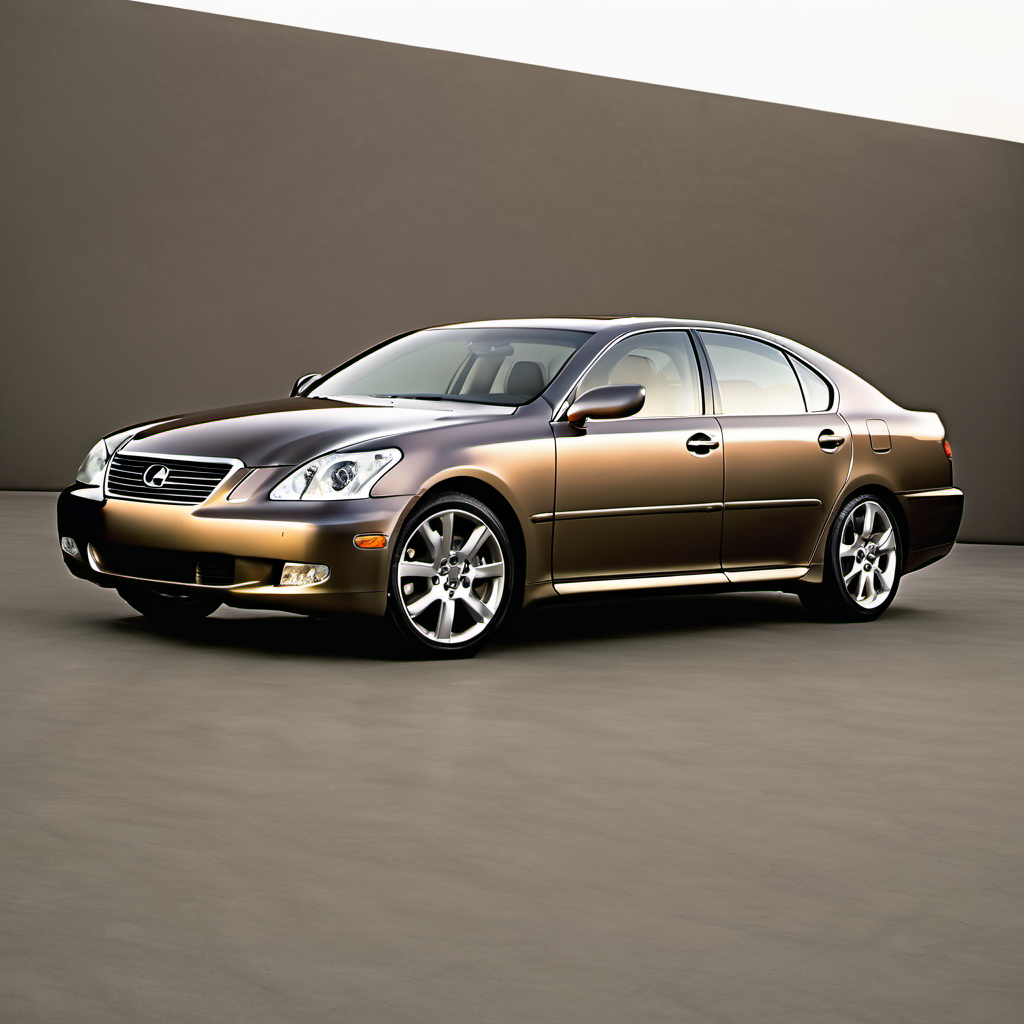
2005 Lexus
Sedan
The 2005 Lexus GS300 is the second-generation GS (S190 platform) in its first model year — a rear-wheel-drive sport sedan that blends Toyota's legendary build quality with genuine performance intent. Powered by a 3.0L inline-six paired to a smooth 6-speed automatic, it was positioned as a driver-focused alternative to the BMW 5 Series and Mercedes E-Class without the European reliability headaches. Interior quality is exceptional for the era, and the chassis is tight and well-sorted. At 20 years old, surviving GS300s are well past their initial depreciation cliff, which makes them tempting used buys — but they're at the age where deferred maintenance on complex systems like the VVT-i valvetrain and air suspension (on equipped trims) becomes expensive quickly. Parts availability is still good through Toyota/Lexus supply chains and aftermarket sources. For a Lake Geneva buyer, the RWD layout demands respect in winter. These cars reward drivers who put on a dedicated set of winter tires, but they'll punish anyone who doesn't.
The 2005 Lexus GS300 is the second-generation GS (S190 platform) in its first model year — a rear-wheel-drive sport sedan that blends Toyota's legendary build quality with genuine performance intent. Powered by a 3.0L inline-six paired to a smooth 6-speed automatic, it was positioned as a driver-focused alternative to the BMW 5 Series and Mercedes E-Class without the European reliability headaches. Interior quality is exceptional for the era, and the chassis is tight and well-sorted. At 20 years old, surviving GS300s are well past their initial depreciation cliff, which makes them tempting used buys — but they're at the age where deferred maintenance on complex systems like the VVT-i valvetrain and air suspension (on equipped trims) becomes expensive quickly. Parts availability is still good through Toyota/Lexus supply chains and aftermarket sources. For a Lake Geneva buyer, the RWD layout demands respect in winter. These cars reward drivers who put on a dedicated set of winter tires, but they'll punish anyone who doesn't.
Oil sludge is the single biggest killer of this engine. Frequent changes with quality synthetic are cheap insurance against a $4,000+ repair.
Lexus calls this fluid 'lifetime,' but real-world experience says change it every 45k. Fresh fluid extends transmission life significantly on a vehicle this age.
RWD means a working rear differential. Fluid breaks down and traps metal particles; a $60 fluid change protects a $1,500+ component.
On a 20-year-old vehicle, coolant chemistry is almost certainly degraded regardless of mileage. Old coolant becomes acidic and attacks aluminum components.
Factory iridium plugs last 60k. Worn plugs stress ignition coils and reduce fuel economy noticeably on the direct-injection 3GR-FSE.
Hose failure causes sudden fluid loss and immediate loss of power assist. Proactive replacement is far cheaper than roadside breakdown.
Wisconsin road grime and cottonwood season clog filters quickly. A dirty engine air filter hurts fuel economy and stresses MAF sensors.
Brake fluid is hygroscopic and absorbs moisture over time, lowering boiling point. Critical for a 20-year-old vehicle where moisture accumulation is near-certain.
Always defer to the manufacturer's service manual for warranty-mandated intervals.
A well-maintained GS300 is one of the more affordable ways to own a genuine luxury sport sedan. Routine maintenance costs are moderate, parts are available, and independent shops can service them without dealer-only equipment. The main financial risk is deferred maintenance — an engine sludge repair or brake actuator replacement can easily exceed the car's market value. Budget on the higher end of the maintenance range for the first year of ownership to catch up on anything the previous owner skipped.
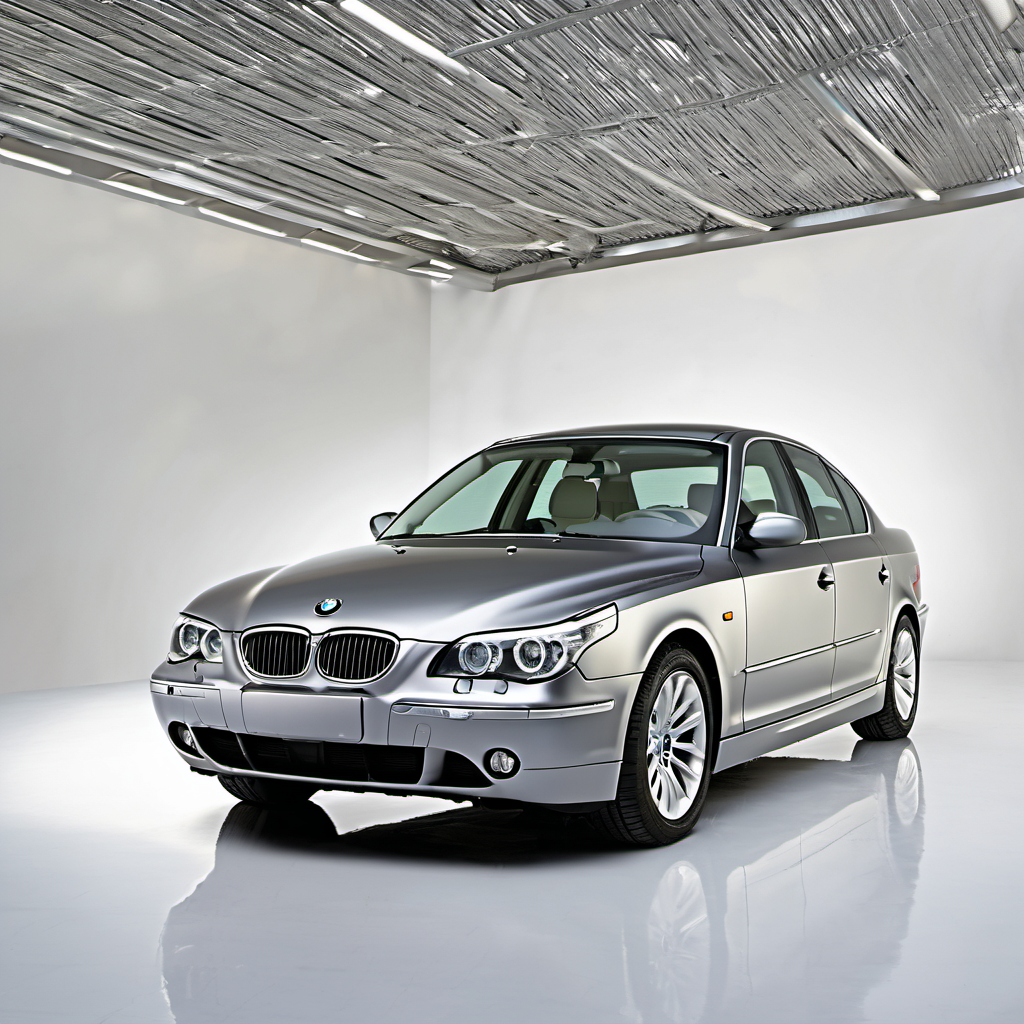
The E60 530i is the most direct European competitor — RWD sport sedan with a silky inline-six. Higher ownership costs and more complex electronics, but similar driving character.
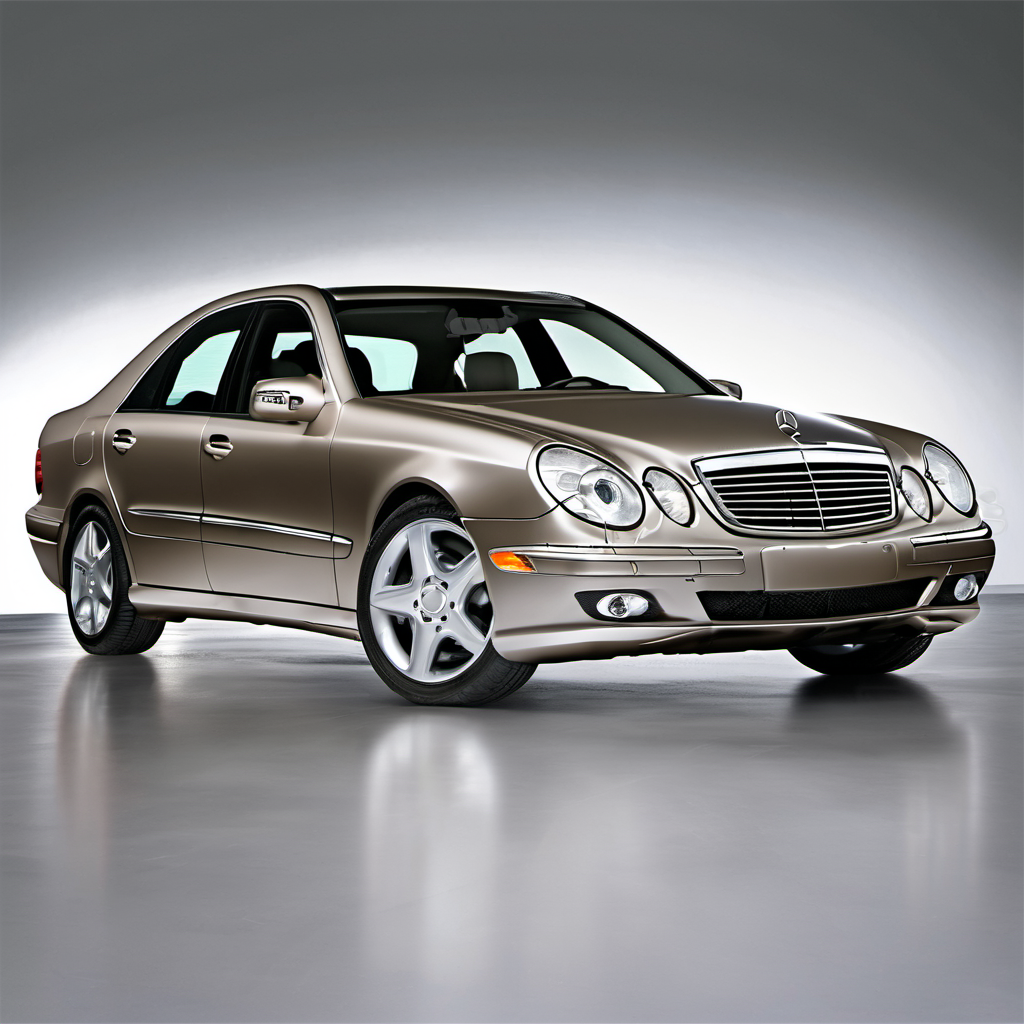
The W211 E350 offers similar luxury positioning and cabin quality. Less driver-focused than the GS, but more feature-rich. Higher repair costs at independent shops.
Infiniti's M35 is a near twin in mission — RWD luxury sport sedan with a strong V6 and Japanese reliability. Often slightly less expensive to maintain than the Lexus.
No catalog match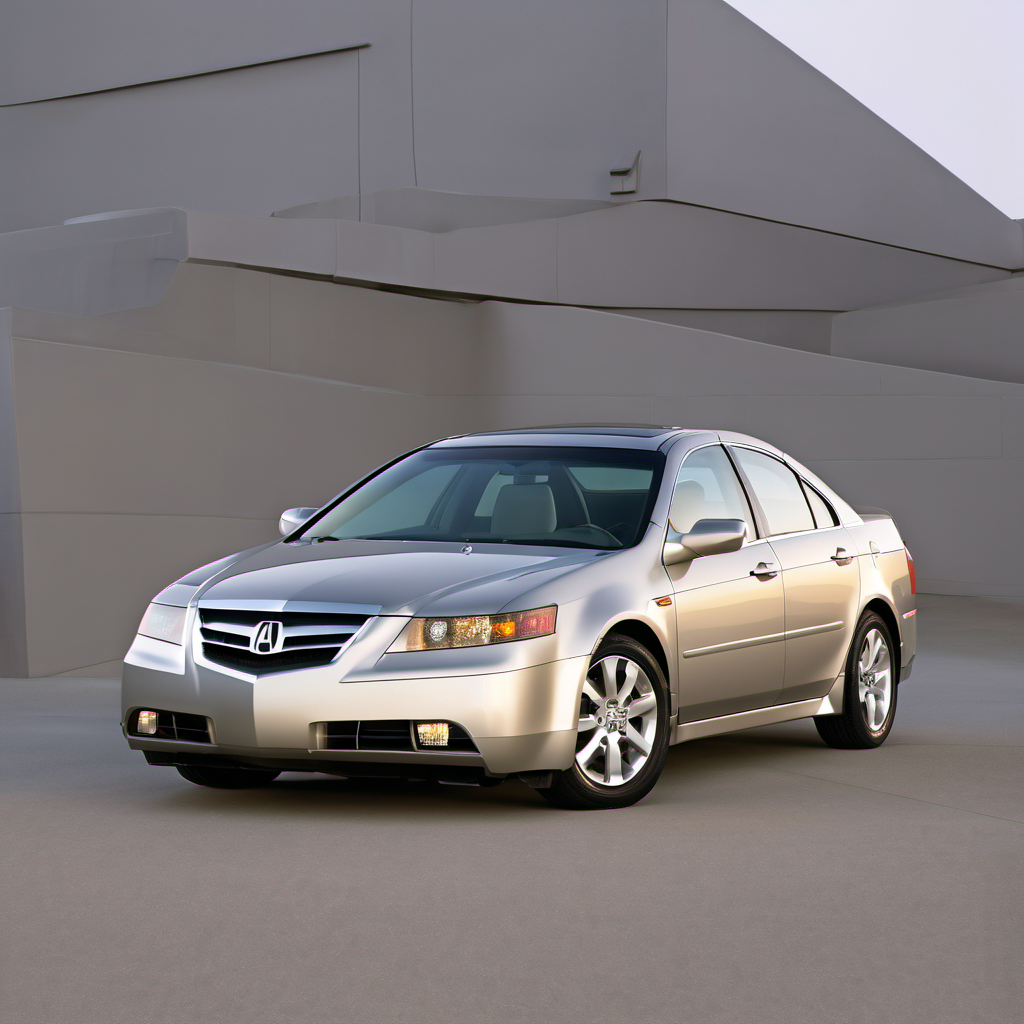
A step down in size and prestige but similar reliability pedigree and price point. FWD limits sport appeal but lowers winter tire pressure significantly.