VANOS Solenoid Failure / Camshaft Timing Fault
high- Typically appears
- 80–150k mi
- Estimated repair
- $300 – $900
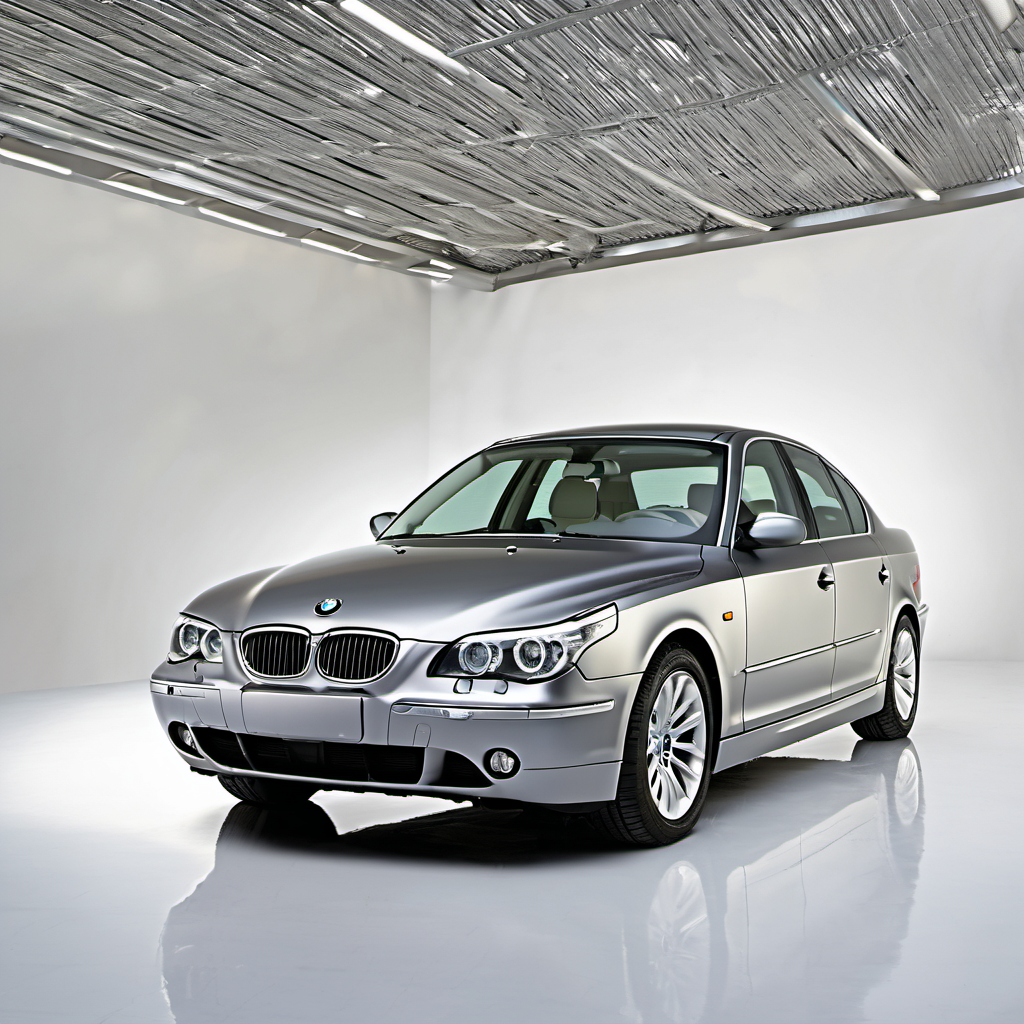
2005 BMW
Sedan
The 2005 BMW 5 Series (E60 generation) is a rear-wheel-drive executive sedan that earned a strong reputation for driving dynamics and a premium cabin — but also became known for above-average maintenance costs once mileage climbs. The E60 generation (2004–2010) brought bold Chris Bangle styling, iDrive infotainment, and BMW's Valvetronic variable valve lift system, all of which add complexity and repair expense as the car ages. The 525i variant with the 2.5L inline-six is the most approachable of the lineup — less stressed than the 530i or 545i and often the easiest to keep running on a real-world budget. That said, this is still a 20-year-old German sport sedan, and deferred maintenance on any E60 can snowball quickly into four-figure repair bills. Buyers and owners who stay on top of oil changes (at or before BMW's CBS intervals), address cooling system components proactively, and budget for the inevitable electronics gremlins typically find the 525i a rewarding and relatively trouble-free daily driver well into six-figure mileage.
The 2005 BMW 5 Series (E60 generation) is a rear-wheel-drive executive sedan that earned a strong reputation for driving dynamics and a premium cabin — but also became known for above-average maintenance costs once mileage climbs. The E60 generation (2004–2010) brought bold Chris Bangle styling, iDrive infotainment, and BMW's Valvetronic variable valve lift system, all of which add complexity and repair expense as the car ages. The 525i variant with the 2.5L inline-six is the most approachable of the lineup — less stressed than the 530i or 545i and often the easiest to keep running on a real-world budget. That said, this is still a 20-year-old German sport sedan, and deferred maintenance on any E60 can snowball quickly into four-figure repair bills. Buyers and owners who stay on top of oil changes (at or before BMW's CBS intervals), address cooling system components proactively, and budget for the inevitable electronics gremlins typically find the 525i a rewarding and relatively trouble-free daily driver well into six-figure mileage.
BMW's Condition Based Service allows very long oil intervals on new cars with fresh oil. On a used or high-mileage E60, shorter intervals prevent the sludge buildup that kills VANOS solenoids and Valvetronic components. Use the specified 5W-30 full-synthetic BMW LL-01 spec oil.
The E60's water pump, thermostat housing, and expansion tank are all plastic-heavy. They fail without much warning and can cause rapid overheating. Replacing them as a set when one fails saves significant labor.
Fine metallic debris in aging oil clogs the VANOS solenoid screens, triggering camshaft timing codes and rough idle. Clean or replace screens when servicing oil; replacement solenoids if codes persist.
BMW specifies iridium plugs with a longer interval, but on a used car with unknown history, fresh plugs at 60k improve cold starts and fuel economy noticeably.
BMW's hydraulic systems absorb moisture over time. Contaminated brake fluid lowers boiling point and can cause spongy pedal — especially relevant during Wisconsin winters when temperature swings are extreme.
Wisconsin road grit and pollen load these up faster than BMW's long-interval schedule assumes. A clogged cabin filter strains the A/C and heat; a clogged engine filter robs throttle response.
Lake Geneva roads are heavily salted. The E60's brake lines and subframe mounting points are known rust spots on cars driven in salt states. Catching surface rust early and treating it prevents expensive structural repairs.
BMW marks these as 'lifetime' fluids, but on a used car the history is unknown. Fresh ZF transmission fluid and rear differential fluid help prevent shudder and extend component life significantly.
Always defer to the manufacturer's service manual for warranty-mandated intervals.
The 2005 525i is relatively affordable to buy used, but running costs are firmly in premium territory. Budget $1,200–$2,800/year for routine maintenance if the car is well-kept; add a separate buffer of $1,000–$2,000/year for age-related repairs (cooling, electronics, suspension bushings). The car rewards owners who get ahead of known failure points — reactive repairs on an E60 are always more expensive than proactive ones.
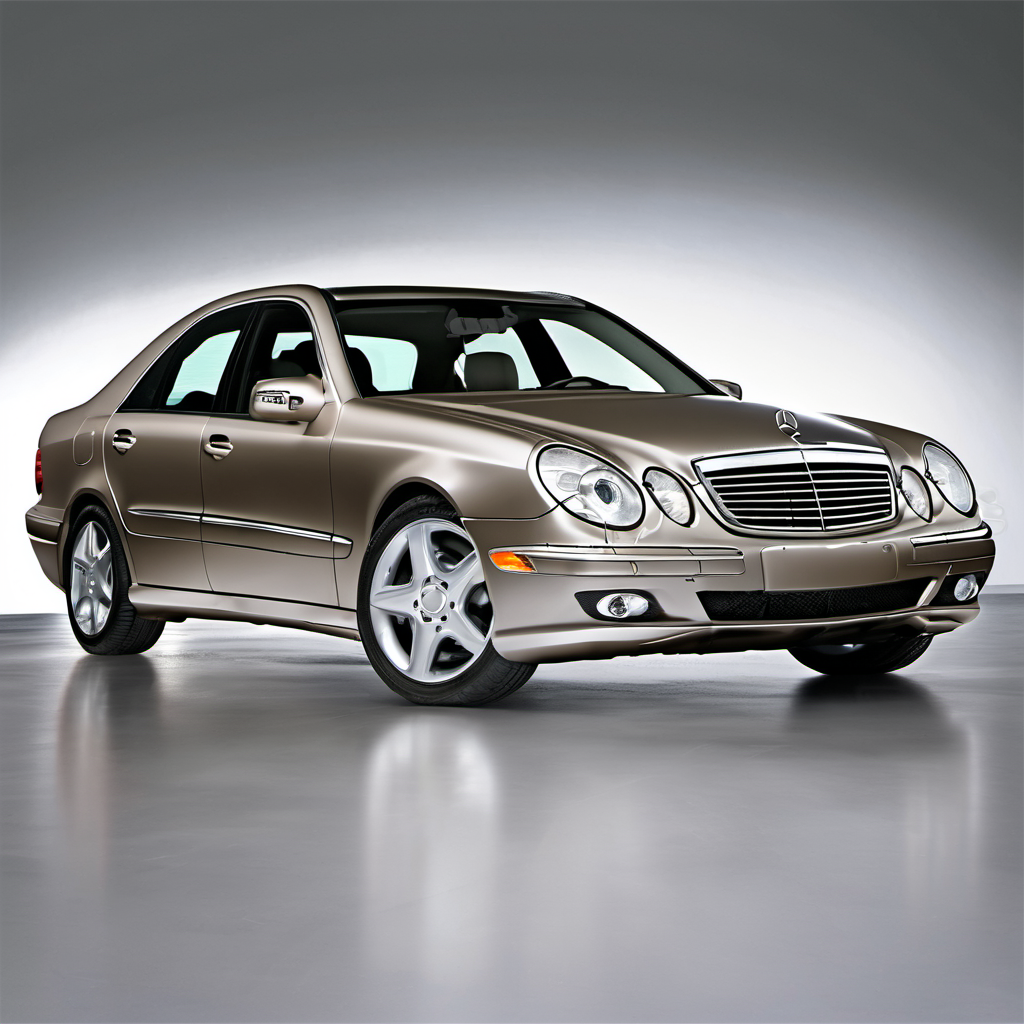
Direct executive sedan rival — similar price point used, similar ownership costs, arguably more comfortable but less sporty. W211 generation has its own known issues (rust, air suspension on some trims).
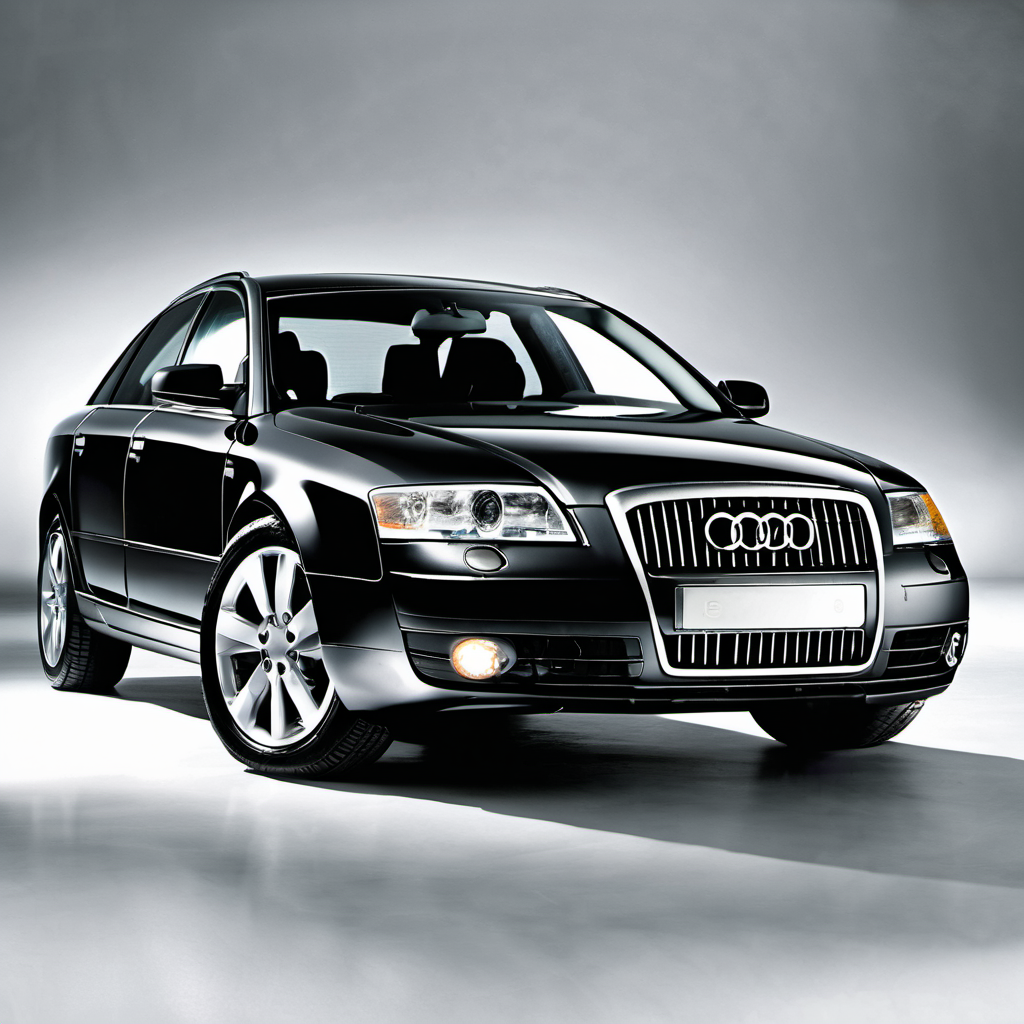
AWD option gives an edge in Wisconsin winters, similar luxury-sport positioning. Quattro all-wheel drive is a meaningful advantage over the 525i's RWD in snow, but Audi's maintenance costs are similarly high.
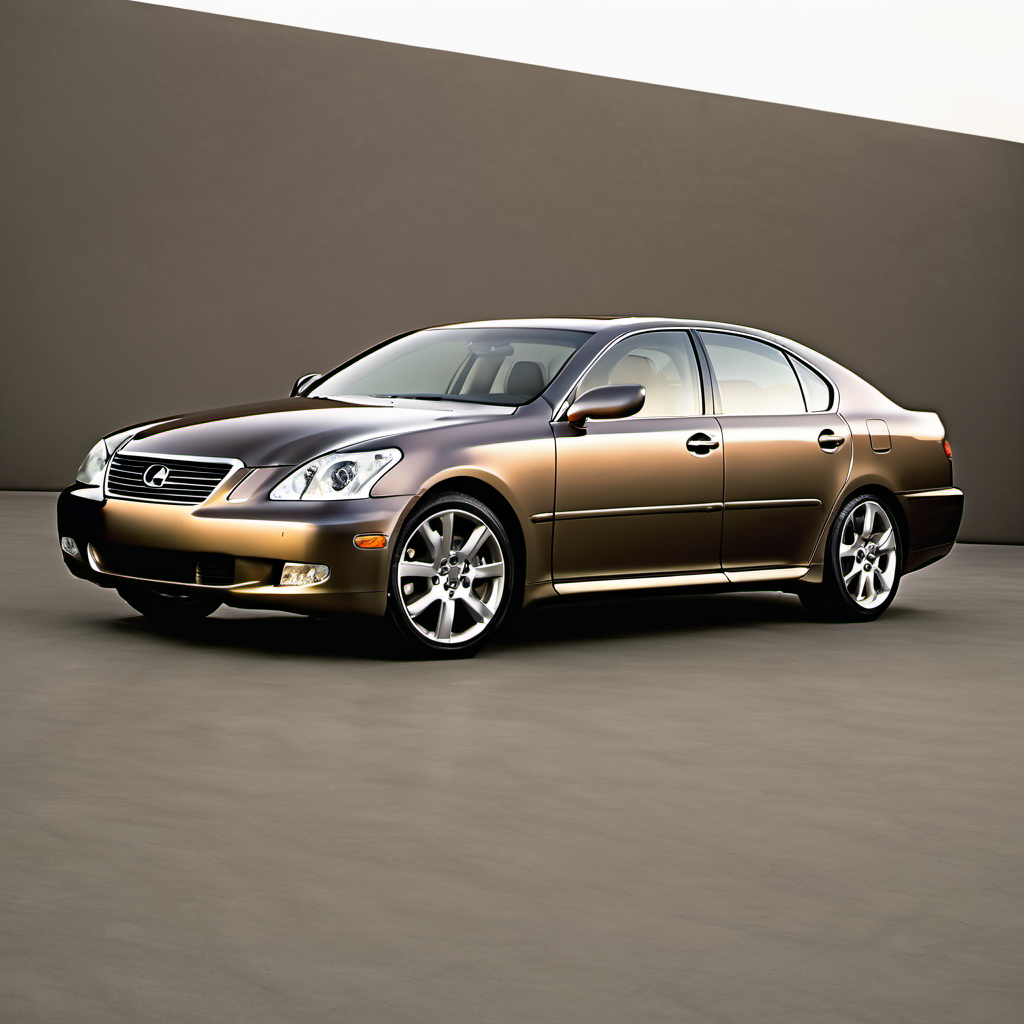
Lower long-term maintenance costs and better reliability, with a similar inline-six and rear-wheel drive. Less driver-focused than the BMW but significantly easier to own past 150k miles.
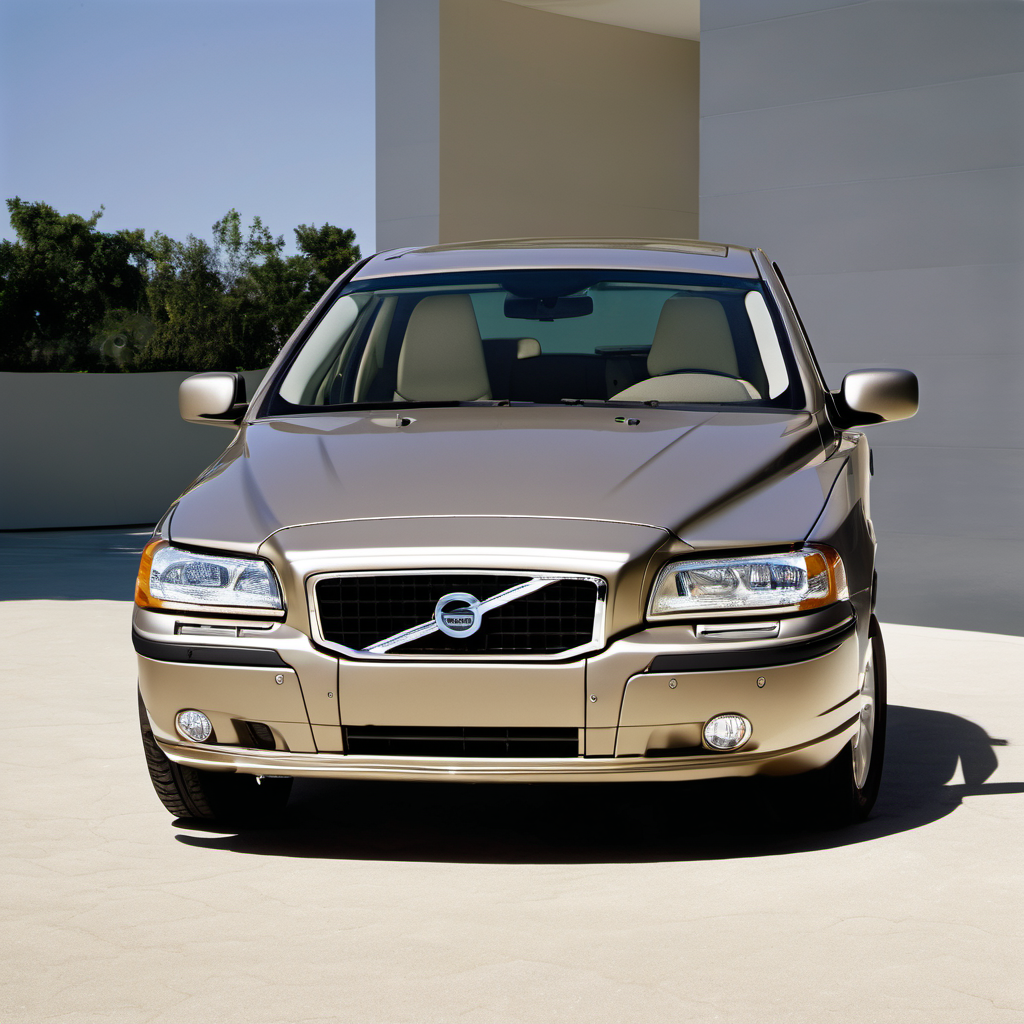
Similar price used, front-wheel drive (or AWD on T6), strong safety reputation. Lower performance ceiling than the BMW but cheaper to maintain and available with standard all-wheel drive for Wisconsin winters.