VTC (Variable Timing Control) actuator noise at cold start
high- Typically appears
- 60–150k mi
- Estimated repair
- $200 – $500
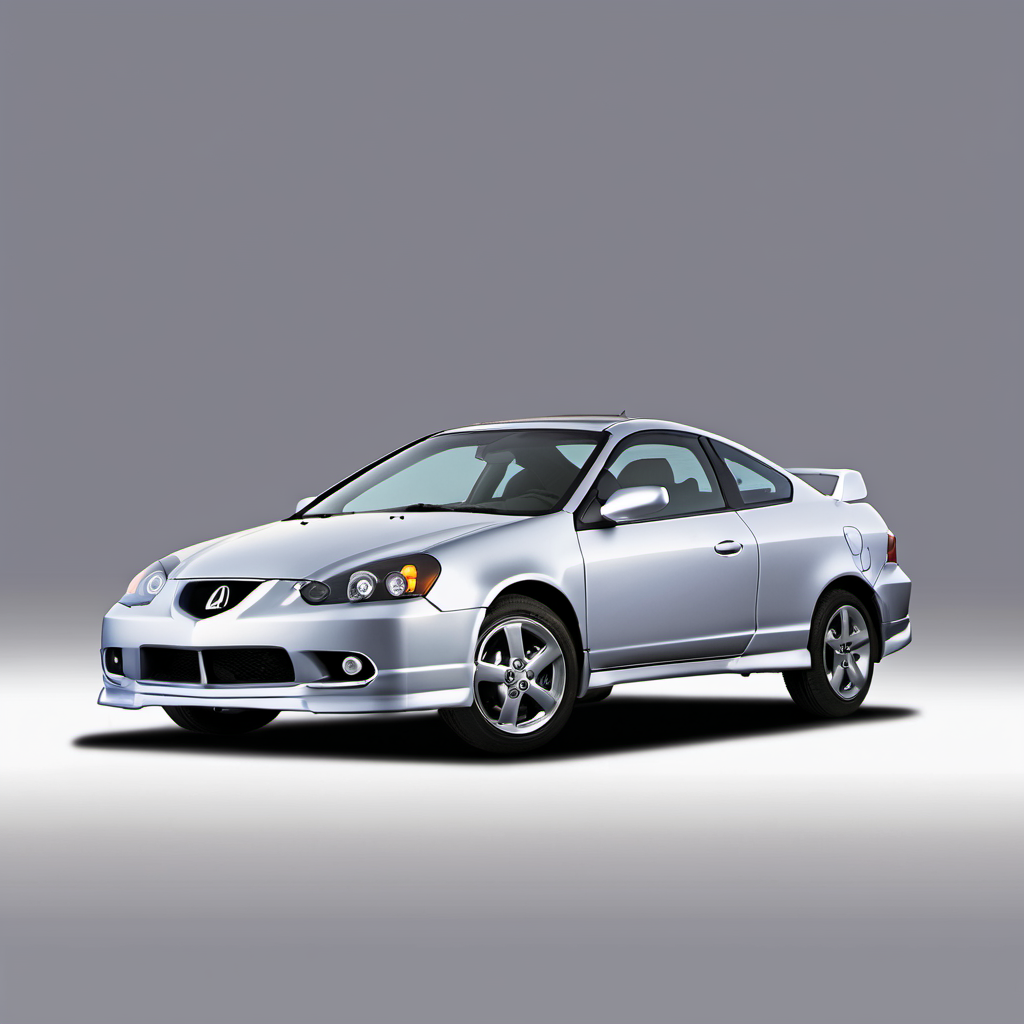
2005 Acura
Coupe
The 2005 Acura RSX is a front-wheel-drive sport compact coupe built on Honda's DC5 platform, sharing its bones with the Honda Integra sold overseas. It was Acura's entry-level performance model and came in two flavors: the base 2.0L i-VTEC making 155 hp, and the Type-S with a higher-revving 2.0L pumping out 210 hp. By 2005 the RSX was in its final full model year before being discontinued after 2006, making well-maintained examples increasingly collectible. The RSX earned a strong reputation for reliability, build quality above its price point, and an engaging driving experience — particularly in Type-S trim with its close-ratio 6-speed manual. The cabin is snug but well-finished, and the hatchback layout gives useful cargo flexibility despite the coupe roofline. At 20 years old, most RSXs on the used market have seen at least one owner who pushed them hard. Modifications, deferred maintenance, and track use are common in this segment. A careful pre-purchase inspection is essential.
The 2005 Acura RSX is a front-wheel-drive sport compact coupe built on Honda's DC5 platform, sharing its bones with the Honda Integra sold overseas. It was Acura's entry-level performance model and came in two flavors: the base 2.0L i-VTEC making 155 hp, and the Type-S with a higher-revving 2.0L pumping out 210 hp. By 2005 the RSX was in its final full model year before being discontinued after 2006, making well-maintained examples increasingly collectible. The RSX earned a strong reputation for reliability, build quality above its price point, and an engaging driving experience — particularly in Type-S trim with its close-ratio 6-speed manual. The cabin is snug but well-finished, and the hatchback layout gives useful cargo flexibility despite the coupe roofline. At 20 years old, most RSXs on the used market have seen at least one owner who pushed them hard. Modifications, deferred maintenance, and track use are common in this segment. A careful pre-purchase inspection is essential.
The K-series i-VTEC engine relies on clean oil for VTC actuator function and VTEC solenoid operation. Using the correct 5W-30 (API SN or better) and not stretching intervals is the single biggest thing you can do to prevent expensive cam timing issues. Use OEM filter part 15400-PLM-A02 or a quality equivalent; replace the drain plug crush washer (94109-14000) every time.
Honda manual transmissions use a specific Honda MTF fluid. Using the wrong fluid causes synchro wear and shift feel degradation. If the previous owner is unknown, change it immediately regardless of mileage.
Honda's blue coolant (Type 2) has a long service life but degrades over time. Old coolant becomes acidic and attacks aluminum components — critical on an all-aluminum K-series engine.
The RSX uses iridium-tipped plugs. Fresh plugs maintain the crisp throttle response and top-end pull the i-VTEC is known for. Don't wait for misfires to appear.
Brake fluid absorbs moisture over time, lowering its boiling point. Enthusiast-driven cars especially benefit from fresh fluid to avoid fade and to protect caliper bores.
A fine mesh screen on the VTEC solenoid can clog with sludge if oil changes were neglected, causing delayed or absent VTEC engagement. Cheap to clean, expensive to ignore.
Lake Geneva roads are heavily salted. Inspect rocker panels, subframe mounting points, and brake lines every fall. Apply undercoating or rust inhibitor to bare metal before winter sets in.
Often neglected on older sport compacts. A clogged cabin filter strains the blower motor and reduces defrost effectiveness — a real problem during Wisconsin winters.
Always defer to the manufacturer's service manual for warranty-mandated intervals.
The RSX is one of the cheaper enthusiast cars to own. Parts are widely available, many are shared with the Honda Civic/Integra ecosystem, and independent shops can service them easily. The main cost risk is deferred maintenance catch-up on a used example and rust repair if the undercarriage was neglected. A well-maintained RSX with known history can be surprisingly inexpensive to keep on the road.
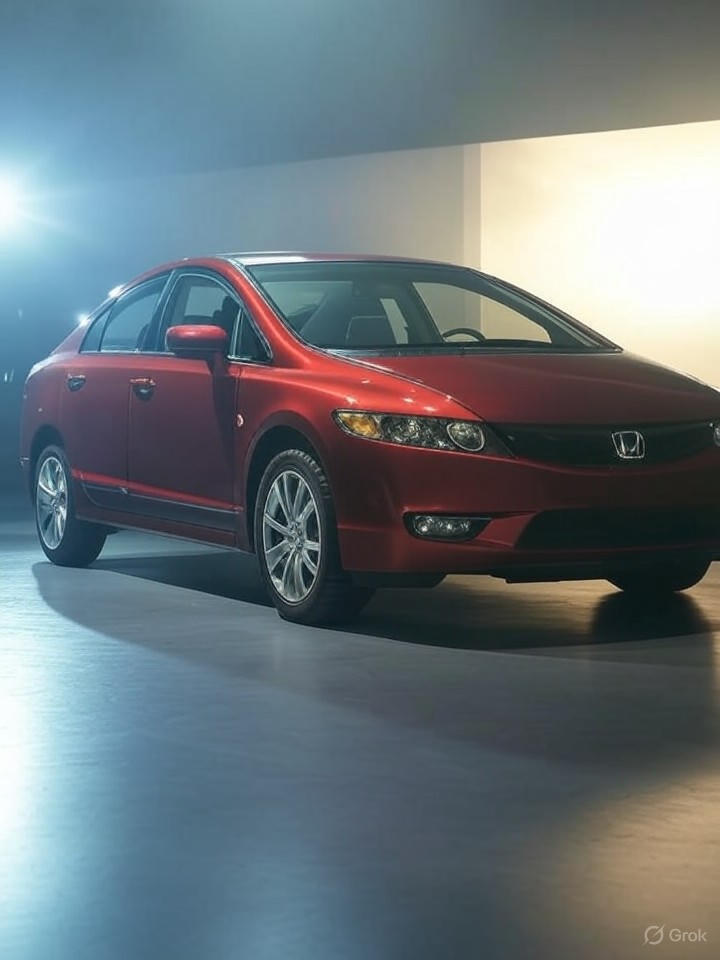
Same Honda platform DNA, similar price point, front-wheel-drive sport coupe with a rev-happy engine. Less premium interior but near-identical running costs.
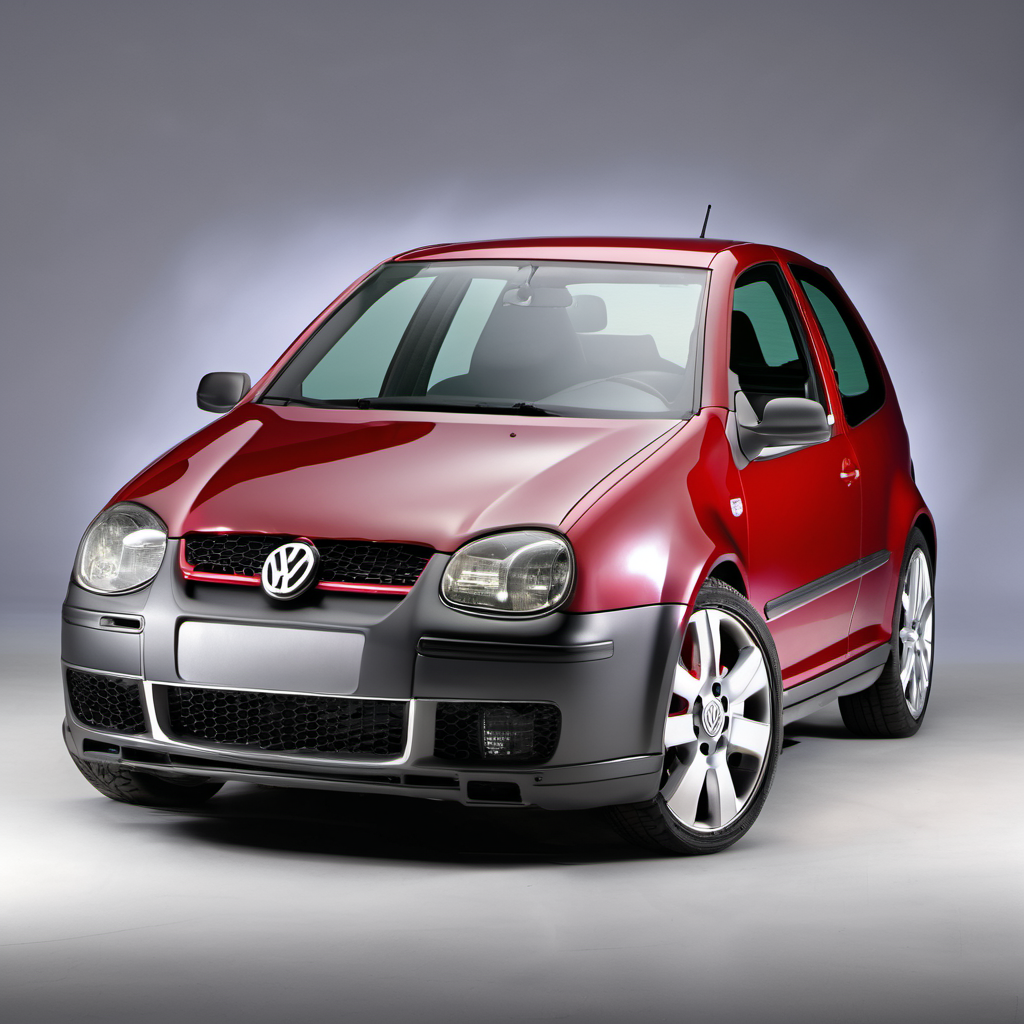
Turbocharged sport hatch in the same price range with strong performance credentials. More expensive to maintain and less reliable long-term, but offers a very different driving character.
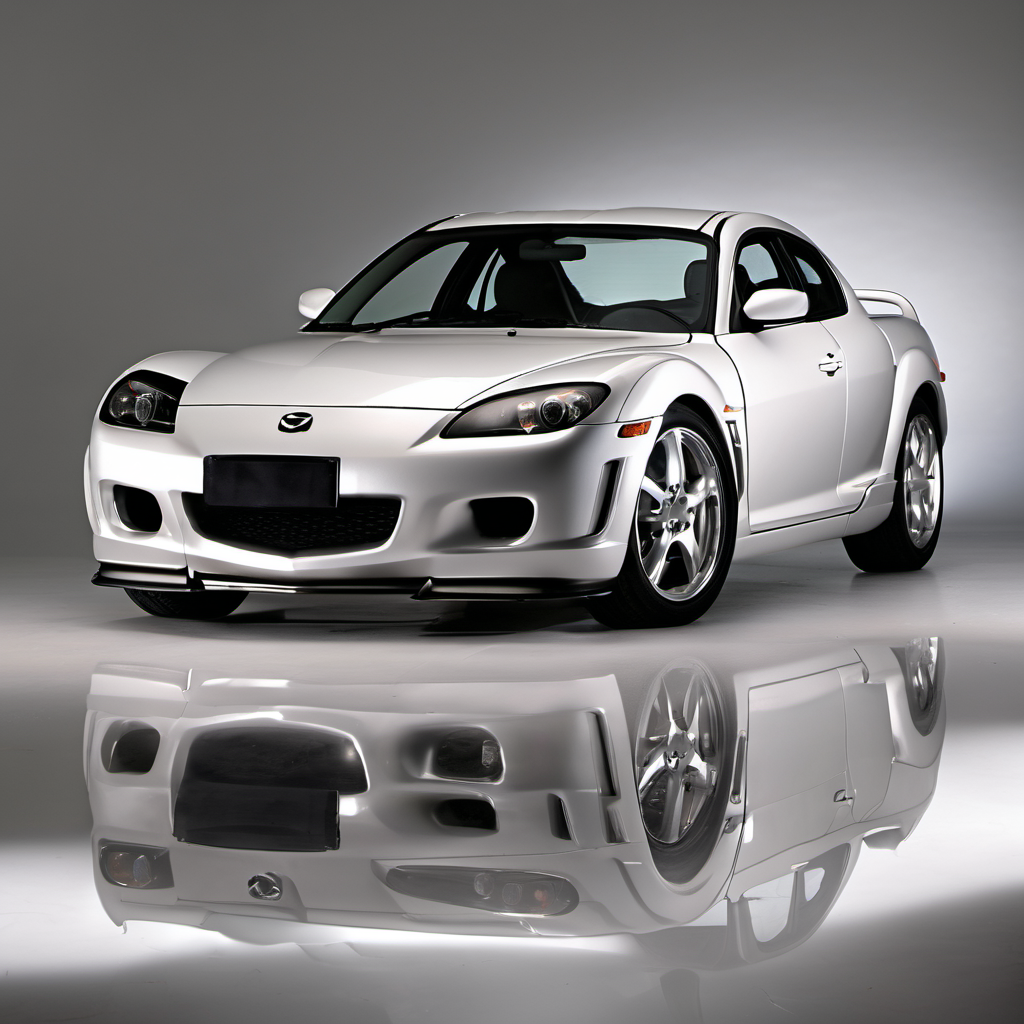
Similar sporty coupe segment and price range. More exotic rotary engine but significantly more maintenance-intensive. Worth cross-shopping for driving feel, but ownership costs are higher.
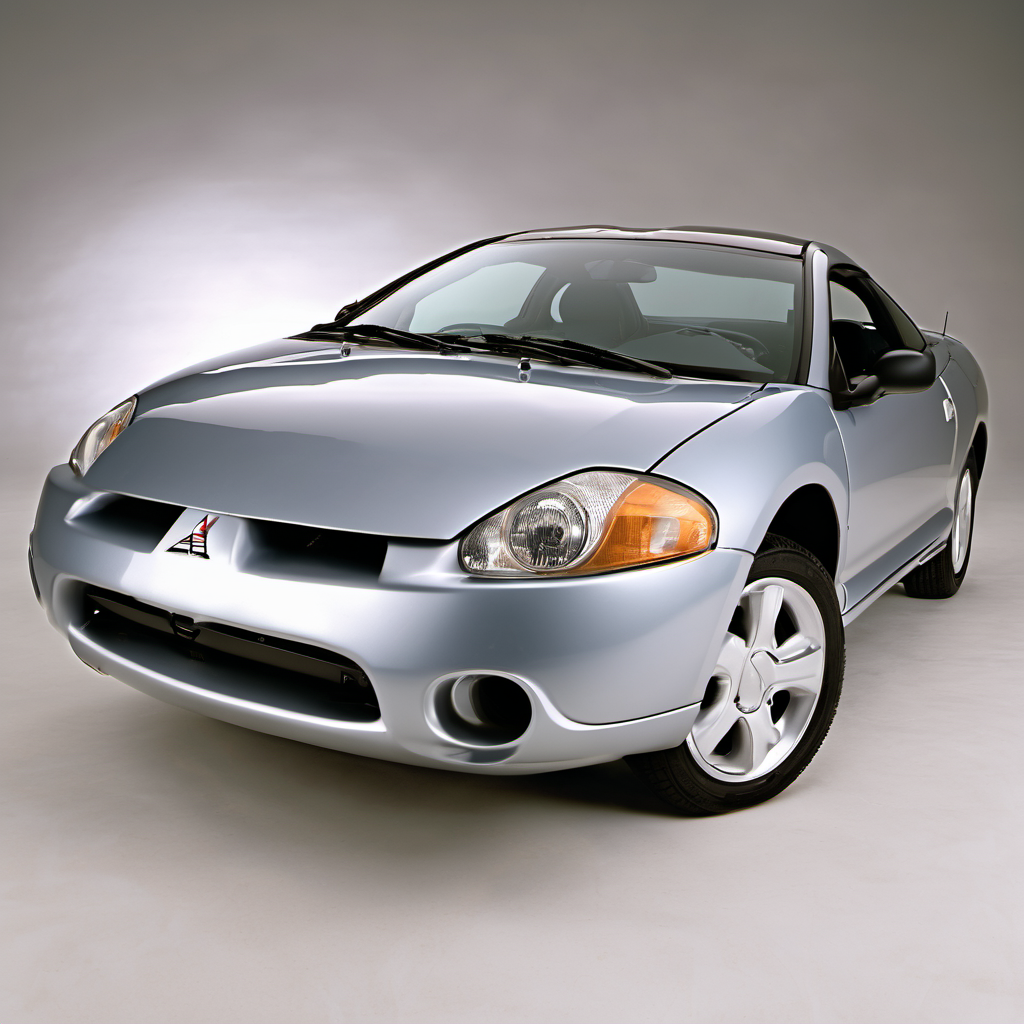
Competing sport coupe at a similar used-market price. Lower reliability history and parts availability than the RSX; the RSX wins on long-term ownership value.