Timing Chain Tensioner Failure
high- Typically appears
- 60–120k mi
- Estimated repair
- $800 – $1,800
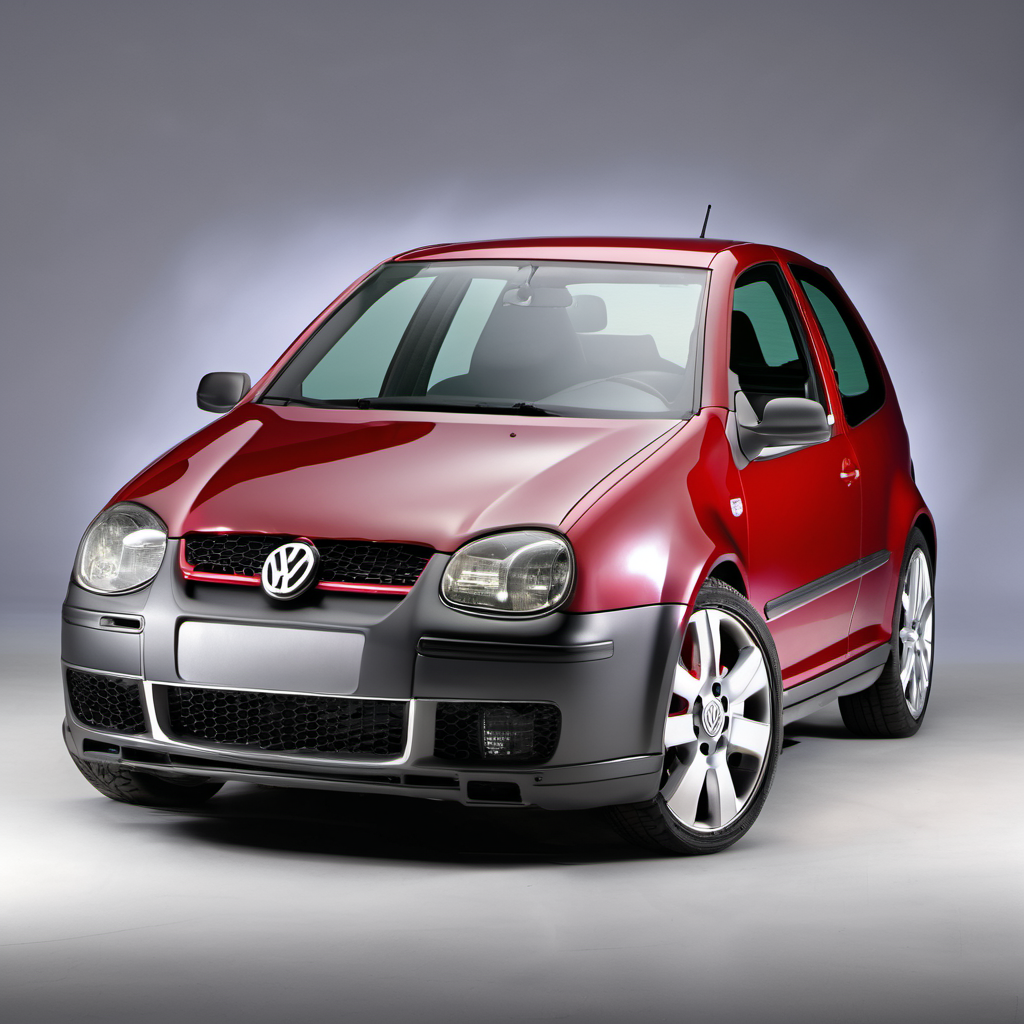
2005 Volkswagen
2.0L I4 Turbocharged FSI · Hatchback
The 2005 Volkswagen GTI is the sixth-generation (Mk5) GTI, a milestone model that brought VW's hot hatch back to the US market with a turbocharged 2.0T FSI engine and a genuinely premium interior. It sits in a sweet spot between fun-to-drive and practical, with a grown-up cabin, a usable rear seat, and sharp handling from a MacPherson front / multi-link rear suspension setup. It was well-received at launch and remains a cult favorite among enthusiasts. That enthusiasm comes with a caveat: the 2.0T FSI engine introduced in this generation carries a handful of well-documented mechanical quirks — carbon buildup, timing chain tensioner issues, and oil consumption — that demand attentive ownership. Parts availability is good, and a knowledgeable independent VW specialist can keep one running well, but deferred maintenance on this car tends to snowball into expensive repairs. For a Wisconsin owner, the GTI's FWD drivetrain on winter tires is genuinely competent in snow, but the low ground clearance and sport-tuned suspension mean deep drifts are its limit. The platform is also prone to rust in salt-belt states if underbody and paint chip maintenance is ignored — something to take very seriously in Lake Geneva.
The 2005 Volkswagen GTI is the sixth-generation (Mk5) GTI, a milestone model that brought VW's hot hatch back to the US market with a turbocharged 2.0T FSI engine and a genuinely premium interior. It sits in a sweet spot between fun-to-drive and practical, with a grown-up cabin, a usable rear seat, and sharp handling from a MacPherson front / multi-link rear suspension setup. It was well-received at launch and remains a cult favorite among enthusiasts. That enthusiasm comes with a caveat: the 2.0T FSI engine introduced in this generation carries a handful of well-documented mechanical quirks — carbon buildup, timing chain tensioner issues, and oil consumption — that demand attentive ownership. Parts availability is good, and a knowledgeable independent VW specialist can keep one running well, but deferred maintenance on this car tends to snowball into expensive repairs. For a Wisconsin owner, the GTI's FWD drivetrain on winter tires is genuinely competent in snow, but the low ground clearance and sport-tuned suspension mean deep drifts are its limit. The platform is also prone to rust in salt-belt states if underbody and paint chip maintenance is ignored — something to take very seriously in Lake Geneva.
The 2.0T FSI is sensitive to oil quality and is known to consume oil. Using the correct spec and shortening intervals from VW's extended recommendation protects the timing chain tensioner and reduces sludge risk.
This is the GTI's single most critical maintenance item. A cold-start rattle is a red flag. Proactive replacement before failure saves the engine.
Direct injection causes carbon deposits on intake valves that cannot be cleaned with fuel additives. Walnut blasting is the only effective solution and restores proper airflow.
VW's 'lifetime' fluid claim does not hold up in real-world use, especially with stop-and-go driving. Fresh fluid prevents shudder and extends mechatronic unit life.
The 2.0T FSI runs a higher compression ratio and boost pressure. Fresh plugs maintain clean combustion and reduce the risk of misfires that can damage the catalytic converter.
Plastic coolant components age and crack on this engine. Catching a seeping flange early is a $300 fix; a blown hose in a Wisconsin winter is a tow and potential overheating damage.
VW specifies a 2-year interval for a reason — brake fluid is hygroscopic and absorbs moisture, lowering its boiling point. Critical on a sport-driven car.
The Mk5 platform is vulnerable to rust in salt-belt climates. Annual inspection and spot treatment of paint chips, wheel arch seams, and underbody welds is essential in Wisconsin.
Always defer to the manufacturer's service manual for warranty-mandated intervals.
The GTI costs noticeably more to maintain than a comparable Honda or Toyota. Routine service is manageable, but the timing chain, carbon cleaning, and DSG services are significant line items. Budget $900–$1,400/yr for a well-maintained example in normal use, and up to $2,200 in a year when deferred repairs catch up. Using a VW-experienced independent shop rather than the dealer is the biggest lever for keeping costs reasonable.
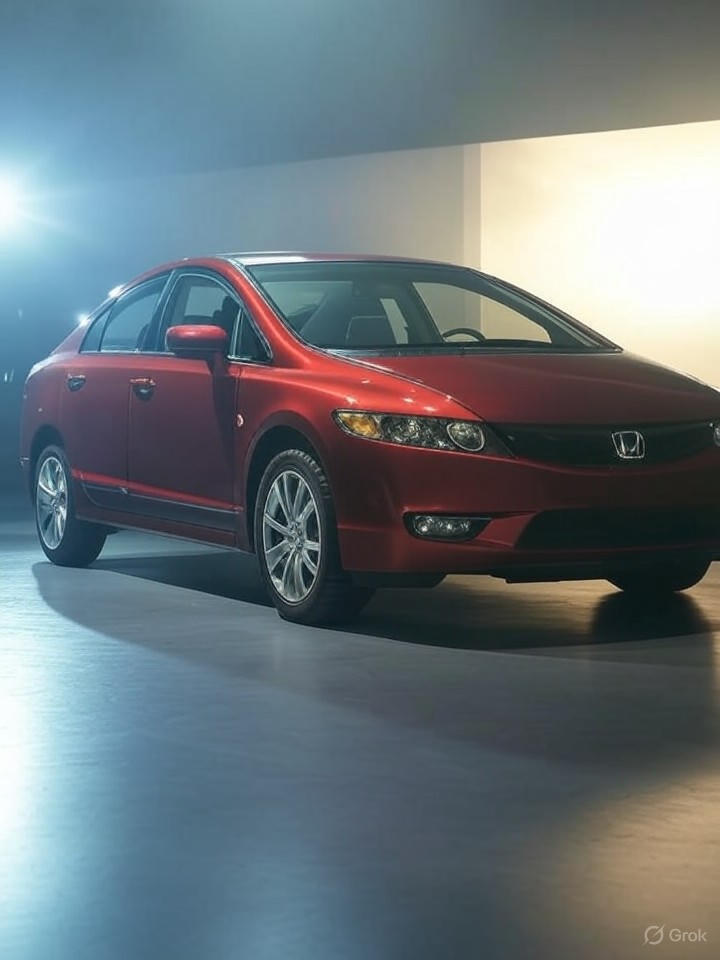
Similar sport-compact hatchback mission, naturally aspirated high-revving alternative, significantly more reliable and cheaper to maintain, but less torque and a more spartan interior.
Turbocharged, practical hatchback with similar performance targets. More aggressive and rawer than the GTI, but with better long-term reliability and lower maintenance costs.
No catalog match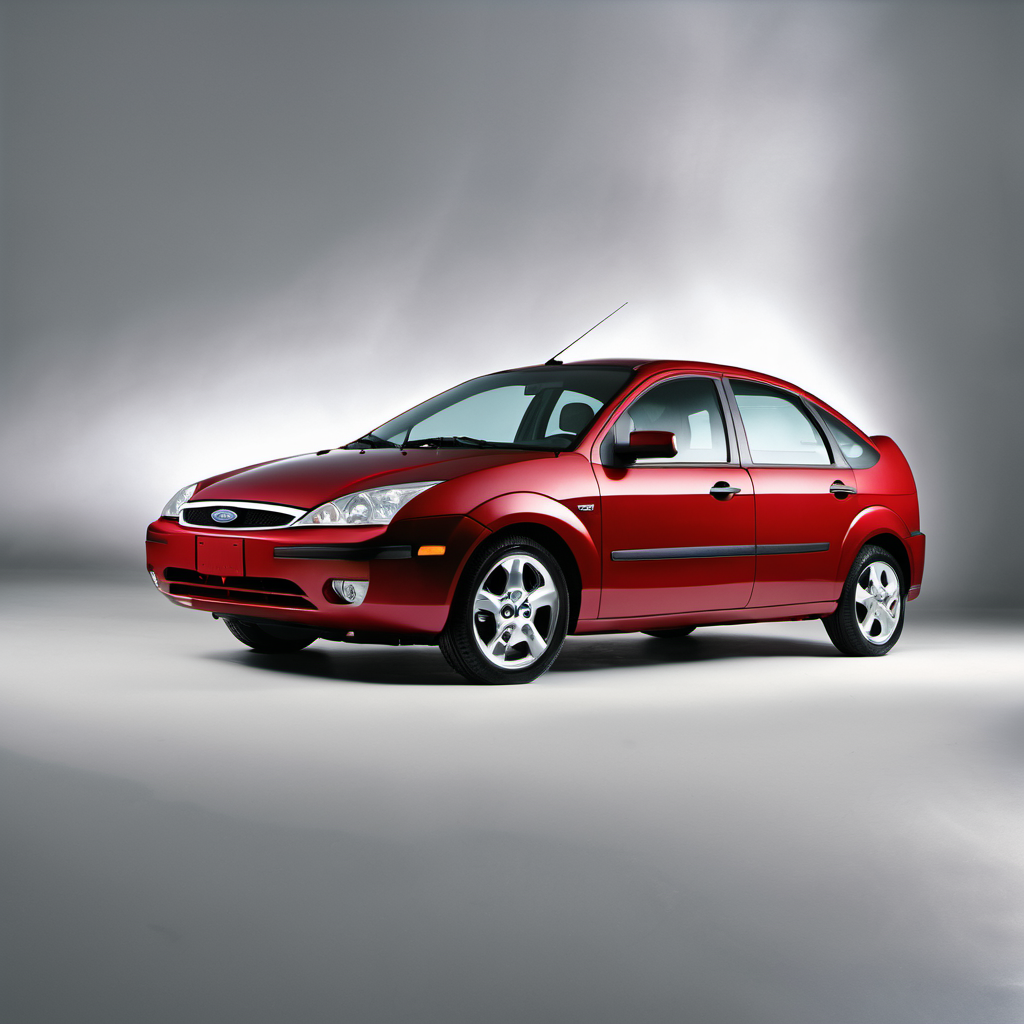
Turbocharged FWD hot hatch with comparable power and everyday usability; stronger dealer/parts network in the US and generally lower repair costs.
AWD turbocharged sport compact — a significant advantage in Wisconsin winters. More capable in snow and ice, though interior quality trails the GTI.
No catalog match