Transmission cooler line corrosion and leaks
high- Typically appears
- 80–150k mi
- Estimated repair
- $200 – $600
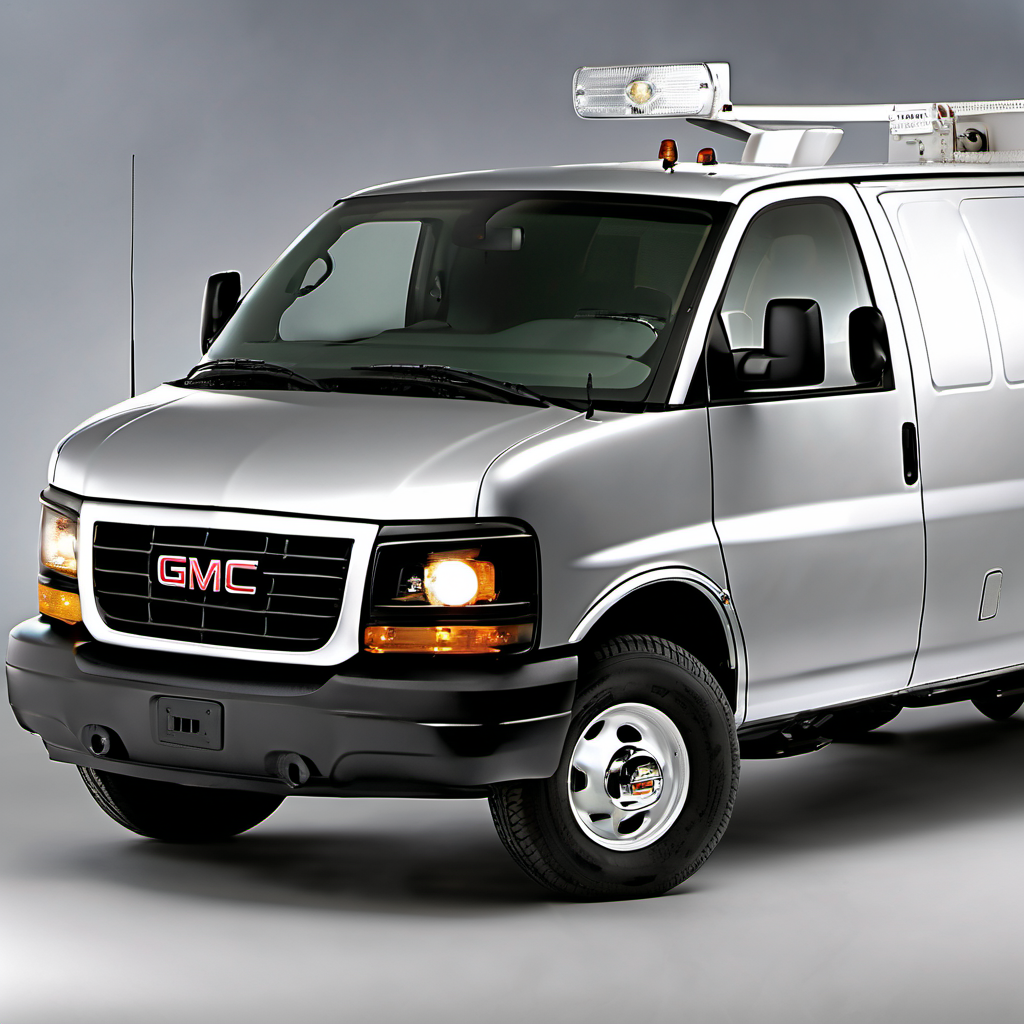
2006 GMC
6.0L V8 (Vortec 6000) · Van/Minivan
The 2006 GMC Savana 3500 Cargo is a full-size, body-on-frame cargo van built on GM's G-Van platform — the same bones shared with the Chevrolet Express. The 3500 series is the heavy-duty variant, rated for higher gross vehicle weights and commonly spec'd with the 6.0L V8. It's a no-frills workhorse designed to move cargo, equipment, or converted interiors with minimal fuss. Don't expect comfort or fuel economy; expect durability and payload. These vans were staples of delivery fleets, utility companies, plumbers, electricians, and conversion-van builders throughout the 2000s. The platform changed very little year-over-year, which means parts are plentiful, mechanics know them well, and repairs are rarely exotic. At nearly 20 years old, most surviving examples have accumulated heavy commercial miles. If you're buying one used, the condition of the rear cargo area, the frame for rust (Wisconsin salt is brutal), and the transmission cooler lines are the most important inspection points. A well-maintained Savana 3500 with a V8 can realistically reach 250k+ miles.
The 2006 GMC Savana 3500 Cargo is a full-size, body-on-frame cargo van built on GM's G-Van platform — the same bones shared with the Chevrolet Express. The 3500 series is the heavy-duty variant, rated for higher gross vehicle weights and commonly spec'd with the 6.0L V8. It's a no-frills workhorse designed to move cargo, equipment, or converted interiors with minimal fuss. Don't expect comfort or fuel economy; expect durability and payload. These vans were staples of delivery fleets, utility companies, plumbers, electricians, and conversion-van builders throughout the 2000s. The platform changed very little year-over-year, which means parts are plentiful, mechanics know them well, and repairs are rarely exotic. At nearly 20 years old, most surviving examples have accumulated heavy commercial miles. If you're buying one used, the condition of the rear cargo area, the frame for rust (Wisconsin salt is brutal), and the transmission cooler lines are the most important inspection points. A well-maintained Savana 3500 with a V8 can realistically reach 250k+ miles.
The Vortec 6.0L runs hot under load. Fresh oil is the single biggest factor in reaching high mileage. Don't stretch intervals on a working van.
The 4L80-E is durable but hates dirty fluid. Many fleet vans come in with never-changed transmission fluid — a common cause of early failure.
Steel cooler lines corrode from road salt. A line that lets go while driving can empty the transmission in minutes.
Corroded grounds cause a cascade of false U-codes and intermittent electrical faults. Clean and re-torque ground connections at the battery, frame, and engine block.
DEX-COOL that's overdue can turn acidic and attack intake gaskets and the water pump. Don't mix green coolant into the system.
A clogged filter strains the in-tank fuel pump. Replacing the filter on schedule is cheap insurance against a roadside pump failure.
The rear end works hard in a loaded cargo van. Low or contaminated differential fluid accelerates gear wear and bearing failure.
Wisconsin road salt is the number-one killer of this van's structural integrity. Catch rust early and treat it — full frame replacement is not cost-effective.
Always defer to the manufacturer's service manual for warranty-mandated intervals.
The Savana 3500 is inexpensive to maintain by commercial van standards — parts are cheap and labor hours are low because everything is accessible. The biggest wildcard costs are rust repair (can run $500–$3,000+ on Wisconsin vehicles) and transmission replacement if fluid was neglected ($1,500–$3,000 rebuilt at an independent shop). Fuel is the dominant recurring expense given the poor MPG.
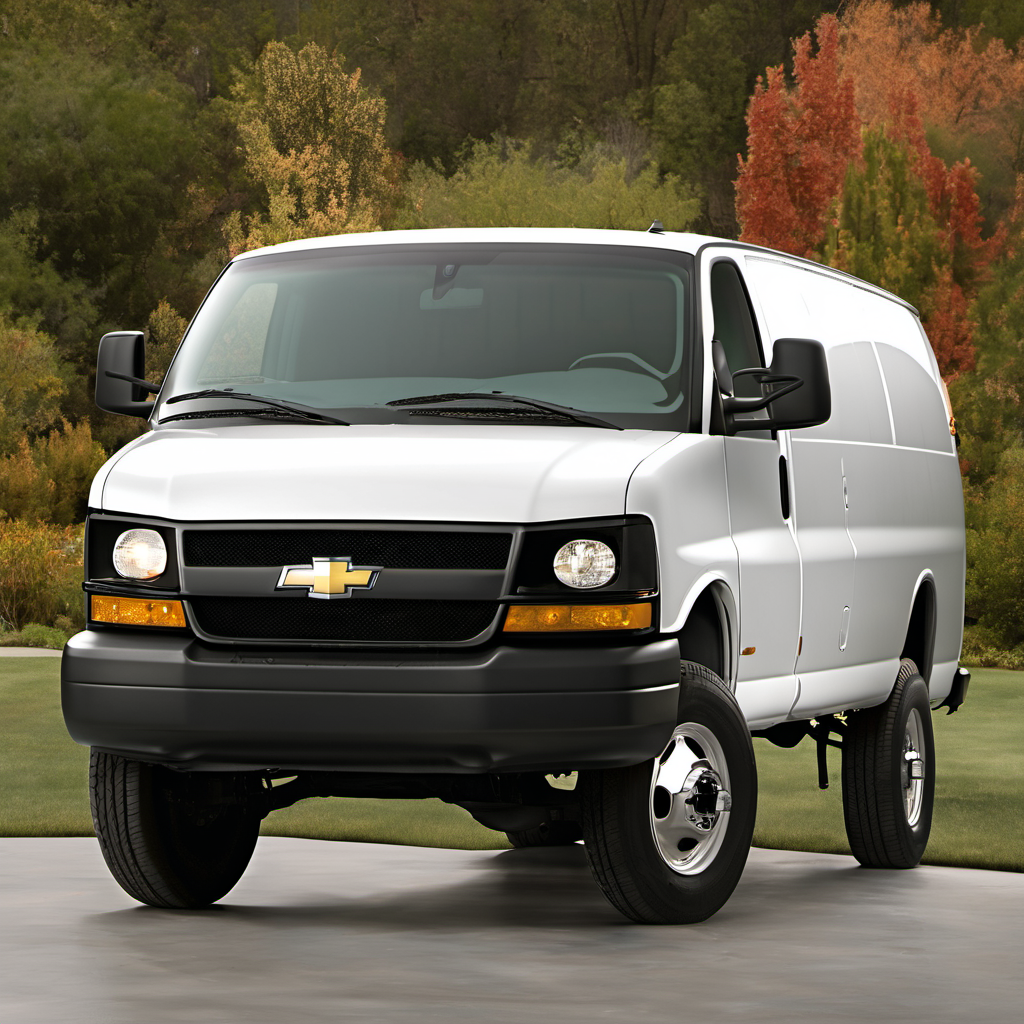
Mechanically identical — same platform, same engines, same 4L80-E transmission. Parts are completely interchangeable. The only differences are badging and minor trim details.
Ford's full-size cargo van competitor in the same GVW class. Triton V8 is similarly proven; parts availability is comparable. Worth cross-shopping if you find a rust-free example.
No catalog match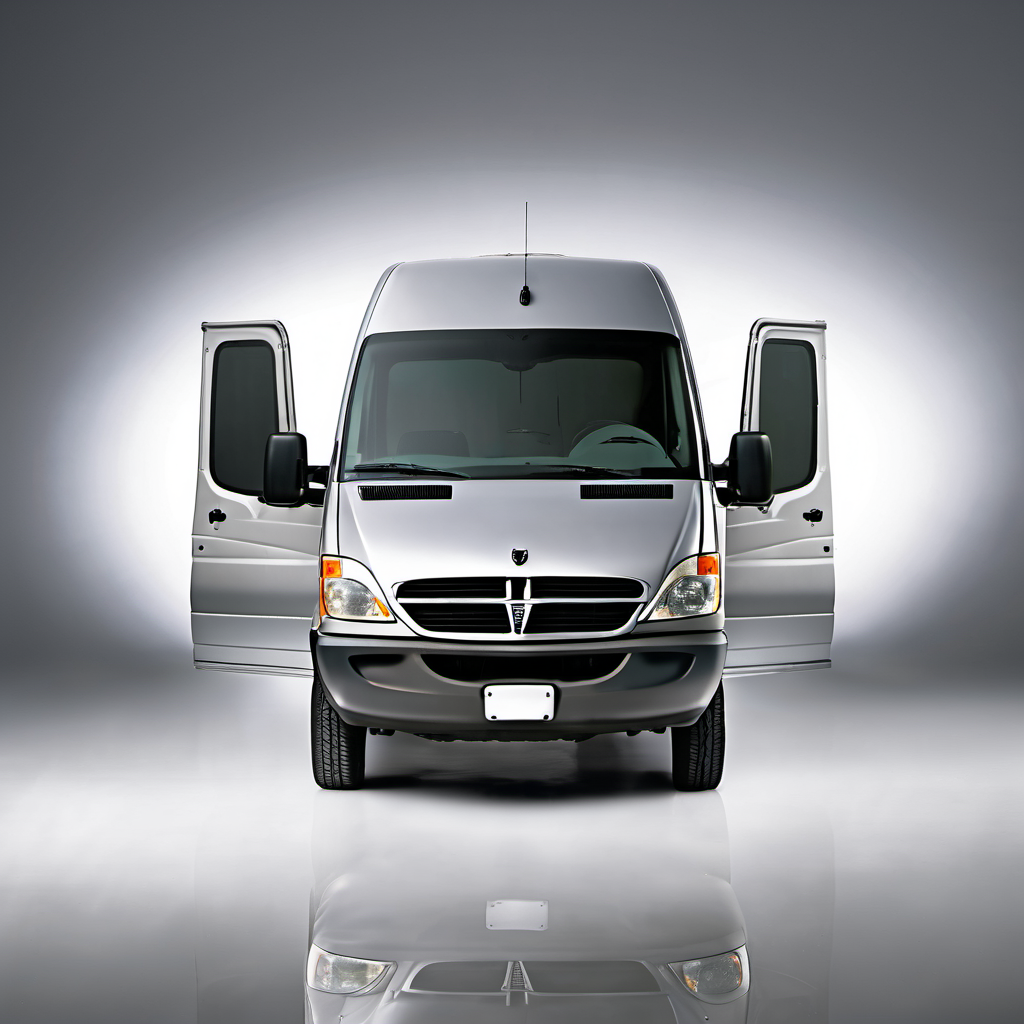
Diesel option with far better fuel economy, but significantly higher repair costs and fewer shops that can service it. A different value proposition for the same cargo mission.
Step down in GVW rating but more maneuverable and slightly better on fuel. Worth considering if max payload is not required.
No catalog match