Engine oil sludge (2AZ-FE)
medium- Typically appears
- 60–150k mi
- Estimated repair
- $400 – $1,500
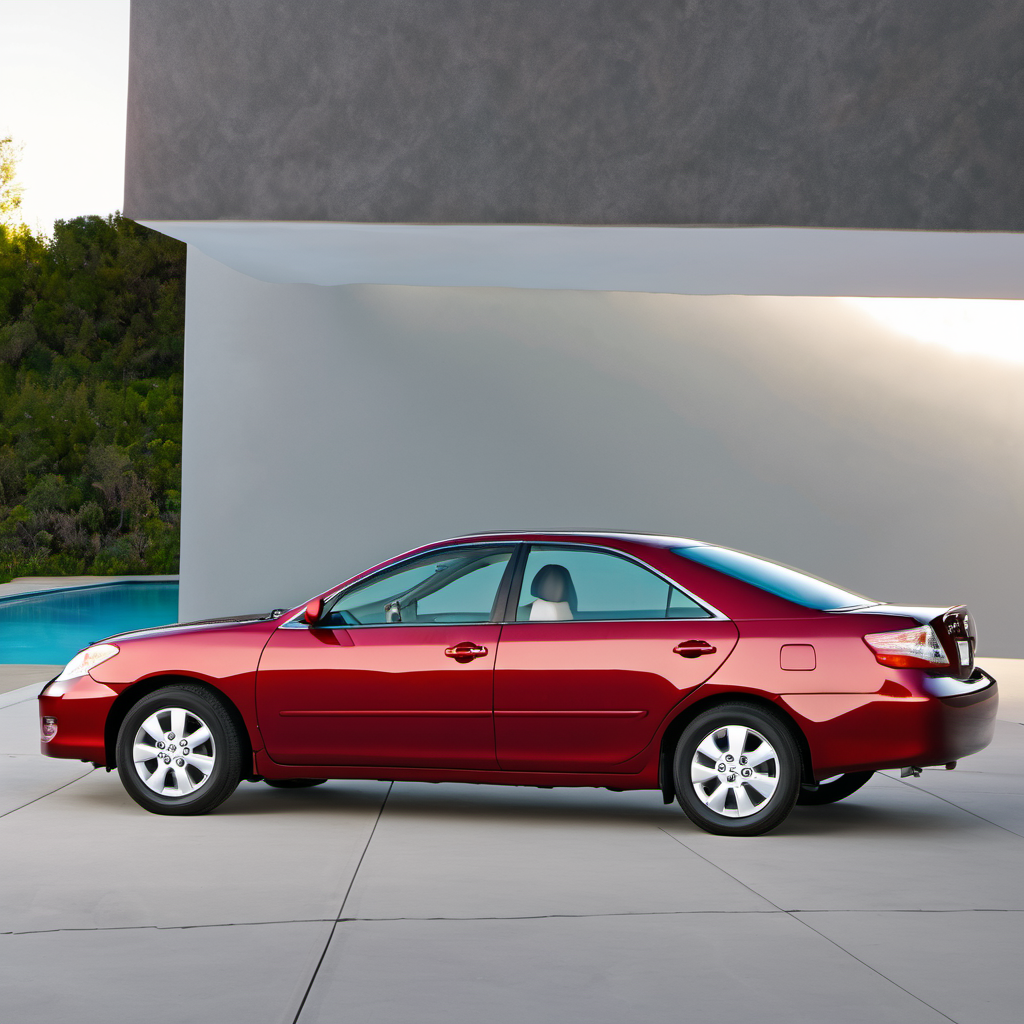
2005 Toyota
Sedan
The 2005 Toyota Camry is the sixth-generation model (2002–2006 body style), and it earned its place as America's best-selling car for good reason. The 2.4L four-cylinder is the sweet spot of the lineup — adequate power, excellent fuel economy for its class, and a drivetrain that routinely pushes past 200,000 miles with basic upkeep. This generation Camry was built in Georgetown, Kentucky, and represents Toyota's peak value proposition of the era: a roomy, comfortable sedan with rock-solid mechanicals, a quiet cabin, and low running costs. It's not exciting to drive, but it's deeply competent at everything a family sedan needs to do. At this point in its life (now 20 years old), the 2005 Camry is an aging but still capable daily driver. The weak spots are well-documented — oil sludge if it wasn't maintained, rust on Wisconsin roads, and worn suspension bushings are the main concerns. Buy a clean one with records, keep up on oil changes, and it'll reward you.
The 2005 Toyota Camry is the sixth-generation model (2002–2006 body style), and it earned its place as America's best-selling car for good reason. The 2.4L four-cylinder is the sweet spot of the lineup — adequate power, excellent fuel economy for its class, and a drivetrain that routinely pushes past 200,000 miles with basic upkeep. This generation Camry was built in Georgetown, Kentucky, and represents Toyota's peak value proposition of the era: a roomy, comfortable sedan with rock-solid mechanicals, a quiet cabin, and low running costs. It's not exciting to drive, but it's deeply competent at everything a family sedan needs to do. At this point in its life (now 20 years old), the 2005 Camry is an aging but still capable daily driver. The weak spots are well-documented — oil sludge if it wasn't maintained, rust on Wisconsin roads, and worn suspension bushings are the main concerns. Buy a clean one with records, keep up on oil changes, and it'll reward you.
The 2AZ-FE's oil sludge problem is directly tied to extended oil change intervals. Use 5W-30 conventional or full synthetic. This is the single most important thing you can do for this engine's longevity.
Toyota's 'lifetime' fluid claim is optimistic. Fresh fluid prevents shudder and extends transmission life significantly, especially if history is unknown.
Toyota's long-life coolant degrades over time. Old coolant becomes acidic and attacks water pump seals and the aluminum engine block — especially important heading into Wisconsin winters.
Brake fluid absorbs moisture over time, lowering its boiling point and accelerating internal corrosion in calipers and wheel cylinders — worsened by Wisconsin salt and road grime.
The factory iridium plugs last a long time but worn plugs reduce fuel economy and can cause misfires. On a 20-year-old car, confirm when they were last changed.
Wisconsin's sub-zero temps harden aged rubber belts and dramatically increase the risk of cold-weather belt failure. A snapped belt leaves you stranded.
Road salt accumulates in frame cavities, around brake lines, and on the subframe. Thorough washing after winter and annual inspection of brake/fuel lines is critical for safety and long-term structural integrity.
A battery that tests marginal in October will likely fail in January. Cold cranking amps drop sharply below 20°F, and a 3–4 year old battery in Wisconsin should be tested every year without exception.
Always defer to the manufacturer's service manual for warranty-mandated intervals.
The 2005 Camry four-cylinder is one of the least expensive midsize sedans to own and operate at this age. Parts are cheap, independent shops know this car cold, and nothing on it is exotic. Budget toward the high end of the maintenance range if buying a vehicle with incomplete service records — you'll want to baseline all fluids. The biggest financial wildcard is rust repair; a clean undercarriage is worth a premium on a Wisconsin car.
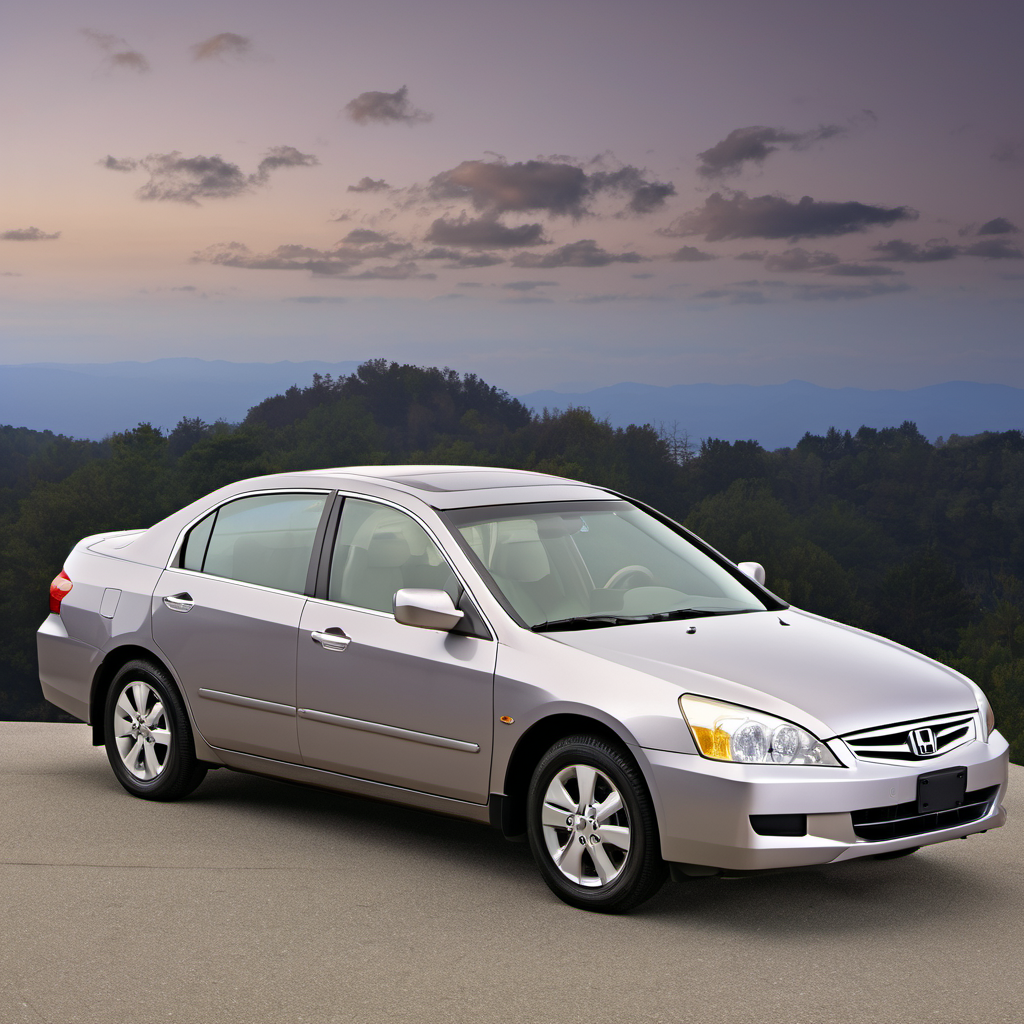
Direct rival in the midsize sedan segment. The 2.4L Accord four-cylinder is similarly reliable and long-lived, with slightly sportier handling. Compare maintenance records carefully — both are excellent but the Accord can cost slightly more to repair.
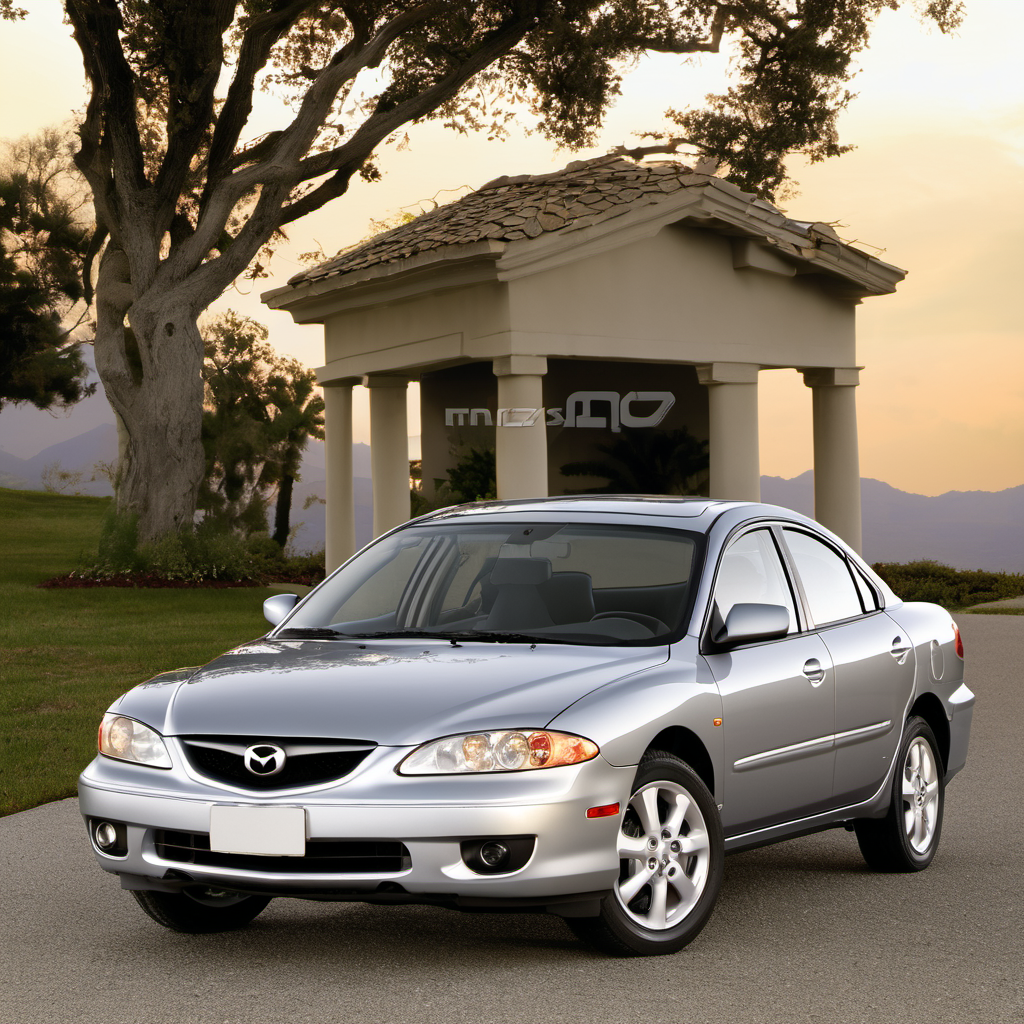
Sportier driving feel than the Camry at a similar price point. The 2.3L four-cylinder is solid, though parts availability and shop familiarity are lower than the Camry or Accord. Good alternative if ride dynamics matter.
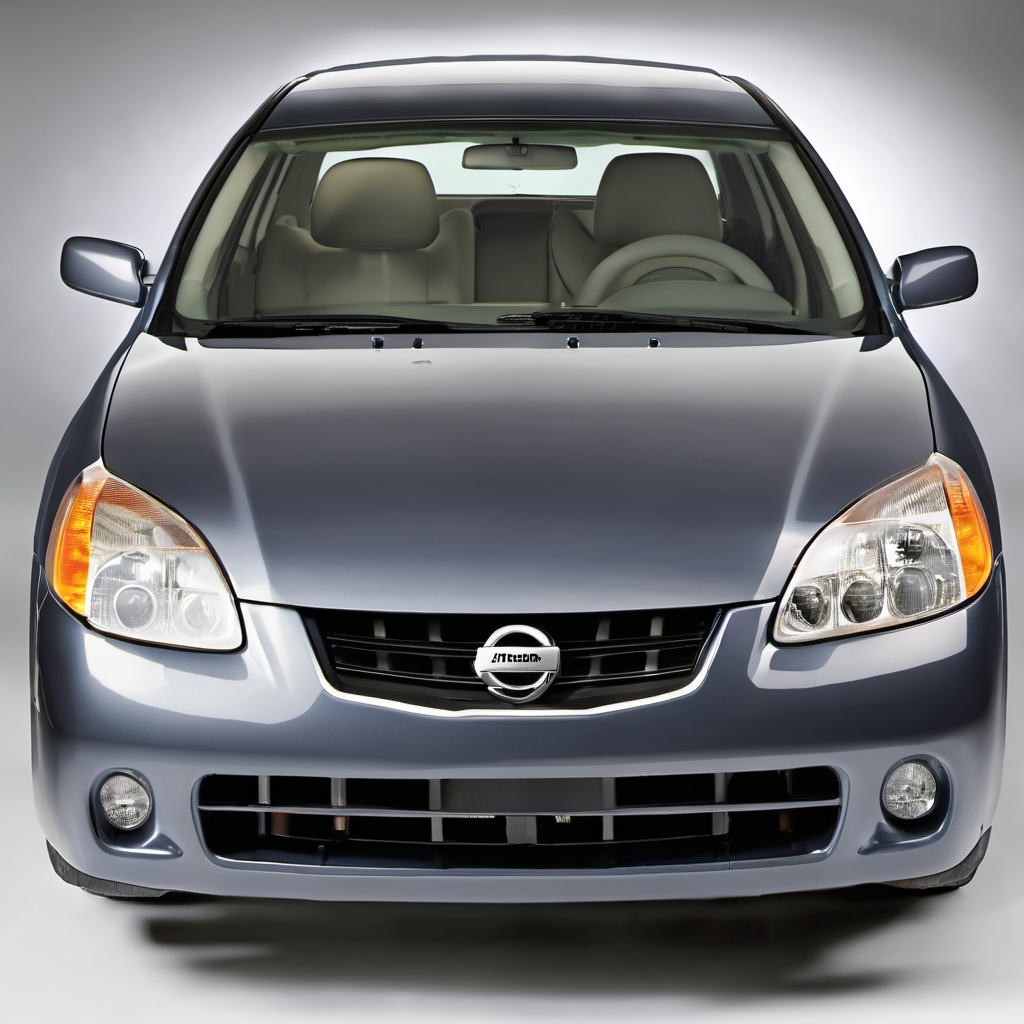
Comparable size, price, and fuel economy. The 2.5L QR25DE engine has its own maintenance quirks (oil consumption at higher mileage). Generally reliable but slightly less proven long-term than the Camry's 2AZ-FE.
More modern interior feel for the money, though the Fusion debuted in 2006 — a 2006 or 2007 Fusion would be the direct comparison. Solid mid-tier reliability but not in the same long-term durability class as the Camry.
No catalog match