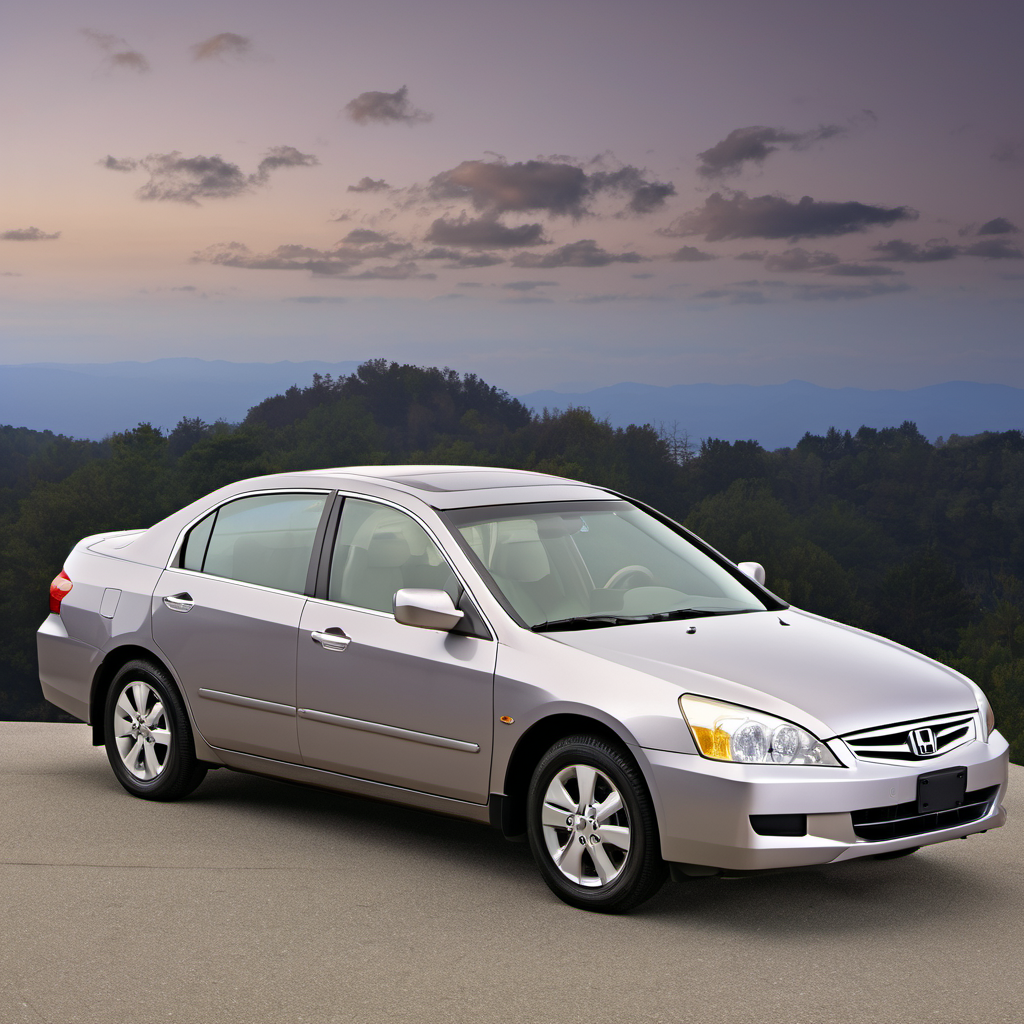
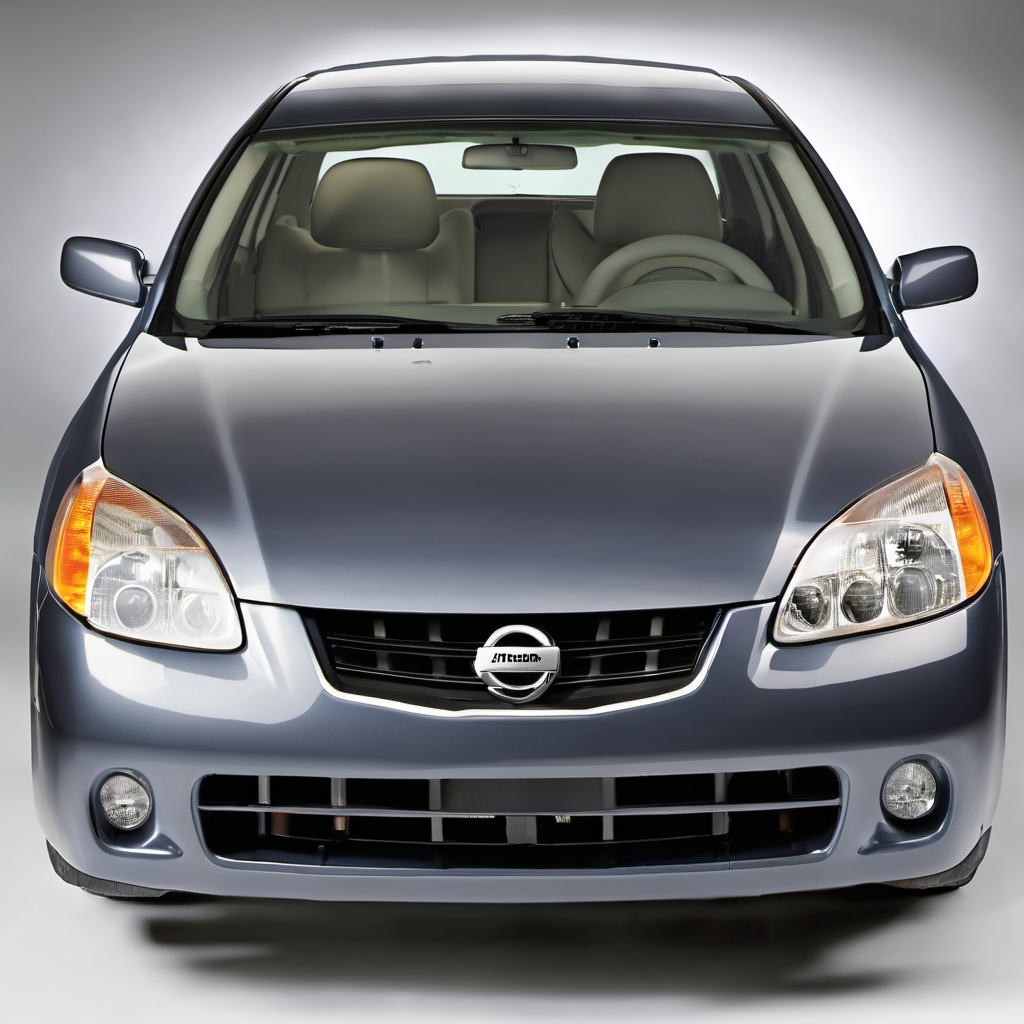
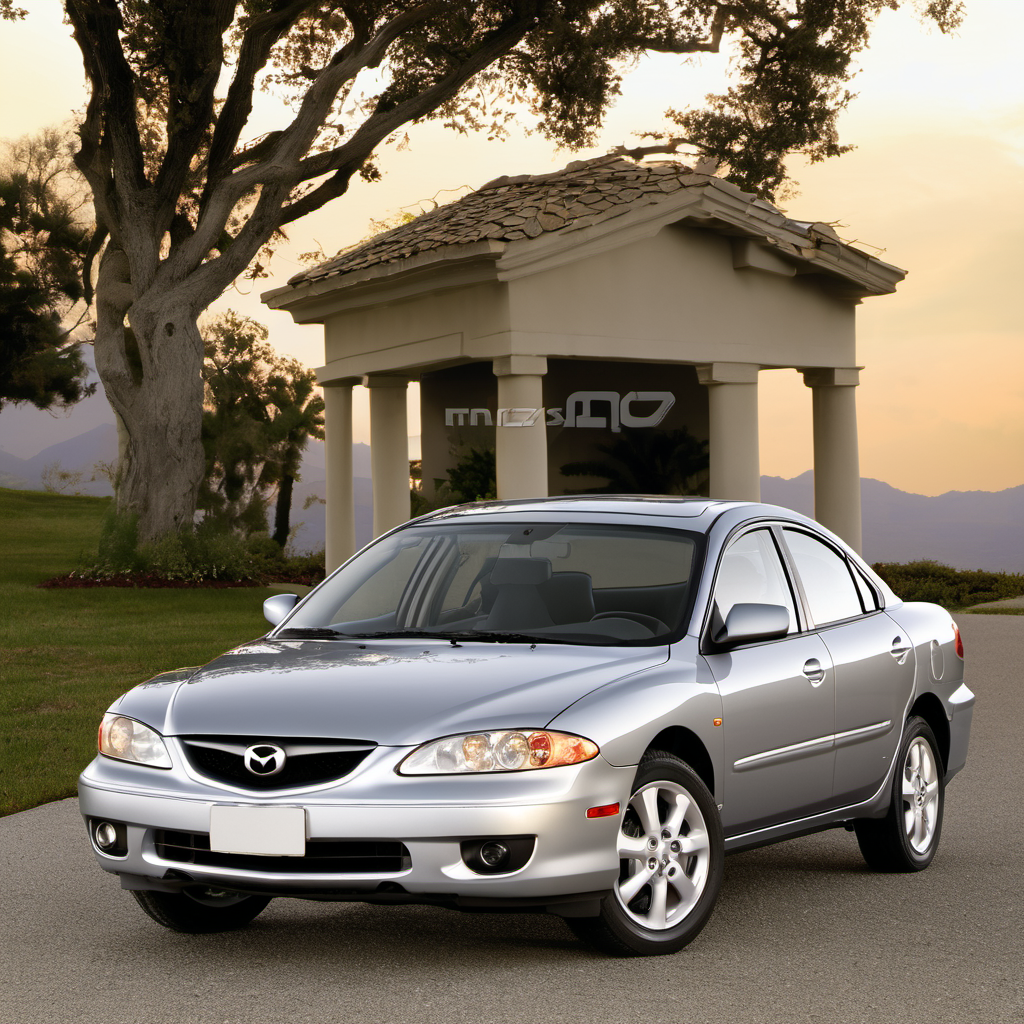
2005 Honda Accord Sedan

2005 Honda

AccordSedan

Sedan

The 2005 Honda Accord Sedan is the seventh generation of Honda's flagship family car, a generation that ran from 2003–2007 and is widely regarded as one of the best Accords ever built. The 2.4L four-cylinder version strikes a balance between fuel economy and adequate power, making it a practical daily driver with a track record for long-term dependability. This generation of Accord sits in a sweet spot for used-car buyers: parts are cheap, independent shops know them cold, and they routinely exceed 200,000 miles with basic upkeep. The chassis is tight, the interior holds up well, and the 5-speed automatic that pairs with the 2.4L is generally durable when the transmission fluid is changed on schedule. The biggest threats to a high-mileage example are deferred maintenance — especially oil changes that led to sludging — and rust on the undercarriage from road salt. Buy a clean, well-documented one and you have one of the most cost-effective cars on the used market.

Reliability
4/5
Verified data
Specs shown for Accord — the most common configuration. Other trims may vary in engine, drivetrain, or fuel economy. Sign in to see your vehicle's exact specs.
Engine
[object Object]
Drivetrain
FWD
Fuel
Gasoline
MPG
21 city / 31 hwy / 24 combined
Seats
Doors
Body
Midsize Cars

Overview

AI-curated

The 2005 Honda Accord Sedan is the seventh generation of Honda's flagship family car, a generation that ran from 2003–2007 and is widely regarded as one of the best Accords ever built. The 2.4L four-cylinder version strikes a balance between fuel economy and adequate power, making it a practical daily driver with a track record for long-term dependability. This generation of Accord sits in a sweet spot for used-car buyers: parts are cheap, independent shops know them cold, and they routinely exceed 200,000 miles with basic upkeep. The chassis is tight, the interior holds up well, and the 5-speed automatic that pairs with the 2.4L is generally durable when the transmission fluid is changed on schedule. The biggest threats to a high-mileage example are deferred maintenance — especially oil changes that led to sludging — and rust on the undercarriage from road salt. Buy a clean, well-documented one and you have one of the most cost-effective cars on the used market.

Known for
  • Strong long-term reliability when maintained
  • Comfortable, well-built interior for its era
  • Widely available and affordable parts
  • Smooth, refined 2.4L K24 engine
  • Good resale value even at high mileage
Best for
  • High-mileage daily commuters
  • First-time used-car buyers wanting low risk
  • Owners who do their own basic maintenance
  • Families needing a practical, spacious sedan
Watch for
  • Oil sludge in neglected engines — check service history carefully
  • Rust on subframe, rear wheel wells, and exhaust on high-salt-exposure cars
  • Automatic transmission failure if fluid was never changed
  • Power steering rack leaks at higher mileage
  • Worn engine/transmission mounts causing vibration

Common issues by mileage

6 known

Engine oil sludge (K24 from neglected oil changes)

medium
Typically appears
80–150k mi
Estimated repair
$300 – $1,200

VTC (Variable Timing Control) actuator rattle on cold start

high
Typically appears
80–180k mi
Estimated repair
$250 – $600

Automatic transmission slipping or harsh shifting (neglected fluid)

medium
Typically appears
100–160k mi
Estimated repair
$150 – $3,500

Power steering rack leak or steering rack play

medium
Typically appears
100–180k mi
Estimated repair
$500 – $1,100

Rear subframe and wheel well rust (salt-belt cars)

high
Typically appears
Any mileage on WI/Midwest cars
Estimated repair
$200 – $2,500

Oxygen/A/F sensor failure (upstream or downstream)

medium
Typically appears
100–160k mi
Estimated repair
$150 – $400

Maintenance schedule

  1. 1
    Every 5,000 miles or 6 months Engine oil and filter change

    The K24 engine is sludge-prone under neglect. Staying on a strict oil change schedule is the single best thing you can do to hit 200k+ miles.

  2. 2
    Every 30,000 miles Automatic transmission fluid change (drain and fill, not flush)

    Honda's factory spec ATF degrades and causes harsh shifts or slipping past 60k–80k miles if never changed. Use Honda-spec ATF. Do drain-and-fill, not a full machine flush on high-mileage units.

  3. 3
    Every 100,000 miles Spark plug replacement (iridium OEM spec)

    The K24 uses long-life iridium plugs, but worn plugs cause misfires and poor fuel economy. Use OEM-equivalent iridium plugs only.

  4. 4
    Every 60,000–90,000 miles Serpentine belt and tensioner inspection/replacement

    Belt failure leaves you stranded. Replace the tensioner pulley at the same time — they wear together on these engines.

  5. 5
    Every 60,000 miles or 5 years Coolant flush

    Honda's blue coolant (Type 2) has a 5-year service life. Old coolant turns acidic and attacks the aluminum engine internals and water pump.

  6. 6
    Every 3 years regardless of mileage Brake fluid flush

    Brake fluid absorbs moisture over time, lowering boiling point. Critical for winter driving in Wisconsin where braking loads are high.

  7. 7
    Every 15,000–20,000 miles Cabin and engine air filter replacement

    Clogged filters hurt fuel economy and let debris into the HVAC and intake. Cheap and easy to DIY.

  8. 8
    Every spring (post-winter) Undercarriage wash and inspection

    Road salt accelerates rust on the rear subframe, exhaust, and brake lines. Catching surface rust early is far cheaper than replacing structural components.

Always defer to the manufacturer's service manual for warranty-mandated intervals.

Cost of ownership

Annual maintenance
$400 – $900
Fuel
At 24 mpg combined and typical Wisconsin driving (~15,000 mi/yr), expect roughly $1,500–$1,900/year at current mid-grade fuel prices.
Insurance
Generally low — expect $900–$1,400/year for full coverage depending on driver profile and zip code. One of the cheaper cars to insure in its class.

The 2005 Accord 4-cylinder is one of the most affordable cars to own in the used market. Routine maintenance is cheap, parts are everywhere, and most independent shops can work on them quickly. Budget $400–$900/year for normal upkeep on a well-maintained example. Add a buffer for age-related items (belts, hoses, wheel bearings) as it approaches and exceeds 150k miles.
Seasonal care

Lake Geneva, WI
Winter
  • Test the battery before first hard freeze — anything over 4 years old or showing under ~450 CCA should be replaced proactively. Cold kills marginal batteries fast in Lake Geneva winters.
  • Switch to a winter-rated washer fluid (good to at least -20°F) and top off before the season. The stock reservoir is large but drains quickly on salty roads.
  • Inspect wiper blades and consider winter-style blades — the Accord's flat hood angle causes snow and ice to pack against standard blades.
  • Use 0W-20 or 5W-20 full-synthetic oil if you're on a colder winter viscosity schedule — easier cold starts and faster oil circulation to the VTC actuator reduce the cold-start rattle issue.
  • Inspect brake lines and rubber hoses for salt-induced corrosion — these are a known rust point on Midwest examples and a safety issue.
  • Check tire pressure monthly; tires lose roughly 1 PSI per 10°F drop in temperature, and underinflated tires hurt handling on ice.
Summer
  • Inspect the A/C system for refrigerant charge and condenser cleanliness — a 2005 A/C system is old enough that the compressor and seals deserve a look if cooling seems off.
  • Check coolant level and condition before summer heat; an aging cooling system under summer load can overheat faster than it will in mild weather.
  • Check tire pressure again — heat causes pressure to rise, and overinflated tires reduce wet-road grip during summer storms.
  • Inspect the cabin air filter after spring pollen season — a clogged filter restricts A/C airflow noticeably.

Comparable vehicles

If you're shopping for one

Red flags
  • Sludge visible inside the engine — walk away unless priced extremely low and you're prepared for potential engine work.
  • Any transmission slipping, shuddering on acceleration, or refusal to downshift — rebuilds on these are $1,500–$3,500.
  • Heavy rust on the rear subframe or perforated wheel wells — structural rust on a 20-year-old Wisconsin car can be a total-loss situation.
  • Cold-start VTC rattle that lasts more than 3–4 seconds — may indicate oil starvation at the top end.
  • Mismatched paint panels or signs of body filler — indicates accident repair, which may point to hidden frame or suspension damage.
  • No maintenance records and over 120,000 miles — without history, you're gambling on transmission and engine condition.
What to inspect
  • Pull the oil cap and look inside the valve cover for brown, caramel-colored sludge — a sign of neglected oil changes that can mean expensive engine work ahead.
  • Check the transmission for smooth shifts through all gears, including from a stop and at highway on-ramp speeds. Any shudder, slip, or clunk is a red flag.
  • Get underneath and inspect the rear subframe, rear wheel wells, and brake lines for rust — on Wisconsin cars this is the most common structural concern.
  • Start the engine cold and listen for a loud rattle in the first 1–3 seconds. A brief tick is acceptable; a prolonged rattle points to a worn VTC actuator or low oil pressure.
  • Check the power steering fluid reservoir for low level or dark, burnt-smelling fluid — a sign of a leaking rack.
  • Look for any oil seepage around the valve cover gasket and at the front crankshaft seal — common leak points at this age and mileage.
  • Ask for maintenance records. A car with documented oil changes every 5k miles and at least one transmission fluid change is worth significantly more than one with no history.
AI profile generated 3 days ago · claude-sonnet-4-6 · v2.