Head Gasket Failure (External Coolant/Oil Seep or Internal Leak)
high- Typically appears
- 80–150k mi
- Estimated repair
- $1,400 – $2,400
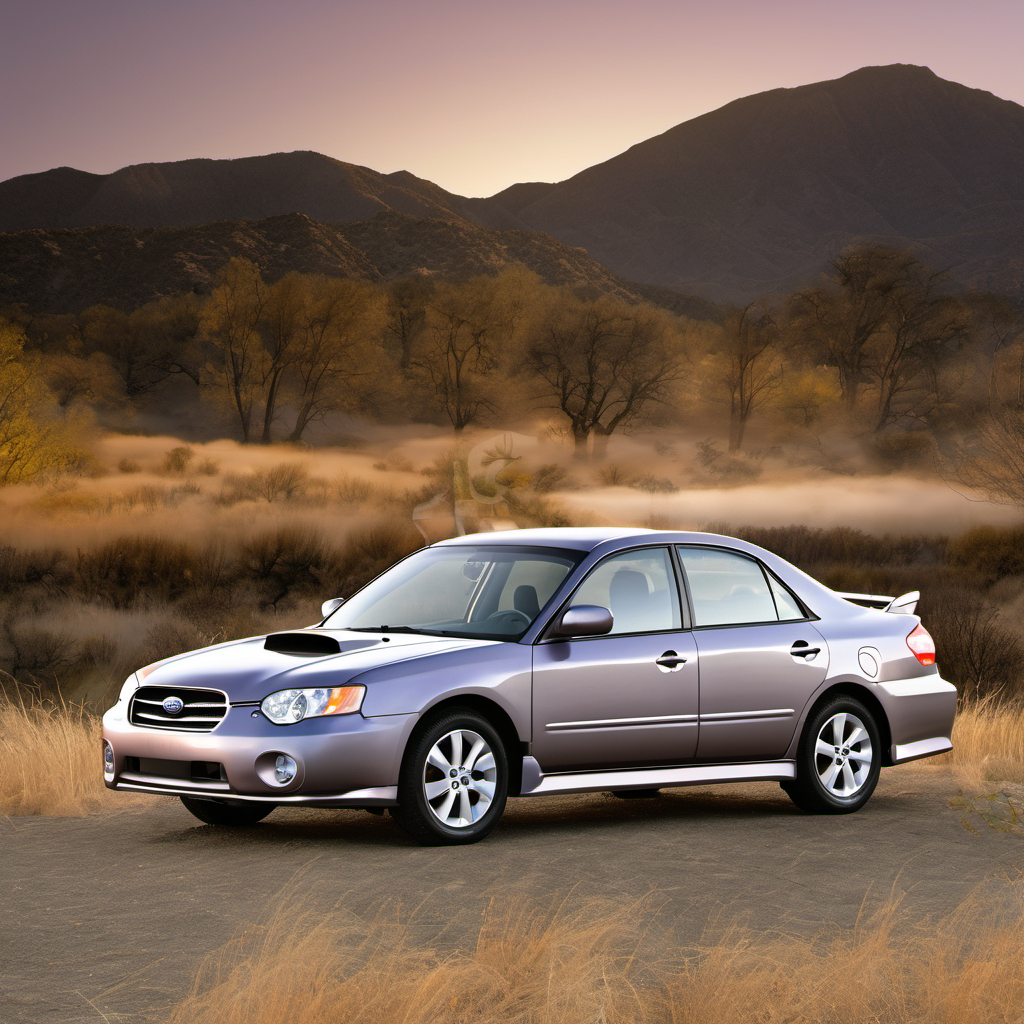
2005 Subaru
2.5L H4 (Boxer) · Sedan
The 2005 Subaru Legacy sedan is the fourth-generation Legacy, a midsize family car that stood out from the crowd with standard symmetrical all-wheel drive across every trim — a genuine differentiator in its class. It's powered by Subaru's signature horizontally opposed ('boxer') four-cylinder, with an available turbocharged four in the Legacy GT trim. Ride quality is composed, the cabin is practical, and the AWD system inspires real confidence on Wisconsin winter roads. The 2005 model year was part of a freshened generation that brought a more polished interior and improved NVH over its predecessors. It's a sensible choice for buyers who want AWD without the bulk or fuel penalty of an SUV. That said, Subaru's EJ-series boxer engines of this era carry a well-documented head gasket weakness that every prospective owner must take seriously. As a 20-year-old vehicle, a well-maintained example can still cover daily miles reliably, but deferred maintenance — especially cooling system and gasket work — can turn an affordable used buy into an expensive project. Know what you're buying before you commit.
The 2005 Subaru Legacy sedan is the fourth-generation Legacy, a midsize family car that stood out from the crowd with standard symmetrical all-wheel drive across every trim — a genuine differentiator in its class. It's powered by Subaru's signature horizontally opposed ('boxer') four-cylinder, with an available turbocharged four in the Legacy GT trim. Ride quality is composed, the cabin is practical, and the AWD system inspires real confidence on Wisconsin winter roads. The 2005 model year was part of a freshened generation that brought a more polished interior and improved NVH over its predecessors. It's a sensible choice for buyers who want AWD without the bulk or fuel penalty of an SUV. That said, Subaru's EJ-series boxer engines of this era carry a well-documented head gasket weakness that every prospective owner must take seriously. As a 20-year-old vehicle, a well-maintained example can still cover daily miles reliably, but deferred maintenance — especially cooling system and gasket work — can turn an affordable used buy into an expensive project. Know what you're buying before you commit.
The EJ25 is sensitive to oil quality and level. Extended intervals accelerate sludge buildup that can clog oil control valve (OCV) solenoids and starve the head gaskets. Check the level every other fill-up.
Cooling system health is directly tied to head gasket longevity on this engine. Use only Subaru Super Coolant (or a compatible silicate-free formula). Inspect the thermostat — a sluggish thermostat causes overheating that accelerates gasket failure.
Early detection of external seepage (look for oil or coolant residue at the block/head seam) prevents an external leak from becoming an internal one. A pressure test is inexpensive; catching it early can save $1,000+.
Subaru's 4EAT automatic benefits from more frequent fluid changes than the owner's manual suggests, especially on used vehicles with unknown history. Fresh fluid extends clutch pack life significantly.
Worn differential fluid leads to AWD bind, clutch pack wear, and vibration under load. On a 2005 with unknown service history, change it immediately.
Worn plugs on a boxer engine cause misfires that are harder to diagnose due to the engine layout. Use plugs specified for this engine; incorrect heat range can cause pre-ignition.
Lake Geneva road salt is aggressive on 20-year-old Subarus. Subframe rust is a safety concern and can make otherwise-routine repairs (exhaust, suspension) extremely labor-intensive.
The EJ25 is an interference engine — a broken timing belt destroys the engine. The water pump is driven by the timing belt, so replace it at the same time. If the service history is unknown, do it now.
Always defer to the manufacturer's service manual for warranty-mandated intervals.
A healthy 2005 Legacy is a low-cost daily driver — until it isn't. Routine maintenance runs $600–$1,400/year, but one deferred head gasket job can add $1,400–$2,400 in a single visit. Budget a contingency fund for cooling system and drivetrain work, especially if buying with unknown service history. Overall, a well-documented example is still one of the more affordable AWD sedans to own if you stay proactive.
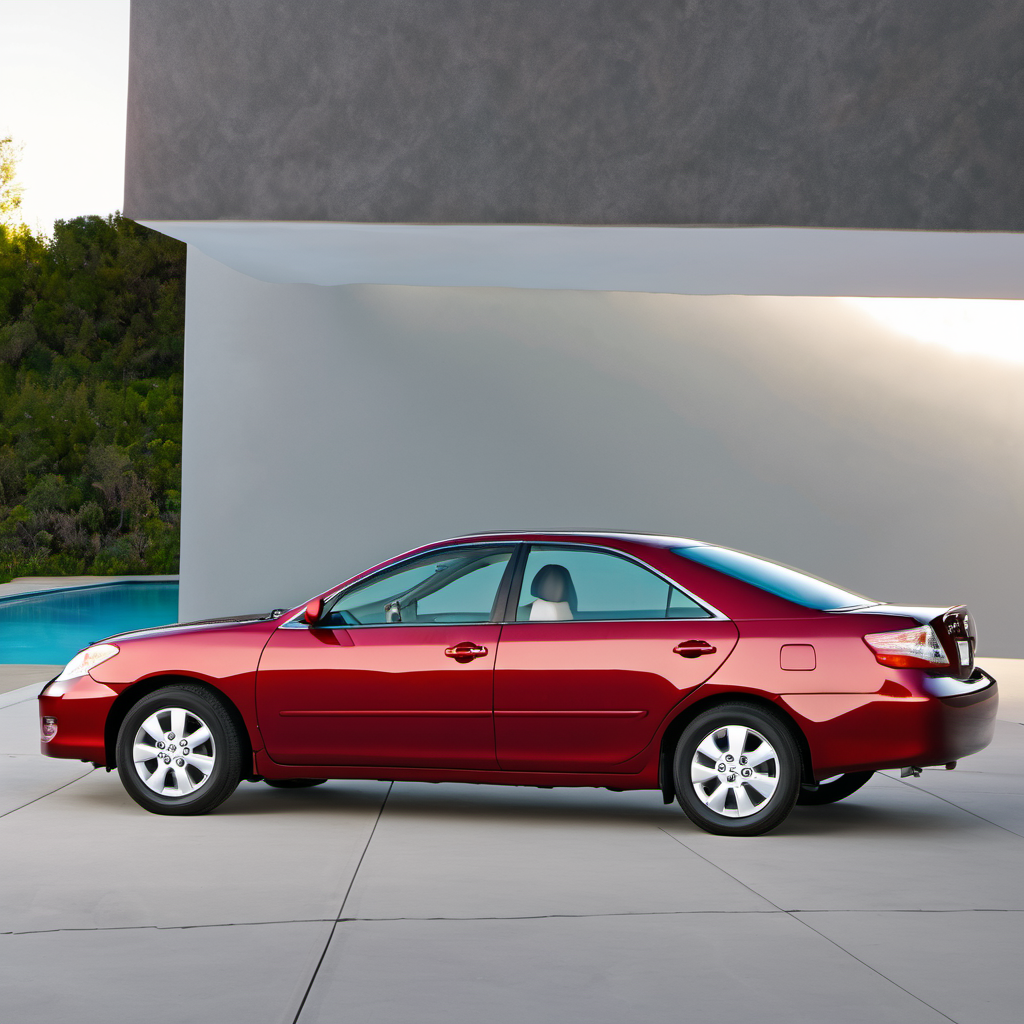
Similar midsize sedan pricing and mission, stronger engine reliability record, but FWD-only — loses the AWD advantage in Wisconsin winters.
Sporty midsize sedan in the same price bracket with a better automatic transmission reputation; also FWD only, though AWD was available on the wagon.
No catalog match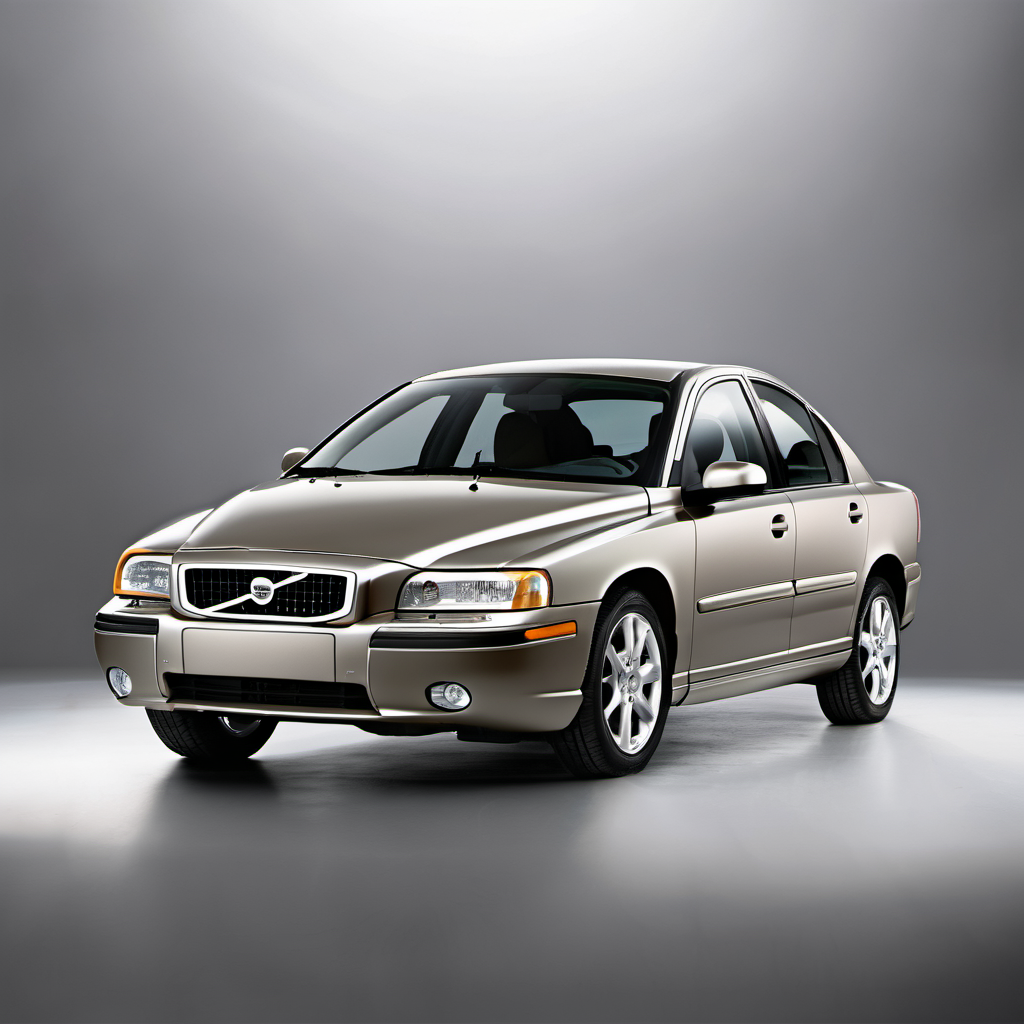
Available AWD, similar family-sedan mission, strong safety record; higher maintenance costs and parts availability is more challenging than the Subaru.
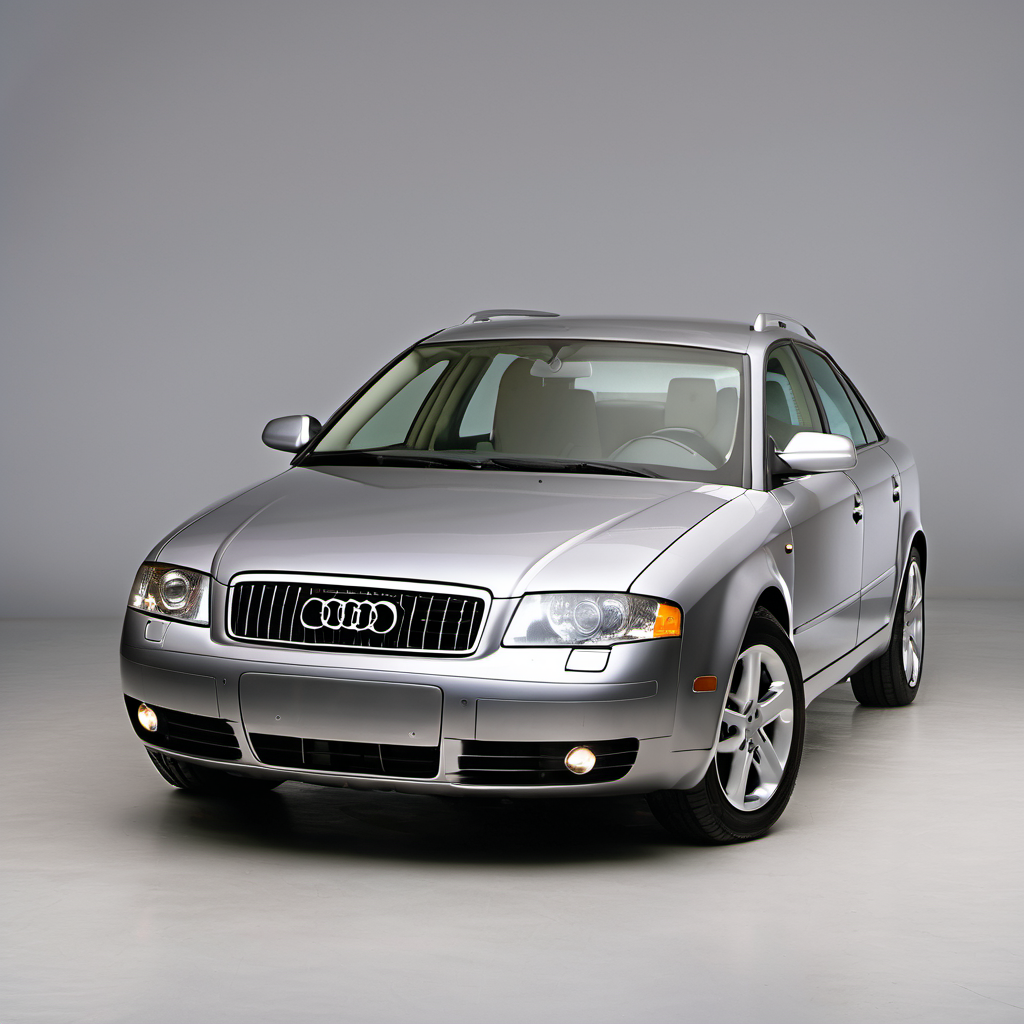
Quattro AWD competes directly with Subaru's AWD appeal; more refined cabin but significantly higher maintenance and repair costs at an independent shop.