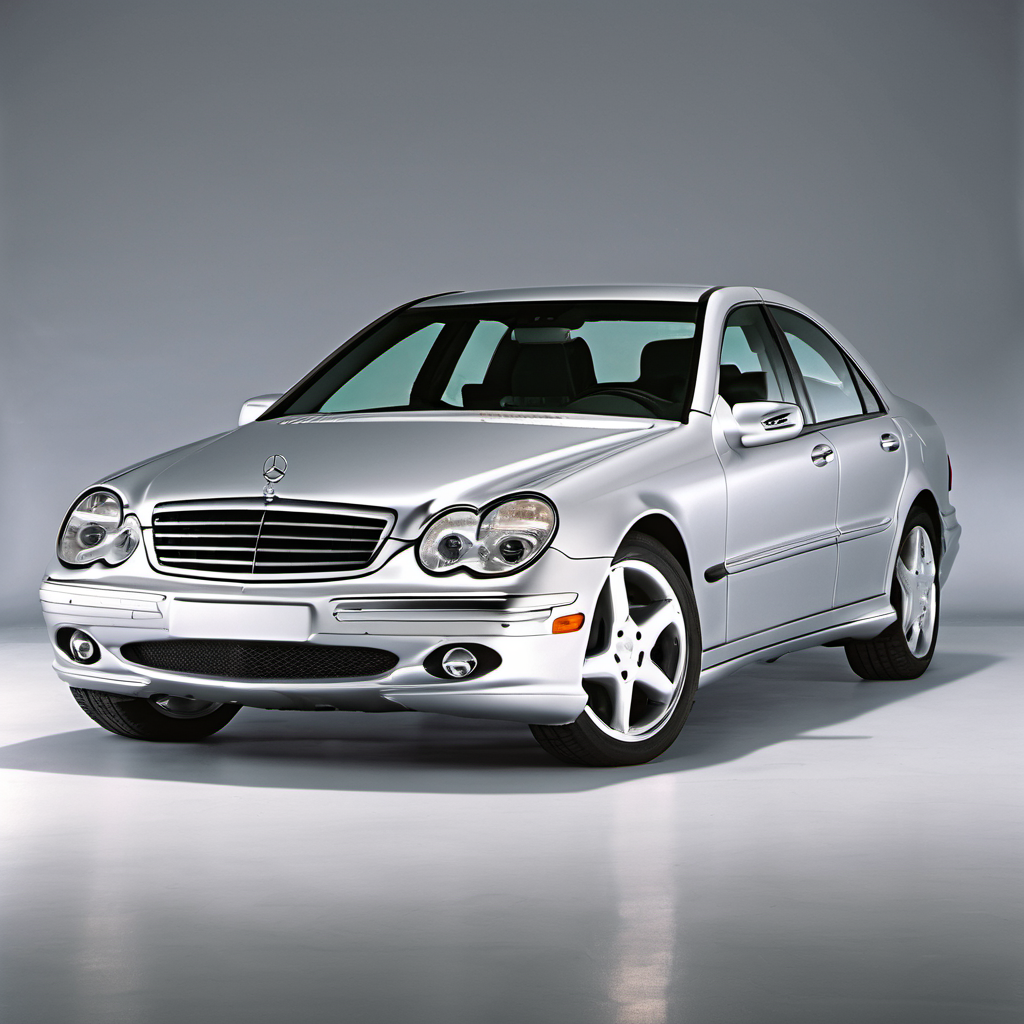
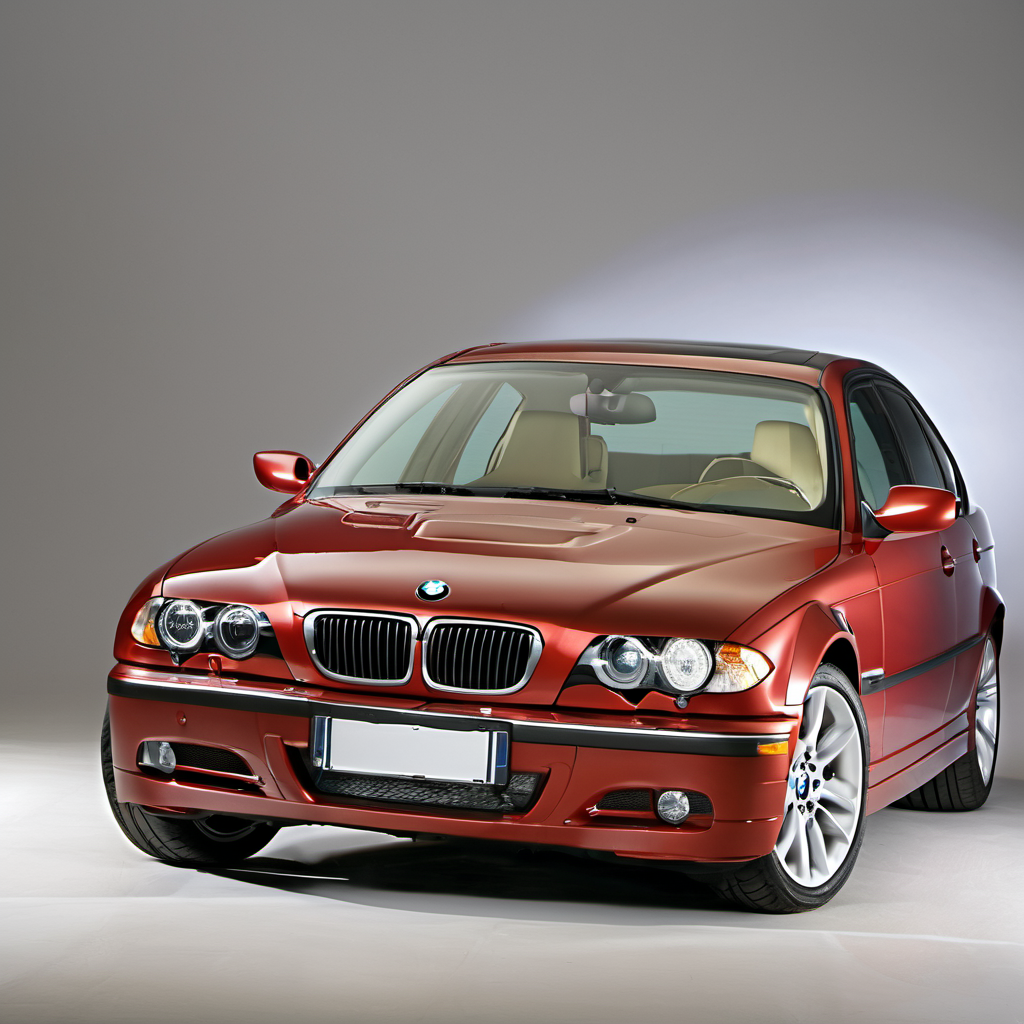
2005 Mercedes-Benz C-Class Sedan

2005 Mercedes-Benz

C-ClassSedan

Sedan

The 2005 Mercedes-Benz C-Class (W203 platform) is a compact rear-wheel-drive luxury sedan that slots at the entry point of the Mercedes lineup. This generation ran from 2001–2007 and carries a reputation for genuine German engineering refinement — composed highway ride, precise steering, and a solid feel that holds up well structurally. The C230 with the supercharged 1.8L four-cylinder was the volume seller in the U.S., offering decent fuel economy for its class without sacrificing the premium feel. At nearly 20 years old, this car now sits squarely in 'experienced ownership' territory. The mechanical bones are sound, but the electronics and rubber components have had two decades to age. Maintenance history is everything on these — a well-kept example can still be a rewarding driver, while a neglected one becomes a money pit fast. For buyers and current owners in the Lake Geneva area, be aware that Wisconsin road salt is particularly unkind to the W203's underbody, suspension components, and brake hardware. Budget accordingly and inspect the undercarriage closely.

Reliability
2/5
Verified data
Specs shown for C230 Kompressor — the most common configuration. Other trims may vary in engine, drivetrain, or fuel economy. Sign in to see your vehicle's exact specs.
Engine
[object Object]
Drivetrain
RWD
Fuel
Premium gasoline
MPG
21 city / 29 hwy / 24 combined
Seats
Doors
Body
Compact Cars

Overview

AI-curated

The 2005 Mercedes-Benz C-Class (W203 platform) is a compact rear-wheel-drive luxury sedan that slots at the entry point of the Mercedes lineup. This generation ran from 2001–2007 and carries a reputation for genuine German engineering refinement — composed highway ride, precise steering, and a solid feel that holds up well structurally. The C230 with the supercharged 1.8L four-cylinder was the volume seller in the U.S., offering decent fuel economy for its class without sacrificing the premium feel. At nearly 20 years old, this car now sits squarely in 'experienced ownership' territory. The mechanical bones are sound, but the electronics and rubber components have had two decades to age. Maintenance history is everything on these — a well-kept example can still be a rewarding driver, while a neglected one becomes a money pit fast. For buyers and current owners in the Lake Geneva area, be aware that Wisconsin road salt is particularly unkind to the W203's underbody, suspension components, and brake hardware. Budget accordingly and inspect the undercarriage closely.

Known for
  • Solid, composed rear-wheel-drive handling
  • Supercharged 1.8L four-cylinder with smooth power delivery
  • Premium interior quality for its class and era
  • Aging complex electronics that can become expensive
Best for
  • Drivers who want a used luxury sedan with sporting manners
  • Someone with a trusted Mercedes-capable independent shop nearby
  • Highway commuters who can take advantage of its 29 mpg highway rating
Watch for
  • Deferred maintenance — this car gets expensive when neglected
  • SBC (Sensotronic Brake Control) system failures, which are costly and safety-critical
  • Rust and corrosion on suspension and underbody from road salt exposure
  • Aging wiring harnesses and electronic control module issues on high-mileage examples

Common issues by mileage

6 known

Supercharger Belt and Tensioner Wear

medium
Typically appears
80–130k mi
Estimated repair
$300 – $700

Plastic Coolant System Component Failure (thermostat housing, expansion tank, hose ends)

high
Typically appears
70–120k mi
Estimated repair
$250 – $800

Camshaft Position / VVT Solenoid Faults

medium
Typically appears
80–150k mi
Estimated repair
$200 – $600

Oxygen Sensor Heater Circuit Failure

medium
Typically appears
80–140k mi
Estimated repair
$150 – $450

Maintenance schedule

  1. 1
    Every 7,500 mi or 1 year (do not extend to MB's factory 10k interval on a used car this age) Engine oil and filter change — use 5W-40 full synthetic, MB 229.3 or 229.5 spec

    Sludge buildup accelerates supercharger and VVT component wear. Fresh oil is the single cheapest way to extend this engine's life.

  2. 2
    Every 2 years or 30k mi; inspect plastic components annually Coolant system inspection and flush

    The plastic thermostat housing, expansion tank, and hose fittings are known to crack and leak on aging W203s. Catching a seep early prevents overheating and head gasket damage.

  3. 3
    Every 2 years regardless of mileage Brake fluid flush

    The SBC system is hydraulic and highly sensitive to moisture-contaminated fluid. Fresh fluid helps protect the expensive SBC pump and accumulator.

  4. 4
    Every 40k mi Spark plug replacement — use OEM-spec plugs only

    The supercharged engine is harder on plugs than a naturally aspirated motor. Worn plugs cause misfires and add stress to the ignition coils.

  5. 5
    Every 40k mi or at any sign of squealing Supercharger belt and accessory belt inspection

    Belt failure on this engine is not just an inconvenience — it can leave you stranded and may damage the supercharger nose.

  6. 6
    Every 40–50k mi Transmission fluid change (automatic)

    Mercedes specifies this as a 'lifetime' fill, but on a 20-year-old vehicle that fluid is long past useful life. Fresh fluid is cheap insurance on a transmission that's expensive to replace.

  7. 7
    Every spring and after each heavy salt event in winter Underbody wash and inspection

    Road salt in Wisconsin aggressively attacks the W203's suspension arms, brake lines, and subframe. Catching rust early is far cheaper than replacing corroded hardware.

  8. 8
    Every fall before winter Battery load test

    The W203's electronics are voltage-sensitive. A weak battery in sub-zero temps can trigger a cascade of module faults and SBC warnings that disappear once the battery is replaced.

Always defer to the manufacturer's service manual for warranty-mandated intervals.

Cost of ownership

Annual maintenance
$1,200 – $3,500
Fuel
Premium fuel required. At current Wisconsin pump prices (~$4.00/gal premium) and 12,000 miles/year at 24 mpg combined, expect roughly $2,000/year in fuel costs.
Insurance
Moderate — typically $1,100–$1,600/year for a driver with a clean record in the Lake Geneva area, though parts costs can push comprehensive rates slightly higher than average for this segment.

This car is inexpensive to buy but not inexpensive to own. Annual maintenance on a well-kept example runs $1,200–$1,800; a car with deferred work or an SBC system in decline can easily push $3,000–$3,500 in a single year. Budget a repair reserve — do not buy this car if you plan to handle only oil changes and hope for the best.
Seasonal care

Lake Geneva, WI
Winter
  • Load-test the battery every October — the SBC system and other modules are particularly prone to fault codes when voltage drops under cold-crank load
  • Switch to a full synthetic 5W-40 if not already running it; cold starts are easier and the supercharger oiling circuit benefits from fast warm oil flow
  • Flush and refill washer fluid reservoir with a rated -30°F or colder formula — the underhood reservoir is vulnerable to freeze cracking
  • Inspect and treat rubber door seals with silicone before freeze season to prevent freezing shut
  • Rinse the undercarriage thoroughly after each heavy salt event — brake lines, suspension arms, and wheel speed sensor wiring are all salt corrosion targets on this car
  • Keep winter-rated tires on dedicated steel wheels; the RWD layout and modest 189 hp make snow/ice behavior notably worse on all-seasons
Summer
  • Check coolant level and inspect plastic coolant components monthly — heat accelerates cracking in the thermostat housing and expansion tank
  • Verify A/C compressor clutch engagement and refrigerant charge; the system uses R-134a and low charge is common on cars this age
  • Check tire pressure at cold inflation every 2–3 weeks — summer heat increases pressure and over-inflation accelerates center-tread wear on these low-profile tires
  • Inspect the supercharger belt for cracking and glazing; heat cycles harden the rubber and shorten belt life
  • Park in shade or use a sunshade to reduce heat soak in the cabin — the W203's electronic modules are sensitive to sustained high underdash temps

Comparable vehicles

If you're shopping for one

Red flags
  • SBC warning light on or spongy/hard brake pedal — system repair can exceed the car's market value
  • No service records — this car requires documented oil changes; a mystery history almost guarantees deferred maintenance costs
  • Overheating history or milky oil — the plastic coolant system fails quietly and head gasket repairs are expensive
  • Rust on the rear subframe or brake line corrosion — structural rust is a write-off on a car at this price point
  • Multiple U-code module faults on scan — indicates aging wiring harness or ground issues that are labor-intensive to chase down
  • Recent turbocharger bypass valve codes (P0033–P0035) without documentation of repair — the 1.8L supercharged variant shouldn't normally throw these, which may indicate VIN/engine mismatch in the record
What to inspect
  • Request a pre-purchase inspection from a shop with Mercedes scan tool capability (generic OBD-II readers miss most W203 module faults)
  • Specifically test the SBC brake system — a hard pedal feel or SBC warning light is a dealbreaker without a significant price reduction
  • Check the coolant expansion tank for cracks and the coolant color — brown or rusty coolant indicates neglected flushes and likely plastic component damage
  • Inspect the underbody for rust on brake lines, rear subframe, and suspension arms — critical on any Wisconsin car
  • Look for oil leaks at the valve cover gasket and around the supercharger — common on this mileage
  • Verify all four window regulators work; the W203 has a well-documented window regulator failure pattern
  • Pull codes from all modules (not just powertrain) before purchase — U-codes indicating module communication faults can signal expensive electrical issues
AI profile generated 3 days ago · claude-sonnet-4-6 · v2.