Automatic Transmission (A650E) Failure or Harsh Shifting
high- Typically appears
- 80–150k mi
- Estimated repair
- $1,800 – $4,500
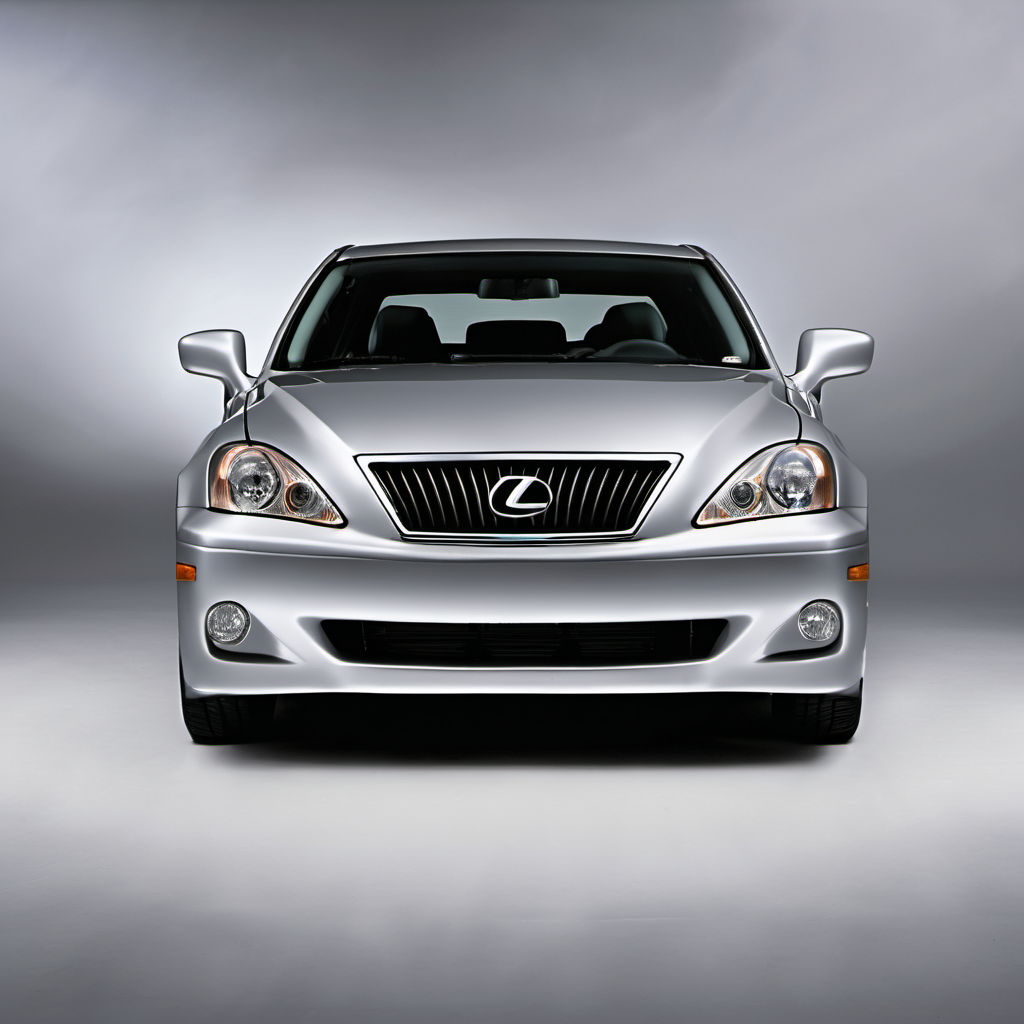
2005 Lexus
Sedan
The 2005 Lexus IS 300 is the second-generation IS in name but carries over the first-generation (XE10) platform introduced in 2001. It's a compact rear-wheel-drive sport sedan built around a 2JZ-GE inline-six — one of Toyota's most celebrated engines — wrapped in a premium Lexus interior. It slots squarely into the entry-luxury sport sedan segment, competing with the BMW 3 Series, Infiniti G35, and Cadillac CTS. This generation earned a strong following for its driving dynamics, rock-solid engine, and understated styling. The 2JZ-GE is naturally aspirated (not the turbocharged 2JZ-GTE of Supra fame, but sharing the same architecture) and is known for extreme durability with proper maintenance. The transmission story is less rosy — the automatic is the weak link, and the manual was dropped in the US after 2003. By 2005, these cars are well into their ownership lifecycle and now commonly found with high mileage. Rust and deferred maintenance are the real concerns at this age, not engine longevity. A well-kept example can realistically run another 100k miles without drama.
The 2005 Lexus IS 300 is the second-generation IS in name but carries over the first-generation (XE10) platform introduced in 2001. It's a compact rear-wheel-drive sport sedan built around a 2JZ-GE inline-six — one of Toyota's most celebrated engines — wrapped in a premium Lexus interior. It slots squarely into the entry-luxury sport sedan segment, competing with the BMW 3 Series, Infiniti G35, and Cadillac CTS. This generation earned a strong following for its driving dynamics, rock-solid engine, and understated styling. The 2JZ-GE is naturally aspirated (not the turbocharged 2JZ-GTE of Supra fame, but sharing the same architecture) and is known for extreme durability with proper maintenance. The transmission story is less rosy — the automatic is the weak link, and the manual was dropped in the US after 2003. By 2005, these cars are well into their ownership lifecycle and now commonly found with high mileage. Rust and deferred maintenance are the real concerns at this age, not engine longevity. A well-kept example can realistically run another 100k miles without drama.
The 2JZ-GE's VVT-i system is extremely sensitive to oil cleanliness. Sludge buildup from extended intervals is the #1 cause of camshaft timing codes and early VVT-i failure. Don't stretch this interval.
Toyota's 'lifetime' fluid claim does not hold up in real-world use. The A650E is already the weak link on this car; fresh fluid extends its life considerably. Use Toyota Type T-IV or equivalent.
Aging coolant turns acidic and attacks aluminum components and hoses. Use Toyota Super Long Life Coolant or equivalent pink OAT formula.
The 2JZ-GE uses iridium plugs from the factory. At this mileage interval, worn plugs cause rough idle and reduced fuel economy.
Hygroscopic brake fluid absorbs moisture over time, lowering the boiling point and accelerating brake line corrosion — already a concern in Wisconsin's salt environment.
Seized calipers are common on older cars in salt-belt states and cause uneven pad wear and rotor damage.
Wisconsin road salt accelerates rust on steel brake and fuel lines. Catch developing rust early; a failed brake line is a safety emergency and costs much more if the subframe is also affected.
A snapped belt leaves you stranded and can damage other accessories. Rubber degrades with age regardless of miles.
Always defer to the manufacturer's service manual for warranty-mandated intervals.
Day-to-day maintenance costs are moderate for a 20-year-old Lexus. Parts are reasonably available and many Toyota-trained independent shops can work on it. The big cost risks are a transmission rebuild, rust remediation, or suspension overhaul — any of which can push a single-year cost well past $3,000. Budget accordingly when buying a high-mileage example.
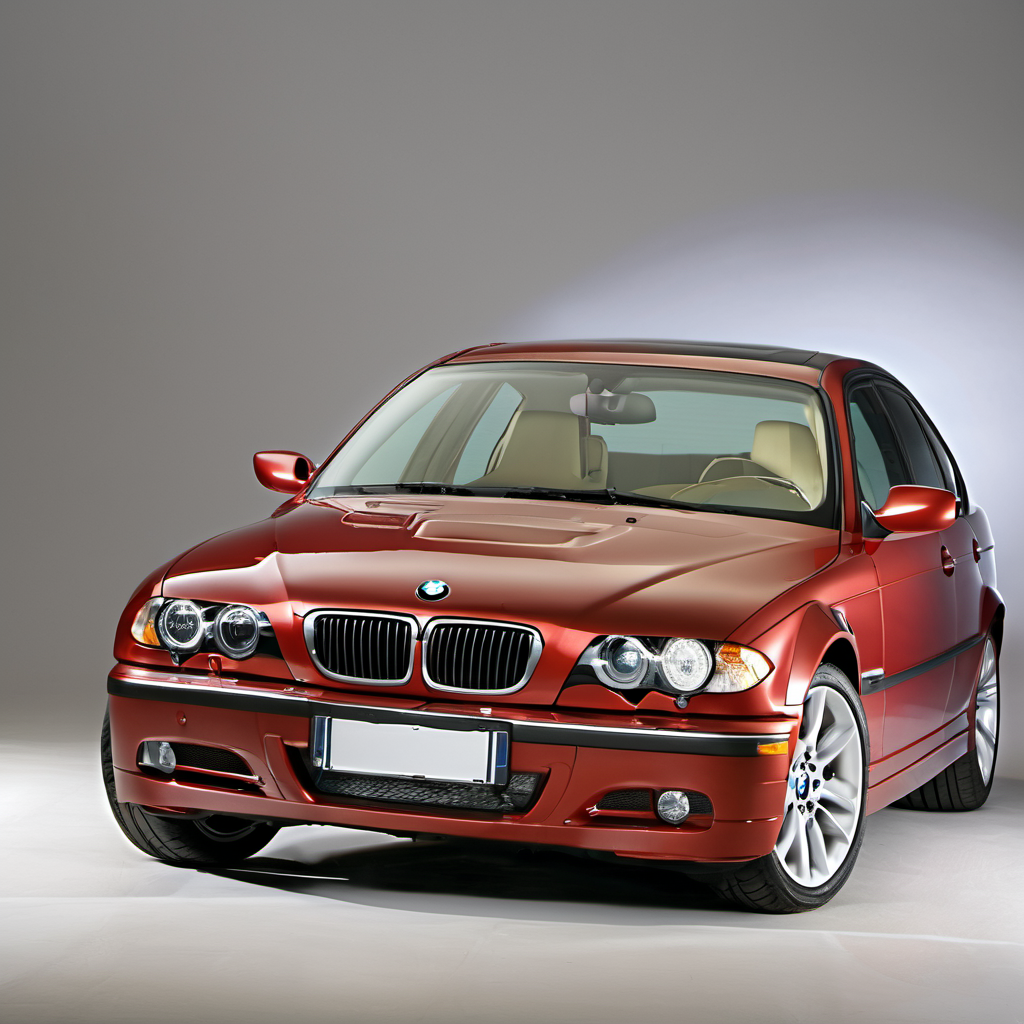
The E46/E90 3 Series is the direct benchmark competitor — similar RWD sport sedan mission, comparable pricing used, but higher maintenance costs and more complex electronics
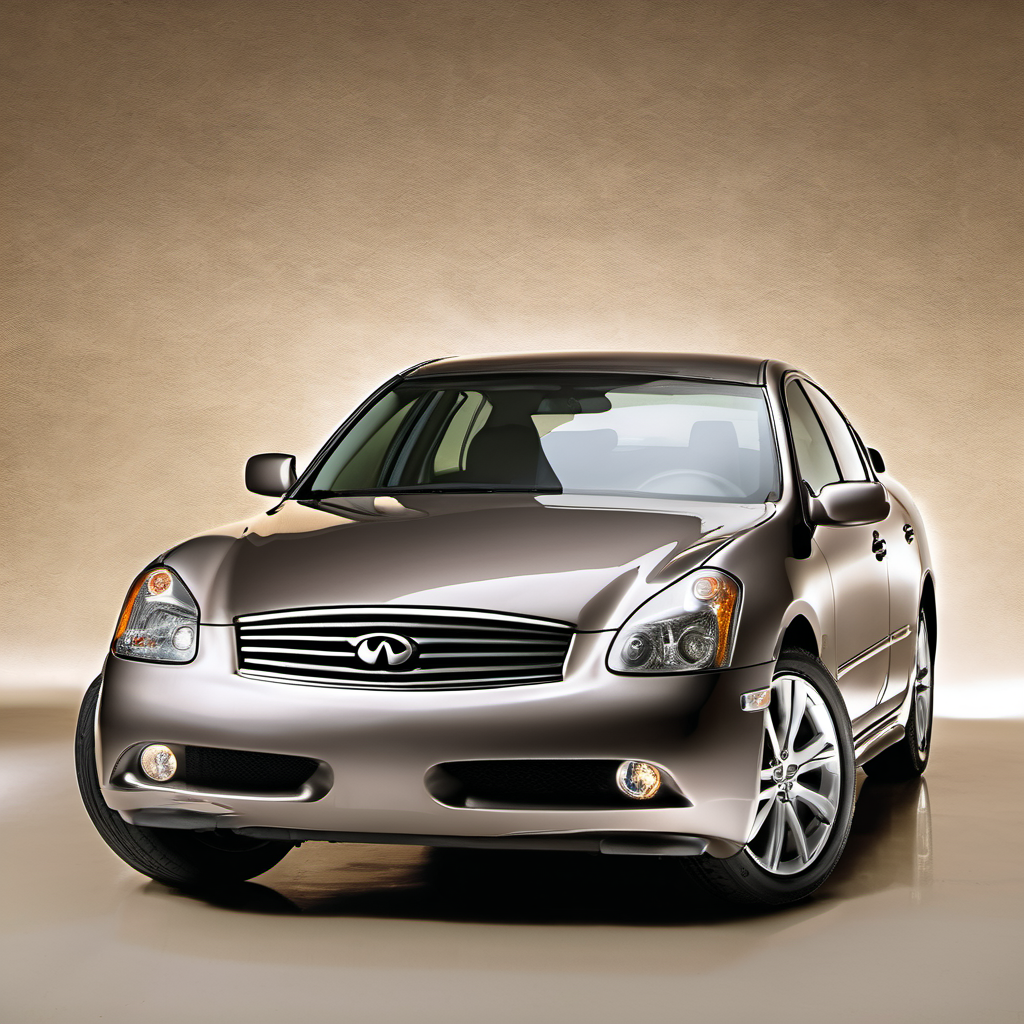
Also a RWD inline-six sport sedan (VQ35DE) in the same segment; slightly more power, similarly strong engine reputation, comparable used pricing
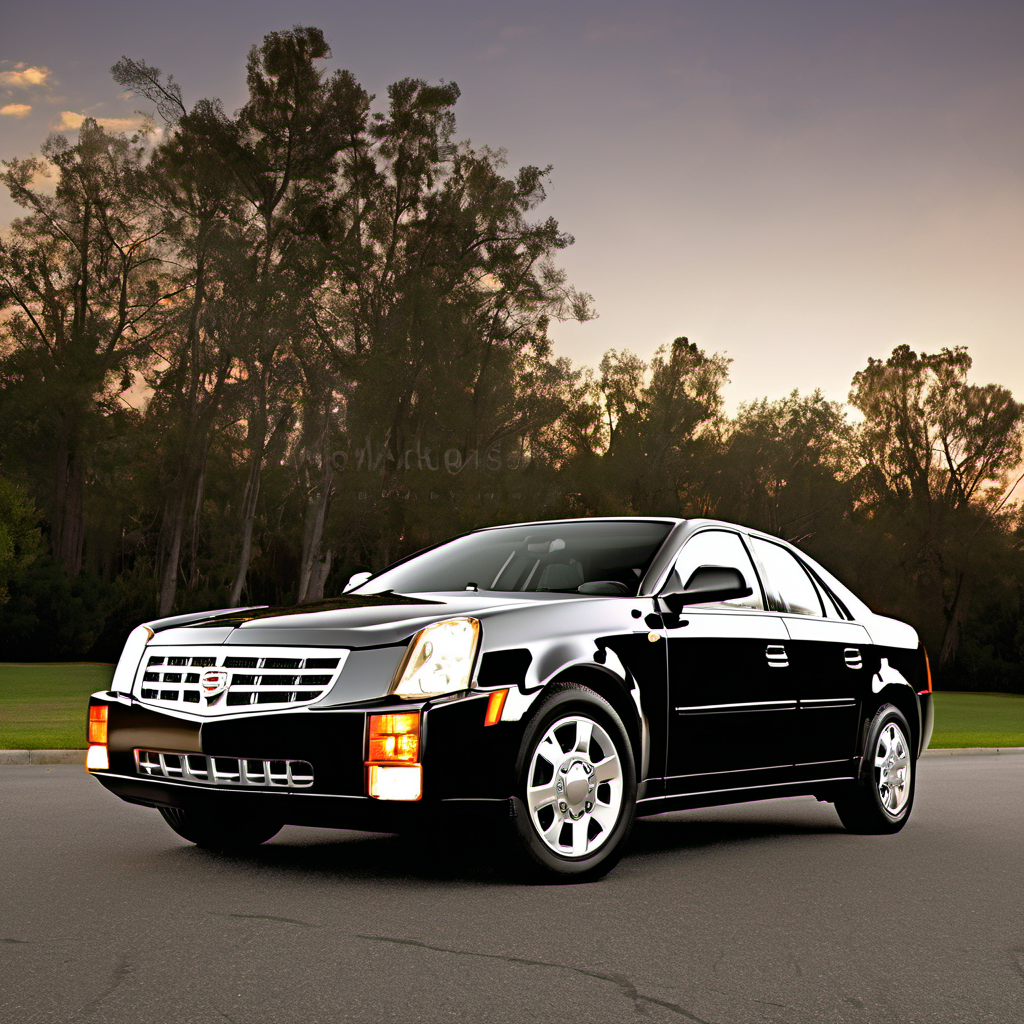
American luxury RWD sport sedan at a similar used price point; more interior space but less refined drivetrain than the IS 300
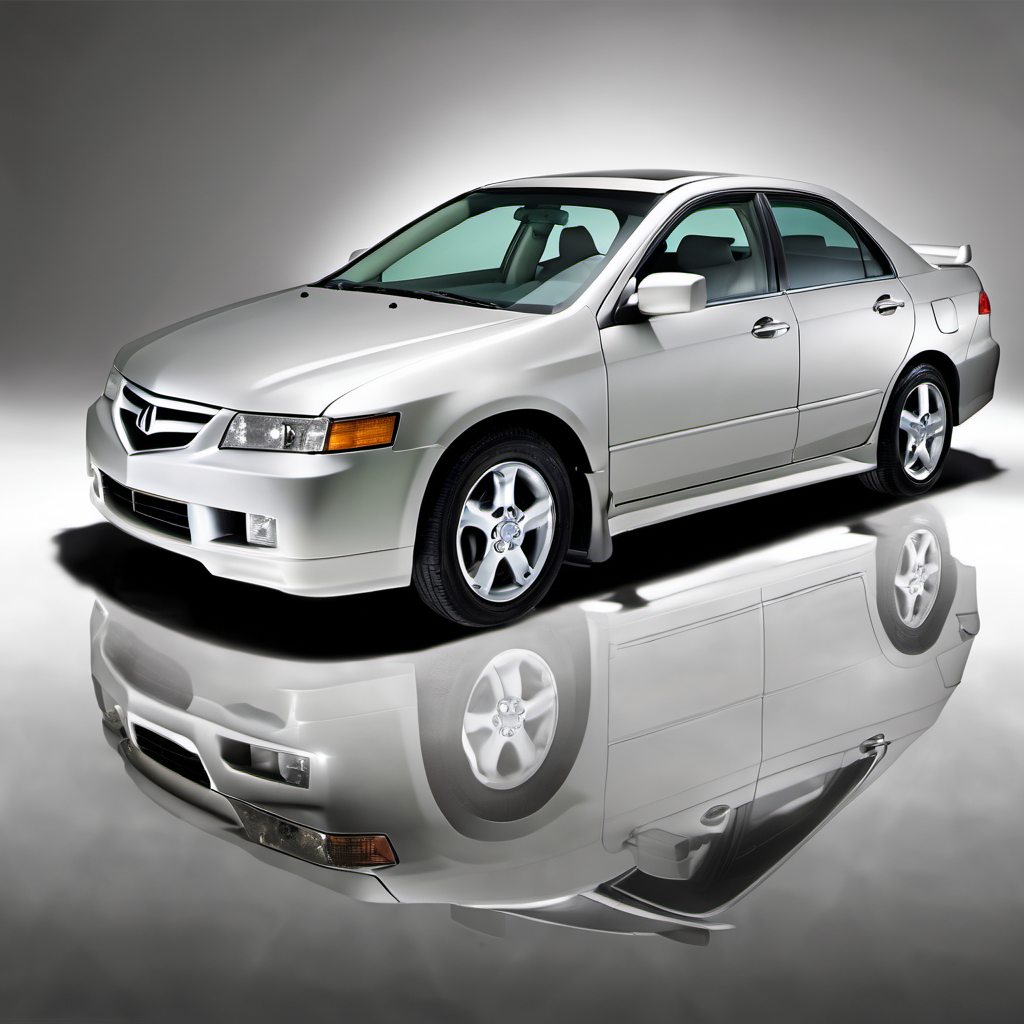
Similar entry-luxury sport sedan segment and era; FWD versus RWD, Honda reliability, lower running costs, but lacks the IS 300's driving dynamics