Lower Intake Manifold Gasket Failure
high- Typically appears
- 60–130k mi
- Estimated repair
- $400 – $750
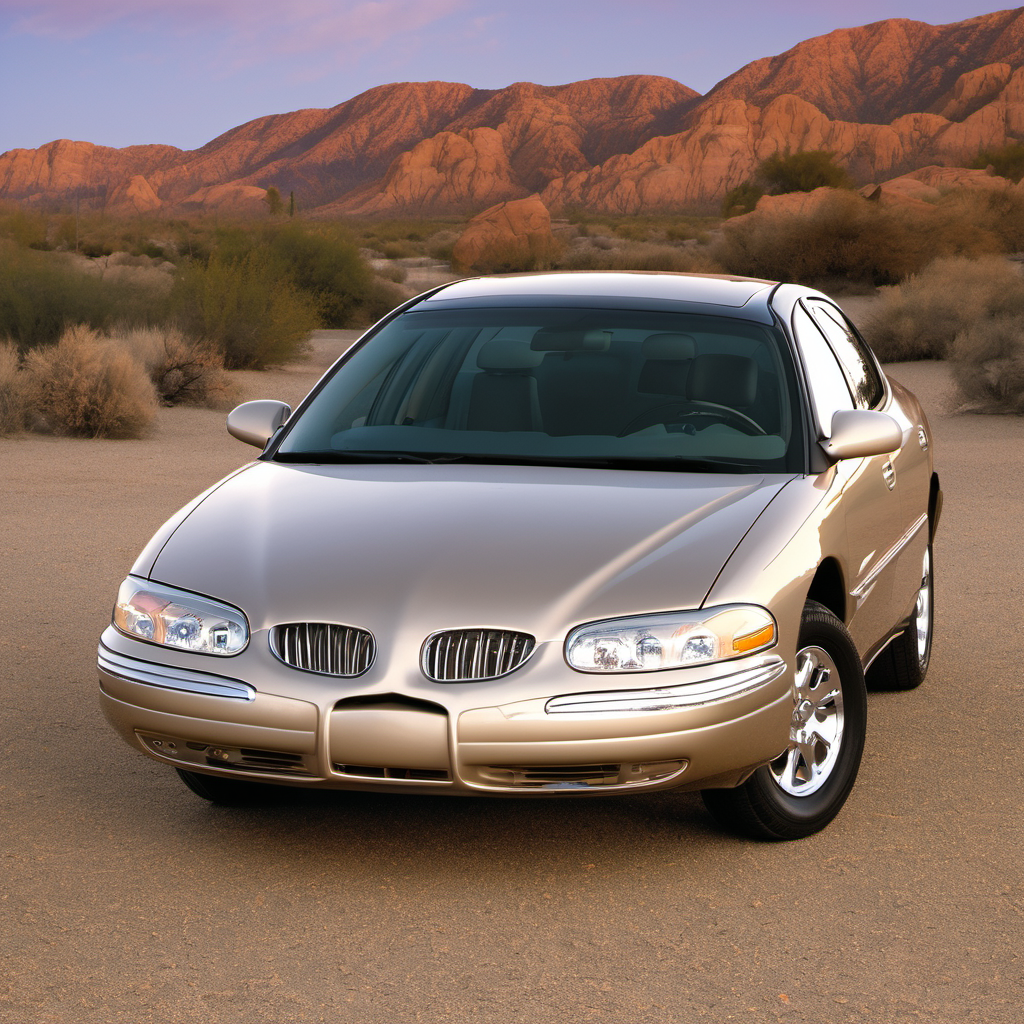
2003 Pontiac
Sedan
The 2003 Pontiac Bonneville is a full-size front-wheel-drive sedan built on GM's G-body platform, sharing its bones with the Buick LeSabre and Park Avenue. It was sold in SE and SLE trims with the naturally aspirated 3800 Series II V6, and in the top-shelf SSEi trim with the supercharged version of the same engine making 240 hp. By this generation, the Bonneville had evolved into a comfortable, highway-oriented cruiser with genuinely impressive refinement for its price class. The 3800 Series II (3.8L V6) is one of GM's most celebrated engines — known for durability, parts availability, and straightforward maintenance. The transmission is the 4T65-E four-speed automatic, which is robust but does have known wear points at higher mileage. At 20+ years old, most surviving Bonnevilles have significant miles, and the condition of the cooling system, intake manifold gaskets, and transmission are the primary variables that separate a good buy from a money pit. For a Lake Geneva driver, the Bonneville offers a quiet, comfortable ride on winter roads, a large trunk, and a proven powertrain. Parts are plentiful and cheap. The downside is age: rubber seals, HVAC components, and plastic trim pieces are all well past their service life on most examples, and rust is a serious concern on cars that spent their lives in the Midwest salt belt.
The 2003 Pontiac Bonneville is a full-size front-wheel-drive sedan built on GM's G-body platform, sharing its bones with the Buick LeSabre and Park Avenue. It was sold in SE and SLE trims with the naturally aspirated 3800 Series II V6, and in the top-shelf SSEi trim with the supercharged version of the same engine making 240 hp. By this generation, the Bonneville had evolved into a comfortable, highway-oriented cruiser with genuinely impressive refinement for its price class. The 3800 Series II (3.8L V6) is one of GM's most celebrated engines — known for durability, parts availability, and straightforward maintenance. The transmission is the 4T65-E four-speed automatic, which is robust but does have known wear points at higher mileage. At 20+ years old, most surviving Bonnevilles have significant miles, and the condition of the cooling system, intake manifold gaskets, and transmission are the primary variables that separate a good buy from a money pit. For a Lake Geneva driver, the Bonneville offers a quiet, comfortable ride on winter roads, a large trunk, and a proven powertrain. Parts are plentiful and cheap. The downside is age: rubber seals, HVAC components, and plastic trim pieces are all well past their service life on most examples, and rust is a serious concern on cars that spent their lives in the Midwest salt belt.
The 3800's Achilles heel is the lower intake manifold gasket, which fails faster when coolant is old and acidic. Inspect plastic coolant elbows and crossover pipes for brittleness and cracks at every service.
GM's 'lifetime fluid' recommendation is not appropriate for a 20-year-old transmission. Fresh Dexron VI and a new filter will extend life significantly and often eliminate early shift complaints.
The 3800 fires reliably with fresh plugs and wires. Worn ignition components cause misfires that are easy to misdiagnose on this engine. AC Delco-spec plugs are the correct gap.
Belt failure on this engine causes immediate loss of power steering, alternator, and water pump. The tensioner spring weakens with age and should be replaced with the belt.
Absorbed moisture in brake fluid lowers the boiling point and accelerates caliper and ABS modulator corrosion — a real issue on Wisconsin roads.
At 20+ years old on a Midwest car, subframe rails, floor pans, and brake lines are all at risk. Catching rust early with a proper undercoat treatment can prevent expensive structural repairs.
Power steering hose connections and the rack seals deteriorate with age. A leak here is inexpensive to fix early and expensive if the rack runs dry.
A battery that passes a surface charge test in October can still fail at -10°F in January. The 3800 starts well in cold, but only with a healthy battery. Replace any battery over 4 years old proactively.
Always defer to the manufacturer's service manual for warranty-mandated intervals.
A well-maintained Bonneville is a genuinely cheap car to own day-to-day — parts are plentiful, labor is straightforward, and the engine is not fussy. The risk is deferred maintenance: one neglected cooling system or a worn-out transmission can generate a repair bill that exceeds the car's market value. Budget for the intake manifold gasket job if it hasn't been done, and inspect the undercarriage honestly before buying or putting more money in.
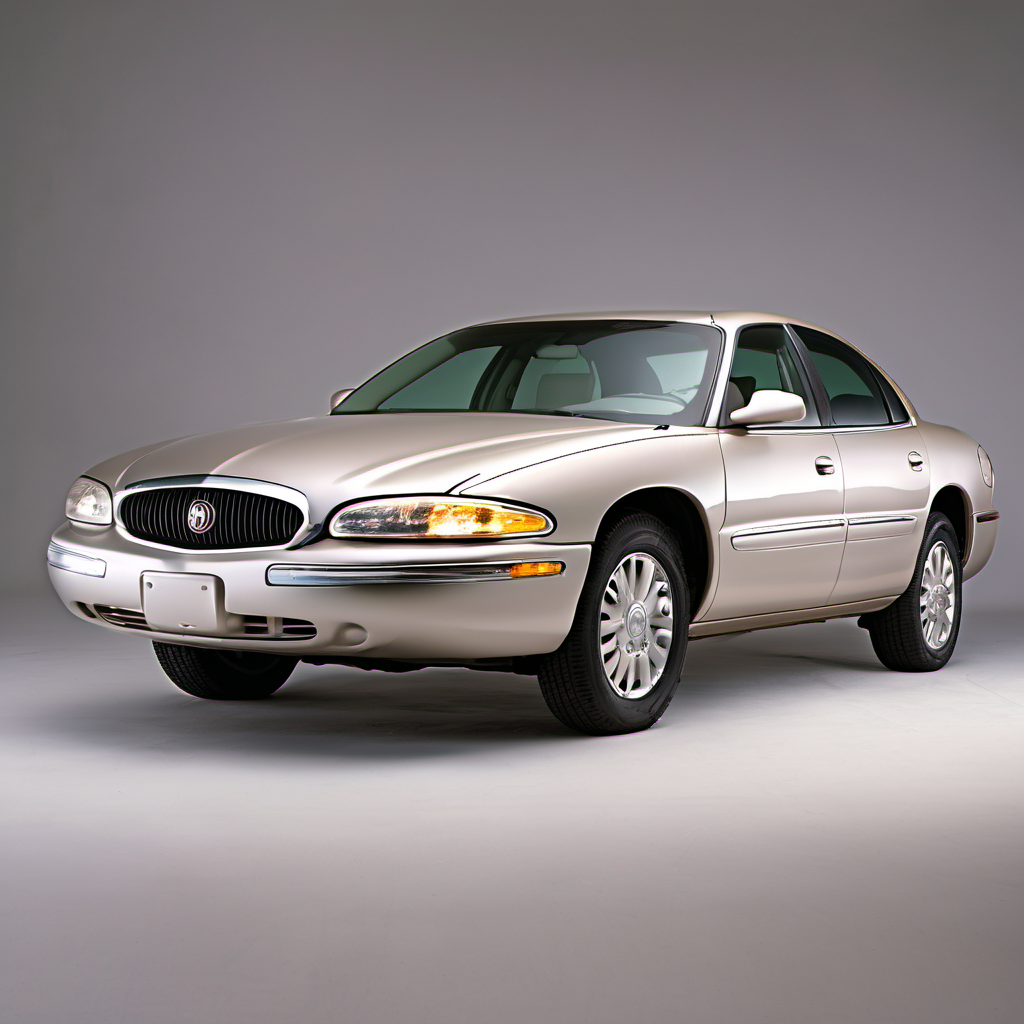
Shares the exact same platform, 3800 engine, and 4T65-E transmission. The LeSabre is often in better condition because its buyers tended to maintain them more carefully. Typically priced similarly and parts are interchangeable.
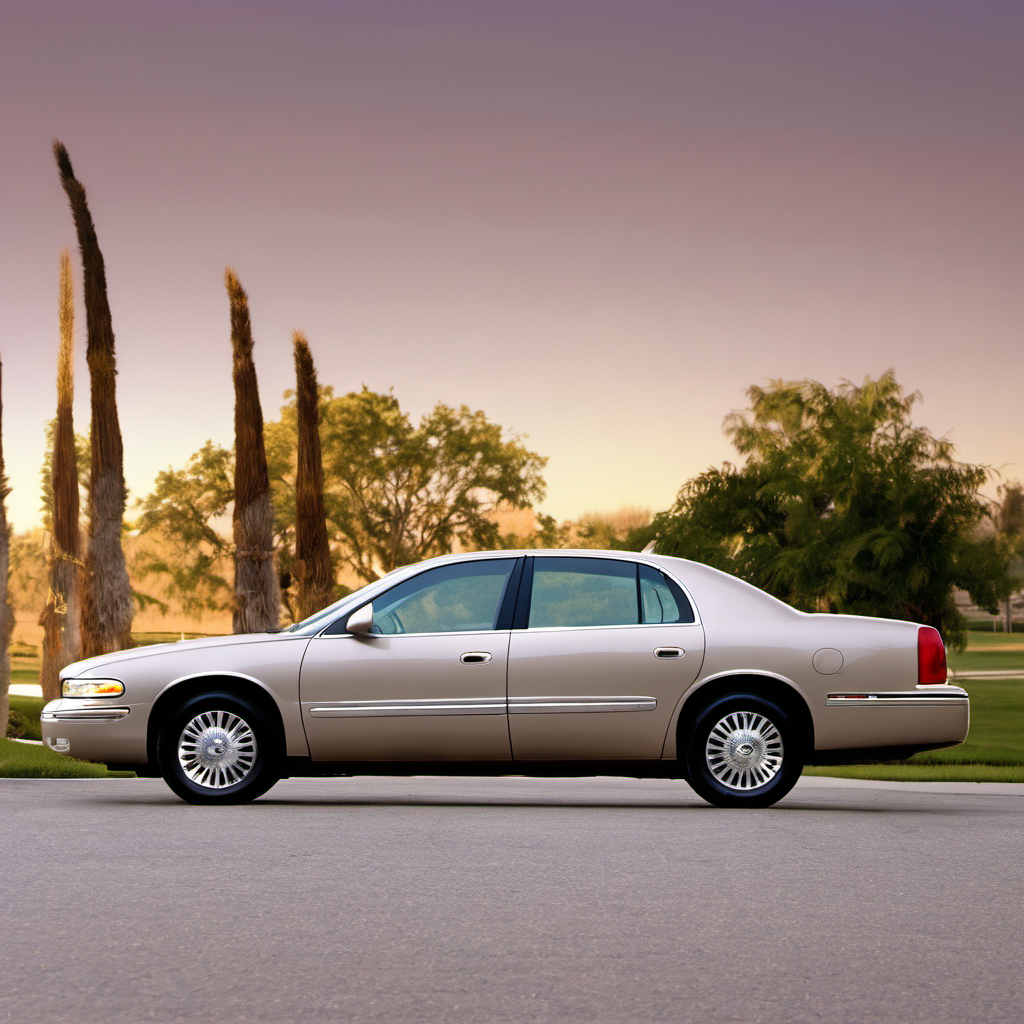
One step up in luxury on the same GM G-body platform. Slightly better build quality and quieter cabin. Same powertrain strengths and weaknesses apply.
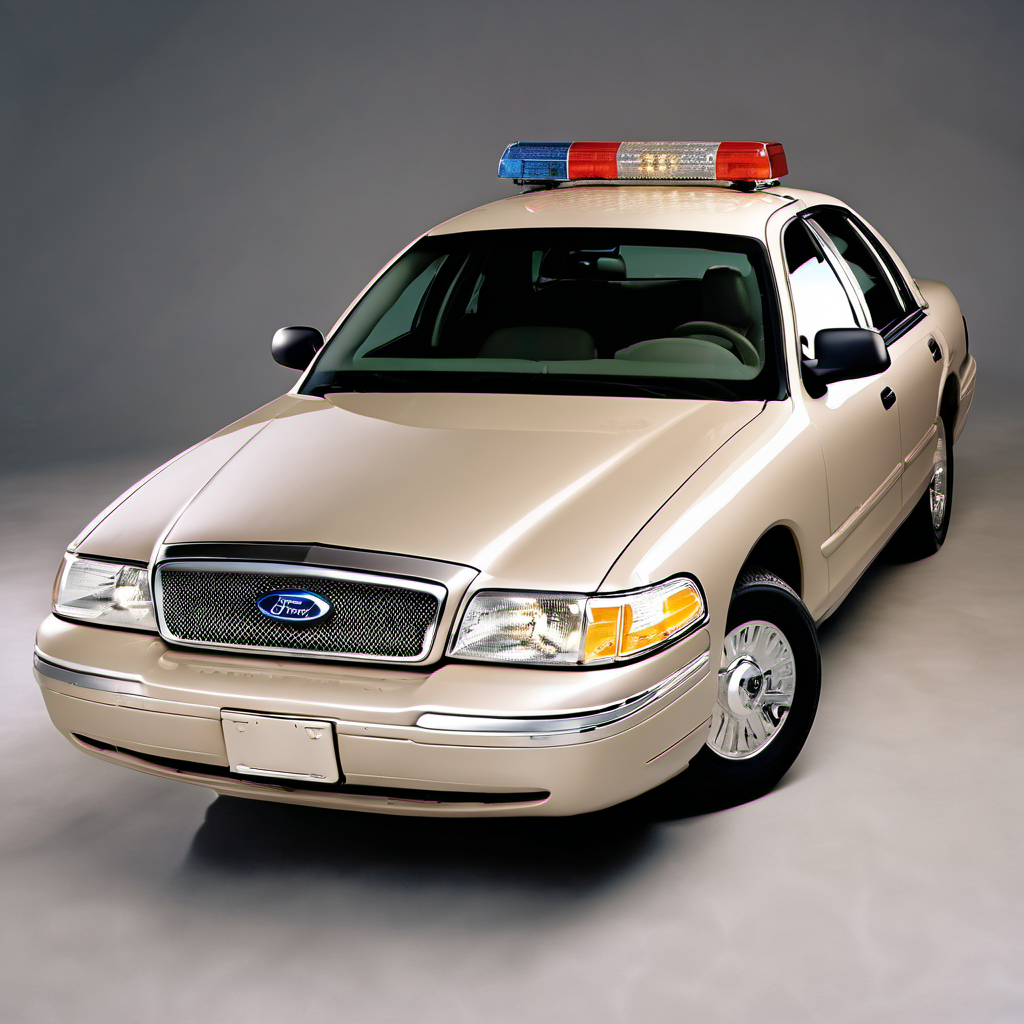
The other dominant full-size American sedan of this era. RWD, simpler mechanically, and famously durable. Fewer comfort features but extremely robust and rust-resistant body-on-frame construction.
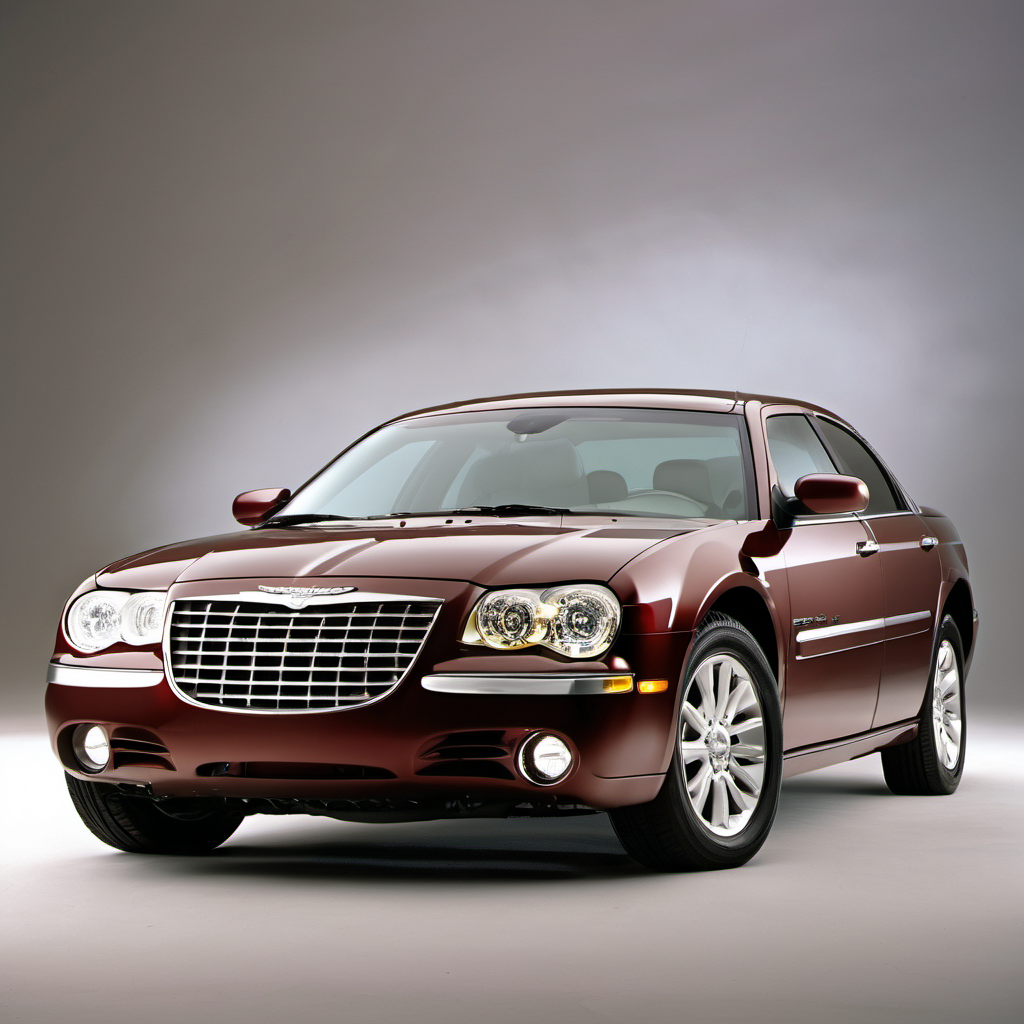
Front-wheel-drive full-size sedan in the same price bracket. More stylish but higher ownership costs and less robust long-term reliability compared to the GM 3800 platform.