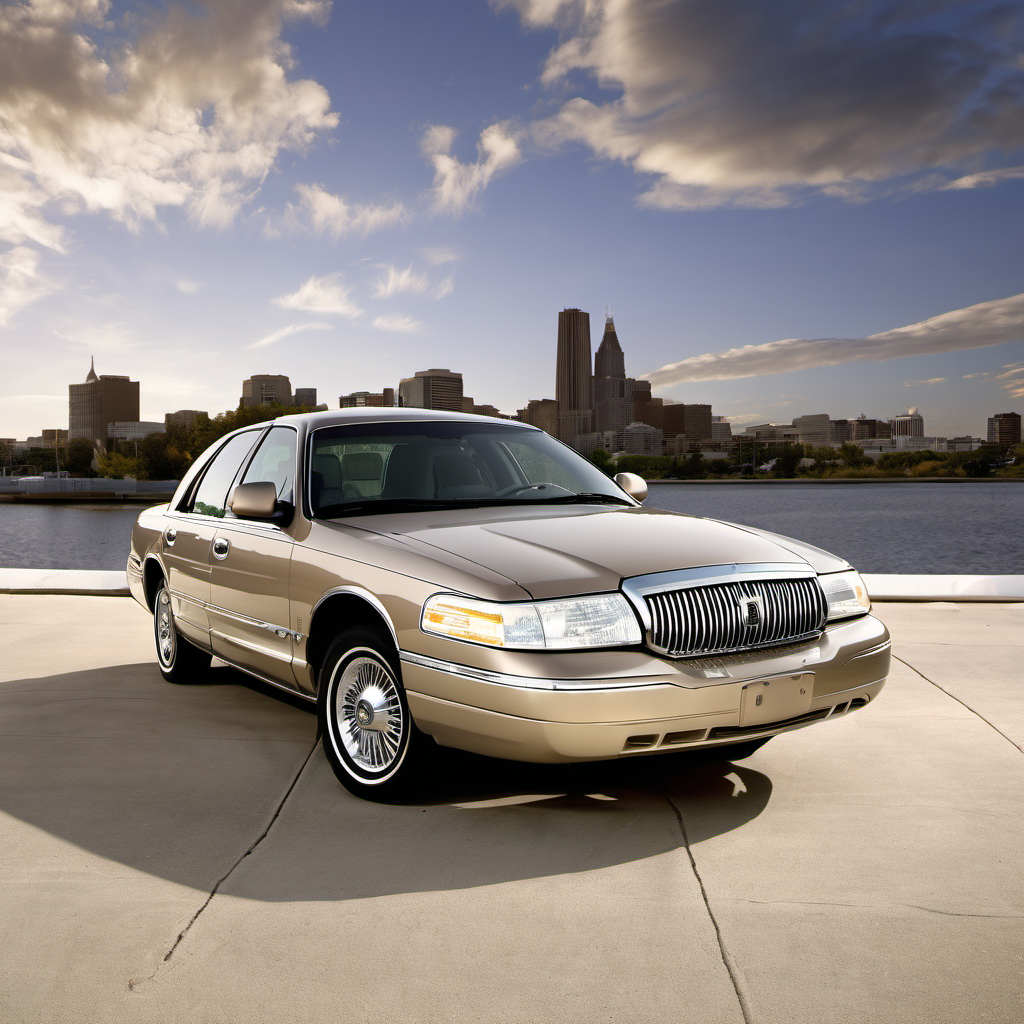
2001 Mercury Grand Marquis Sedan

2001 Mercury

Grand MarquisSedan

Sedan

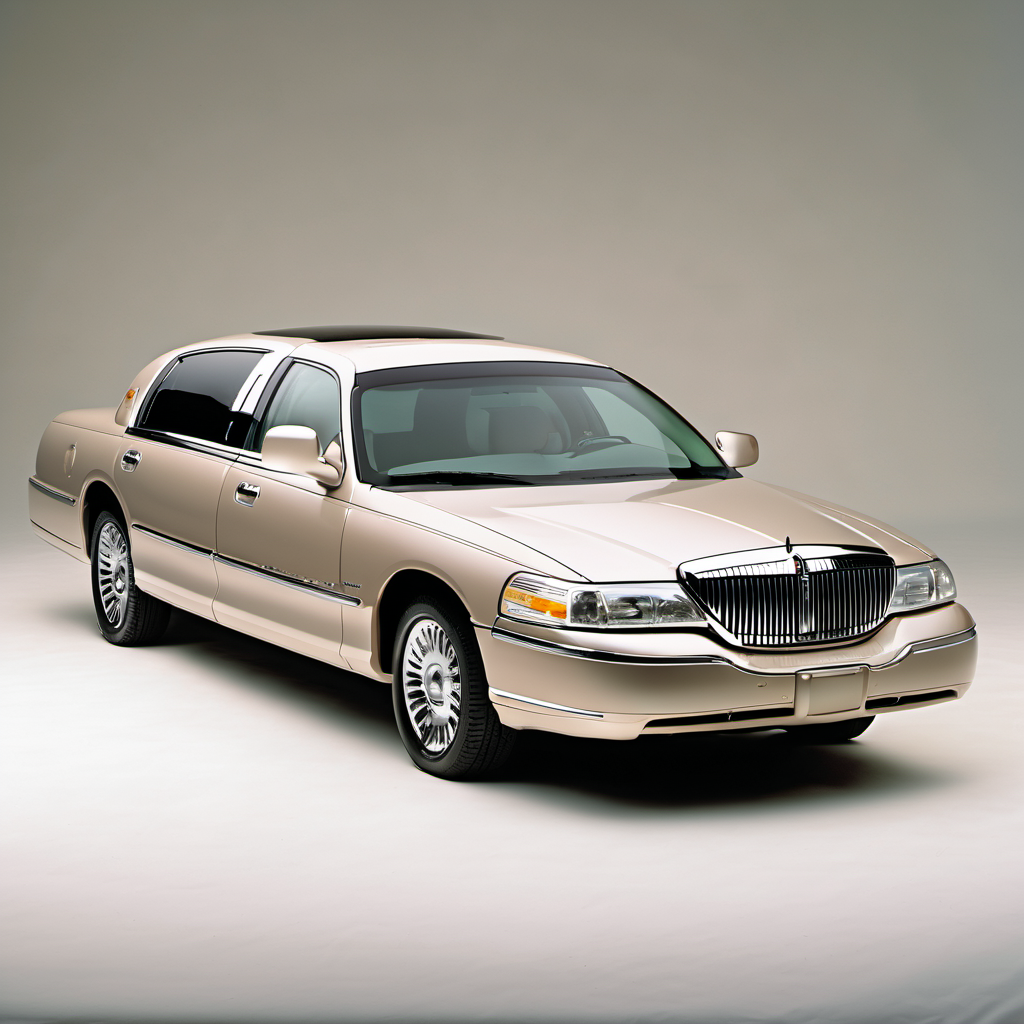
The 2001 Mercury Grand Marquis is a full-size, body-on-frame rear-wheel-drive sedan built on Ford's Panther platform — the same bones shared with the Ford Crown Victoria and Lincoln Town Car. It was a staple of fleet and police service for decades, which means the platform was engineered for durability and ease of maintenance, not cutting-edge technology. The 4.6L SOHC V8 is a proven, long-lived engine that responds well to regular oil changes and basic upkeep. By 2001 the Grand Marquis had settled into a mature, refined cruiser aimed squarely at comfort-focused buyers who prioritize a smooth ride, a large trunk, and simple mechanicals. Parts are cheap and widely available. Any independent shop in the country can work on one without specialty tooling. At over 20 years old now, condition varies enormously. Well-maintained examples from non-fleet, non-winter use can easily clear 200k miles. However, Midwest salt exposure and years of deferred maintenance are the biggest enemies of these cars at this age.

Reliability
4/5
Verified data
Specs shown for Grand Marquis — the most common configuration. Other trims may vary in engine, drivetrain, or fuel economy. Sign in to see your vehicle's exact specs.
Engine
[object Object]
Drivetrain
RWD
Fuel
Gasoline
MPG
16 city / 23 hwy / 18 combined
Seats
Doors
Body
Large Cars

Overview

AI-curated

The 2001 Mercury Grand Marquis is a full-size, body-on-frame rear-wheel-drive sedan built on Ford's Panther platform — the same bones shared with the Ford Crown Victoria and Lincoln Town Car. It was a staple of fleet and police service for decades, which means the platform was engineered for durability and ease of maintenance, not cutting-edge technology. The 4.6L SOHC V8 is a proven, long-lived engine that responds well to regular oil changes and basic upkeep. By 2001 the Grand Marquis had settled into a mature, refined cruiser aimed squarely at comfort-focused buyers who prioritize a smooth ride, a large trunk, and simple mechanicals. Parts are cheap and widely available. Any independent shop in the country can work on one without specialty tooling. At over 20 years old now, condition varies enormously. Well-maintained examples from non-fleet, non-winter use can easily clear 200k miles. However, Midwest salt exposure and years of deferred maintenance are the biggest enemies of these cars at this age.

Known for
  • Exceptionally simple, durable 4.6L SOHC V8 ('Romeo' or 'Windsor' casting)
  • Smooth, pillowy ride quality — one of the best in its class
  • Massive trunk and roomy rear seat
  • Low cost of ownership when maintained; inexpensive parts
  • Strong resale among fleet buyers and enthusiasts
Best for
  • Highway commuters who want a relaxed, comfortable cruiser
  • Owners who do their own maintenance and want simple mechanicals
  • Buyers on a tight budget who need a reliable large sedan
  • Anyone needing a capable trailer-towing family hauler on the cheap
Watch for
  • Severe rust on subframes, frame rails, and floor pans from Midwest road salt — this is the #1 killer of these cars
  • Air suspension delete or failure (if optioned with air ride)
  • Worn or leaking rear air springs on equipped models
  • High mileage with unknown service history — valve cover gaskets and intake manifold coolant crossover are common wear items
  • Former fleet/police use, which means hard miles that don't show on an odometer

Common issues by mileage

6 known

Intake Manifold Coolant Crossover Gasket Failure

high
Typically appears
80–150k mi
Estimated repair
$300 – $650

Valve Cover Gasket Oil Leaks

high
Typically appears
80–180k mi
Estimated repair
$150 – $350

Rear Air Spring Failure (Air Ride–Equipped Models)

high
Typically appears
60–120k mi
Estimated repair
$200 – $600

Oxygen Sensor / Heated O2 Sensor Heater Circuit Failure

medium
Typically appears
80–160k mi
Estimated repair
$100 – $280

Subframe and Floor Pan Rust (Midwest/Salt Belt)

high
Typically appears
Any mileage on older examples
Estimated repair
$500 – $3,000

Throttle Position Sensor / Idle Air Control Valve Wear

medium
Typically appears
100–180k mi
Estimated repair
$80 – $250

Maintenance schedule

  1. 1
    Every 5,000 miles or 6 months Engine oil and filter change

    The 4.6L SOHC V8 has timing chain tensioners that depend on clean oil pressure. Dirty or low oil accelerates tensioner and chain wear — keep this one fresh.

  2. 2
    Every 30,000 miles or at first sign of coolant loss Coolant flush and crossover gasket inspection

    The plastic intake manifold coolant crossover gaskets are a known failure point. Catching a slow leak early prevents overheating and a much larger repair bill.

  3. 3
    Every 30,000 miles Transmission fluid change

    The 4R75W automatic is durable but benefits from clean fluid. Ford's 'lifetime' fluid rating does not apply to high-mileage used examples — change it.

  4. 4
    Every 30,000 miles on a used example with unknown history Spark plug replacement

    Platinum plugs were factory-spec but worn plugs stress the ignition coils. On the 4.6L, plugs are accessible and inexpensive. Don't wait for misfires.

  5. 5
    Every 2 years Brake fluid flush

    Brake fluid absorbs moisture over time, lowering its boiling point. On a heavy RWD car, this matters — especially in Wisconsin stop-and-go winter driving.

  6. 6
    Every spring (after road salt season ends) Undercarriage rust inspection and treatment

    Frame rails, subframe mounting points, and floor pans are the structural weak spots on aged Panther-platform cars. Catch surface rust early and treat it before it becomes structural.

  7. 7
    Every year or if rear sag is noticed Air spring inspection (if air ride equipped)

    Air springs crack and leak with age, especially after Wisconsin winters. A sagging rear end is the first warning sign — don't ignore it.

  8. 8
    Every fall before winter Battery load test

    A 4.6L V8 draws significant current on cold starts. A battery that passes a basic voltage test in summer can fail at -10°F. Load-test it every October.

Always defer to the manufacturer's service manual for warranty-mandated intervals.

Cost of ownership

Annual maintenance
$400 – $900
Fuel
At 18 MPG combined and Wisconsin-average fuel prices, expect roughly $1,800–$2,400/year at 12,000 miles driven. Highway-heavy driving brings this closer to the low end.
Insurance
Typically low — full-size older sedans carry some of the cheapest comprehensive/collision rates available. Expect $600–$1,000/year for most drivers, depending on record and coverage level.

Day-to-day this is a cheap car to own. Parts are plentiful and inexpensive, labor is straightforward, and fuel costs are the biggest ongoing expense. The wildcard is rust and deferred maintenance on a car this age — one bad crossover gasket job or a rusted subframe can cost more than the car is worth. Buy a clean one and keep up with fluids and you'll spend very little.

Seasonal care

Lake Geneva, WI
Winter
  • Load-test the battery every October — cold cranking a 4.6L V8 at sub-zero temps is hard on a weak battery, and failures happen fast in Wisconsin winters.
  • Switch to a full-synthetic 5W-30 if still running conventional oil — it flows faster on cold starts and protects the timing chain tensioners.
  • Flush wiper fluid reservoir and refill with a -40°F rated washer fluid. This car's large windshield picks up salt spray constantly on Wisconsin roads.
  • Inspect and replace wiper blades before first snowfall — winter blades are worth it on a car this size.
  • Rinse the undercarriage every 1–2 weeks during heavy salt season, paying special attention to the subframe mounting points and rear wheel wells where rust starts.
  • Check tire pressure weekly — every 10°F temperature drop causes roughly 1 PSI loss, and these wide tires will understeer noticeably when underinflated on a heavy RWD car.
Summer
  • Check coolant concentration and condition — the crossover gasket issue means you want your cooling system in top shape before summer heat adds stress.
  • Inspect the A/C system for refrigerant level and condenser debris — the large front grille opening collects bugs and road debris that restrict airflow.
  • Check tire pressure after hot weather sets in — heat expands air and overinflated tires reduce wet-road grip and wear unevenly on a heavy car.
  • Inspect rubber brake hoses for cracking — UV exposure and age degrade them, and a swollen hose can cause brake drag or sudden failure.

Comparable vehicles

If you're shopping for one

Red flags
  • Any subframe rust that is structural (flaking, perforated metal at mounting points) — walk away, not economically repairable.
  • Coolant smell inside the cabin or a milky residue on the oil cap — indicates a serious coolant leak or head gasket issue.
  • Signs of fleet or police use (spotlight mount holes, wiring harness remnants, unusual wear patterns on the driver's seat and controls) — these cars were often driven hard.
  • A rear end that sits noticeably lower on one or both sides — failing air springs that haven't been addressed.
  • Transmission that slips, hunts between gears, or has a burnt fluid smell — fluid look-and-smell check is quick and telling on a car this old.
What to inspect
  • Crawl under and inspect ALL frame rails, subframe mounting points, and floor pans for rust — this is the single most important inspection on a Wisconsin-area car this age.
  • Check the intake manifold area for coolant residue or white mineral deposits, which signal a crossover gasket leak.
  • Look for oil weeping from both valve covers — present on most high-mileage examples but should not be pouring.
  • If equipped with rear air suspension, check for rear sag when parked and listen for the compressor running excessively after startup.
  • Test the A/C, heat, and all power windows/locks — repairs are cheap but good to know going in.
  • Check the transmission for smooth, firm shifts and no slipping between gears — the 4R75W is durable when serviced but neglect shows up as soft or delayed shifts.
AI profile generated 3 days ago · claude-sonnet-4-6 · v2.