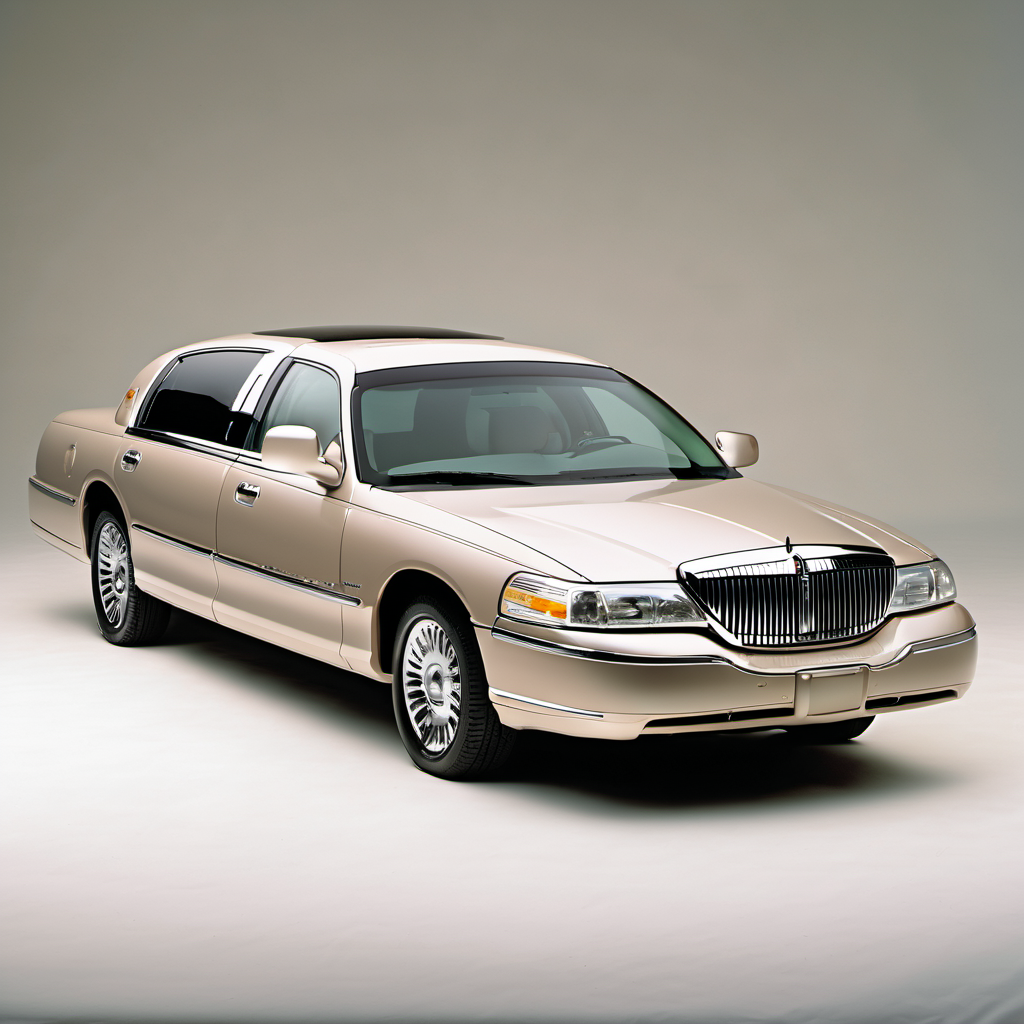
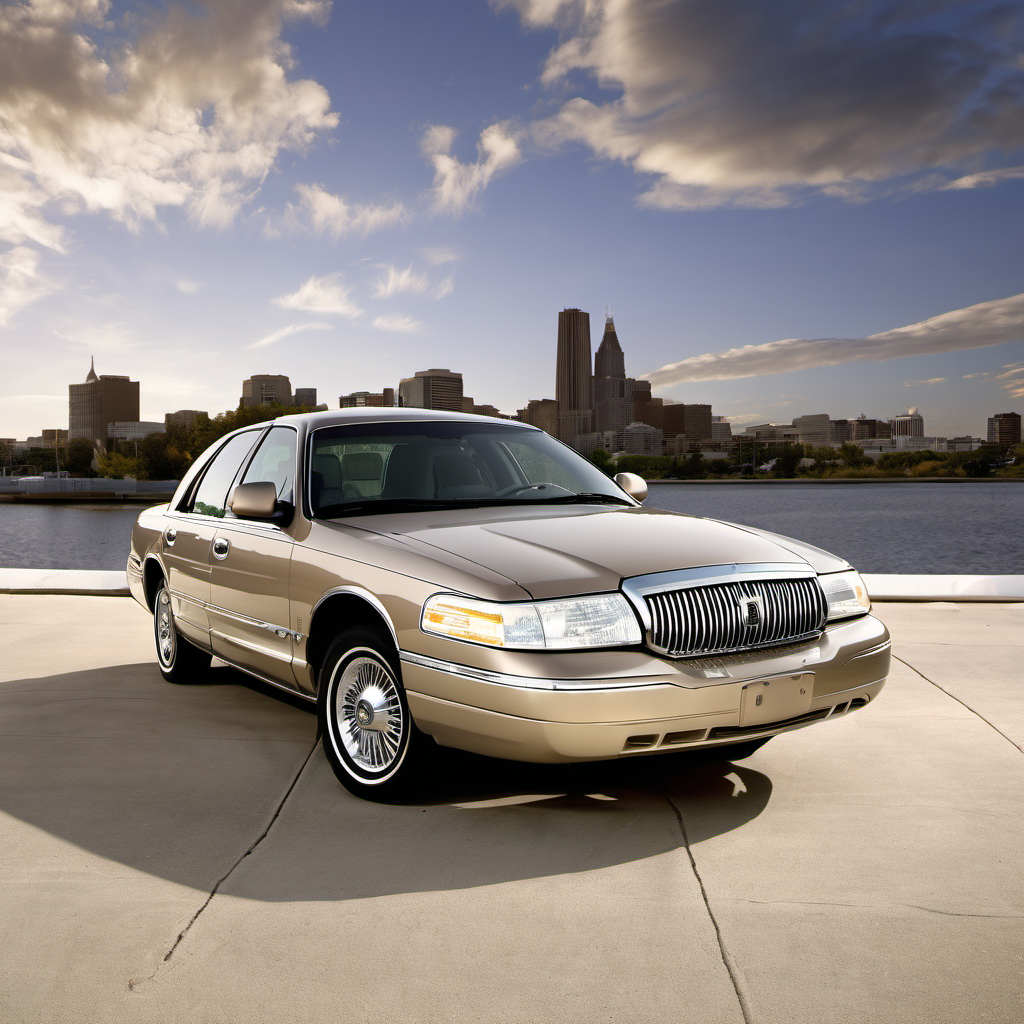
2001 Lincoln Town Car Sedan

2001 Lincoln

Town CarSedan

Sedan

The 2001 Lincoln Town Car is a full-size, rear-wheel-drive American luxury sedan built on Ford's Panther platform — the same bones shared with the Crown Victoria and Mercury Grand Marquis. By 2001, the Town Car had been refined for decades into a smooth, quiet cruiser aimed squarely at buyers who wanted maximum comfort and isolation from the road. It's a big car in every sense: long wheelbase, plush air-ride suspension, and a 4.6L V8 that pulls effortlessly without drama. This generation (1998–2002) brought a restyled exterior and upgraded interior over the previous body, but kept the proven Modular V8 and 4-speed automatic that made earlier Town Cars so durable. The air suspension is the single biggest ownership variable — when it works, the ride is exceptional; when it fails (and it will), repairs can be costly. For buyers in the upper Midwest, the Town Car's RWD layout is a real consideration in Wisconsin winters. It's not a snow car without winter tires, but its weight and torque make it manageable with the right rubber. Rust is the other Wisconsin-specific concern — the Panther platform's frame and body pinch welds are known salt traps on high-mileage examples.

Reliability
3/5
Verified data
Specs shown for Town Car — the most common configuration. Other trims may vary in engine, drivetrain, or fuel economy. Sign in to see your vehicle's exact specs.
Engine
[object Object]
Drivetrain
RWD
Fuel
Gasoline
MPG
16 city / 23 hwy / 18 combined
Seats
Doors
Body
Large Cars

Overview

AI-curated

The 2001 Lincoln Town Car is a full-size, rear-wheel-drive American luxury sedan built on Ford's Panther platform — the same bones shared with the Crown Victoria and Mercury Grand Marquis. By 2001, the Town Car had been refined for decades into a smooth, quiet cruiser aimed squarely at buyers who wanted maximum comfort and isolation from the road. It's a big car in every sense: long wheelbase, plush air-ride suspension, and a 4.6L V8 that pulls effortlessly without drama. This generation (1998–2002) brought a restyled exterior and upgraded interior over the previous body, but kept the proven Modular V8 and 4-speed automatic that made earlier Town Cars so durable. The air suspension is the single biggest ownership variable — when it works, the ride is exceptional; when it fails (and it will), repairs can be costly. For buyers in the upper Midwest, the Town Car's RWD layout is a real consideration in Wisconsin winters. It's not a snow car without winter tires, but its weight and torque make it manageable with the right rubber. Rust is the other Wisconsin-specific concern — the Panther platform's frame and body pinch welds are known salt traps on high-mileage examples.

Known for
  • Exceptional highway ride comfort and isolation
  • Proven 4.6L Modular V8 with strong long-term durability
  • Spacious rear-seat legroom — one of the largest in its class
  • Relatively simple mechanicals compared to European luxury competitors
  • Beloved by livery and town-car service fleets for a reason
Best for
  • Long-distance highway cruising
  • Retirees or buyers prioritizing comfort over sportiness
  • Budget luxury buyers willing to handle air suspension upkeep
  • Flat or lightly hilly terrain driving (less ideal in heavy snow without winter tires)
Watch for
  • Air suspension failure — very common and expensive to ignore
  • Frame and rocker panel rust on high-mileage Midwest/salt-belt cars
  • Vacuum-driven door lock and trunk systems that fail with age
  • DOHC timing chain guides can wear; oil changes must be kept up
  • Electrical gremlins in aged wiring harnesses and body control modules

Common issues by mileage

6 known

Air Suspension Compressor and Air Bag Failure

high
Typically appears
80,000–150,000 mi
Estimated repair
$400 – $1,200

Oxygen Sensor and O2 Heater Circuit Faults

medium
Typically appears
80,000–130,000 mi
Estimated repair
$150 – $400

Vacuum Line Deterioration (Door Locks, Trunk Release)

high
Typically appears
100,000+ mi
Estimated repair
$100 – $350

Timing Chain Guide Wear and Camshaft Position Faults

medium
Typically appears
120,000–180,000 mi
Estimated repair
$800 – $2,200

Frame and Rocker Panel Rust (Salt-Belt Vehicles)

high
Typically appears
Any mileage on older/salt-exposed cars
Estimated repair
$500 – $3,000

Maintenance schedule

  1. 1
    Every 5,000 mi or 6 months Engine oil and filter change

    The 4.6L Modular V8's timing chain guides are oil-fed. Dirty or low oil accelerates guide wear, which is an expensive repair. Don't stretch intervals on this engine.

  2. 2
    Every 12 months or any time ride height seems uneven Air suspension inspection

    Air bags and the compressor are the most common failure point. Catching a slow leak early saves the compressor from burning out trying to keep up.

  3. 3
    Every 3 years or 36,000 mi Coolant flush and fill

    The 4.6L runs hot if coolant degrades. Electrolytic corrosion in aging coolant can attack the aluminum intake and heater core.

  4. 4
    Every 30,000 mi Transmission fluid and filter service

    The 4R70W automatic is durable but responds well to clean fluid. Neglected fluid is the leading cause of shift quality issues on high-mileage examples.

  5. 5
    Every 2–3 years Brake fluid flush

    Moisture-laden brake fluid lowers boiling point and accelerates corrosion in the ABS modulator and calipers — especially important in Wisconsin's salt and wet conditions.

  6. 6
    Every 60,000 mi Spark plugs

    The 4.6L uses spark plugs that can seize in the head if left too long — change on schedule to avoid a broken plug extraction job.

  7. 7
    Every 2 years Inspect and lubricate vacuum lines

    Vacuum-operated door locks and trunk systems use rubber lines that crack with age. A quick visual inspection catches early failures before they strand you in a Wisconsin winter.

  8. 8
    Every fall before salt season Undercarriage rust inspection and treat exposed metal

    The Panther platform's frame rails and rocker seams collect road salt. Annual inspection and touch-up with rust-inhibiting coating dramatically extends structural life.

Always defer to the manufacturer's service manual for warranty-mandated intervals.

Cost of ownership

Annual maintenance
$600 – $1,800
Fuel
At 18 MPG combined and typical Wisconsin driving, expect $2,000–$2,600/year at current mid-grade prices. Premium is not required — regular 87 octane is fine.
Insurance
Full-size luxury sedan from 2001 — insurance is typically low given age and market value. Expect $700–$1,200/year for full coverage depending on driving record and carrier.

The Town Car's appeal is that a mechanically sound example is cheap to buy and cheap to insure. Routine maintenance is affordable at an independent shop. The financial wildcard is the air suspension — budget $400–$1,200 if it hasn't been addressed, and factor in timing chain work if oil maintenance history is unknown. Total cost of ownership is very reasonable IF the big-ticket deferred items are already done or priced into the purchase.

Seasonal care

Lake Geneva, WI
Winter
  • Switch to a quality winter tire — RWD on Wisconsin ice without proper rubber is genuinely hazardous. The Town Car's weight helps traction but doesn't replace grip.
  • Test the battery before first hard freeze. The 4.6L V8 needs a strong battery for cold cranking — a marginal battery that starts fine in October will fail in January.
  • Use winter-rated windshield washer fluid rated to at least -20°F. The large windshield area means the system works overtime in slush and snow.
  • Check air suspension operation in cold weather — seals stiffen and leaks worsen in sub-zero temps. If the car is sitting low in the morning, address it before driving.
  • Rinse the undercarriage regularly through the salt season, focusing on frame rails, wheel wells, and rear subframe — these are rust hot spots on Panther-platform cars.
  • Verify the antifreeze is rated to -34°F or below. Coolant protection degrades over time and old coolant may not protect at Wisconsin lows.
Summer
  • Inspect A/C refrigerant charge and cabin air circulation — the Town Car's large interior puts real demand on the A/C system; weak refrigerant charge will struggle on hot days.
  • Check tire pressure monthly — temperatures above 90°F cause significant pressure increase in tires already set for cool spring mornings. Overinflation causes uneven wear.
  • Inspect the cooling system hoses and radiator cap before summer — a 20+ year old rubber hose failing on a hot day can cause rapid overheating.
  • Park in shade when possible to protect the aging dashboard and door panel plastics, which crack and shrink under prolonged UV exposure.

Comparable vehicles

If you're shopping for one

Red flags
  • Car sitting noticeably low on one corner or all corners at rest — air suspension failure already in progress.
  • Any rust through on frame rails or rear subframe — structural rust on a Panther platform is expensive to fix and a safety concern.
  • Check engine light with camshaft timing codes (P0012, P0015, P0022, P0025) — indicates timing chain guide wear or low oil pressure history, both costly.
  • Sludge under the oil cap or very dark, gritty oil — signals chronic oil neglect and elevated timing chain failure risk.
  • Network/module communication faults (U0100–U0104) combined with multiple electrical complaints — can indicate wiring harness damage or failing BCM.
  • Any evidence of flood damage: musty smell, waterline stains under carpet or in the trunk — the Town Car's large, flat trunk is a common flood sump.
What to inspect
  • Air suspension: with engine running, check that all four corners are level and the compressor isn't cycling constantly — continuous cycling means a leak.
  • Frame rails and rear subframe for rust perforation — especially on the underside where the frame meets the rear spring mounts.
  • Rocker panels and lower door skin edges for bubbling paint or soft metal — these are early rust indicators on salt-belt cars.
  • Oil condition and service records: pull the dipstick and look for dark, gritty oil or a sludgy cap. Unknown oil history means timing chain guide risk.
  • Vacuum system: test door locks and trunk release; slow or non-functioning operation means cracked vacuum lines that need replacement.
  • Transmission shift quality: should shift smoothly and firmly through all gears with no slipping or shuddering under light throttle.
AI profile generated 3 days ago · claude-sonnet-4-6 · v2.