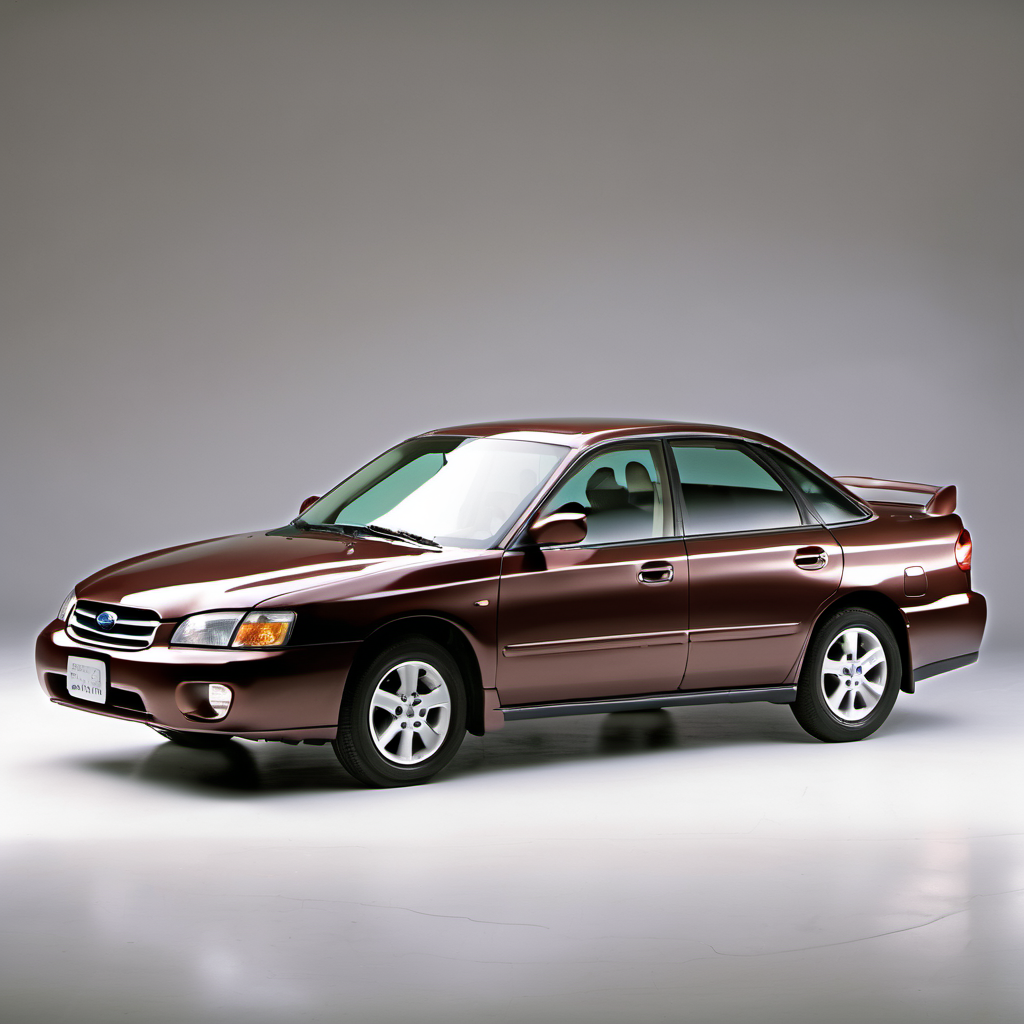
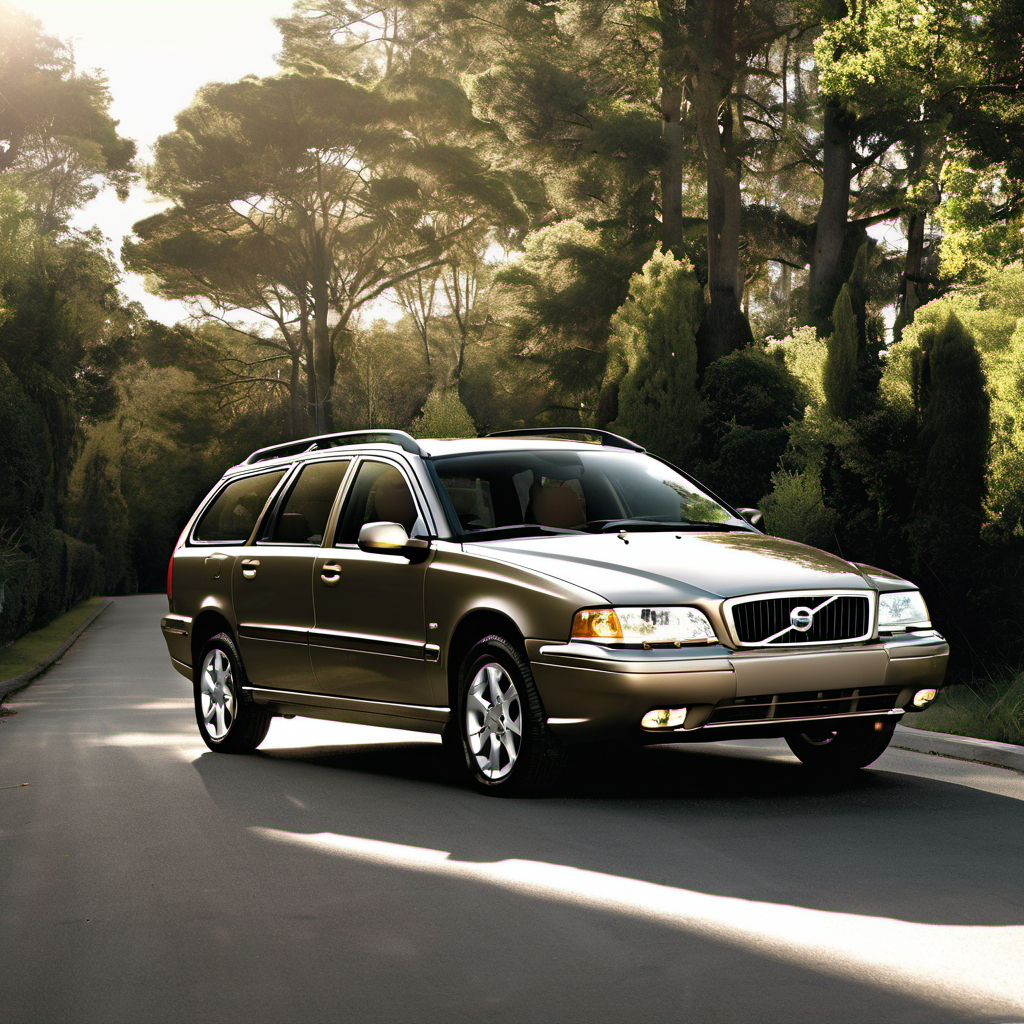
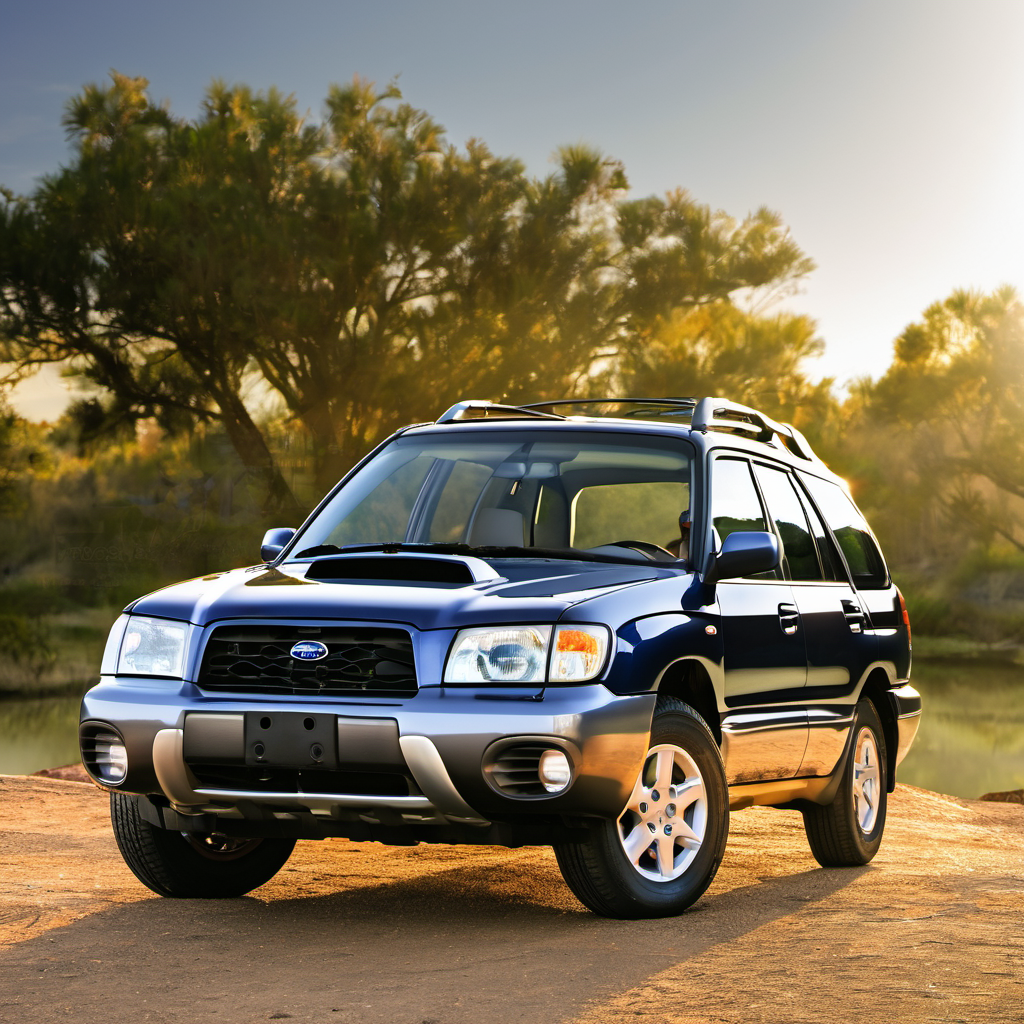
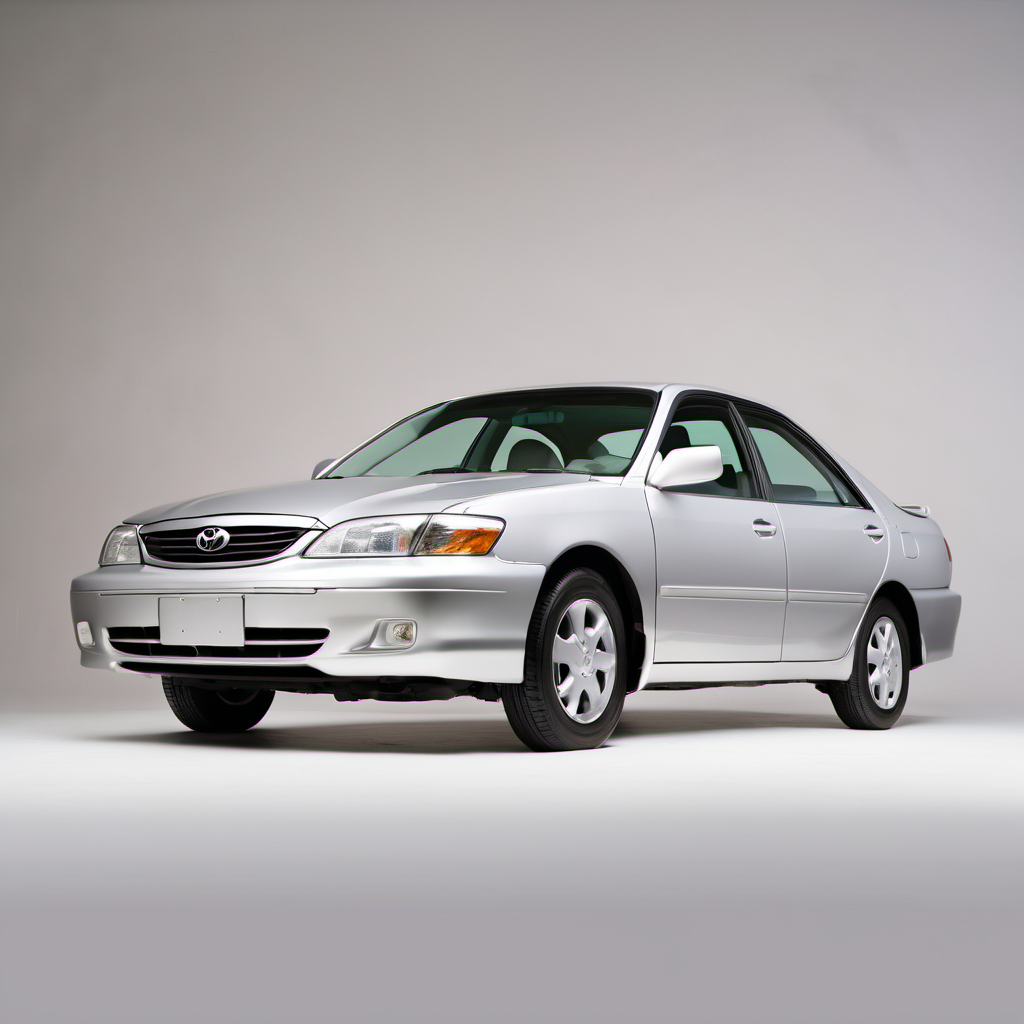
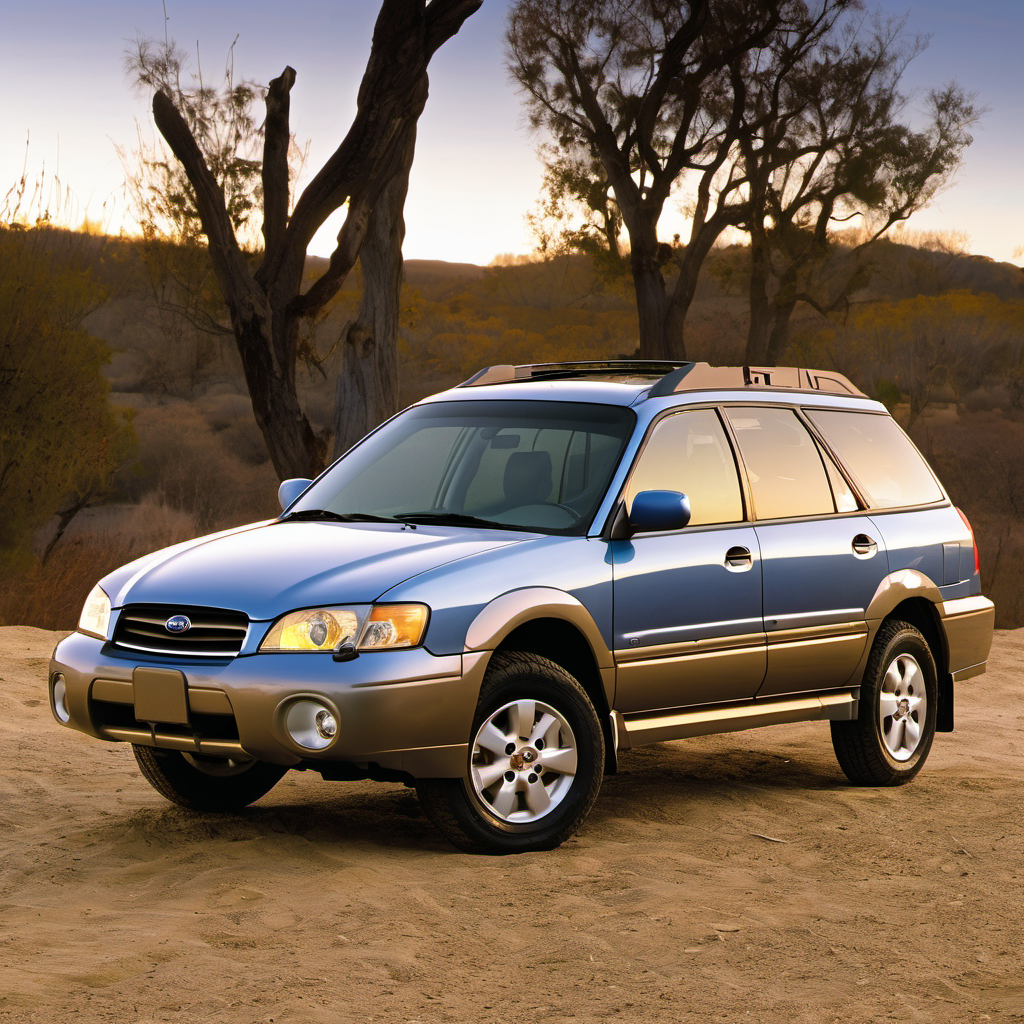
2000 Subaru Legacy Wagon

2000 Subaru

LegacyWagon

2.5L H4 (EJ25) · Wagon

The 2000 Subaru Legacy Wagon is a practical, all-wheel-drive compact wagon from a generation (1995–1999 BD/BG, carried into the 2000 BE/BH generation) that built Subaru's reputation in the upper Midwest and Pacific Northwest. It seats five, hauls gear, and handles Wisconsin winters confidently thanks to its standard symmetrical AWD — all without the height or bulk of an SUV. Under the hood you get Subaru's horizontally opposed 'boxer' four-cylinder, which keeps the center of gravity low and pairs well with the full-time AWD system. The ride is compliant enough for daily use, and cargo space with the rear seat folded is generous for the class. At 24 years old, the 2000 Legacy is deep into 'careful used-car buyer' territory. The mechanicals can last well past 200k miles with proper care, but neglected head gaskets, aging cooling systems, and rust from road salt are the real enemies. Buy one that has service records and a clean undercarriage, or pass.

Reliability
3/5
Verified data
Engine
2.5L H4 (EJ25)
Drivetrain
AWD
Fuel
Gasoline
MPG
22 city / 28 hwy / 24 combined
Seats
5
Doors
4
Body
Wagon
MSRP
$22,495

Overview

AI-curated

The 2000 Subaru Legacy Wagon is a practical, all-wheel-drive compact wagon from a generation (1995–1999 BD/BG, carried into the 2000 BE/BH generation) that built Subaru's reputation in the upper Midwest and Pacific Northwest. It seats five, hauls gear, and handles Wisconsin winters confidently thanks to its standard symmetrical AWD — all without the height or bulk of an SUV. Under the hood you get Subaru's horizontally opposed 'boxer' four-cylinder, which keeps the center of gravity low and pairs well with the full-time AWD system. The ride is compliant enough for daily use, and cargo space with the rear seat folded is generous for the class. At 24 years old, the 2000 Legacy is deep into 'careful used-car buyer' territory. The mechanicals can last well past 200k miles with proper care, but neglected head gaskets, aging cooling systems, and rust from road salt are the real enemies. Buy one that has service records and a clean undercarriage, or pass.

Known for
  • Symmetrical full-time AWD standard on all trims
  • Horizontally opposed boxer engine — low center of gravity
  • Practical wagon body with solid cargo capacity
  • Strong reputation in snow and mixed-weather climates
  • Loyal owner community with good DIY parts availability
Best for
  • Wisconsin winters and year-round mixed-weather driving
  • Budget-conscious buyers who need AWD without SUV fuel costs
  • Light hauling and outdoor/recreational lifestyles
  • Mechanically inclined owners who do their own upkeep
Watch for
  • Head gasket failure — a well-documented issue on the 2.2L and especially the 2.5L EJ engine
  • Rust and undercarriage corrosion on salt-belt vehicles
  • Cooling system neglect that accelerates head gasket damage
  • Automatic transmission wear on high-mileage examples
  • Leaking rear differential or transfer case seals

Common issues by mileage

6 known

Head Gasket Failure (EJ25 2.5L)

high
Typically appears
80–150k mi
Estimated repair
$1,400 – $2,400

Coolant System Leaks / Thermostat Failure

high
Typically appears
60–120k mi
Estimated repair
$150 – $500

Oxygen Sensor Heater Circuit Failure (Bank 1, Sensor 1)

medium
Typically appears
80–150k mi
Estimated repair
$120 – $280

Rear Differential / Transfer Case Seal Leaks

medium
Typically appears
100–180k mi
Estimated repair
$200 – $600

Heated Oxygen Sensor (Downstream) Circuit Fault

medium
Typically appears
80–140k mi
Estimated repair
$100 – $250

Automatic Transmission Wear / Shudder

medium
Typically appears
120–200k mi
Estimated repair
$1,800 – $4,000

Maintenance schedule

  1. 1
    Every 30k miles or 2 years — do not skip Coolant flush and inspection

    Old coolant turns acidic and attacks the EJ25 head gaskets from the inside. Use only Subaru Super Coolant or a quality OAT coolant, never green conventional antifreeze. This is the single most important service on this engine.

  2. 2
    At each oil change — inspect for milky oil, bubbles in coolant reservoir, or sweet exhaust smell Head gasket condition check

    Catching early external seepage saves a $1,500+ repair from becoming a $3,000+ head rebuild. A cooling system pressure test and combustion leak test (block test) annually is money well spent on any EJ25.

  3. 3
    Every 3,500–5,000 miles with conventional oil; 5,000–6,000 with full synthetic Engine oil and filter change

    The boxer engine's horizontal layout means oil sits differently under the heads. Keeping oil fresh reduces sludge that can mask early head gasket seepage and wear cam seals.

  4. 4
    Every 30k miles AWD system fluid service (rear differential and transmission)

    The full-time AWD system uses multiple fluid reservoirs. Neglecting the rear differential or CVD fluid causes premature wear and expensive drivetrain repairs.

  5. 5
    Every 60k miles or 5 years — this is an interference engine Timing belt and water pump replacement

    The EJ25 is an interference engine. A snapped timing belt means bent valves and a destroyed engine. At 24 years old, verify this has been done recently regardless of mileage. Replace the water pump, tensioner, and idler at the same time.

  6. 6
    Every 30k miles Spark plugs and ignition wires

    The boxer layout makes spark plug access awkward but not impossible. Worn plugs on an aging EJ engine increase combustion pressure variability and can stress gaskets.

  7. 7
    Every 2 years Brake fluid flush

    Brake fluid is hygroscopic and absorbs moisture over time. In Wisconsin's freeze-thaw cycle, contaminated fluid can boil during hard stops or contribute to ABS sensor corrosion.

  8. 8
    Every fall before road salt season Undercarriage rust inspection and treatment

    Salt-belt Legacys of this vintage are prone to frame rail and subframe corrosion. Catching rust early and treating it extends structural life. Pay special attention to the spare tire well area and rear suspension mounting points.

Always defer to the manufacturer's service manual for warranty-mandated intervals.

Cost of ownership

Annual maintenance
$600 – $1,400
Fuel
At ~24 MPG combined and typical Wisconsin driving, expect roughly $1,500–$2,000/year at current mid-grade fuel prices, depending on mileage driven.
Insurance
Older vehicles of this value typically run $600–$1,000/year for full coverage in southern Wisconsin; less with liability-only.

A well-maintained 2000 Legacy Wagon is a low-cost-to-own vehicle — until the head gaskets go. Budget $600–$1,400/year for normal maintenance. Set aside an additional $1,500–$2,500 contingency fund if the head gaskets and timing belt haven't been recently serviced. Fuel and insurance costs are modest for AWD capability.
Seasonal care

Lake Geneva, WI
Winter
  • Test the battery before November — cold cranking amps drop sharply below 20°F and this platform's boxer engine is harder to crank when oil is cold and thick
  • Switch to a full synthetic 0W-30 or 5W-30 for easier cold starts and faster oil circulation to upper engine components
  • Flush washer fluid reservoir and top up with a -30°F or lower rated fluid — the reservoir is exposed and standard fluid will freeze in the lines
  • Inspect undercarriage and wheel well liners before salt season; apply rust inhibitor to exposed metal and touch up any paint chips to slow salt corrosion
  • Verify heat output and defroster function — a weak heater core on a 24-year-old vehicle is common and will leave you with a fogged windshield in sub-zero temps
  • Check AWD engagement — the full-time system requires all four tires to be the same diameter (within ~1/4"); mismatched tires can damage the center differential
Summer
  • Inspect the coolant reservoir and hoses for swelling, cracking, or leaks — heat accelerates any existing head gasket seepage into a visible problem
  • Check A/C system refrigerant charge and cabin filter; the evaporator and condenser on a 24-year-old car may have slow leaks
  • Monitor tire pressure weekly — temperatures swinging 30°F+ between morning and afternoon cause significant pressure changes that affect AWD handling balance
  • Check the radiator for bugs and debris blocking airflow; a partially blocked radiator on an EJ25 with borderline head gaskets can tip into overheating quickly

Comparable vehicles

If you're shopping for one

Red flags
  • Any sign of overheating history — a warped head on an EJ25 is a multi-thousand-dollar repair
  • Coolant that smells sweet under the hood but the reservoir is perpetually low — slow external head gasket seep
  • Rust perforation on the rear frame rails or subframe mounting points — structural and not worth repairing on a vehicle this age
  • Oil that looks dark gray or bubbly rather than brown/amber — coolant contamination
  • A timing belt that can't be documented as replaced in the last 60k miles or 5 years on a 24-year-old vehicle
  • Mismatched tires or a spare that has been used as a regular tire — indicates potential AWD system damage
What to inspect
  • Pull the oil cap and look for milky, caramel-colored residue — a sure sign of coolant mixing with oil (head gasket failure)
  • Squeeze the upper and lower radiator hoses when cold — they should feel firm, not spongy or cracked
  • Check the coolant reservoir for brown oily film or bubbling, which indicates combustion gas intrusion
  • Perform a block test (combustion leak test) using a chemical tester on the coolant reservoir before buying — inexpensive and definitive
  • Inspect the timing belt area for oil leaks from the cam or crank seals, which contaminate the belt and cause premature failure
  • Get under the vehicle and inspect the frame rails, subframe, rear trailing arm mounts, and spare tire well for rust perforation — these are common failure points on salt-belt cars
  • Verify all four tires are the same brand, model, and wear level — mismatched tires on an AWD Subaru cause transfer case wear
  • Check that the AWD system engages smoothly by driving on a loose surface or making slow tight turns — binding or clunking indicates drivetrain wear
AI profile generated 4 days ago · claude-sonnet-4-6 · v2.