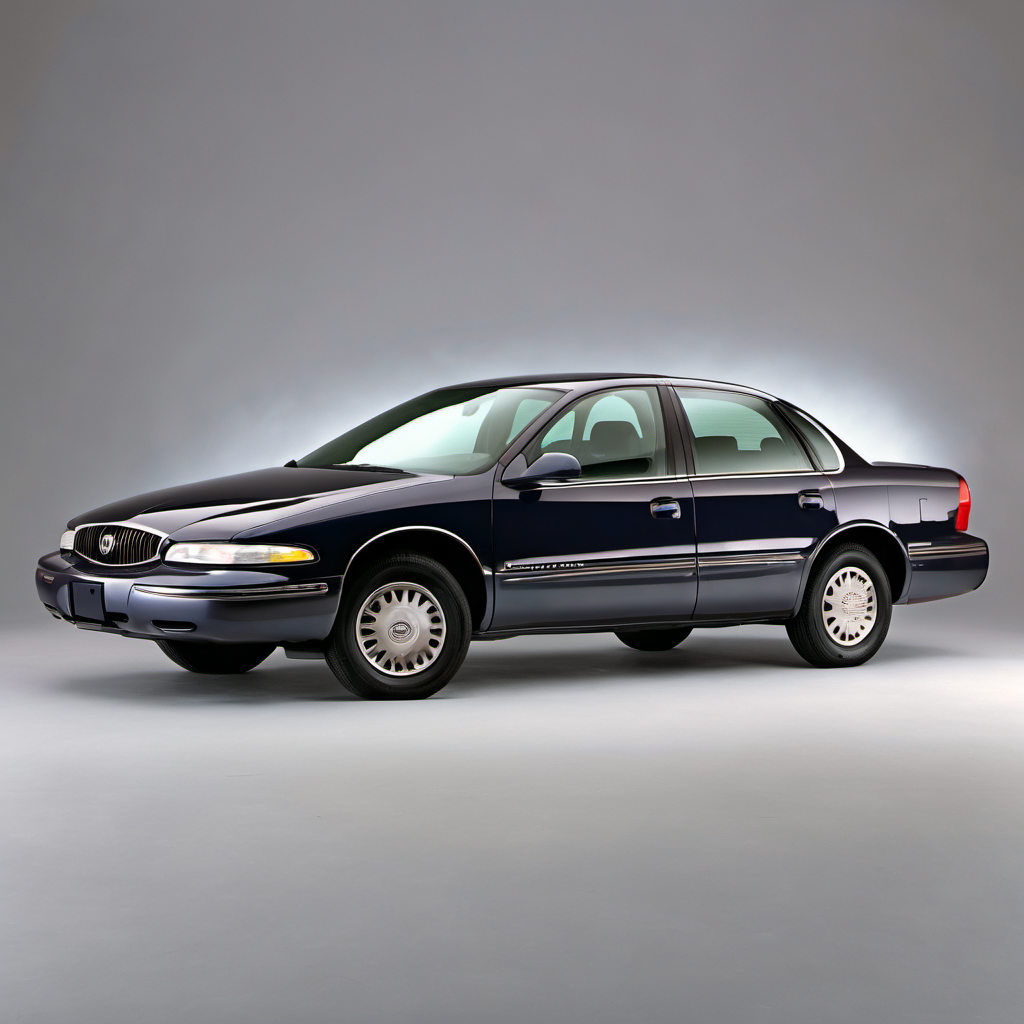
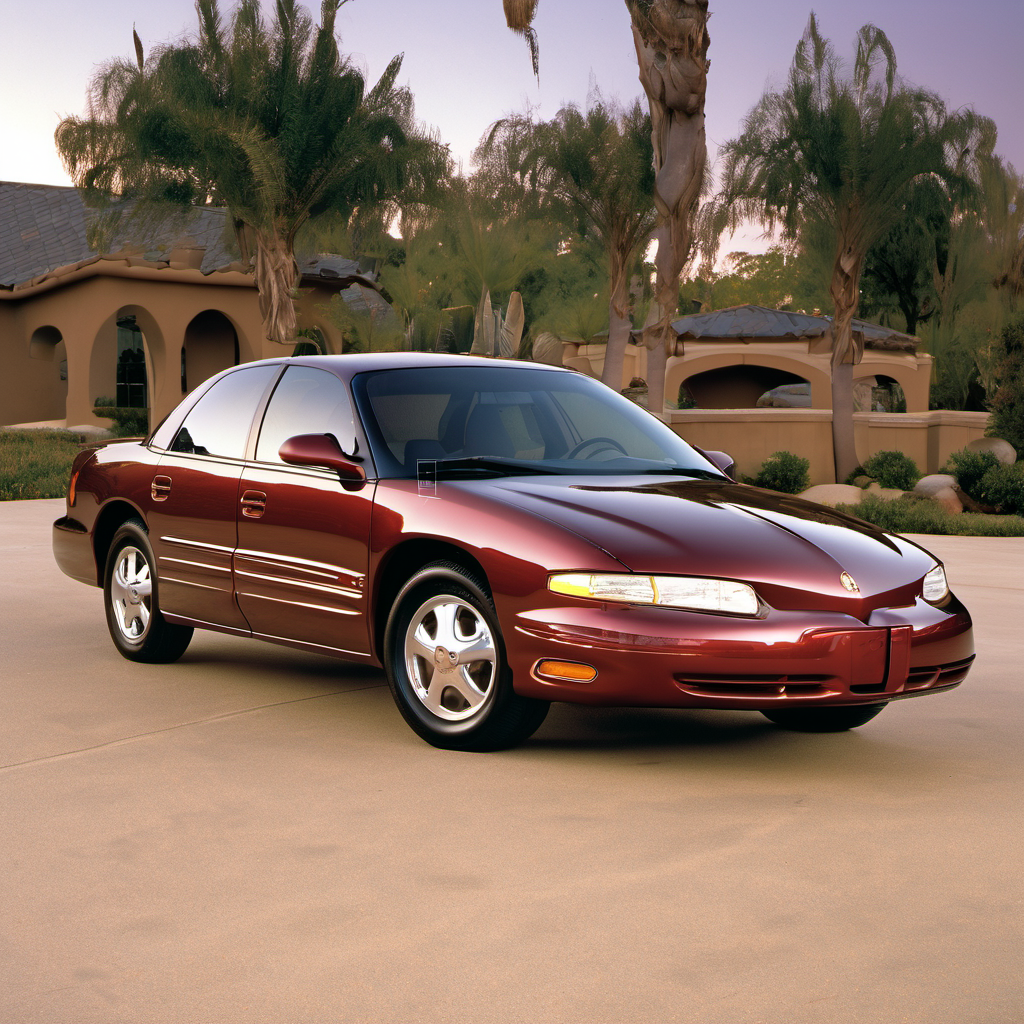
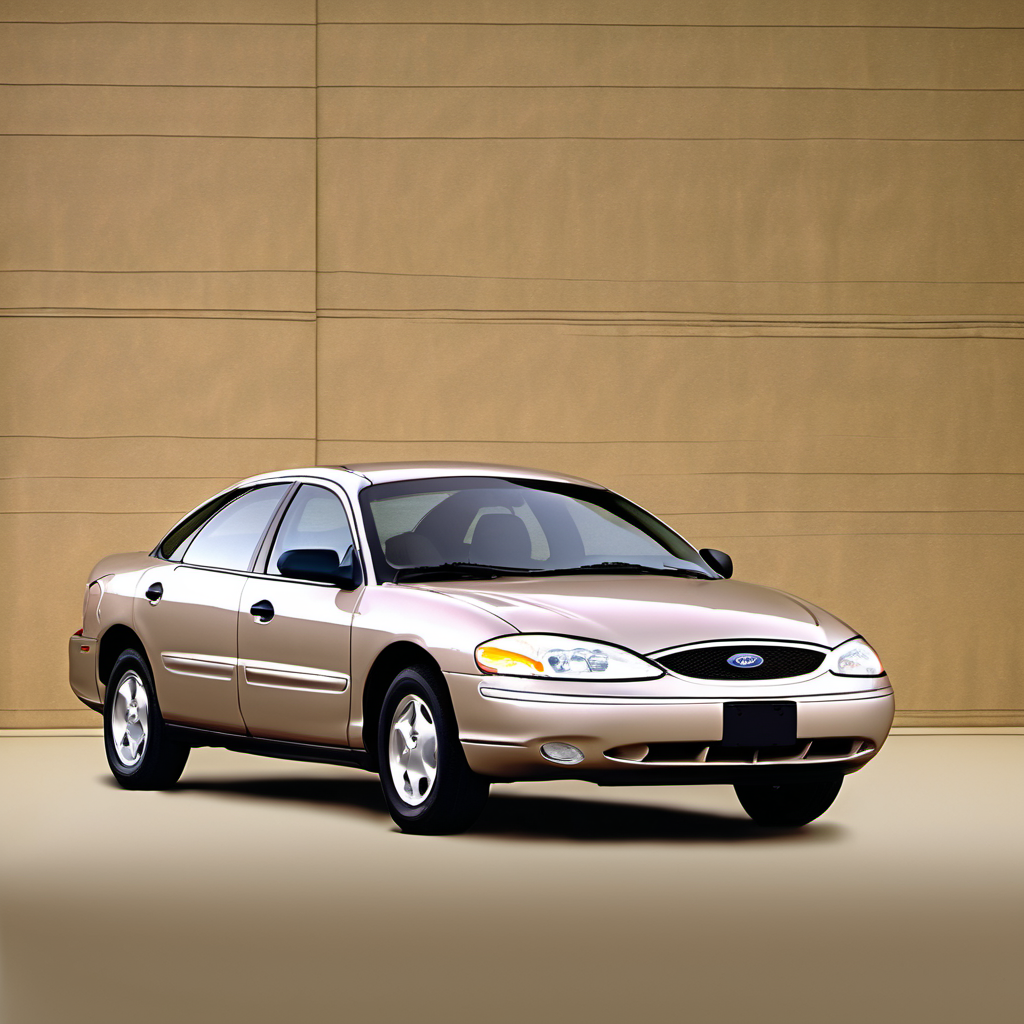
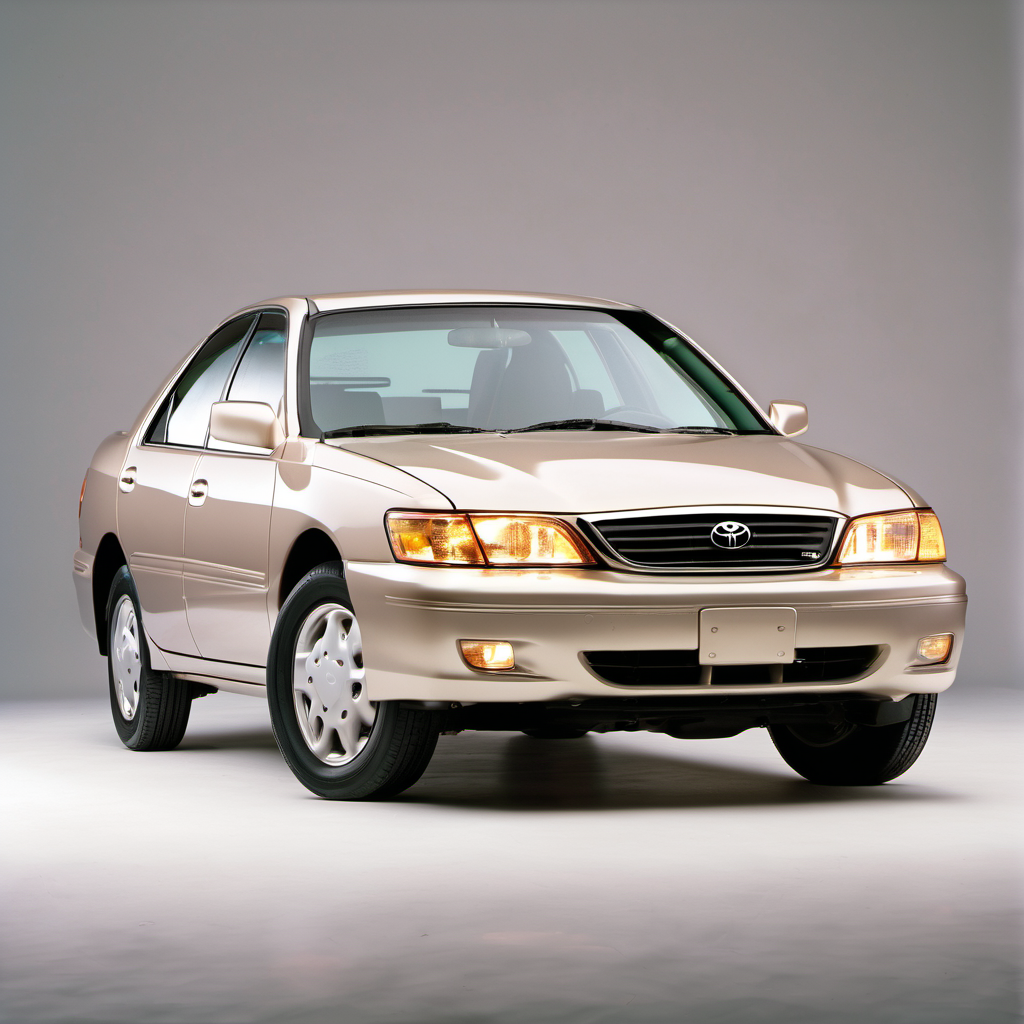
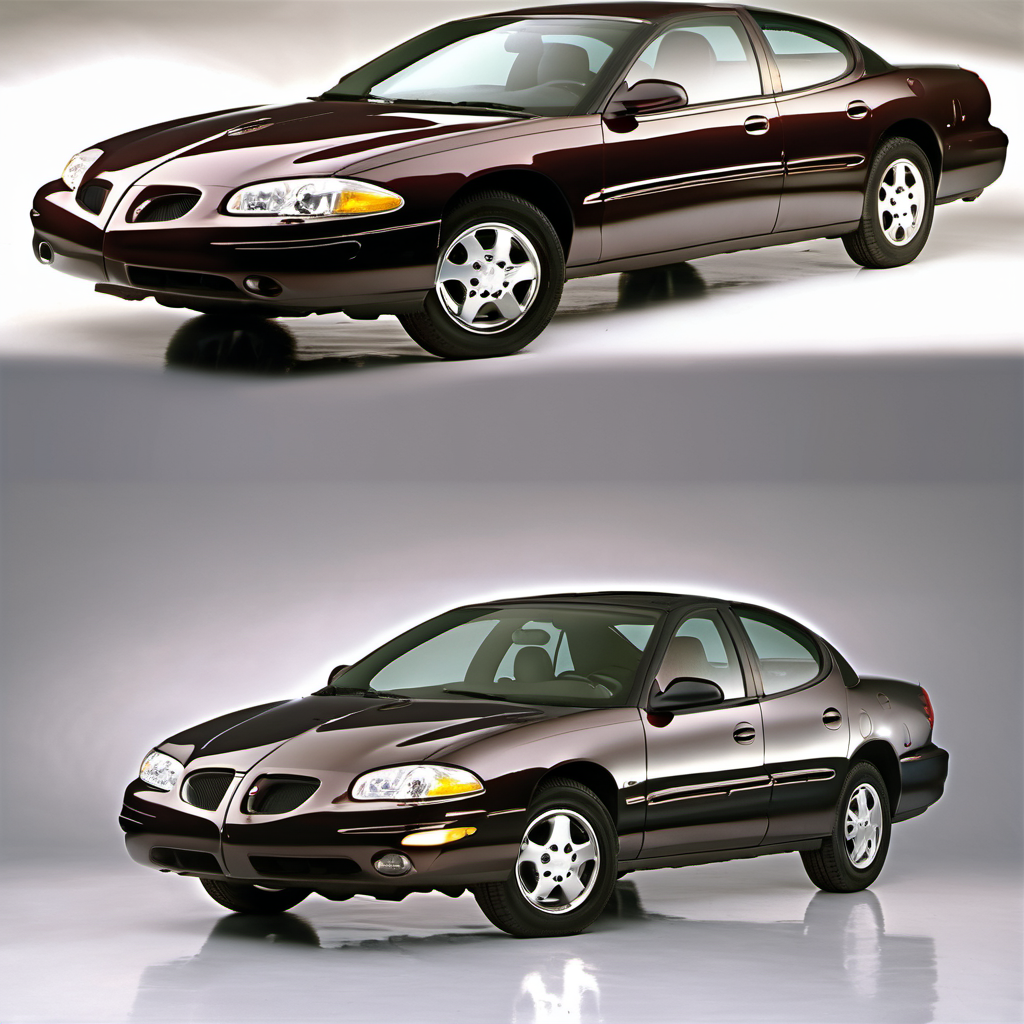
1999 Buick Century Sedan

1999 Buick

CenturySedan

Sedan

The 1999 Buick Century is a front-wheel-drive mid-size sedan that carved out a loyal following among value-minded buyers who wanted comfort and reliability without a premium price tag. Powered by GM's proven 3.1L V6 and paired with a 4-speed automatic, it was sensible transportation — smooth, quiet for its class, and roomy enough for four adults without complaint. By 1999 the Century had been refined into a dependable daily driver. It wasn't exciting, but it was honest. Parts are cheap, independent shops know this platform cold, and a well-maintained example can still cover highway miles without drama. Cooling system components and intake gaskets are the main vulnerabilities at this age — address those and the rest of the car holds together well. At 25+ years old, any surviving Century is a used-car purchase, so condition and maintenance history matter far more than model-year quirks. Budget for deferred maintenance, inspect the cooling system thoroughly, and you'll have an inexpensive, easy-to-own sedan.

Reliability
3/5
Verified data
Specs shown for Century — the most common configuration. Other trims may vary in engine, drivetrain, or fuel economy. Sign in to see your vehicle's exact specs.
Engine
[object Object]
Drivetrain
FWD
Fuel
Gasoline
MPG
17 city / 26 hwy / 21 combined
Seats
Doors
Body
Midsize Cars

Overview

AI-curated

The 1999 Buick Century is a front-wheel-drive mid-size sedan that carved out a loyal following among value-minded buyers who wanted comfort and reliability without a premium price tag. Powered by GM's proven 3.1L V6 and paired with a 4-speed automatic, it was sensible transportation — smooth, quiet for its class, and roomy enough for four adults without complaint. By 1999 the Century had been refined into a dependable daily driver. It wasn't exciting, but it was honest. Parts are cheap, independent shops know this platform cold, and a well-maintained example can still cover highway miles without drama. Cooling system components and intake gaskets are the main vulnerabilities at this age — address those and the rest of the car holds together well. At 25+ years old, any surviving Century is a used-car purchase, so condition and maintenance history matter far more than model-year quirks. Budget for deferred maintenance, inspect the cooling system thoroughly, and you'll have an inexpensive, easy-to-own sedan.

Known for
  • Comfortable, compliant ride tuned for Midwestern roads
  • Inexpensive parts and straightforward repairs
  • GM's reliable 3.1L V6 — widely understood by any independent shop
  • Roomy interior with large trunk for the segment
  • Strong resale value retention among budget-conscious buyers
Best for
  • Budget-minded drivers needing a dependable daily commuter
  • Retirees or low-mileage local drivers
  • Anyone comfortable wrenching on late-'90s GM products
  • Buyers who prioritize low repair costs over features
Watch for
  • Intake manifold gasket leaks — the #1 failure on the 3.1L V6
  • Coolant mixing with oil if intake gasket has been ignored
  • Rust in the rocker panels, floor pans, and wheel wells — a real concern at this age in Wisconsin
  • Worn or cracked rubber cooling hoses after 25 years
  • Deferred maintenance piling up on high-mileage examples

Common issues by mileage

6 known

Lower Intake Manifold Gasket Leak

high
Typically appears
60–120k mi
Estimated repair
$400 – $750

Oxygen Sensor Failure (Bank 1 Sensor 1 or Sensor 2)

medium
Typically appears
80–150k mi
Estimated repair
$150 – $300

Coolant Reservoir and Hose Deterioration

high
Typically appears
Any mileage at 20+ years
Estimated repair
$80 – $250

Throttle Position Sensor or Idle Air Control Valve Failure

medium
Typically appears
80–140k mi
Estimated repair
$100 – $250

Transmission Shift Quality / 4T60-E Wear

low
Typically appears
120k+ mi
Estimated repair
$300 – $2,200

Maintenance schedule

  1. 1
    Inspect immediately on any used purchase; replace if original Inspect and replace lower intake manifold gaskets (if not already done with updated GM design)

    The original gaskets on the 3.1L V6 are known to leak externally or internally, mixing coolant into oil. This is a must-check before buying or driving further.

  2. 2
    Every 5 years / 50k mi — or immediately on any used purchase Full cooling system flush and inspection (hoses, clamps, thermostat, reservoir)

    At 25 years old, rubber hoses and plastic reservoir tanks are past their designed lifespan. Coolant contamination from the intake gasket can also accelerate corrosion inside the system.

  3. 3
    Every 5,000 mi with conventional oil or 7,500 mi with synthetic Engine oil and filter change

    Regular oil changes are the single best way to extend this engine's life, especially critical given the intake gasket failure mode can allow coolant into the oil.

  4. 4
    Every 30,000 mi Transmission fluid and filter service

    The 4T60-E is a durable unit but benefits from regular fluid changes. Burnt or degraded fluid is the leading cause of shift issues and premature wear.

  5. 5
    Every 30,000 mi (standard plugs) or 60,000 mi (platinum) Spark plugs and spark plug wires

    The rear bank of cylinders on this transversely mounted V6 is harder to access; neglected plugs and wires cause misfires and rough idle.

  6. 6
    Every 3 years Brake fluid flush

    Brake fluid absorbs moisture over time, lowering boiling point and accelerating corrosion inside calipers and ABS modulators — particularly important on a vehicle this age.

  7. 7
    Annually — especially before and after Wisconsin winter Underbody inspection for rust (rockers, subframe, brake lines)

    Wisconsin road salt accelerates frame and brake line corrosion. Brake lines on vehicles this age can be severely rusted; a visual inspection every year is essential for safety.

  8. 8
    Every fall before winter season Battery test and terminal cleaning

    Cold-cranking capacity drops sharply in sub-zero temps. A battery more than 4 years old should be load-tested before a Wisconsin winter.

Always defer to the manufacturer's service manual for warranty-mandated intervals.

Cost of ownership

Annual maintenance
$500 – $1,200
Fuel
At 21 MPG combined and average Wisconsin driving, expect roughly $1,500–$2,000/year in fuel at current mid-grade prices.
Insurance
Typically low — older sedan with modest book value. Expect $600–$1,100/year for full coverage depending on driver profile; liability-only will be less.

The Century is genuinely inexpensive to own on a day-to-day basis. Parts are abundant and cheap, labor hours are low, and no special tools are required. The big wildcard is deferred maintenance on a 25-year-old vehicle — a neglected intake gasket or rusted brake lines can push a single repair past $1,000. On a well-maintained example, annual upkeep is modest by any standard.
Seasonal care

Lake Geneva, WI
Winter
  • Load-test the battery every October — the 3.1L cranks fine in mild cold but a weak battery will leave you stranded at -10°F.
  • Switch to a full-synthetic 5W-30 if using conventional oil — it flows significantly better in sub-zero starts and reduces wear on cold mornings.
  • Inspect brake lines and rubber brake hoses for corrosion and cracking before winter; these are safety-critical on a vehicle this age.
  • Use a winter-rated washer fluid rated to at least -20°F — the reservoir and pump are not heated and standard fluid will freeze in the lines.
  • Install dedicated winter tires if the car sees snow regularly; all-season tires on a 25-year-old sedan can be worn and unpredictable on ice.
  • Flush and inspect the cooling system — a compromised intake gasket combined with old coolant can cause freeze-related cracks in extreme cold.
Summer
  • Check tire pressure monthly — pressures drop in winter and spike in summer heat; the correct spec is on the door jamb sticker.
  • Inspect the A/C system before peak heat — the system is old enough that refrigerant leaks from dried O-rings and hose fittings are common.
  • Check coolant level and condition after the engine reaches operating temp — heat soak on the 3.1L can accelerate any slow intake gasket leak into a larger problem.
  • Inspect serpentine belt for cracking or glazing — summer heat accelerates rubber degradation on a vehicle this age.
  • Check the radiator for external corrosion and blockage — a partially clogged radiator that keeps up in spring can overheat in August traffic.

Comparable vehicles

If you're shopping for one

Red flags
  • Milky or foamy oil on the dipstick or under the oil cap — walk away or negotiate a major discount.
  • Any signs of fresh undercoating sprayed over the frame or rockers — often used to hide severe rust.
  • A recently steam-cleaned engine bay on an otherwise dirty, high-mileage car — may be hiding an active oil or coolant leak.
  • Overheating during the test drive or a coolant temperature gauge that climbs above normal.
  • Soft or spongy brake pedal — could indicate a rusted or leaking brake line, which is dangerous and common on vehicles this age in the upper Midwest.
What to inspect
  • Pull the oil dipstick and look for a milky, frothy appearance — this signals coolant mixing with oil from a failed intake manifold gasket.
  • Check the coolant reservoir for an oily film on top of the coolant — another sign of intake gasket failure.
  • Inspect rocker panels, wheel wells, and floor pans from underneath for rust perforation — Wisconsin-driven examples can have significant corrosion.
  • Check all rubber brake lines and hard lines under the car for rust, bubbling, or corrosion — these are a safety issue and expensive to replace.
  • Test the A/C and heater blower on all speeds — blower motor resistors and fan switches are common failures on this generation.
  • Listen for any coolant temperature warning during a test drive; overheating is a red flag that the cooling system is compromised.
  • Ask for maintenance records specifically showing intake gasket replacement with the updated GM part — if none exist, assume it hasn't been done and factor in the cost.
AI profile generated 1 day ago · claude-sonnet-4-6 · v2.