Intake Manifold Gasket Failure (Lower)
high- Typically appears
- 60–150k mi
- Estimated repair
- $300 – $600
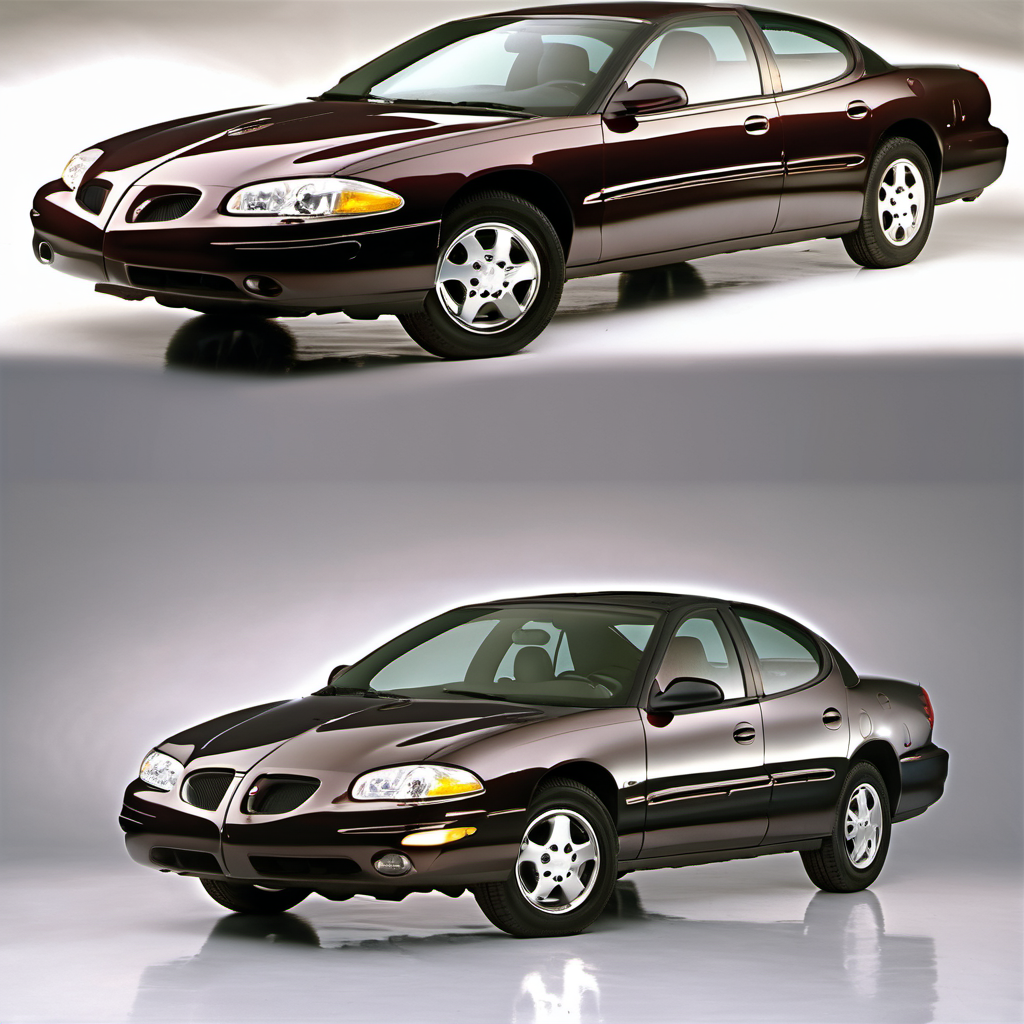
1999 Pontiac
Sedan
The 1999 Pontiac Grand Prix is a front-wheel-drive mid-size sedan from GM's W-body platform — the same bones shared with the Buick Regal, Oldsmobile Intrigue, and Chevrolet Lumina. In its third year of the third-generation redesign, it offered a sporty-for-the-era look with a wide interior and a choice of the base 3.1L V6 or the supercharged 3.8L V6 in GT/GTP trims. The 3.1L is the volume-leader engine and is the focus here. With 25 years on the clock, any surviving Grand Prix is deep into high-mileage territory. The 3100 V6 is a proven workhorse that can push well past 150k miles with regular oil changes, but it carries a well-documented intake manifold gasket weakness that affects nearly every example of this era. Budget for that repair if it hasn't already been done. These cars are plentiful, parts are cheap, and any competent independent shop can work on them — that keeps ownership costs low. Don't expect a rust-free example if it's spent its life in Wisconsin; the W-body rocker panels and rear wheel wells are notorious salt traps.
The 1999 Pontiac Grand Prix is a front-wheel-drive mid-size sedan from GM's W-body platform — the same bones shared with the Buick Regal, Oldsmobile Intrigue, and Chevrolet Lumina. In its third year of the third-generation redesign, it offered a sporty-for-the-era look with a wide interior and a choice of the base 3.1L V6 or the supercharged 3.8L V6 in GT/GTP trims. The 3.1L is the volume-leader engine and is the focus here. With 25 years on the clock, any surviving Grand Prix is deep into high-mileage territory. The 3100 V6 is a proven workhorse that can push well past 150k miles with regular oil changes, but it carries a well-documented intake manifold gasket weakness that affects nearly every example of this era. Budget for that repair if it hasn't already been done. These cars are plentiful, parts are cheap, and any competent independent shop can work on them — that keeps ownership costs low. Don't expect a rust-free example if it's spent its life in Wisconsin; the W-body rocker panels and rear wheel wells are notorious salt traps.
The 3.1L relies on consistent oil pressure and cleanliness to protect the lifters and keep sludge from accelerating wear. Stretch intervals shorten engine life noticeably on this engine.
Degraded Dex-Cool becomes acidic and accelerates intake gasket and radiator deterioration. Check for rusty or oily coolant — both signal a gasket problem.
The 4T60-E is a sturdy transmission but hates old fluid. Regular service is the best way to avoid a $1,500+ rebuild.
Belt failure leaves you stranded and can damage other accessories. Tensioner pulleys on this platform wear and develop noise before failure.
The rear bank of cylinders on this transverse V6 is hard to reach — do it on schedule to avoid paying labor twice.
This is the single most common costly repair on the 3.1L. Catching seepage early prevents coolant from entering the oil and causing catastrophic engine damage.
A battery that tests marginal in October will often fail to start the car at -10°F in January. Cold cranking amps drop sharply as batteries age.
Moisture absorption in brake fluid lowers its boiling point and accelerates caliper and ABS component corrosion — especially relevant in road-salt environments.
Always defer to the manufacturer's service manual for warranty-mandated intervals.
The Grand Prix is one of the cheaper cars to own on paper. Parts are plentiful and inexpensive, labor is straightforward for most repairs, and insurance is minimal. The wildcard is deferred maintenance: if the intake gasket, transmission, or cooling system has been neglected, a single repair event can cost more than the car's market value. Buy one with a paper trail or budget $600–$800 upfront for a full inspection and any immediate repairs.
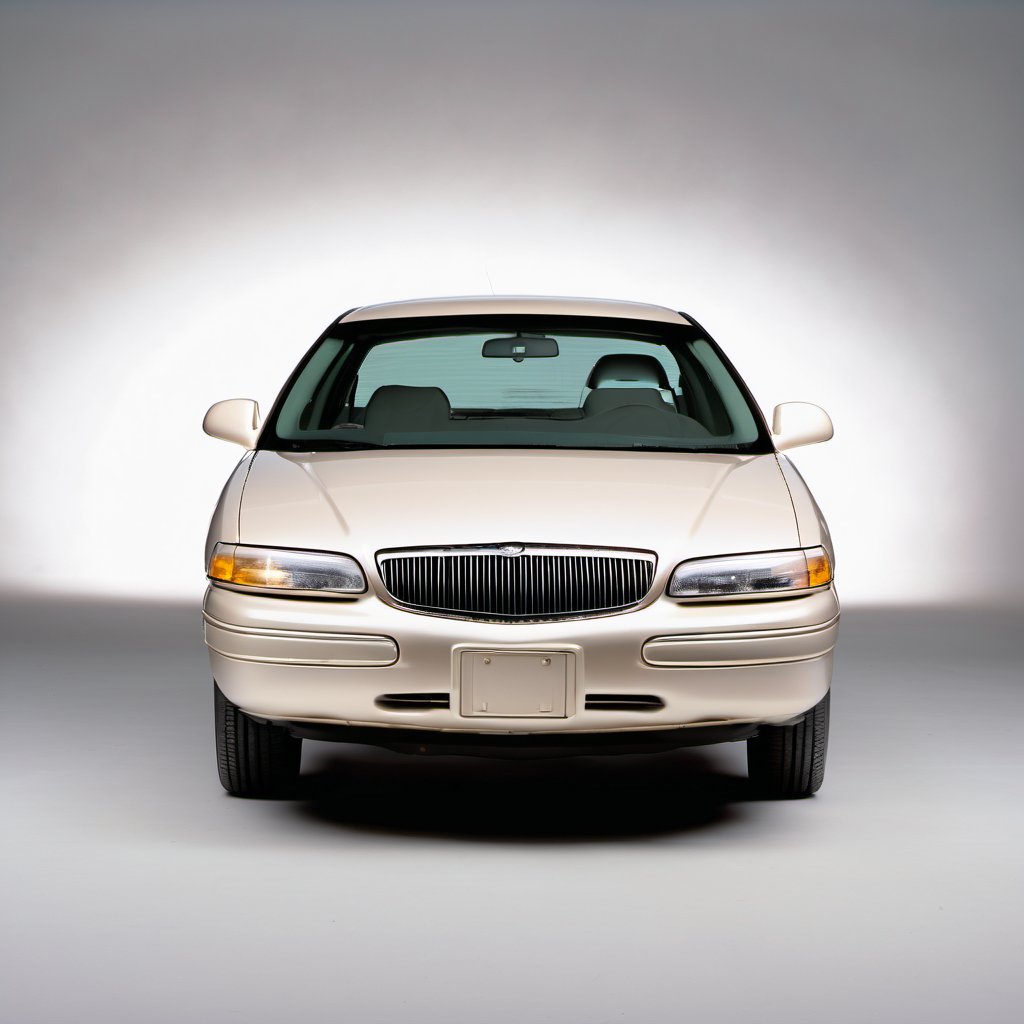
Shares the identical W-body platform and 3.8L/3.1L V6 lineup. More upscale interior trim, same parts, often better maintained by original owners.
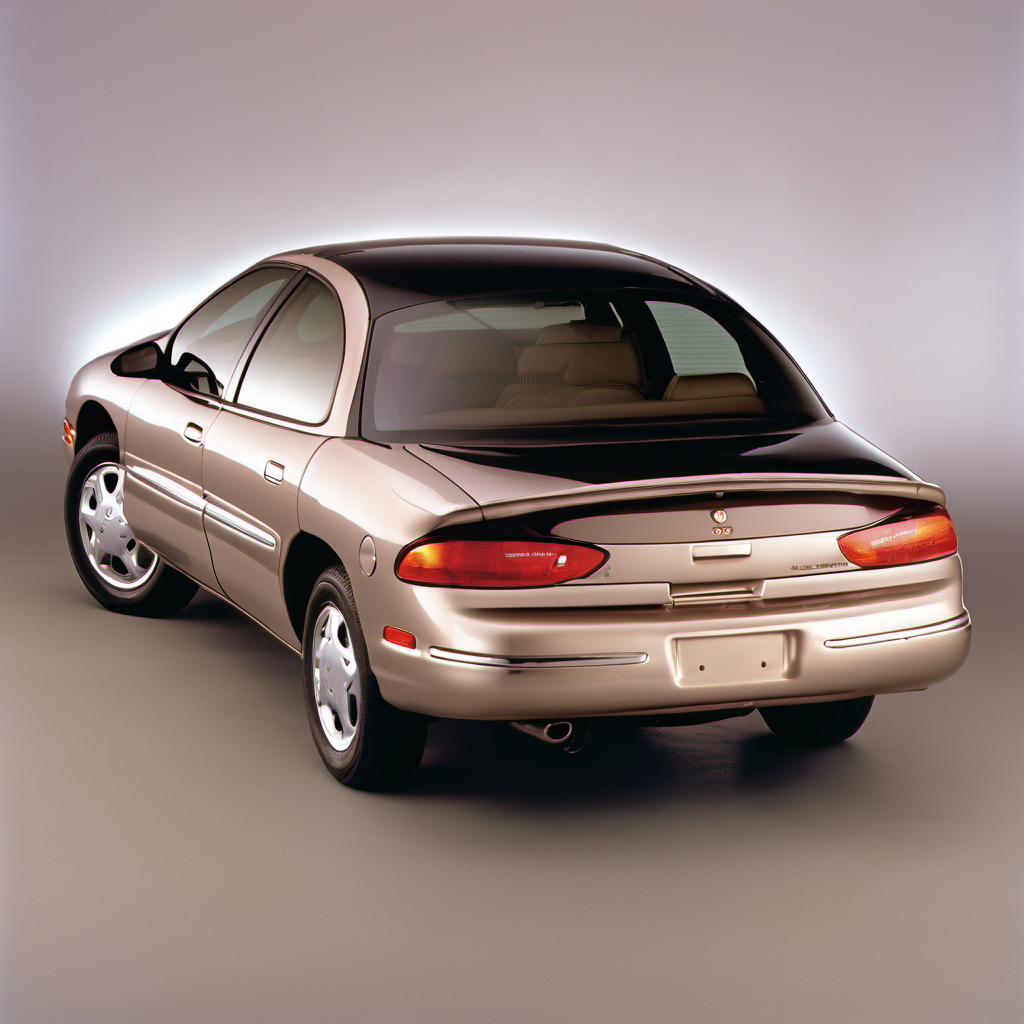
Another W-body sibling with the 3.5L DOHC V6 — smoother engine, same budget-friendly parts and repair accessibility.
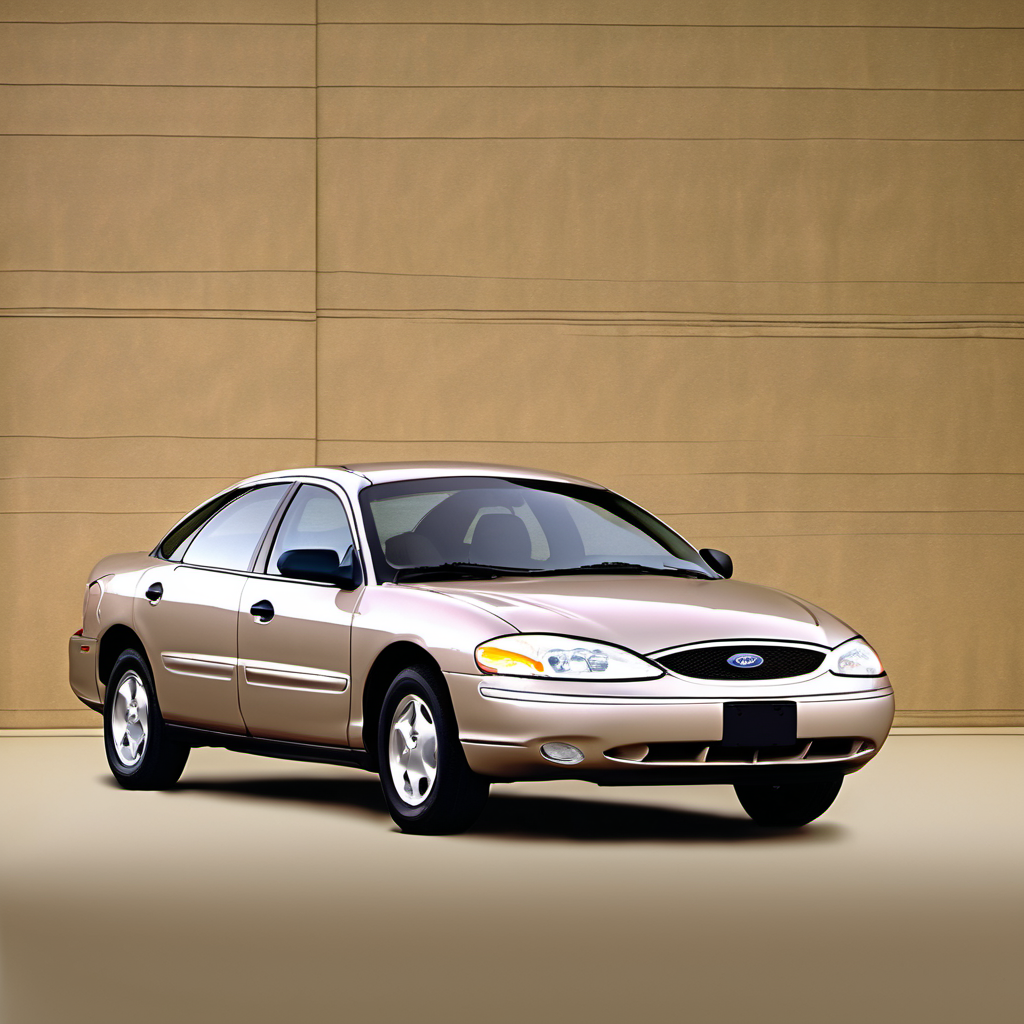
Competing mid-size FWD V6 sedan of the same era; similarly priced used, comparable reliability, different (Vulcan/Duratec) engine family.
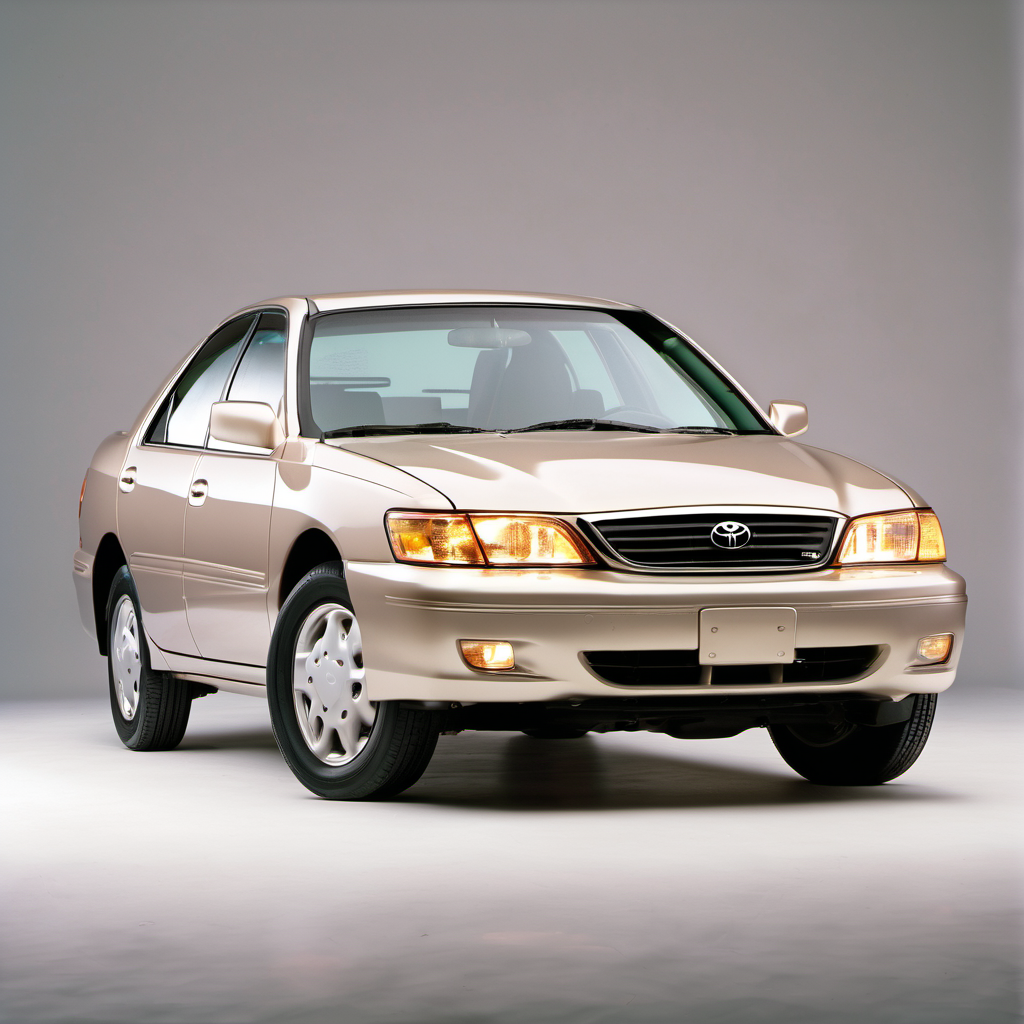
Same mid-size FWD sedan segment; considerably better long-term reliability and rust resistance, but higher purchase price on the used market.