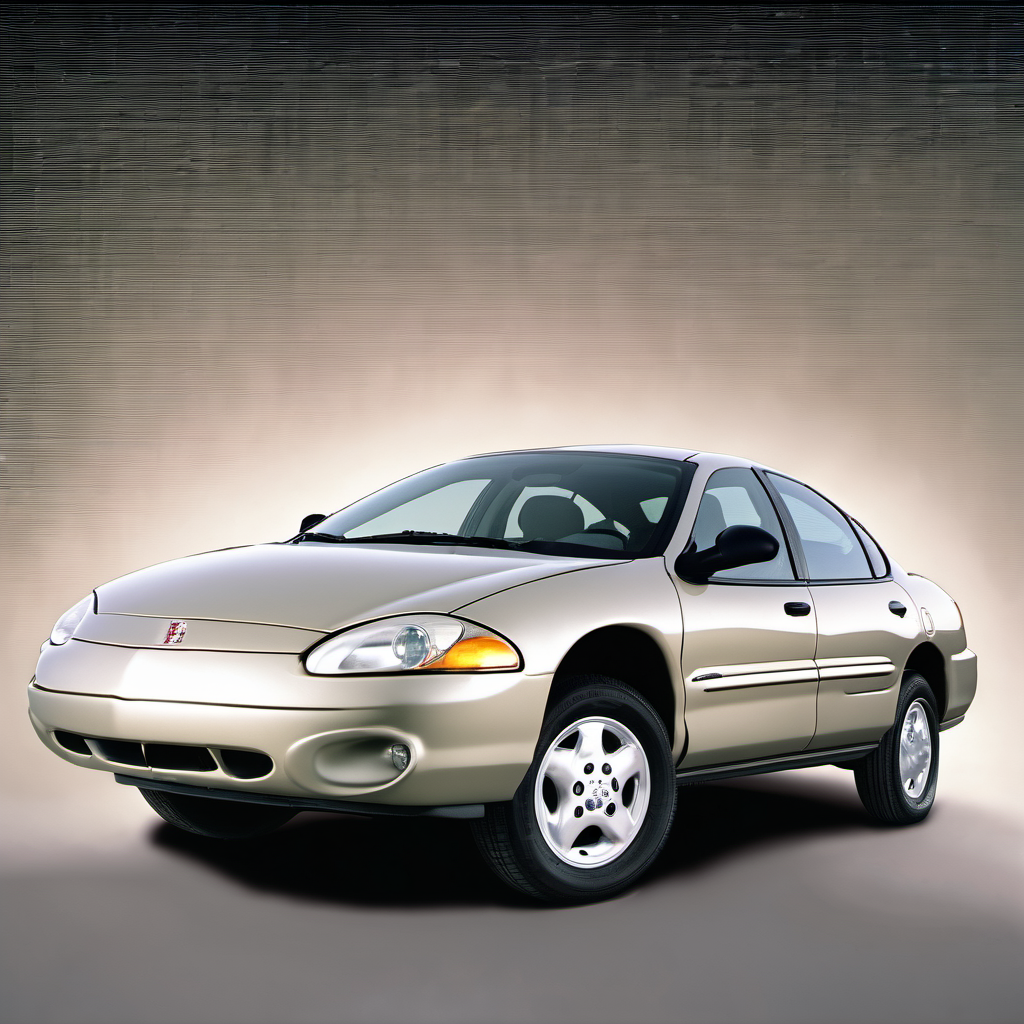
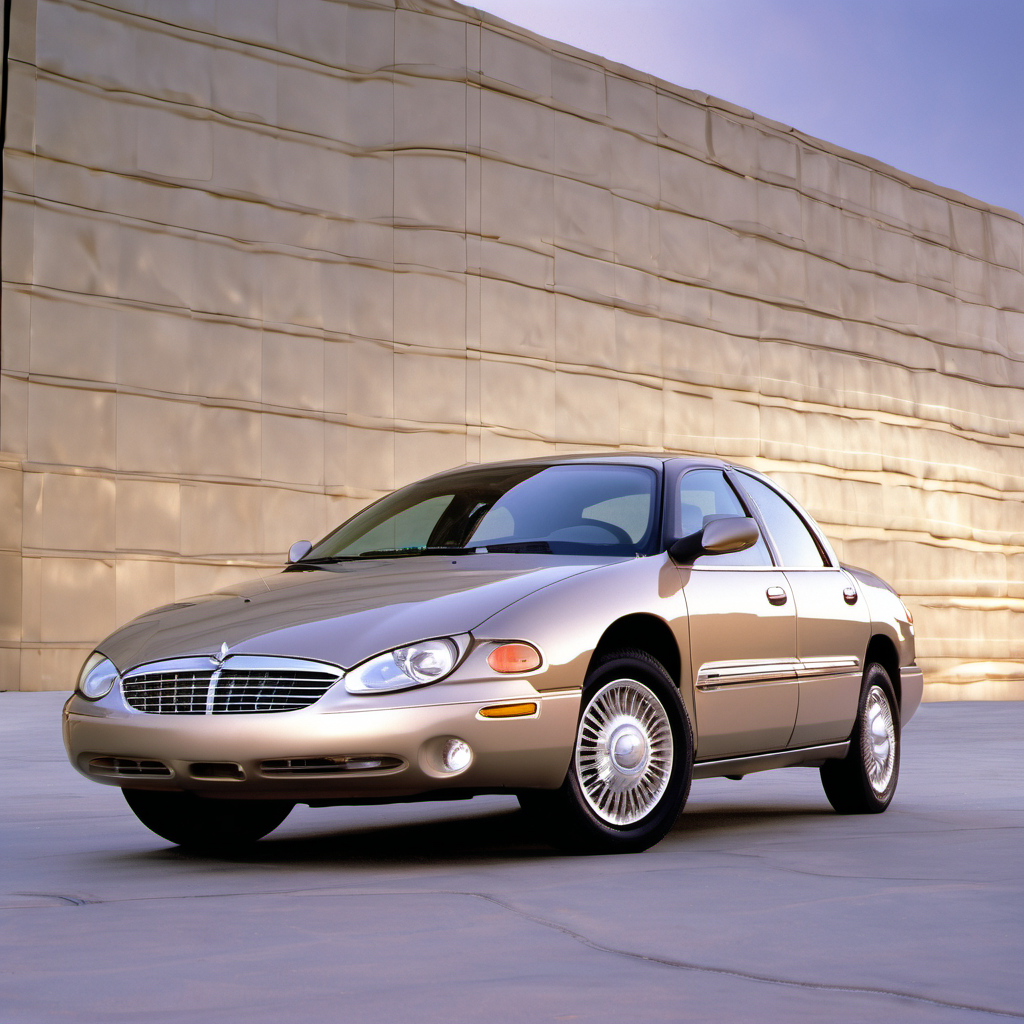
1998 Dodge Intrepid Sedan

1998 Dodge

IntrepidSedan

Sedan

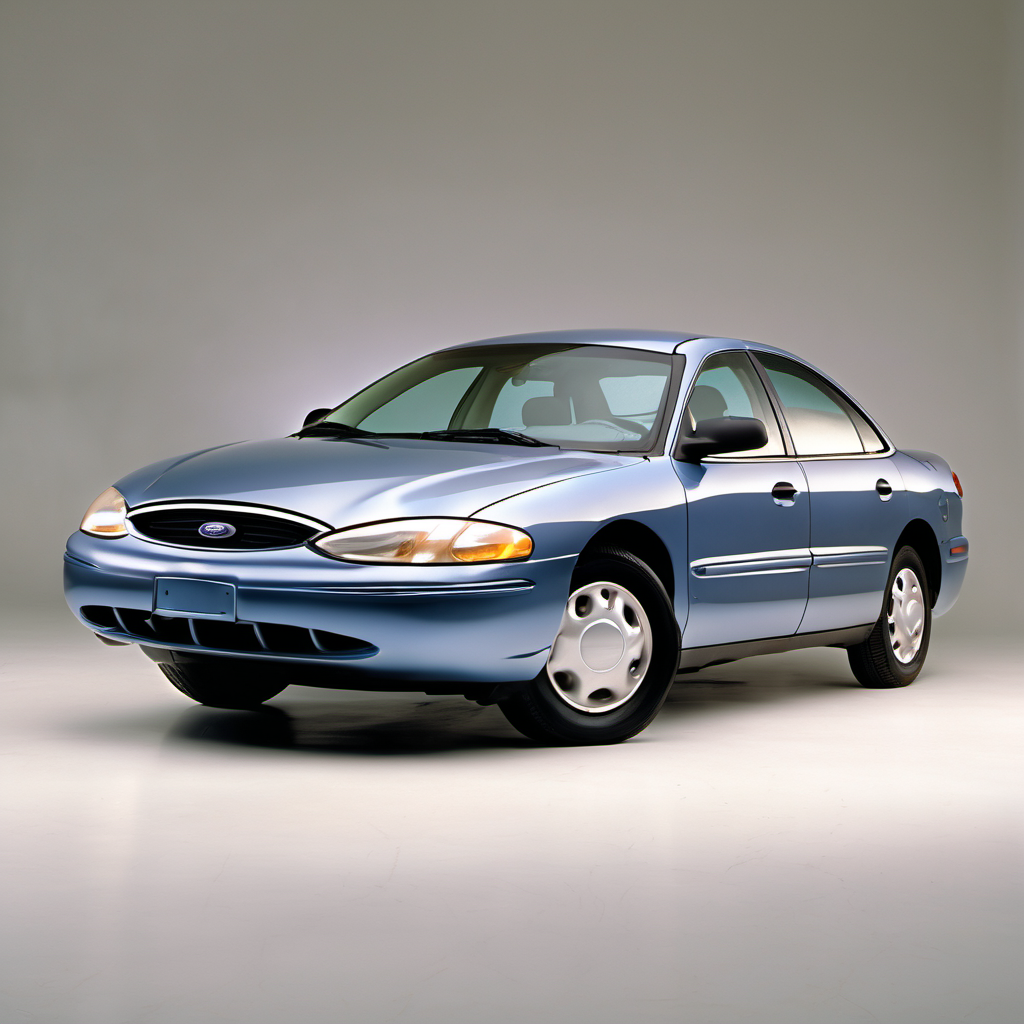
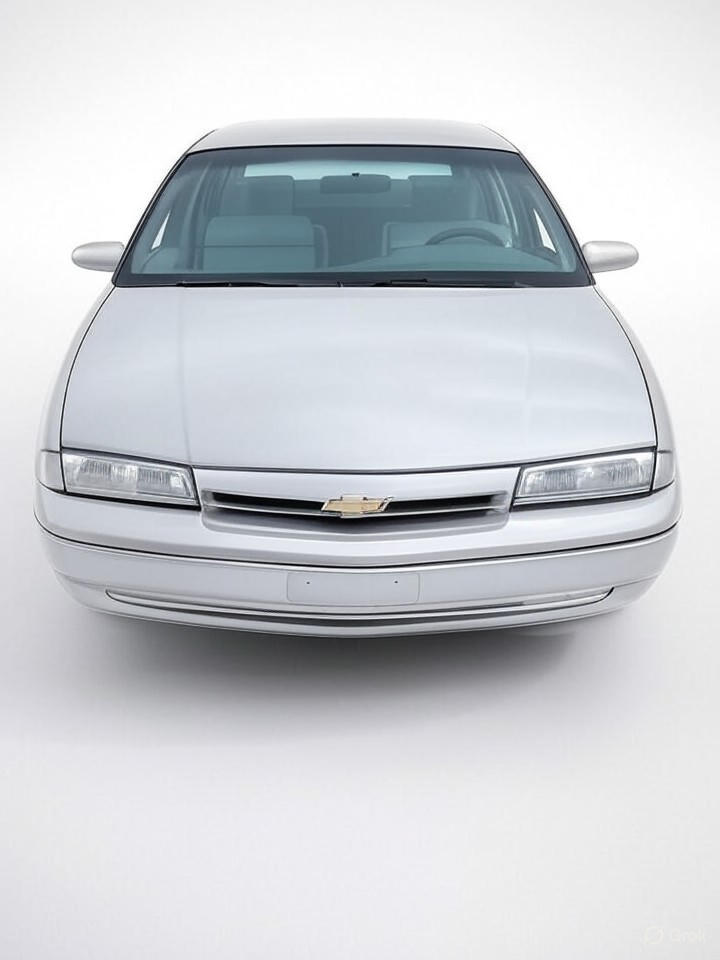
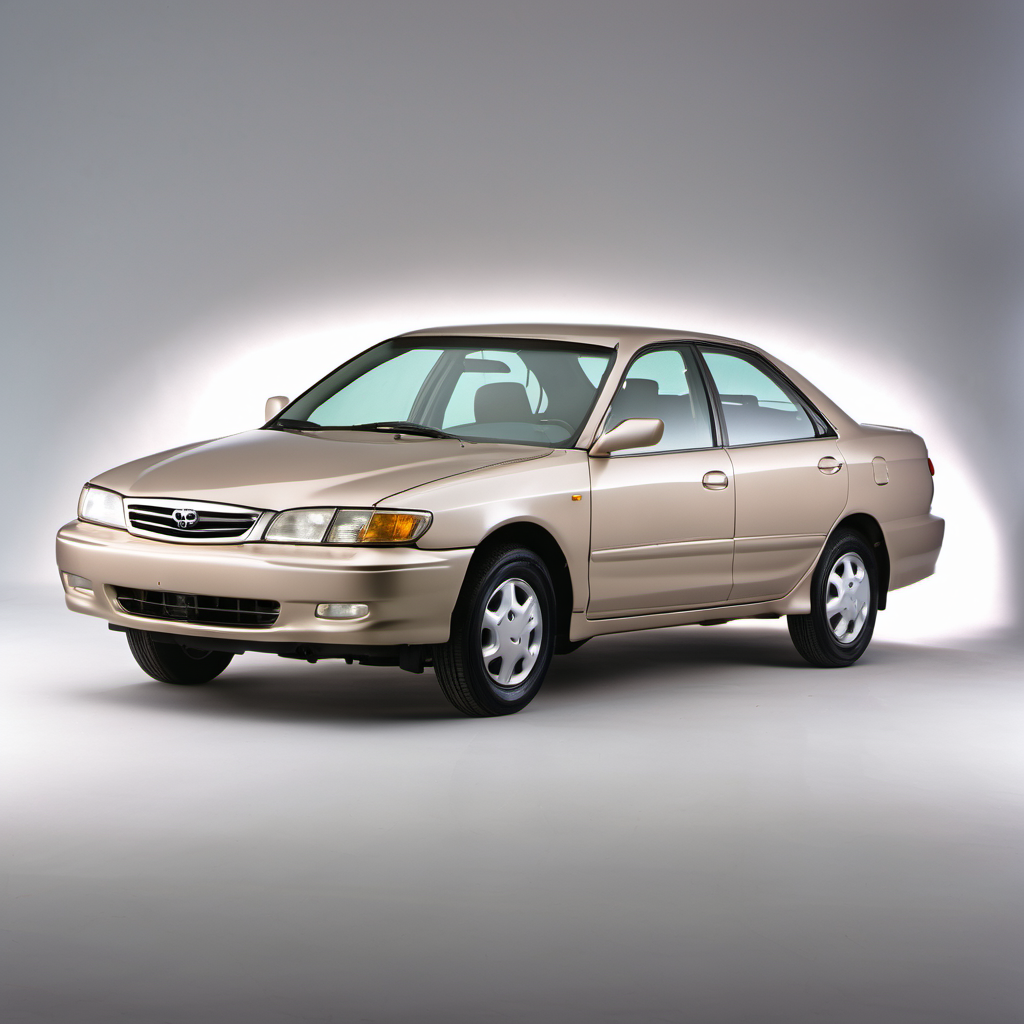
The 1998 Dodge Intrepid is a front-wheel-drive full-size sedan built on Chrysler's LH platform — the same bones shared with the Chrysler Concorde and Eagle Vision. It offered a roomy interior and a reasonably athletic ride for its class, making it a popular value family sedan in the late '90s. The second-generation LH cars (1998–2004) were a significant step up from the first gen in fit and finish, though they carried some engine reliability baggage that buyers should understand before committing. The 2.7L V6 found in this car is the engine to scrutinize most carefully. It earned a poor reputation for sludge buildup when oil changes were neglected or extended, which could lead to catastrophic engine failure. That said, meticulously maintained examples have survived well past 150k miles. The 3.2L and 3.5L V6 options available in other Intrepid trims were considerably more robust — if you're shopping used, knowing which engine is under the hood matters enormously. As a daily driver for flat Midwest roads, the Intrepid is comfortable and spacious. But at 25+ years old, parts availability is shrinking, and rust from Wisconsin winters is a real concern on any survivor. Budget accordingly.

Reliability
2/5
Verified data
Specs shown for Intrepid — the most common configuration. Other trims may vary in engine, drivetrain, or fuel economy. Sign in to see your vehicle's exact specs.
Engine
[object Object]
Drivetrain
FWD
Fuel
Gasoline
MPG
18 city / 28 hwy / 22 combined
Seats
Doors
Body
Large Cars

Overview

AI-curated

The 1998 Dodge Intrepid is a front-wheel-drive full-size sedan built on Chrysler's LH platform — the same bones shared with the Chrysler Concorde and Eagle Vision. It offered a roomy interior and a reasonably athletic ride for its class, making it a popular value family sedan in the late '90s. The second-generation LH cars (1998–2004) were a significant step up from the first gen in fit and finish, though they carried some engine reliability baggage that buyers should understand before committing. The 2.7L V6 found in this car is the engine to scrutinize most carefully. It earned a poor reputation for sludge buildup when oil changes were neglected or extended, which could lead to catastrophic engine failure. That said, meticulously maintained examples have survived well past 150k miles. The 3.2L and 3.5L V6 options available in other Intrepid trims were considerably more robust — if you're shopping used, knowing which engine is under the hood matters enormously. As a daily driver for flat Midwest roads, the Intrepid is comfortable and spacious. But at 25+ years old, parts availability is shrinking, and rust from Wisconsin winters is a real concern on any survivor. Budget accordingly.

Known for
  • Roomy interior with near-full-size sedan space
  • Smooth, comfortable highway ride
  • Sporty cab-forward styling for its era
  • 2.7L V6 sludge issues under neglected maintenance
  • Affordable used purchase prices
Best for
  • Budget-conscious buyers who want a large sedan
  • Highway commuters who prioritize comfort over sportiness
  • Owners willing to stay on top of frequent oil changes
Watch for
  • 2.7L V6 engine sludge — the single biggest failure point
  • Transmission solenoid and shift quality problems
  • Rust on subframes, rockers, and wheel wells in salt-belt states
  • Aging electronic modules and wiring harness gremlins
  • Shrinking parts availability for a 25+ year old platform

Common issues by mileage

6 known

2.7L V6 Engine Sludge / Oil Starvation

high
Typically appears
60–150k mi
Estimated repair
$1,500 – $6,000

Automatic Transmission Solenoid / Shift Shudder

high
Typically appears
80–130k mi
Estimated repair
$300 – $1,800

Intake Valve Control Solenoid Circuit Faults

medium
Typically appears
70–120k mi
Estimated repair
$150 – $500

Oxygen Sensor / Heater Circuit Failure

medium
Typically appears
80–150k mi
Estimated repair
$120 – $350

Subframe and Rocker Panel Rust (Salt Belt)

high
Typically appears
Any age vehicle in WI
Estimated repair
$500 – $3,500

Maintenance schedule

  1. 1
    Every 3,000 miles — no exceptions on the 2.7L Engine oil and filter change

    The 2.7L V6 has small oil passages that sludge rapidly with extended intervals. Use the 3k-mile schedule regardless of what the owner's manual suggests. Full synthetic is strongly recommended. This is the single most important maintenance item on this car.

  2. 2
    Every 30,000 miles Transmission fluid drain and fill

    The 42LE automatic is sensitive to fluid condition. Fresh fluid prevents solenoid sticking and shift quality degradation. Do a drain-and-fill rather than a full flush on a high-mileage unit.

  3. 3
    Every 2 years or 30,000 miles Coolant system flush and thermostat inspection

    The 2.7L runs warm and coolant degradation accelerates corrosion in aluminum passages. A failing thermostat can push the engine into overheating, which compounds sludge risk.

  4. 4
    Every 60,000 miles or at first sign of cracking Serpentine belt and tensioner inspection

    Belt-driven accessories include A/C and power steering. A snapped belt leaves you stranded and can cause rapid overheating.

  5. 5
    Every 30,000 miles Spark plugs replacement

    Worn plugs on the 2.7L increase misfires and combustion inefficiency, adding heat stress to an already thermally sensitive engine.

  6. 6
    Every fall, before road-salt season Underbody rust inspection and treatment

    Wisconsin salt exposure accelerates subframe and rocker rust on these cars. Catch it early — structural rust repair is expensive, and a rotted subframe can make the car not worth fixing.

  7. 7
    Every fall Battery load test

    Cold-cranking demand in sub-zero Wisconsin winters will expose a weak battery. A battery that passes a summer voltage test can still fail at -10°F.

  8. 8
    Every 12 months or 15,000 miles Brake inspection (pads, rotors, lines)

    Brake lines on late-'90s Dodges are vulnerable to corrosion in salt-belt states. Check for rust weeping at fittings and along the frame rails annually.

Always defer to the manufacturer's service manual for warranty-mandated intervals.

Cost of ownership

Annual maintenance
$800 – $2,200
Fuel
At 22 MPG combined and typical Wisconsin driving, expect $1,400–$1,800/year at current mid-grade pump prices.
Insurance
Typically low — an older sedan with declining market value usually qualifies for liability-only or minimal comprehensive coverage.

The Intrepid can be cheap to own if nothing goes wrong and oil changes are religiously kept up. The risk is the 2.7L engine: a sludge-related failure can cost more than the car is worth. Budget a larger repair fund than you would for a more reliable platform. Parts are still available but require more searching than they did a decade ago.
Seasonal care

Lake Geneva, WI
Winter
  • Test the battery every fall — cold starts at Wisconsin temps drain a weak battery fast and the 2.7L needs a strong crank to build oil pressure quickly.
  • Switch to a full synthetic 5W-30 if not already running it; it flows better at sub-zero temps and is critical for protecting the 2.7L's narrow oil passages on cold starts.
  • Fill the washer fluid reservoir with a -20°F or lower rated fluid — the stock reservoir has no heat and will freeze with standard fluid.
  • Inspect brake lines and fittings for rust before winter; salt exposure accelerates line corrosion on this generation of Dodge sedans.
  • Check antifreeze concentration to protect to at least -34°F — use a refractometer, not just a visual check.
  • Keep the gas tank at least half full to reduce moisture condensation in the fuel system and add weight over the front-drive axle.
Summer
  • Monitor coolant temperature closely — the 2.7L is prone to running warm, and a summer traffic jam can push a marginal cooling system into overheating.
  • Check A/C refrigerant and cabin blower function before July heat arrives; the evaporator on these cars can develop slow leaks with age.
  • Inflate tires to spec after winter — summer heat causes pressure to rise, and tires that were set at winter pressures will be overinflated once temps climb.
  • Inspect the serpentine belt for heat cracking — summer heat accelerates rubber degradation on a 25-year-old engine bay.
  • Flush and inspect the coolant system if it hasn't been done recently; degraded coolant loses corrosion inhibitors quickly in summer heat cycles.

Comparable vehicles

If you're shopping for one

Red flags
  • Any sludge visible on the oil cap, dipstick, or valve cover — walk away.
  • No oil change records or gaps greater than 5,000 miles between changes.
  • Overheating history — once the 2.7L has been run hot, bearing and journal damage is often already done.
  • Camshaft position timing codes (P0012, P0015, P0022, P0025) stored in the ECM — these indicate oil flow or timing chain problems.
  • Heavy rust on the subframe or brake lines — repair cost will exceed vehicle value.
  • Transmission slipping, delayed engagement, or shudder on the test drive.
What to inspect
  • Pull the oil cap and look inside for sludge — brown mayo-like buildup means the engine has been neglected and may be compromised.
  • Check for a full oil change service history; on the 2.7L, gaps longer than 4,000 miles are a red flag.
  • Inspect subframe mounting points, rocker panels, and wheel wells for rust perforation — structural rust can total an otherwise running car.
  • Test-drive through light throttle highway speeds to check for transmission shudder or erratic shifts.
  • Look for coolant leaks around the water pump and thermostat housing — common on higher-mileage 2.7L engines.
  • Scan for stored DTCs before buying; camshaft timing and network communication codes in particular signal serious underlying issues.
AI profile generated 3 days ago · claude-sonnet-4-6 · v2.