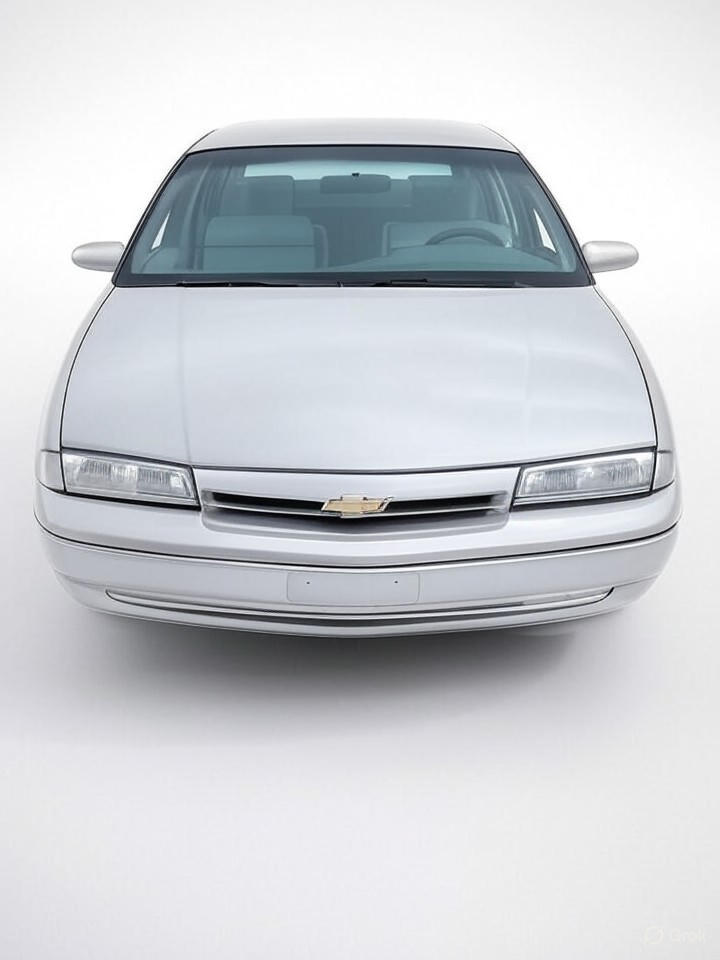
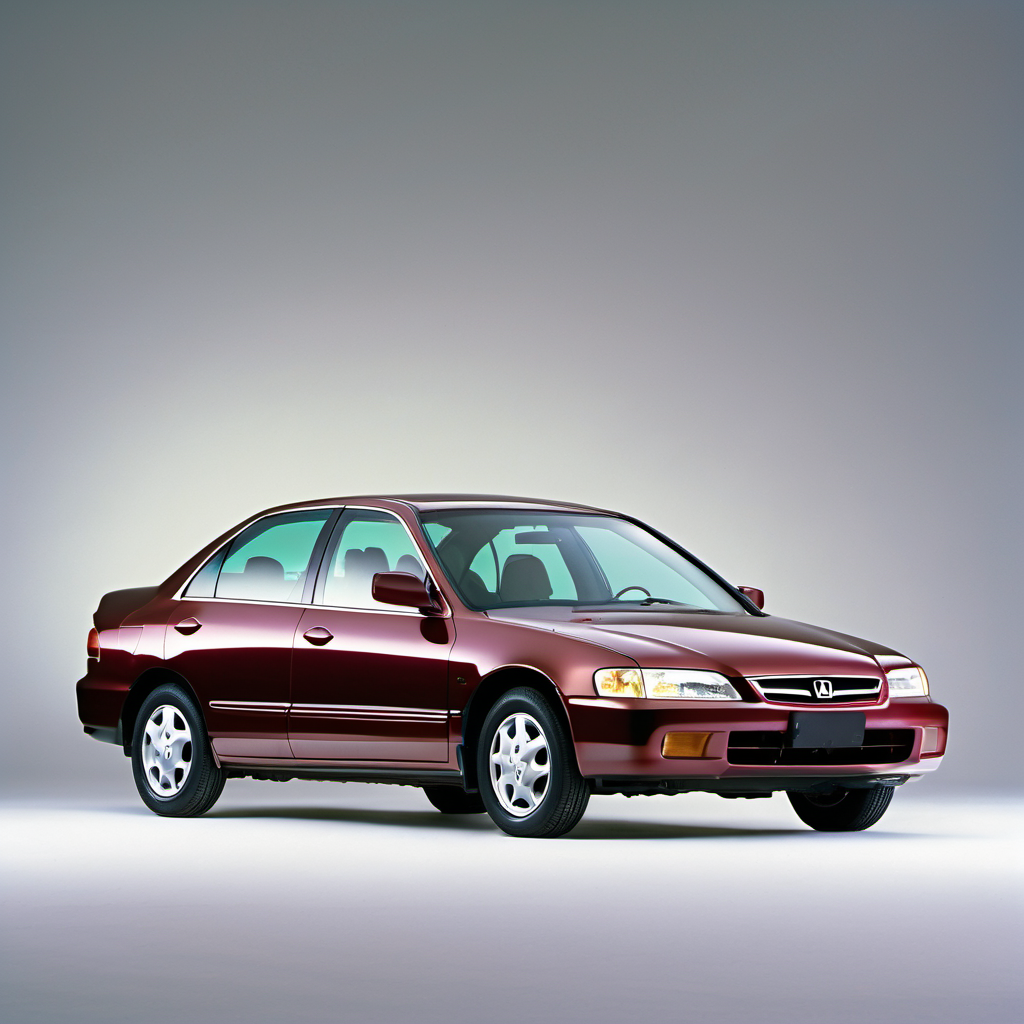
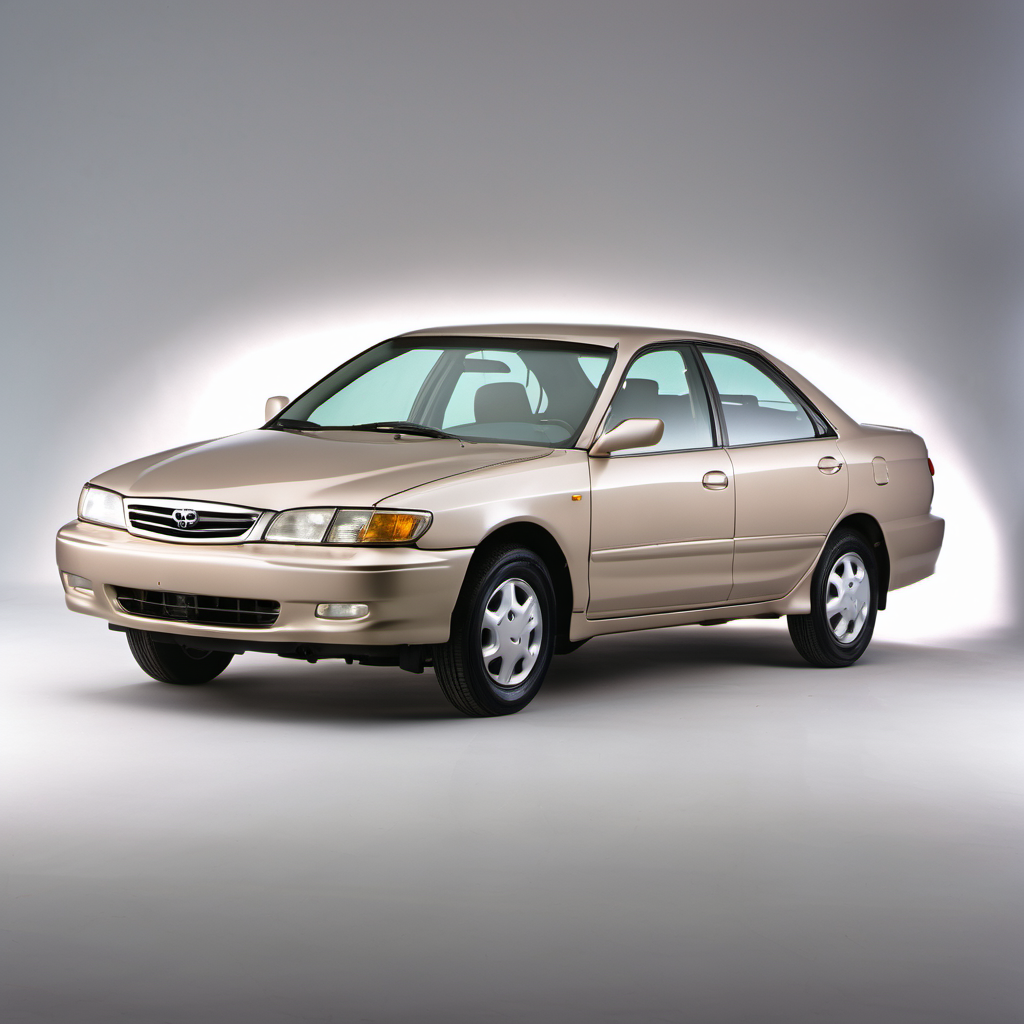
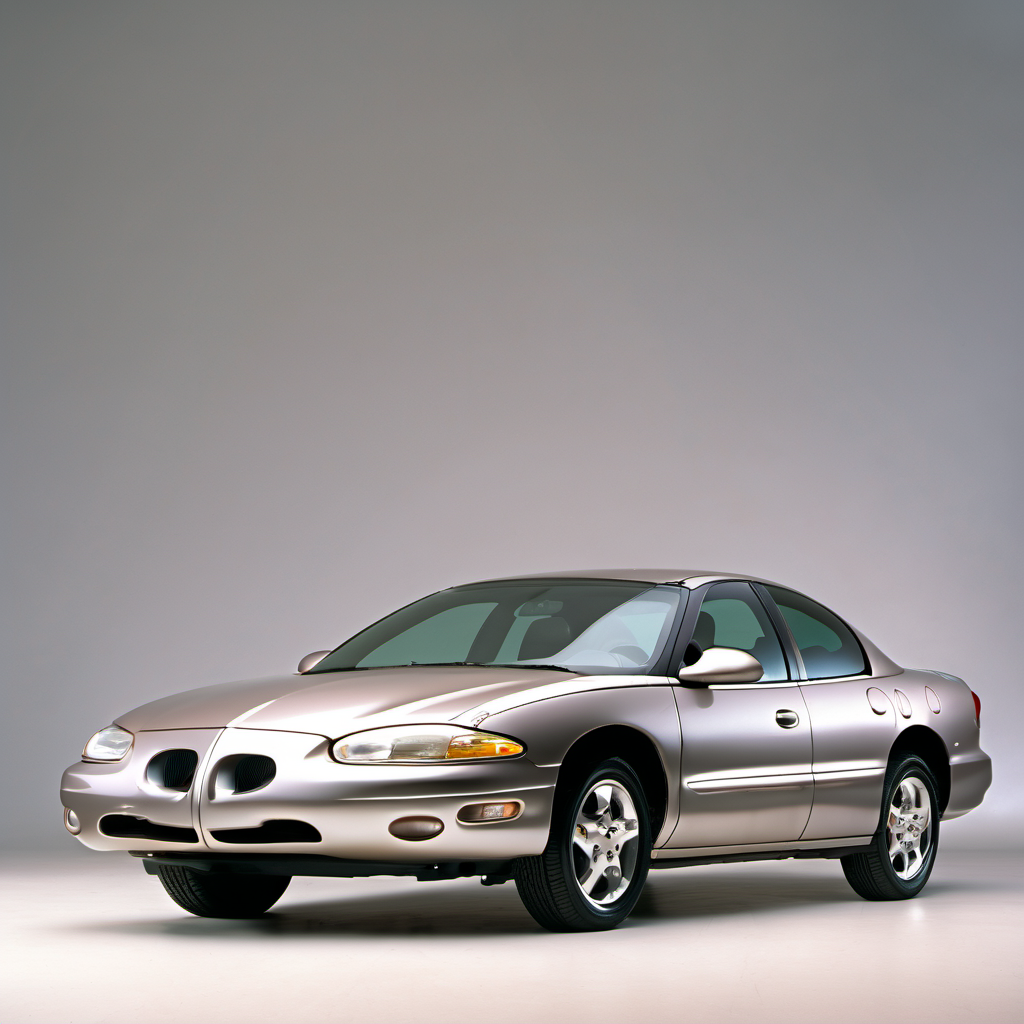
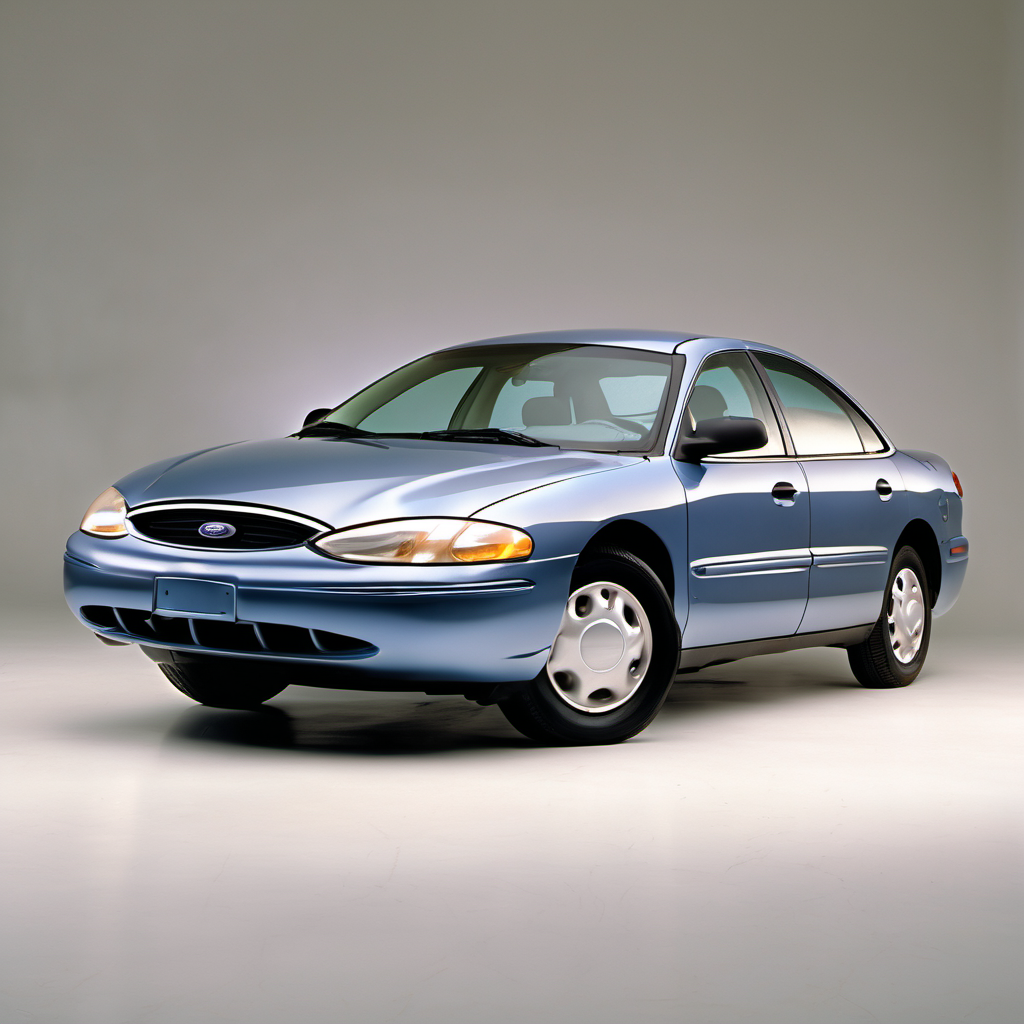
1998 Chevrolet Lumina Sedan

1998 Chevrolet

LuminaSedan

3.1L V6 · Sedan

The 1998 Chevrolet Lumina is a front-wheel-drive mid-size sedan that served as one of GM's workhorses through the 1990s. Riding on the W-body platform shared with the Buick Regal and Pontiac Grand Prix, the Lumina was positioned as an affordable family hauler with a reputation for comfortable highway cruising and decent room for five adults. By 1998, the Lumina had received some refinements but remained fundamentally unchanged from its early-'90s roots. The standard engine was GM's tried-and-true 3.1L V6 (with the 3.8L V6 available on higher trims), paired to a 4-speed automatic. It was never exciting to drive, but it was broadly reliable when maintained and offered low cost of entry. At 26 years old, surviving Luminas are deep into high-mileage territory. Rust is the number-one concern for any Wisconsin-region example — these cars were not well-protected from the factory and decades of road salt take a serious toll on subframes, floor pans, and brake lines. Budget-minded buyers can still find value here, but a thorough pre-purchase inspection is non-negotiable.

Reliability
2/5
Verified data
Engine
3.1L V6
Drivetrain
FWD
Fuel
Gasoline
MPG
20 city / 29 hwy / 23 combined
Seats
6
Doors
4
Body
Sedan
MSRP
$17,490

Overview

AI-curated

The 1998 Chevrolet Lumina is a front-wheel-drive mid-size sedan that served as one of GM's workhorses through the 1990s. Riding on the W-body platform shared with the Buick Regal and Pontiac Grand Prix, the Lumina was positioned as an affordable family hauler with a reputation for comfortable highway cruising and decent room for five adults. By 1998, the Lumina had received some refinements but remained fundamentally unchanged from its early-'90s roots. The standard engine was GM's tried-and-true 3.1L V6 (with the 3.8L V6 available on higher trims), paired to a 4-speed automatic. It was never exciting to drive, but it was broadly reliable when maintained and offered low cost of entry. At 26 years old, surviving Luminas are deep into high-mileage territory. Rust is the number-one concern for any Wisconsin-region example — these cars were not well-protected from the factory and decades of road salt take a serious toll on subframes, floor pans, and brake lines. Budget-minded buyers can still find value here, but a thorough pre-purchase inspection is non-negotiable.

Known for
  • Smooth, comfortable highway ride on the W-body platform
  • Durable 3.1L and 3.8L V6 engines when regularly serviced
  • Roomy interior and large trunk for its class
  • Low original purchase price and affordable parts
Best for
  • Budget-conscious buyers who need basic transportation
  • Local/low-mileage use where rust hasn't taken hold
  • DIY mechanics comfortable with early OBD-II GM platforms
Watch for
  • Severe rust on subframe, floor pans, and brake lines in salt-belt examples
  • Intake manifold gasket failures on the 3.1L V6
  • Aging cooling system components leading to overheating
  • Difficult-to-source trim and interior pieces at this age

Common issues by mileage

6 known

Intake Manifold Gasket Failure (3.1L V6)

high
Typically appears
60–130k mi
Estimated repair
$350 – $650

Coolant Reservoir and Radiator Hose Deterioration

high
Typically appears
80k+ mi
Estimated repair
$150 – $400

Power Steering Rack Leak or Failure

medium
Typically appears
100k+ mi
Estimated repair
$300 – $650

Worn Struts, Control Arm Bushings, and Sway Bar Links

high
Typically appears
80k+ mi
Estimated repair
$300 – $800

Oxygen Sensor Failure (B1S1 / B1S2)

medium
Typically appears
80–150k mi
Estimated repair
$150 – $350

Rust — Brake Lines, Subframe, and Floor Pan

high
Typically appears
All mileage on salt-belt vehicles
Estimated repair
$500 – $3,000

Maintenance schedule

  1. 1
    Every 2 years or when purchasing used Inspect and pressure-test the cooling system

    Intake manifold gasket failure on the 3.1L often shows first as slow coolant loss or white exhaust. Catching it early prevents head gasket damage and a much larger repair bill.

  2. 2
    Every 5 years or 100k mi Replace engine coolant (DEX-COOL or compatible long-life coolant)

    Degraded coolant accelerates gasket and cooling system corrosion — a known contributor to the 3.1L's intake gasket issues.

  3. 3
    Annually, before winter Inspect all brake lines and hoses for corrosion and cracking

    Road salt in Wisconsin aggressively corrodes steel brake lines. A failed brake line is a safety emergency. Rubber hoses also crack with age and heat.

  4. 4
    Every 5,000 mi or 6 months Change engine oil and filter

    Older engines with higher miles benefit from more frequent oil changes to keep sludge from accelerating wear on the valve train and seals.

  5. 5
    Annually Inspect and lubricate suspension and steering components

    Control arm bushings, sway bar end links, and tie rod ends are commonly worn on high-mileage W-body sedans. Worn suspension worsens handling on icy roads.

  6. 6
    Every 60k mi or every 5 years Inspect and replace serpentine belt and tensioner

    A snapped belt disables the alternator, power steering, and water pump simultaneously. Belt rubber degrades with age even at low mileage.

  7. 7
    Every 3–4 years, always before winter Test and replace battery as needed

    Sub-zero temperatures in Lake Geneva can reduce battery capacity by 30–50%. A battery that seems fine in October can leave you stranded in January.

  8. 8
    Every 30k mi Replace spark plugs and inspect ignition wires

    The 3.1L uses conventional spark plugs. Worn plugs and cracked ignition wires cause rough starts and misfires, especially in cold weather.

Always defer to the manufacturer's service manual for warranty-mandated intervals.

Cost of ownership

Annual maintenance
$600 – $1,800
Fuel
At ~23 MPG combined and average Wisconsin driving, expect roughly $1,500–$2,000/year at current gas prices depending on mileage.
Insurance
Typically $600–$1,000/year for minimum to mid-level coverage on a vehicle this age; actual cost depends heavily on driver profile.

The Lumina's biggest ownership cost advantage is cheap parts — this is a well-documented GM platform with widely available components. Routine maintenance is inexpensive. The financial risk is a major rust repair or a neglected cooling system failure: either can cost more than the car is worth. Keep a repair-vs-value reality check in mind as this vehicle ages.
Seasonal care

Lake Geneva, WI
Winter
  • Test battery load capacity before November — cold cranking amps degrade significantly in sub-zero Lake Geneva winters. Replace any battery over 4 years old proactively.
  • Inspect steel brake lines along the frame rails and beneath the car for rust perforation before each winter season. This is the single most important safety check on a salt-belt Lumina.
  • Switch to winter-rated wiper blades and fill the washer reservoir with fluid rated to at least -20°F — the standard reservoir on W-body cars is large, but it drains fast in slushy conditions.
  • Inspect coolant freeze protection with a tester — ensure protection to at least -34°F. A cooling system leak in winter leads to freeze damage fast.
  • Apply undercarriage spray or wax to exposed metal and suspension components before the first salt application of the season to slow ongoing corrosion.
  • Keep the fuel tank at least half full in extreme cold to reduce moisture condensation in the fuel system and maintain fuel pump cooling.
Summer
  • Check tire pressure after temperatures rise — for every 10°F increase, tire pressure rises ~1 PSI. Overinflated tires on hot pavement reduce grip and wear unevenly.
  • Inspect the A/C system for refrigerant charge and compressor clutch engagement. The R-134a system on a 1998 Lumina is likely due for attention at this age.
  • Check the coolant overflow reservoir level weekly during the first heat waves — the 3.1L runs warm, and a low coolant level in summer heat risks overheating quickly.
  • Inspect radiator fins for bug debris and blocked airflow, especially after highway driving. A partially blocked radiator accelerates heat soak at stoplights.

Comparable vehicles

If you're shopping for one

Red flags
  • Any rust-through on the subframe or floor pan — repair costs will exceed the vehicle's value.
  • Soft or spongy brake pedal — suspect corroded or leaking brake lines, a safety emergency on a 26-year-old car.
  • Coolant loss with no visible external leak — likely intake manifold gasket failure or worse.
  • Engine oil that appears milky or caramel-colored on the dipstick.
  • A seller who cannot produce any maintenance records for an almost-30-year-old vehicle.
  • Check engine light that the seller claims 'just came on' or was recently cleared — scan the ECU for stored codes before purchase.
What to inspect
  • Crawl under the car and physically inspect subframe rails, floor pan, and brake lines for rust perforation — not just surface rust, but structural rust.
  • Pressure-test the cooling system and check for white exhaust smoke or coolant odor, which indicate intake manifold gasket failure on the 3.1L.
  • Check the engine oil dipstick for a milky or frothy appearance — this signals coolant mixing with oil, a serious engine condition.
  • Test all four brakes for even stopping and inspect calipers and rubber hoses for cracking or leaking.
  • Drive at highway speed and listen for suspension clunks, steering wander, or vibration indicating worn struts or control arm bushings.
  • Inspect the interior floor and carpet for water intrusion, which often points to a rusted floor pan or failed windshield seal.
AI profile generated 3 days ago · claude-sonnet-4-6 · v2.