Intake Manifold Gasket Failure (Lower)
high- Typically appears
- 60–130k mi
- Estimated repair
- $400 – $750
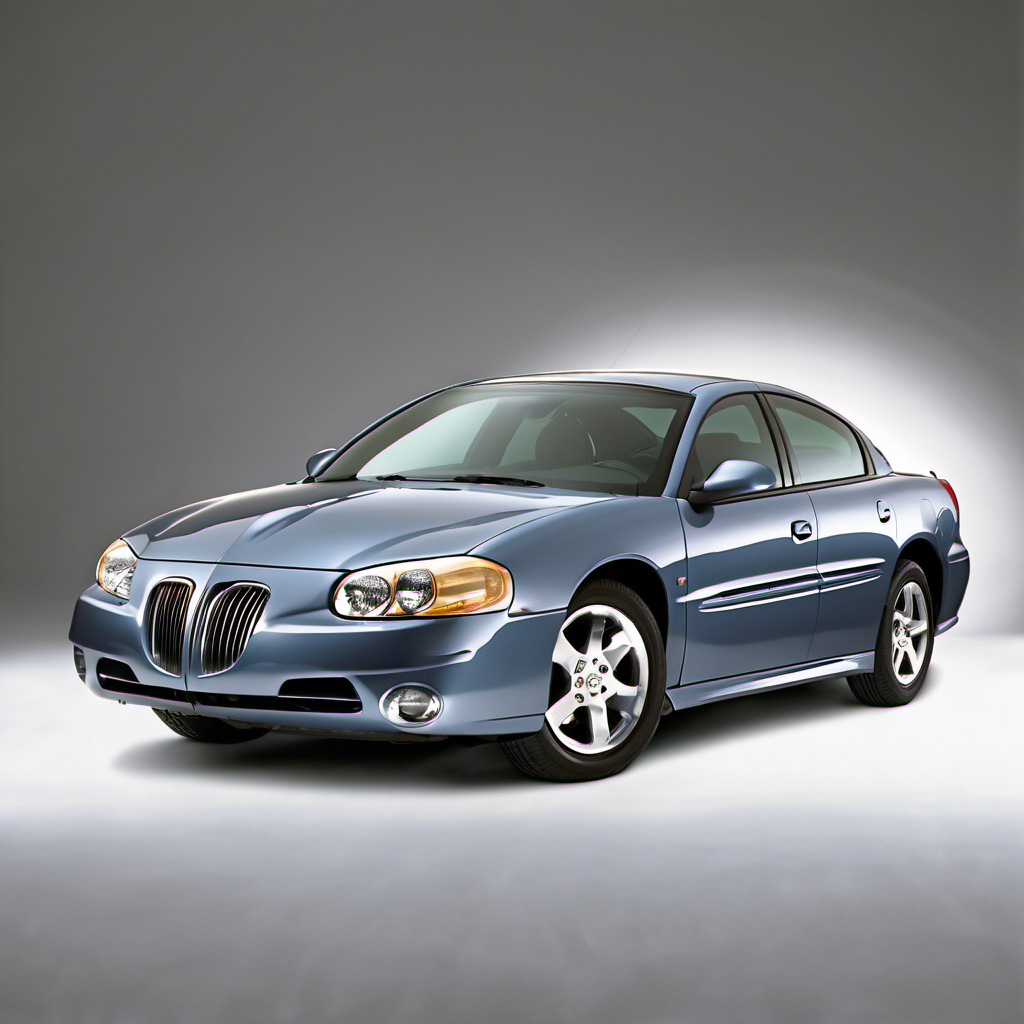
2005 Pontiac
Sedan
The 2005 Pontiac Grand Prix is a front-wheel-drive full-size sedan that served as one of GM's sportier domestic offerings in the mid-2000s. Powered by GM's venerable 3800 Series III V6 (3.8L), it blends reasonable performance with everyday practicality — the same basic engine architecture that earned a strong reputation across many GM platforms for well over a decade. By 2005, the Grand Prix was in its final generation (7th gen, 2004–2008), wearing a more aggressive exterior compared to its predecessors. The base 3.8L produces 200 hp, and a supercharged GTP trim (3.8L SC) pushed 260 hp if you wanted more hustle. Interior space is generous for a sedan, though interior material quality is a fair criticism of GM products of this era. As a used buy in 2025, these cars are plentiful and cheap. Parts availability is excellent, and any competent independent shop knows the 3800 inside and out. The main concerns are age-related: deteriorating intake manifold gaskets, cooling system neglect, and rust — the last of which is a very real issue in Wisconsin.
The 2005 Pontiac Grand Prix is a front-wheel-drive full-size sedan that served as one of GM's sportier domestic offerings in the mid-2000s. Powered by GM's venerable 3800 Series III V6 (3.8L), it blends reasonable performance with everyday practicality — the same basic engine architecture that earned a strong reputation across many GM platforms for well over a decade. By 2005, the Grand Prix was in its final generation (7th gen, 2004–2008), wearing a more aggressive exterior compared to its predecessors. The base 3.8L produces 200 hp, and a supercharged GTP trim (3.8L SC) pushed 260 hp if you wanted more hustle. Interior space is generous for a sedan, though interior material quality is a fair criticism of GM products of this era. As a used buy in 2025, these cars are plentiful and cheap. Parts availability is excellent, and any competent independent shop knows the 3800 inside and out. The main concerns are age-related: deteriorating intake manifold gaskets, cooling system neglect, and rust — the last of which is a very real issue in Wisconsin.
The 3800 Series III tolerates conventional oil well, but sludge from extended drain intervals accelerates wear on valve train components. Stay on schedule.
Degraded DEX-COOL becomes acidic and attacks intake manifold gaskets — the #1 failure on this engine. Fresh coolant is cheap insurance.
Catch this early — a slow external leak is a $500 job; an internal coolant-to-oil leak or overheating event can mean a head gasket job at $1,200+.
Worn plugs make the ignition coils work harder; coil packs on the 3800 are not cheap. Fresh plugs protect the whole ignition system.
Belt failure on this engine kills the water pump immediately. The tensioner pulley is a common failure point on higher-mileage 3800s.
The 4T65-E is generally durable but does not like dirty fluid. Regular service is the single best way to avoid a costly transmission rebuild.
Absorbed moisture in old brake fluid lowers boiling point and corrodes ABS components — already a known weak spot on this platform.
Wisconsin road salt is aggressive. Annual inspection of the subframe, rocker panels, brake lines, and fuel lines can catch structural rust before it becomes a safety issue or a total-loss situation.
Always defer to the manufacturer's service manual for warranty-mandated intervals.
A 2005 Grand Prix is one of the more affordable large sedans to own daily. Parts are plentiful and cheap, and most repairs are straightforward for an independent shop. The wildcard is rust and deferred maintenance — a car that hasn't had its cooling system serviced or has significant undercarriage rust can turn into an expensive headache fast. Budget a bit extra in year one for a thorough inspection and catch-up maintenance.
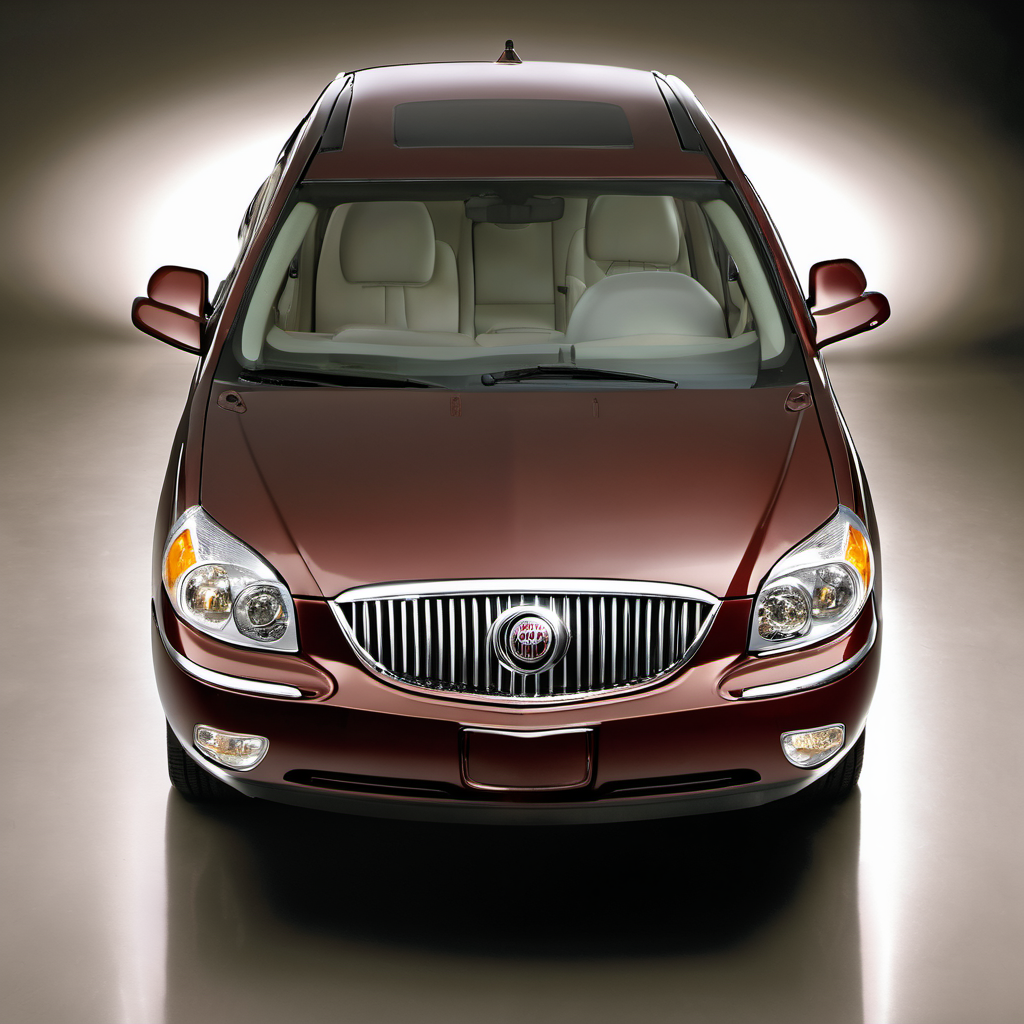
Same GM W-body platform, same 3800 V6, slightly more upscale interior. Often priced similarly used and shares most mechanical components.
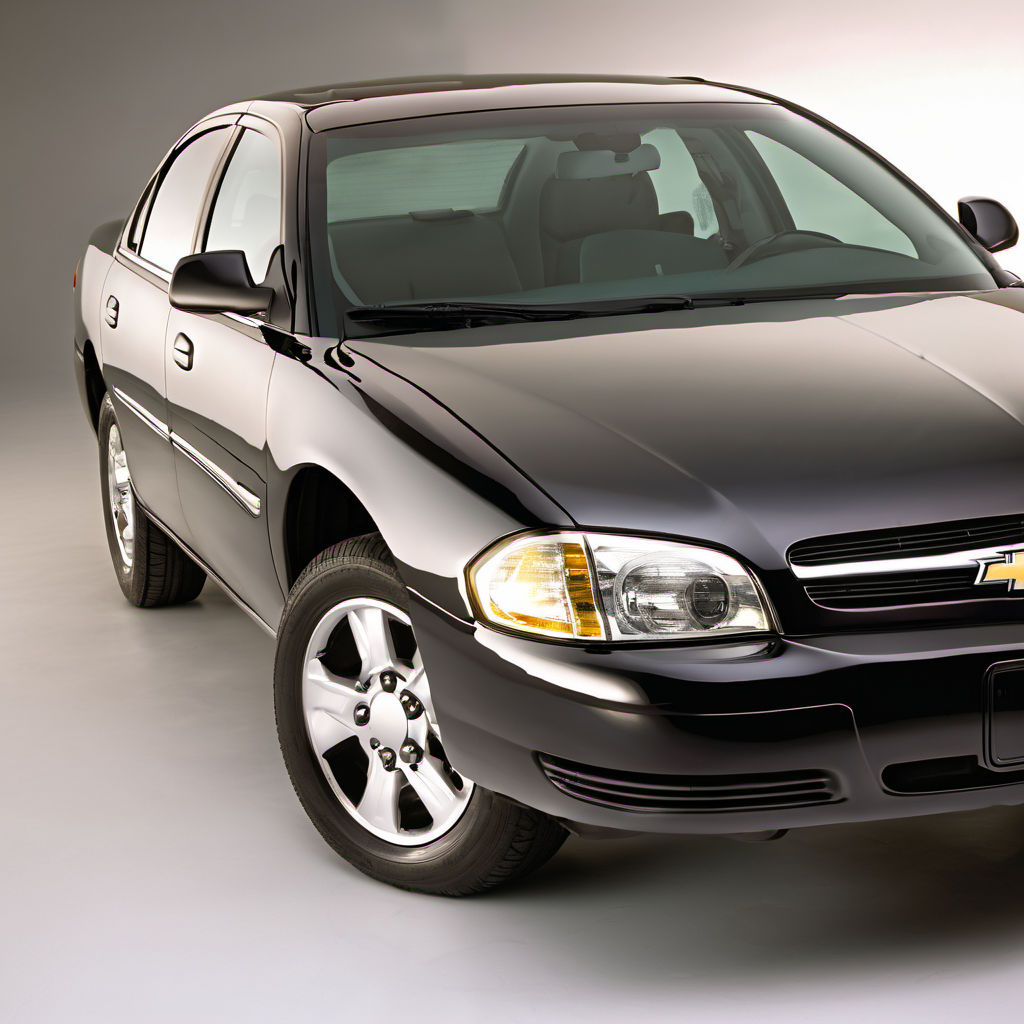
Direct platform sibling — identical underpinnings and engine options. Often easier to find in better condition since it outsold the Grand Prix substantially.
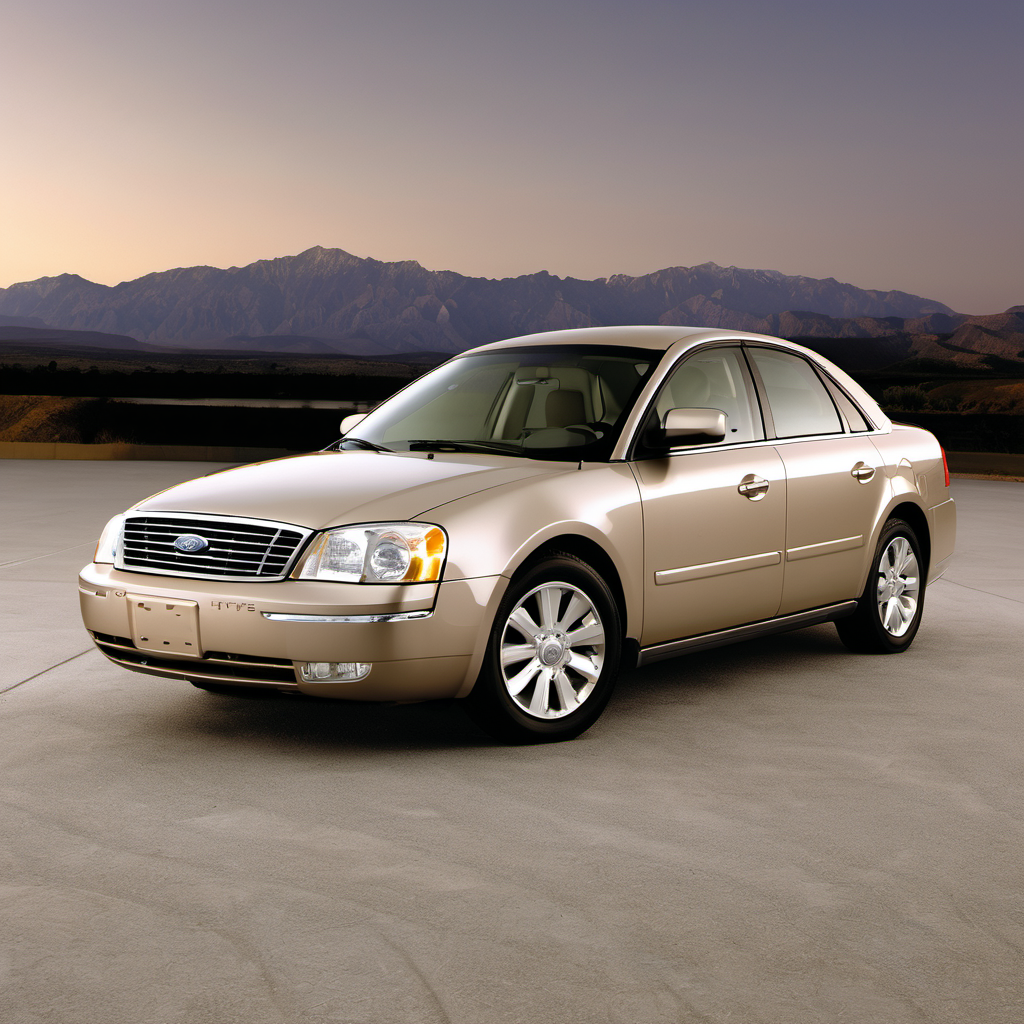
Competing full-size FWD sedan from the same era. More modern Duratec V6, AWD available, slightly more conservative but a legitimate alternative.
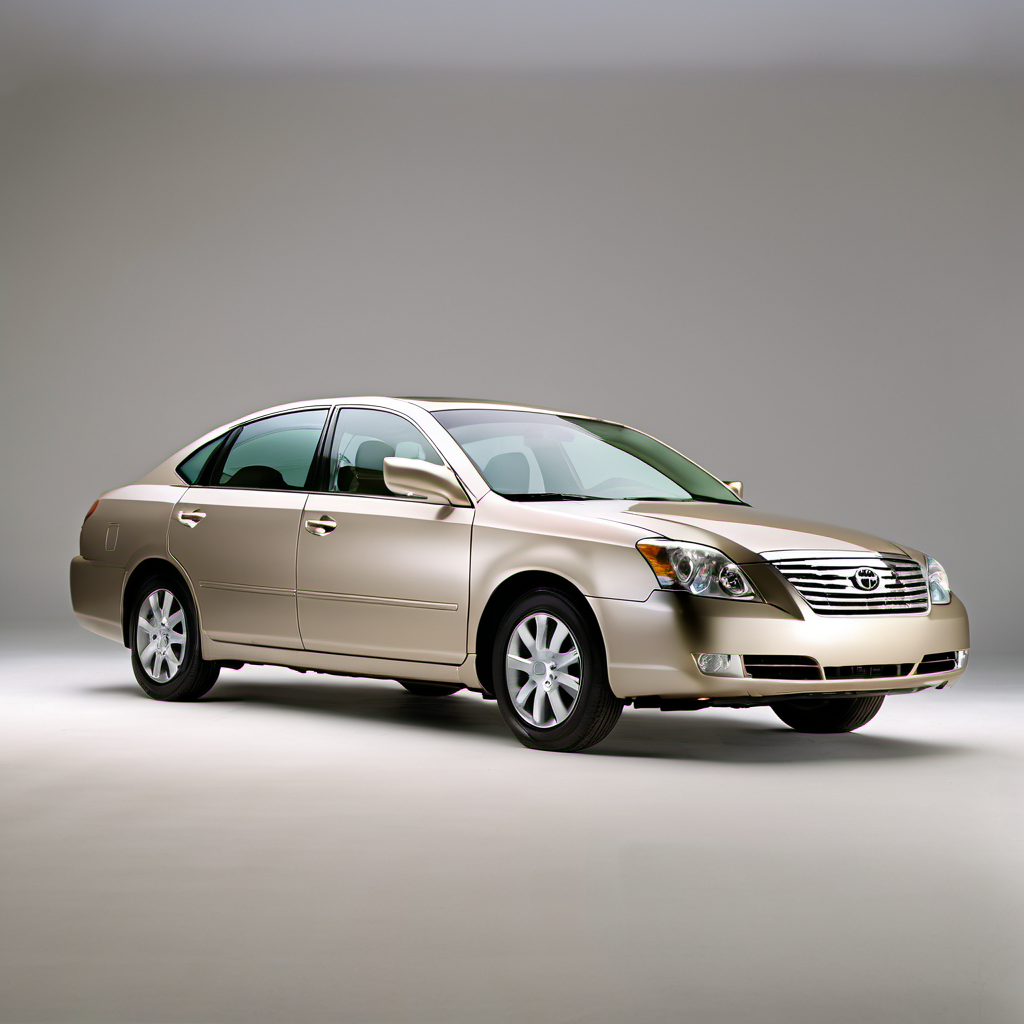
Premium full-size FWD sedan at a similar used price point today. Higher long-term reliability but fewer performance pretensions. Worth the comparison if budget allows.