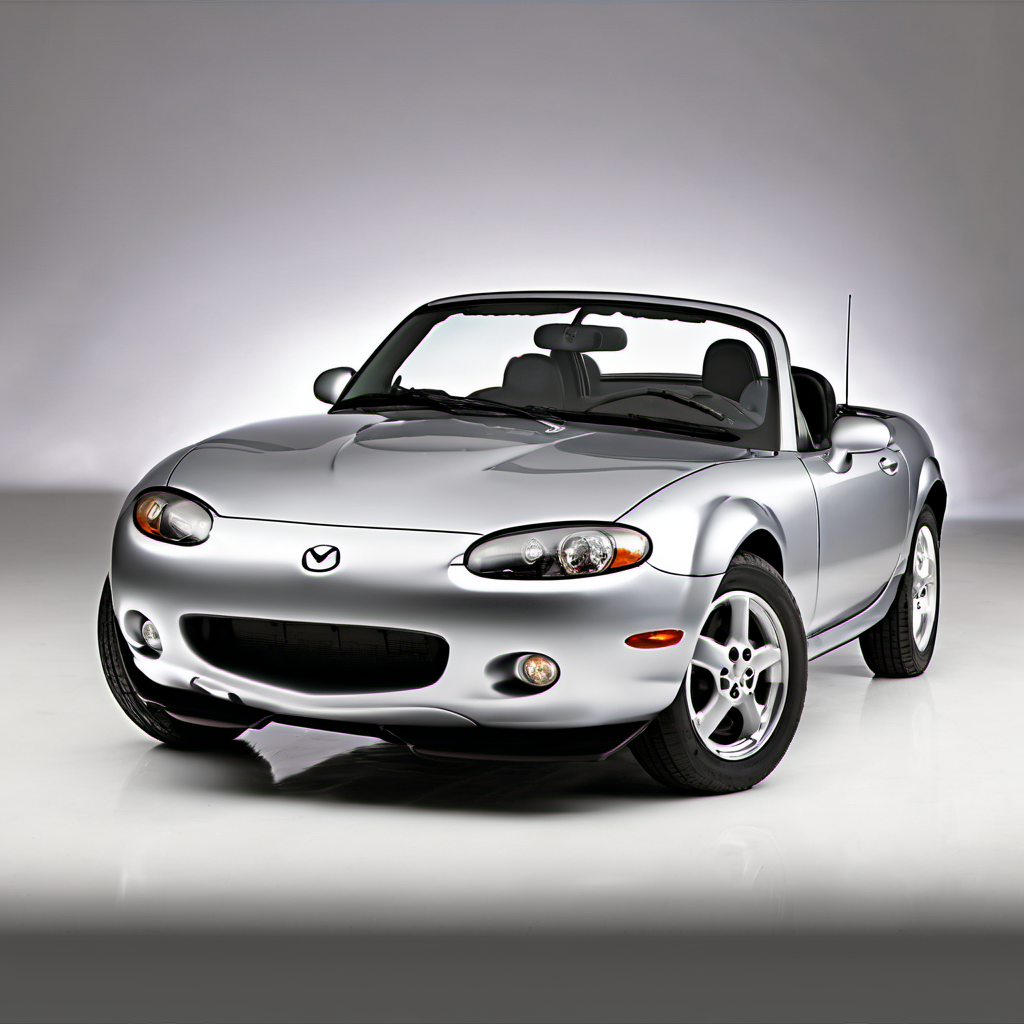
2005 MAZDA MX-5 Miata Convertible

2005 MAZDA

MX-5 MiataConvertible

Convertible

The 2005 Mazda MX-5 Miata is the final model year of the NB generation (1999–2005), a two-seat, rear-wheel-drive roadster that has earned a global reputation as one of the most driver-focused and reliably lightweight sports cars ever built. Powered by a 1.8L four-cylinder and available with either a 5-speed manual or 6-speed automatic, it weighs just under 2,400 lbs — which means the modest horsepower figure feels perfectly adequate on a backroad or autocross course. This generation refined the original NA Miata formula with a stiffer body, updated suspension geometry, and slightly more power. The 2004–2005 Mazdaspeed Miata variant added a factory turbo, but the standard 2005 is naturally aspirated. Mazda's build quality on this generation is generally excellent, and it's not unusual to see high-mileage examples with original engines and transmissions still running strong. As a daily driver in a Wisconsin winter, the Miata has real limitations — low ground clearance, rear-wheel drive, and a soft top that loses heat quickly in sub-zero temps. Most owners store it seasonally and enjoy it April through October. If you go in with that expectation, ownership is rewarding and cost-effective.

Reliability
4/5
Verified data
Specs shown for MX-5 Miata — the most common configuration. Other trims may vary in engine, drivetrain, or fuel economy. Sign in to see your vehicle's exact specs.
Engine
[object Object]
Drivetrain
RWD
Fuel
Premium gasoline
MPG
20 city / 26 hwy / 22 combined
Seats
Doors
Body
Two Seaters

Overview

AI-curated

The 2005 Mazda MX-5 Miata is the final model year of the NB generation (1999–2005), a two-seat, rear-wheel-drive roadster that has earned a global reputation as one of the most driver-focused and reliably lightweight sports cars ever built. Powered by a 1.8L four-cylinder and available with either a 5-speed manual or 6-speed automatic, it weighs just under 2,400 lbs — which means the modest horsepower figure feels perfectly adequate on a backroad or autocross course. This generation refined the original NA Miata formula with a stiffer body, updated suspension geometry, and slightly more power. The 2004–2005 Mazdaspeed Miata variant added a factory turbo, but the standard 2005 is naturally aspirated. Mazda's build quality on this generation is generally excellent, and it's not unusual to see high-mileage examples with original engines and transmissions still running strong. As a daily driver in a Wisconsin winter, the Miata has real limitations — low ground clearance, rear-wheel drive, and a soft top that loses heat quickly in sub-zero temps. Most owners store it seasonally and enjoy it April through October. If you go in with that expectation, ownership is rewarding and cost-effective.

Known for
  • Exceptional handling and driver feedback for the price
  • Lightweight, balanced 50/50 weight distribution
  • Strong long-term reliability with proper maintenance
  • Huge aftermarket and enthusiast community
  • Fun-to-drive factor far exceeding its horsepower numbers
Best for
  • Weekend and fair-weather enthusiast drivers
  • Autocross and track-day participants
  • Drivers who want a second fun car alongside a daily driver
  • Those who enjoy wrenching — parts are cheap and accessible
  • Budget sports car buyers who don't want to compromise reliability
Watch for
  • Rust on the frame rails, rocker panels, and floor pans — especially on cars from salt-belt states
  • Soft top condition: tears, leaks, and worn rear windows are common at this age
  • Low ground clearance makes it a poor choice for Wisconsin winter daily use
  • RWD in snow and ice requires winter tires and caution
  • High-mileage examples may have neglected cooling systems

Common issues by mileage

6 known

Soft top leaks and deterioration

high
Typically appears
Any mileage — age-driven
Estimated repair
$400 – $1,200

Rust on frame rails, rocker panels, and floor pans

high
Typically appears
Any mileage — age and salt exposure driven
Estimated repair
$500 – $4,000

Oxygen sensor failure (upstream heater circuit)

medium
Typically appears
80–130k mi
Estimated repair
$150 – $350

Worn front control arm bushings and ball joints

high
Typically appears
80–120k mi
Estimated repair
$300 – $700

Power steering rack leak or stiffness

medium
Typically appears
100–150k mi
Estimated repair
$400 – $900

Cooling system deterioration (thermostat, hoses, radiator)

medium
Typically appears
90–140k mi
Estimated repair
$150 – $600

Maintenance schedule

  1. 1
    Every 5,000 miles or 6 months Engine oil and filter change

    The 1.8L runs tight tolerances. Fresh oil keeps sludge out of the variable valve timing oil passages and protects the high-revving valvetrain.

  2. 2
    Annually before winter storage Inspect and replace soft top and weatherstripping

    Cracked or torn vinyl tops let in moisture that accelerates rust on the floor and sills. Inspect seals every spring and fall.

  3. 3
    Every 3 years or 45,000 miles Cooling system flush

    Old coolant becomes acidic and attacks aluminum components. At 20 years old, the system should be freshened even if it hasn't been recently.

  4. 4
    Annually — before and after winter season Inspect frame rails, rockers, and floor pans for rust

    Salt-belt rust is the top killer of NB Miatas. Catching surface rust early is a $50 fix; ignoring it can be a $2,000–$4,000 structural repair.

  5. 5
    Every 2 years Brake fluid flush

    Brake fluid absorbs moisture over time, lowering boiling point. On a sports car used on twisty roads or occasional track days, this matters more than average.

  6. 6
    Every 2 years or 30,000 miles Inspect front control arm bushings and ball joints

    These are wear items that directly affect the Miata's handling precision. Worn bushings make the car feel vague and can cause uneven tire wear.

  7. 7
    Every 15,000 miles Check and top off power steering fluid; inspect rack boots

    Torn rack boots let in dirt and moisture, accelerating rack wear. Catching a leaking boot early avoids a full rack replacement.

  8. 8
    Every 7,500 miles Tire rotation and alignment check

    RWD sports cars can wear tires unevenly, especially if the alignment shifts due to worn suspension bushings. Keeps handling balanced and extends tire life.

Always defer to the manufacturer's service manual for warranty-mandated intervals.

Cost of ownership

Annual maintenance
$400 – $900
Fuel
Regular unleaded works fine despite the EPA listing premium; expect $900–$1,400/year at typical Wisconsin driving mileage around 10,000–12,000 miles
Insurance
Typically low — 2-seat sports cars with modest horsepower and low market value are inexpensive to insure; expect $600–$1,100/year depending on your record and coverage level

The NB Miata is one of the cheapest sports cars to own. Parts are plentiful, inexpensive, and simple to access. Routine maintenance is low-cost. The main financial risk on a 20-year-old example is deferred rust repair or a neglected soft top. Buy a clean car, stay on top of preventive items, and annual out-of-pocket costs are very manageable.
Seasonal care

Lake Geneva, WI
Winter
  • Store the car if possible — low ground clearance (under 5 in) and RWD make it genuinely dangerous on icy Wisconsin roads without dedicated winter tires
  • If storing, use a breathable car cover indoors; a sealed garage with a moisture-trapping cover can accelerate soft top mildew
  • Disconnect the battery or use a battery maintainer during storage — the small battery drains quickly and cold kills already-weak batteries
  • Before storage, apply underbody rust inhibitor to frame rails and rocker panels, especially after any road salt exposure
  • Change oil before storage so acidic used oil isn't sitting on engine internals all winter
  • If driven in winter, use winter-rated washer fluid rated to at least -20°F and swap to proper winter tires — all-seasons are not adequate for Wisconsin conditions on a RWD car
Summer
  • Check tire pressure monthly — heat causes pressure to rise; the Miata's small contact patch makes proper inflation critical for safe handling
  • Inspect the soft top for UV cracking and apply a vinyl/fabric protectant to extend its life
  • Flush and inspect the cooling system — the small 1.8L runs warm in stop-and-go summer traffic; a failing thermostat or low coolant can cause overheating quickly
  • Check A/C refrigerant charge; the system on a 20-year-old car may be low and R-134a recharge is straightforward
  • Park in shade when possible — the black soft top absorbs significant heat and the small cabin bakes quickly, stressing interior plastics and the top material itself

Comparable vehicles

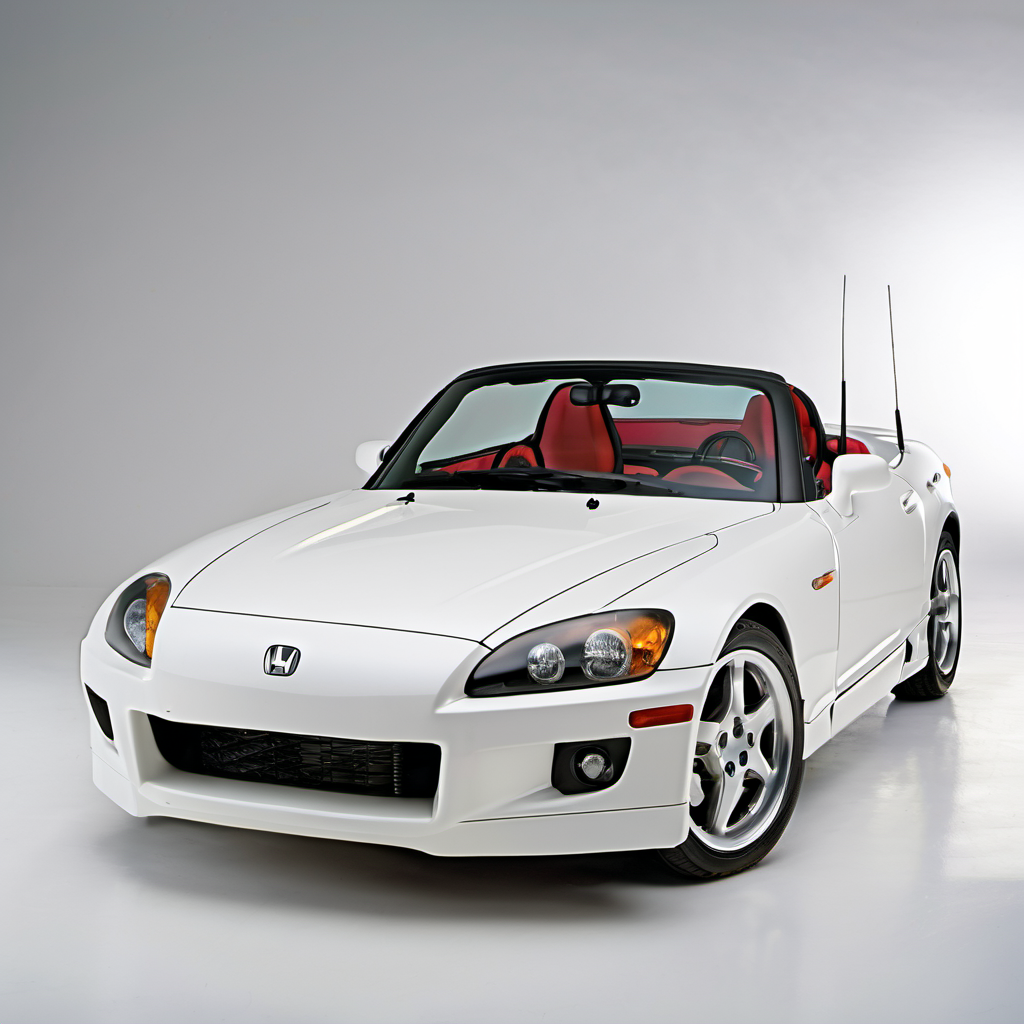
2003 Honda S2000
2003 Honda
S2000

Also a 2-seat RWD roadster in the same era. More power and a higher-revving engine, but pricier to maintain and less forgiving in everyday driving. Comparable fun factor, higher buy-in cost.
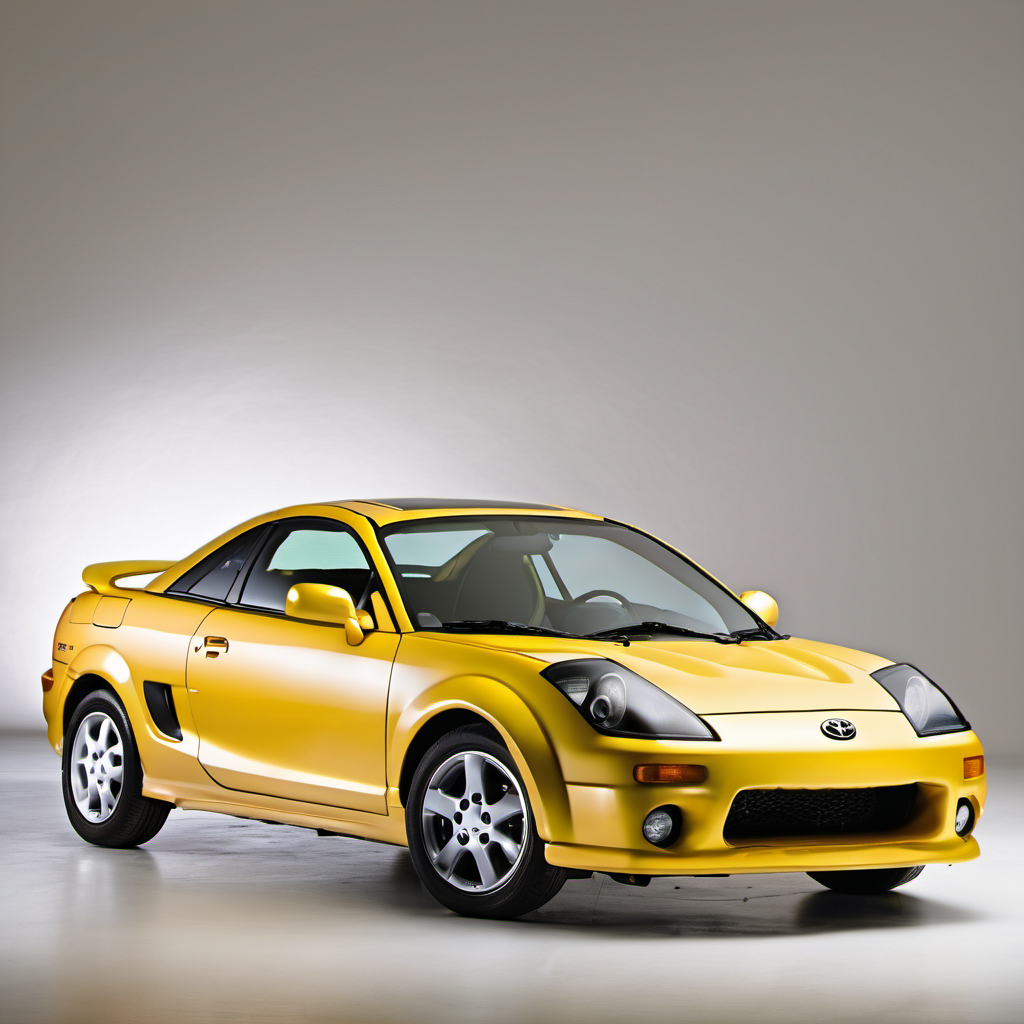
2005 Toyota MR2 Spyder
2005 Toyota
MR2 Spyder

Mid-engine 2-seat roadster with similar footprint and price range. Lighter and more nimble, but mid-engine layout requires more driver awareness at the limit. Parts are harder to find than Miata.

2005 BMW
Z3

RWD 2-seat roadster in a similar market segment. More refinement and power in V6 form, but significantly higher maintenance costs and more electrical complexity as it ages.

No catalog match
2005 Pontiac
Solstice

GM's answer to the Miata — similar size, RWD, convertible. Cheaper to buy used but reliability and parts availability fall well short of the Mazda.

No catalog match

If you're shopping for one

Red flags
  • Any soft rust on the frame rails or floor pans — probe with a screwdriver; if it pokes through, walk away or price in serious repair
  • Soft top with tears, opaque or yellowed rear plastic window, or signs of water intrusion on the carpet
  • Evidence of track use without corresponding maintenance records (worn brake hardware, heat-cracked rotors, aggressive alignment settings)
  • Mismatched paint panels suggesting prior accident repair on a car with no Carfax disclosure
  • Oil leaks from the cam cover or rear main seal — common on high-mileage examples but worth negotiating on
What to inspect
  • Lift the car and inspect all four frame rail ends, rocker pinch welds, and floor pan seams with a flashlight — rust hides here first
  • Open and close the soft top through a full cycle; listen for binding, check all latches, and look at the headliner for water staining
  • Check the differential and transmission for leaks and smooth operation through all gears
  • Inspect coolant condition and look for oil in the coolant (milky residue in reservoir = head gasket concern)
  • Test drive at highway speed and check for vibration, pull, or wandering — signs of worn bushings or alignment issues
  • Verify the AC blows cold and the heater works — these are secondary on a sports car but matter for shoulder-season comfort
AI profile generated 1 day ago · claude-sonnet-4-6 · v2.