Air suspension failure (bags and compressor)
high- Typically appears
- 80–150k mi
- Estimated repair
- $400 – $1,400
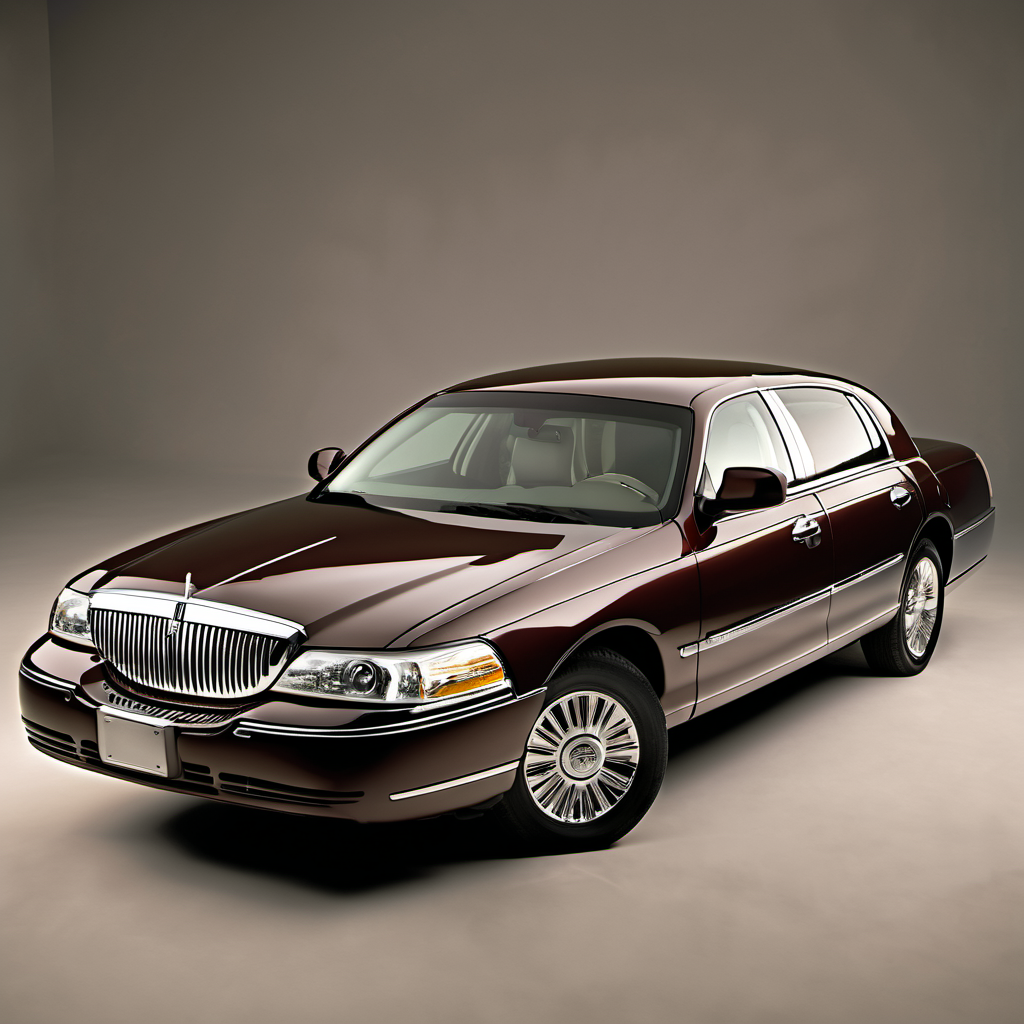
2005 Lincoln
Sedan
The 2005 Lincoln Town Car is the final evolution of Ford's full-size, body-on-frame luxury sedan — a platform that traces its roots to the 1979 Panther chassis. By 2005, Lincoln had refined it into a genuinely comfortable, quiet cruiser built around a proven 4.6L V8 and a reputation for long-haul durability. It was still the go-to choice for livery fleets and private buyers who wanted a traditional American luxury experience: acres of rear legroom, a smooth ride, and straightforward mechanicals that independent shops can service without specialty tooling. The Town Car offered three trims in 2005: Signature, Signature Limited, and Signature L (stretched wheelbase). All share the same Modular 4.6L V8 and 4-speed automatic. The interior is dated by modern standards but solid — heavy chrome, plush seating, and an analog simplicity that has aged better mechanically than electronically. Air suspension is standard, and it's the single biggest ownership variable on used examples. At 20 years old, these cars are well past their original depreciation cliff and can be found cheaply. The mechanicals are tough, but deferred maintenance is common at this price point. A pre-purchase inspection focused on the air suspension, cooling system, and underbody rust is essential for any Wisconsin buyer.
The 2005 Lincoln Town Car is the final evolution of Ford's full-size, body-on-frame luxury sedan — a platform that traces its roots to the 1979 Panther chassis. By 2005, Lincoln had refined it into a genuinely comfortable, quiet cruiser built around a proven 4.6L V8 and a reputation for long-haul durability. It was still the go-to choice for livery fleets and private buyers who wanted a traditional American luxury experience: acres of rear legroom, a smooth ride, and straightforward mechanicals that independent shops can service without specialty tooling. The Town Car offered three trims in 2005: Signature, Signature Limited, and Signature L (stretched wheelbase). All share the same Modular 4.6L V8 and 4-speed automatic. The interior is dated by modern standards but solid — heavy chrome, plush seating, and an analog simplicity that has aged better mechanically than electronically. Air suspension is standard, and it's the single biggest ownership variable on used examples. At 20 years old, these cars are well past their original depreciation cliff and can be found cheaply. The mechanicals are tough, but deferred maintenance is common at this price point. A pre-purchase inspection focused on the air suspension, cooling system, and underbody rust is essential for any Wisconsin buyer.
The 4.6L Modular V8 is sensitive to oil quality and intervals. Sludge buildup from neglect is a leading cause of VCT timing codes (P0012, P0022). Use the manufacturer-specified viscosity — 5W-20 for this application.
The plastic coolant crossover tube on the 4.6L is a known failure point, especially when coolant is old and acidic. Inspect the tube for swelling, cracks, or seepage at every service.
Bags crack with age; the compressor overworks to compensate and eventually burns out. Catching a slow leak early saves the compressor. Check compressor run time and listen for it cycling at startup.
The 4R70W automatic is durable but responds well to fresh fluid. Many fleet-used examples were serviced irregularly. Fresh fluid and a new filter will extend life significantly.
The 4.6L uses a two-piece spark plug design that can seize and break off in the head at high mileage. Replace on schedule — do not let them go past 100k mi or removal becomes a much larger job.
Lake Geneva winters can drop well below 0°F. A marginal battery that starts the car in October will likely fail in January. The 4.6L puts meaningful load on the battery at cold starts.
Brake fluid absorbs moisture over time, lowering its boiling point and promoting internal corrosion in ABS components — a real concern on a 20-year-old car in a salt environment.
Road salt accelerates frame and subframe rust on RWD body-on-frame cars. An annual pressure wash of the undercarriage and a visual inspection for bubbling or scale on frame rails is money well spent in Wisconsin.
Always defer to the manufacturer's service manual for warranty-mandated intervals.
The Town Car's biggest ownership wildcard is the air suspension. If it's already been converted to coil springs (a common and legitimate fix), annual costs are predictable and moderate. If the original air suspension is intact and aging, budget for bag replacement within the next 1–2 years. Otherwise, routine maintenance is inexpensive — parts are widely available, and the 4.6L Modular V8 is one of the most shop-familiar engines in America. Fuel economy is the persistent ongoing cost: this car drinks like a V8 full-size sedan, because it is one.
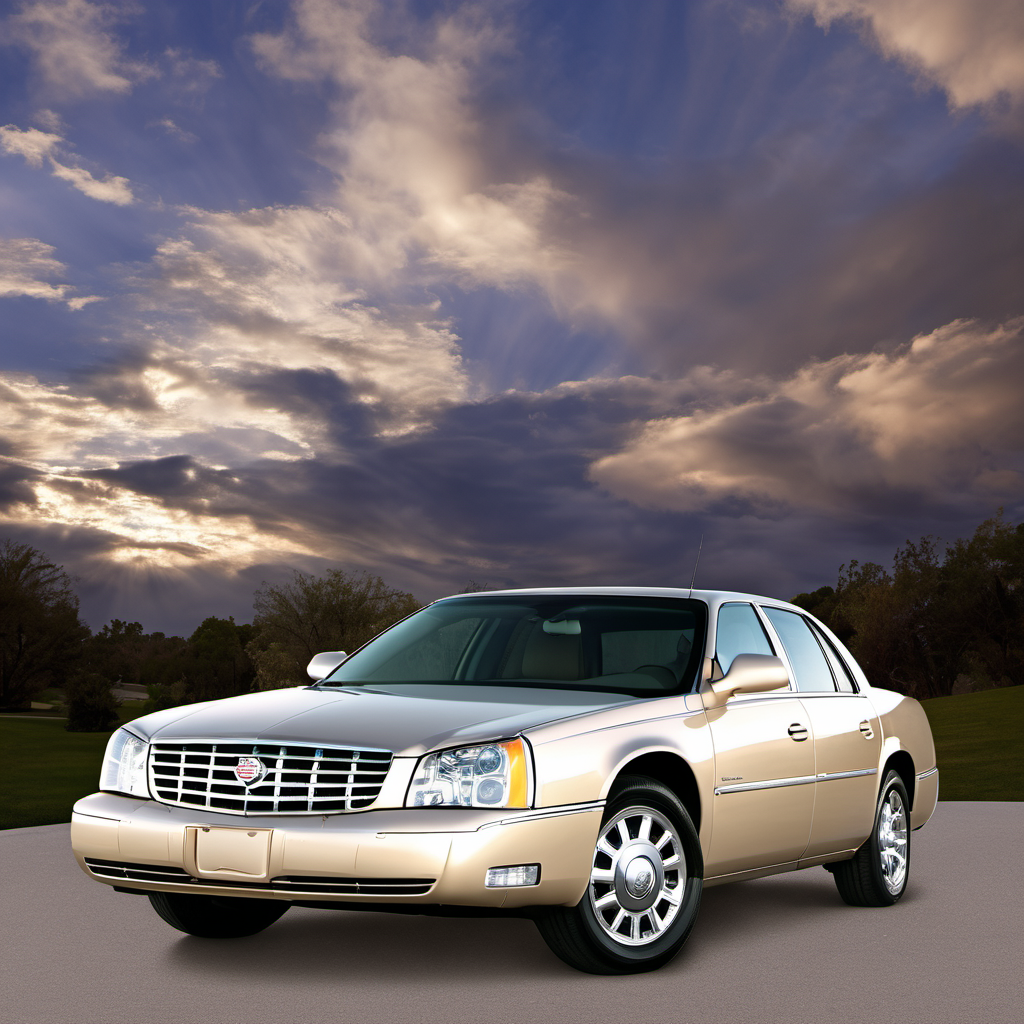
Direct American full-size luxury competitor from the same era, FWD layout, comparable price, similar buyer profile and comfort priorities.
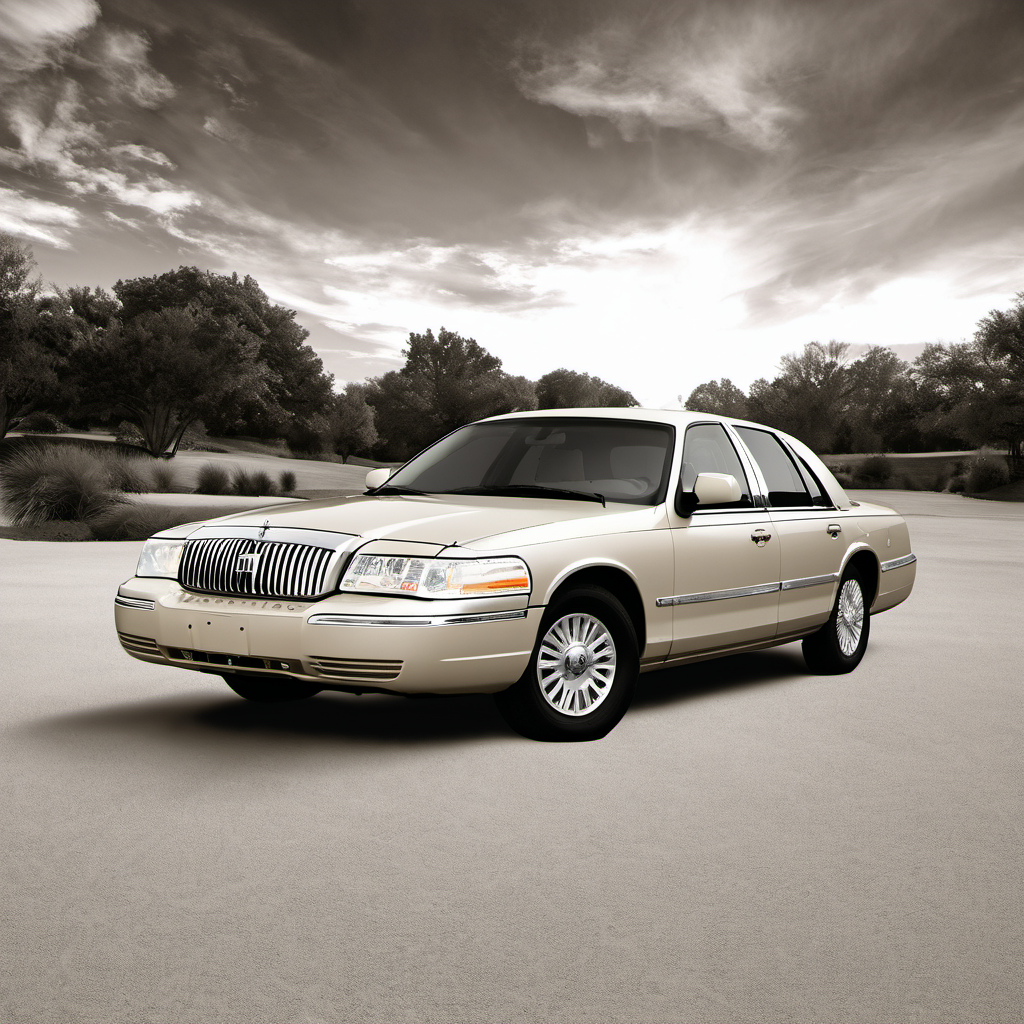
Shares the Panther platform and 4.6L V8 — mechanically nearly identical at a lower price point. Less luxury content but same basic durability story.
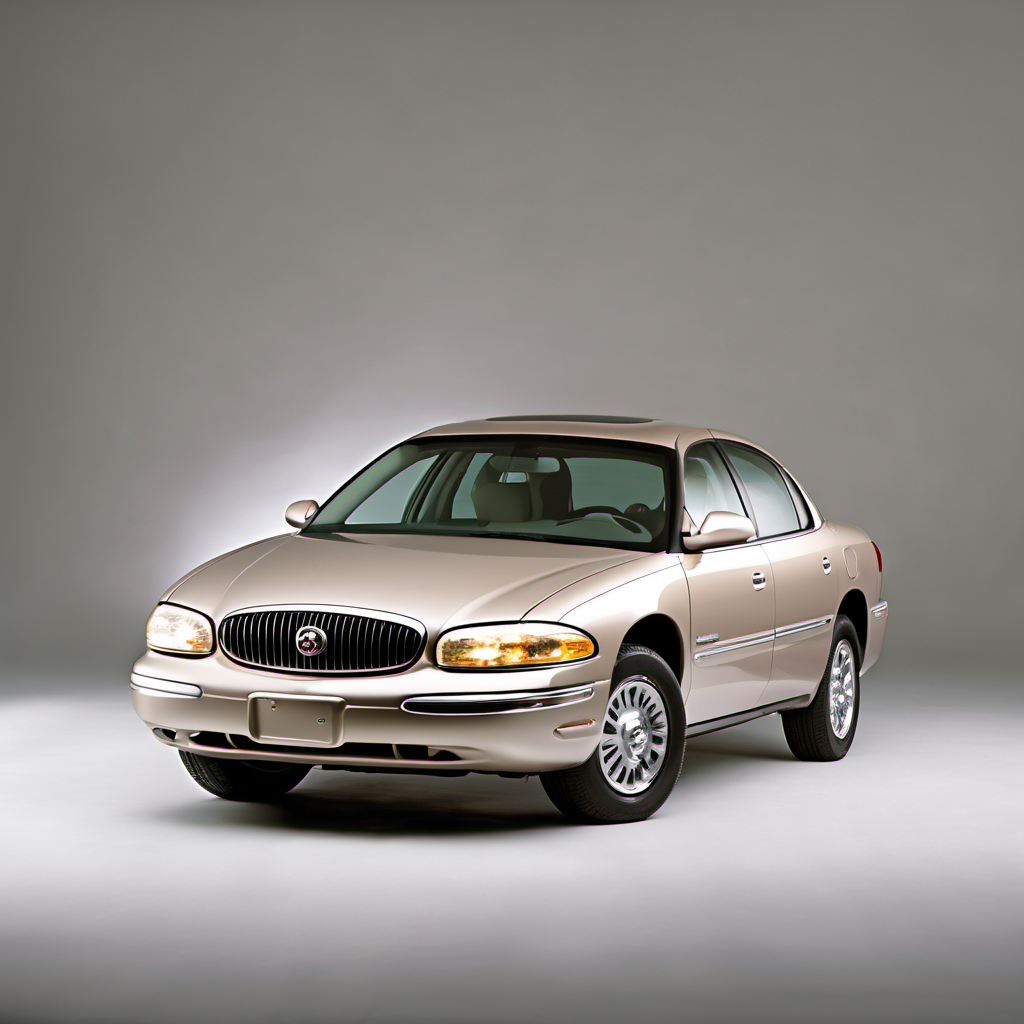
Competing full-size luxury sedan with a strong reliability reputation, FWD, and similar ownership demographics and pricing.

Same Panther platform as the Town Car, even simpler interior, but parts are nearly interchangeable and the mechanical package is identical.