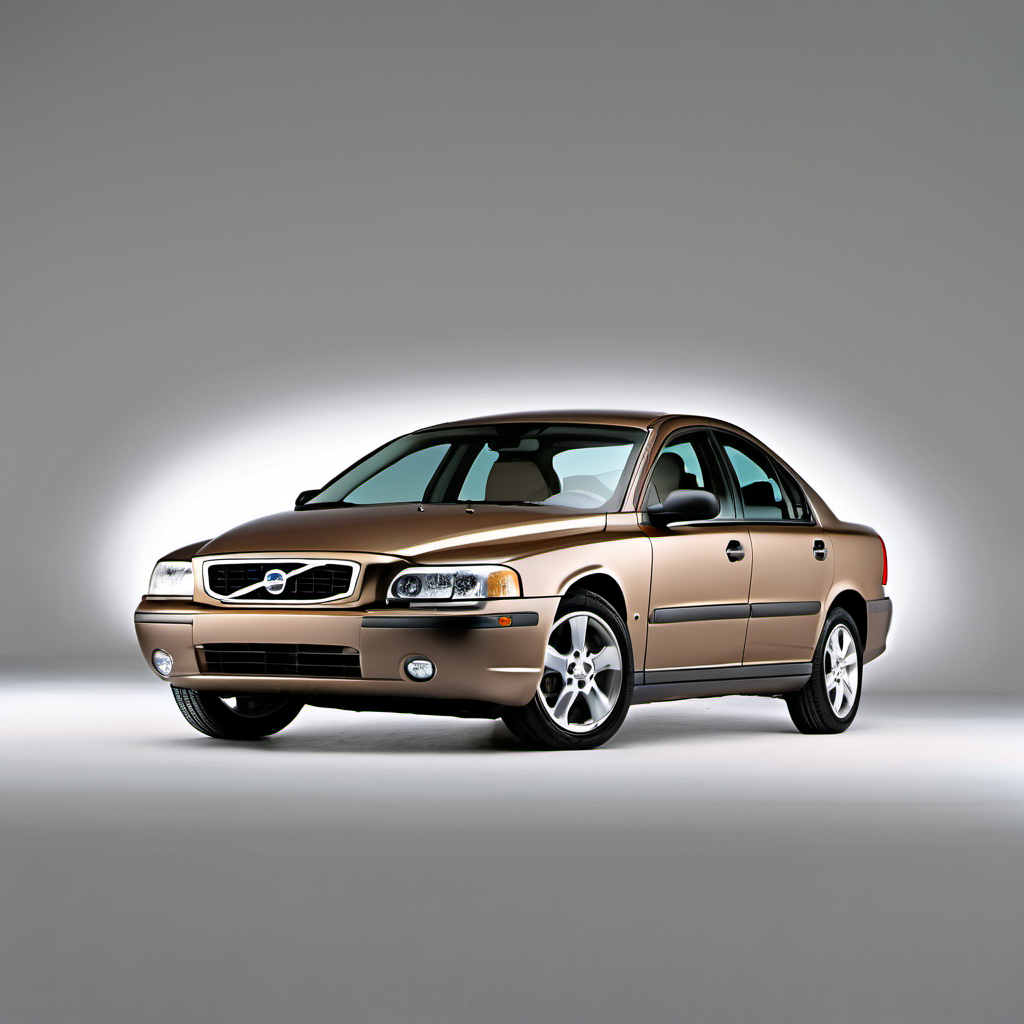
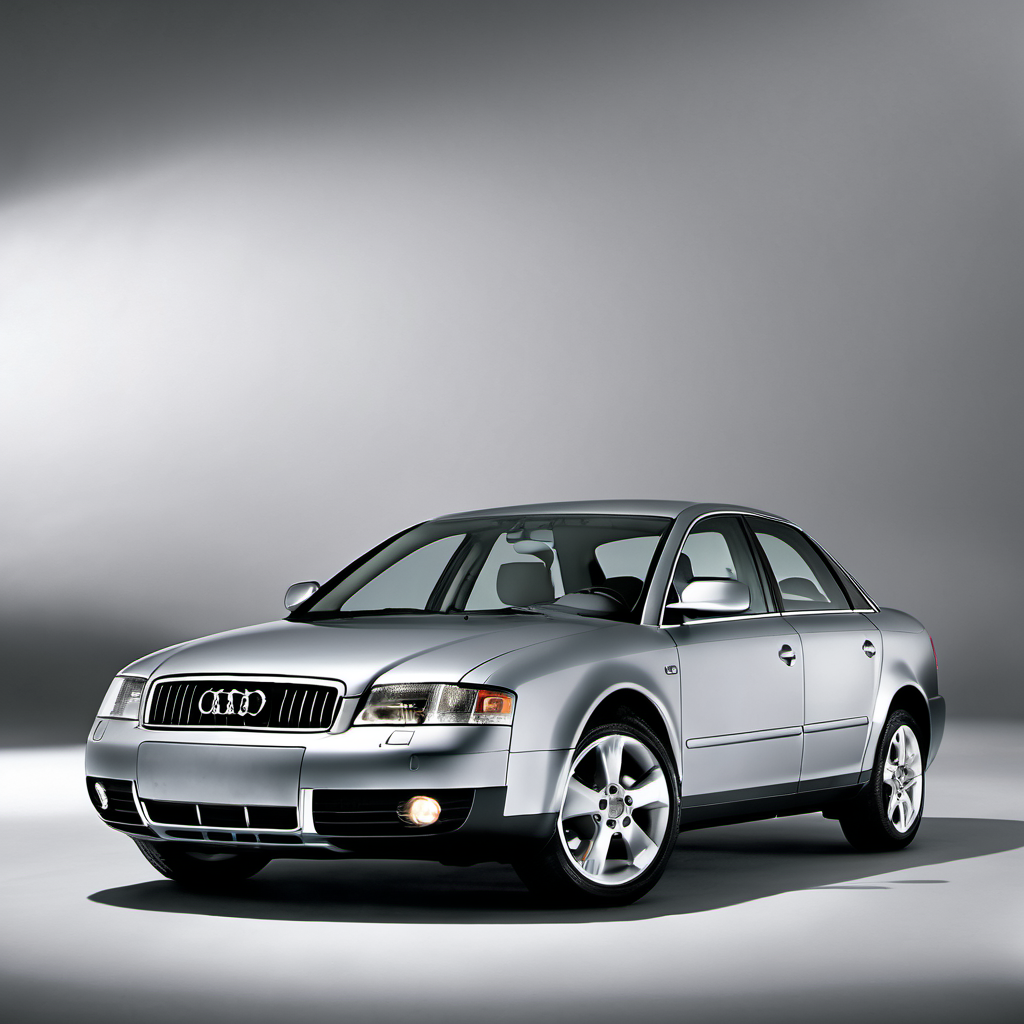
2004 Volvo S60 Sedan

2004 Volvo

S60Sedan

Sedan

The 2004 Volvo S60 is a European-flavored compact executive sedan that earned a strong following for its blend of safety engineering, sporty handling, and all-weather capability. Powered by Volvo's turbocharged 2.5L inline-5 and paired with AWD, the S60 was genuinely well-suited to harsh Midwestern winters — a big part of its appeal in markets like ours. It sits in a class with the BMW 3 Series and Audi A4 but historically came in at a lower purchase price, making it an attractive used buy. Under the hood, the B5254T2 five-cylinder turbo is a distinctive, characterful engine — smooth for a five-pot and reasonably torquey — but it rewards attentive maintenance. Neglect the oil change interval or let sludge build up and you'll pay for it quickly. Timing belt service is not optional on this engine and is a significant maintenance milestone every owner needs to plan for. At 20 years old, most 2004 S60s on the market today are high-mileage examples. Parts availability from the dealer network has thinned, but independent Volvo specialists and the strong online parts market keep these cars serviceable. Budget honestly for European-car maintenance costs and this can still be a rewarding driver.

Reliability
2/5
Verified data
Specs shown for S60 AWD — the most common configuration. Other trims may vary in engine, drivetrain, or fuel economy. Sign in to see your vehicle's exact specs.
Engine
[object Object]
Drivetrain
AWD
Fuel
Premium gasoline
MPG
18 city / 25 hwy / 20 combined
Seats
Doors
Body
Compact Cars

Overview

AI-curated

The 2004 Volvo S60 is a European-flavored compact executive sedan that earned a strong following for its blend of safety engineering, sporty handling, and all-weather capability. Powered by Volvo's turbocharged 2.5L inline-5 and paired with AWD, the S60 was genuinely well-suited to harsh Midwestern winters — a big part of its appeal in markets like ours. It sits in a class with the BMW 3 Series and Audi A4 but historically came in at a lower purchase price, making it an attractive used buy. Under the hood, the B5254T2 five-cylinder turbo is a distinctive, characterful engine — smooth for a five-pot and reasonably torquey — but it rewards attentive maintenance. Neglect the oil change interval or let sludge build up and you'll pay for it quickly. Timing belt service is not optional on this engine and is a significant maintenance milestone every owner needs to plan for. At 20 years old, most 2004 S60s on the market today are high-mileage examples. Parts availability from the dealer network has thinned, but independent Volvo specialists and the strong online parts market keep these cars serviceable. Budget honestly for European-car maintenance costs and this can still be a rewarding driver.

Known for
  • Above-average passive and active safety features for its era
  • Turbocharged inline-5 with a distinctive sound and solid low-end torque
  • Capable AWD system well-matched to snowy, icy roads
  • Comfortable, well-built interior with good long-distance ergonomics
  • Strong enthusiast following and active owner community
Best for
  • Drivers who want European driving dynamics without BMW or Mercedes pricing
  • Wisconsin and upper-Midwest owners who need confident winter traction
  • Buyers comfortable doing research and using an independent Volvo specialist
  • Daily commuters who want a comfortable, safe sedan with some personality
Watch for
  • Engine sludge from infrequent oil changes — can destroy the engine
  • Timing belt replacement history (interference engine — a snapped belt = catastrophic damage)
  • Aging rubber: seals, hoses, and bushings all degrade on 20-year-old examples
  • Electrical gremlins from aging sensors and wiring, especially on high-mileage cars
  • Throttle body and ETM (Electronic Throttle Module) failures common on early S60s

Common issues by mileage

6 known

Engine Oil Sludge Buildup

high
Typically appears
60–150k mi
Estimated repair
$800 – $4,500

Timing Belt & Tensioner Failure

high
Typically appears
80–105k mi (or 10 years, whichever comes first)
Estimated repair
$700 – $1,200

Electronic Throttle Module (ETM) Failure

medium
Typically appears
50–120k mi
Estimated repair
$400 – $900

Turbocharger Bypass / Wastegate Valve Issues

medium
Typically appears
80–140k mi
Estimated repair
$200 – $700

Oxygen Sensor / Heater Circuit Failure

medium
Typically appears
70–130k mi
Estimated repair
$150 – $400

Suspension Bushings & Ball Joint Wear

high
Typically appears
90k+ mi
Estimated repair
$400 – $1,200

Maintenance schedule

  1. 1
    Every 5,000 miles — do not stretch to 7,500+ on this engine Engine Oil & Filter Change

    The 2.5T inline-5 is prone to sludge when oil change intervals are extended. Sludge blocks oil passages and can require a full engine replacement. This is the single most important maintenance item on this car.

  2. 2
    Every 105,000 miles or 10 years — whichever comes first Timing Belt, Tensioner & Water Pump Replacement

    This is an interference engine. If the timing belt snaps, pistons and valves collide and the engine is destroyed. If there is no documented belt replacement history, treat it as due immediately regardless of mileage.

  3. 3
    Every 3–4 years Coolant Flush & Fill

    Old coolant becomes acidic and attacks the aluminum components in Volvo's cooling system. The thermostat housing and coolant expansion tank are known failure points on aged coolant.

  4. 4
    Every 30,000 miles Spark Plug Replacement

    Five-cylinder turbocharged engines run the plugs hard. Worn plugs cause misfires, poor fuel economy, and extra stress on the ignition coils.

  5. 5
    Every 45,000–50,000 miles Transmission Fluid Service

    Volvo lists this as 'lifetime' fluid, but real-world use — especially in Wisconsin winters with cold starts and frequent stop-and-go — shortens effective fluid life. An independent shop drain-and-fill is cheap insurance.

  6. 6
    Every 2 years Brake Fluid Flush

    Brake fluid absorbs moisture over time, lowering its boiling point. Given Wisconsin winters and road salt, keeping fresh fluid in the system also protects ABS actuators from internal corrosion.

  7. 7
    Every spring (after winter salt season) Underbody & Brake Component Inspection for Corrosion

    Lake Geneva roads see heavy salt use. Inspect brake lines, caliper slides, subframe, and suspension hardware each spring before corrosion progresses to structural issues.

  8. 8
    Every 30,000 miles or at every other oil change Drive Belt (Serpentine) Inspection

    Cold Wisconsin winters crack belts faster than warmer climates. A snapped serpentine belt disables the alternator, power steering, and A/C simultaneously.

Always defer to the manufacturer's service manual for warranty-mandated intervals.

Cost of ownership

Annual maintenance
$900 – $2,200
Fuel
Premium fuel is recommended but many owners use regular without immediate issues. At ~20 MPG combined and Wisconsin fuel prices, budget roughly $2,000–$2,600/year at average driving mileage.
Insurance
Moderate — typically slightly above average for the class given the European parts cost. Expect $900–$1,400/year for a 20-year-old example depending on coverage level and driver profile.

Budget on the higher end of the maintenance range for any example without complete service records. One deferred major job — timing belt, sludge flush, or suspension overhaul — can easily add $1,000–$3,000 in a single visit. Parts availability is decent through independent Volvo parts suppliers but labor costs at a Volvo dealer will be significantly higher than an independent shop.
Seasonal care

Lake Geneva, WI
Winter
  • Install a dedicated set of winter tires — AWD helps you go, but it does nothing for stopping. The S60's weight and European suspension tuning benefit enormously from proper winter rubber.
  • Test and replace the battery before first hard freeze. Cold-cranking demand from a turbocharged engine combined with sub-zero temperatures will expose any weak battery immediately.
  • Use a full-strength washer fluid rated to at least -20°F. The S60's low hood line makes the windshield vulnerable to road spray; a quality winter fluid is essential.
  • Flush and refill coolant with a fresh 50/50 mix if the last change is unknown — old coolant loses its freeze-point protection and can gel in extreme cold.
  • Check and lubricate door seals and rubber weatherstripping before winter. Volvo seals are thick but age-hardened on a 20-year-old car and can freeze shut in icing conditions.
  • Rinse the undercarriage at a coin-op car wash every 2–3 weeks during salt season. The AWD rear differential and brake line routing run close to the road surface and are vulnerable to salt accumulation.
Summer
  • Inspect the turbo intercooler hoses and clamps for cracks before summer heat — hose rubber degrades with age and heat cycling, and a blown intercooler hose causes sudden power loss.
  • Check tire pressure monthly — every 10°F of temperature rise adds roughly 1 PSI, and underinflated tires in heat increase blowout risk and hurt fuel economy.
  • Test the A/C system in spring before peak heat. The S60's climate control is complex; refrigerant leaks from aged O-rings are common on older examples.
  • Inspect the coolant expansion tank for cracks — this is a known failure item on the S60 and a cracked tank will cause the engine to overheat quickly in summer traffic.

Comparable vehicles

If you're shopping for one

Red flags
  • No oil change records or evidence of extended intervals — engine sludge risk is too high to ignore
  • No timing belt replacement history on any car over 80,000 miles or more than 10 years old
  • Any check engine light that returns quickly after clearing — persistent codes on a 20-year-old Volvo often signal expensive underlying problems
  • Visible rust on brake lines, fuel lines, or subframe — structural and safety issue common on upper-Midwest cars
  • Rough idle, stumbling throttle response, or hesitation on acceleration — could be ETM, turbo, or fuel system problems
  • Milky or foamy oil on the dipstick or under the oil cap — indicates coolant intrusion, a serious and expensive problem
What to inspect
  • Request complete oil change records — if they're missing or show intervals over 5,000 miles, have the engine inspected for sludge before purchase
  • Ask specifically when the timing belt was last replaced and get documentation. No documentation = budget for immediate replacement
  • Have an independent Volvo-familiar mechanic scan all modules, not just powertrain — check for stored chassis (C-codes) and body (B-codes) faults that may indicate SRS or ABS system issues
  • Inspect the undercarriage for rust on brake lines, subframe mounting points, and exhaust — critical on any Wisconsin-wintered car
  • Test throttle response from a cold start — hesitation or stalling can indicate ETM failure
  • Check the coolant expansion tank carefully for cracks or discoloration — look for white residue around the cap and fittings
AI profile generated 2 days ago · claude-sonnet-4-6 · v2.