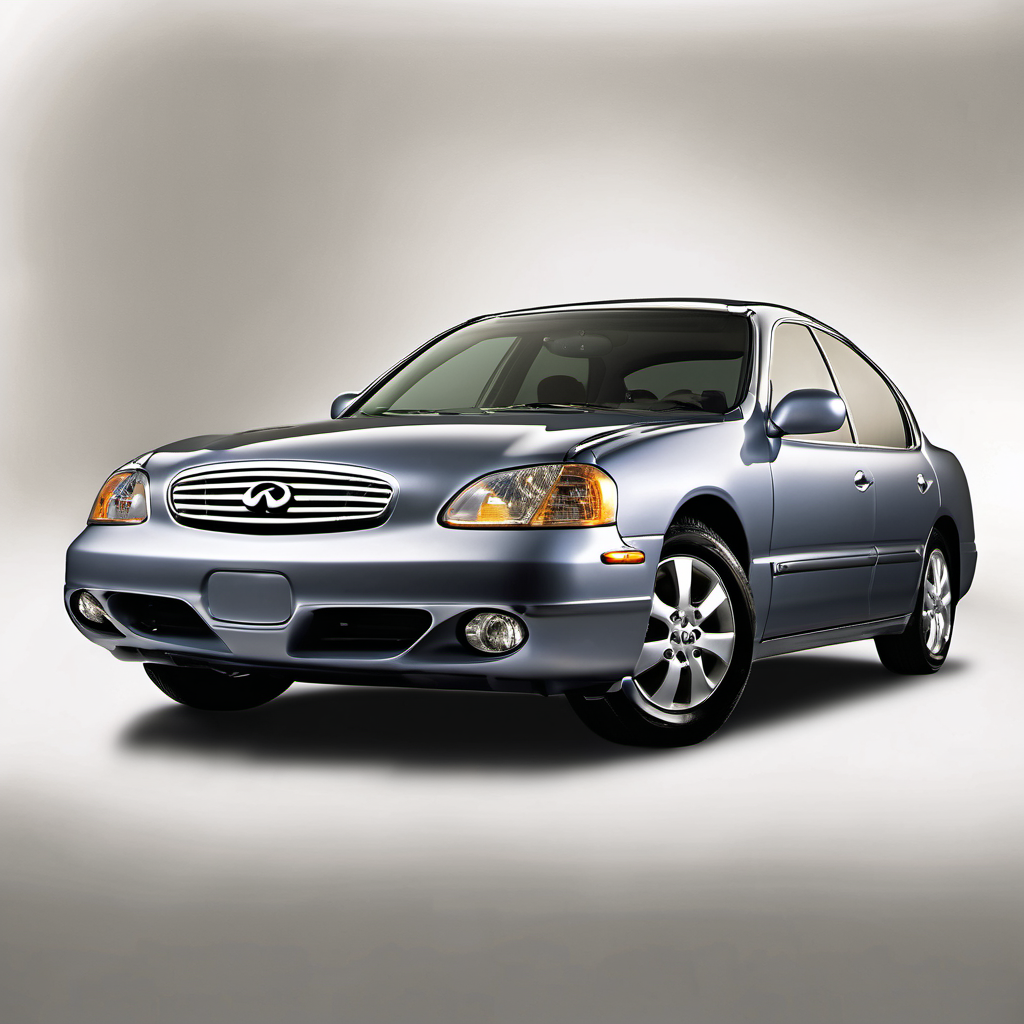
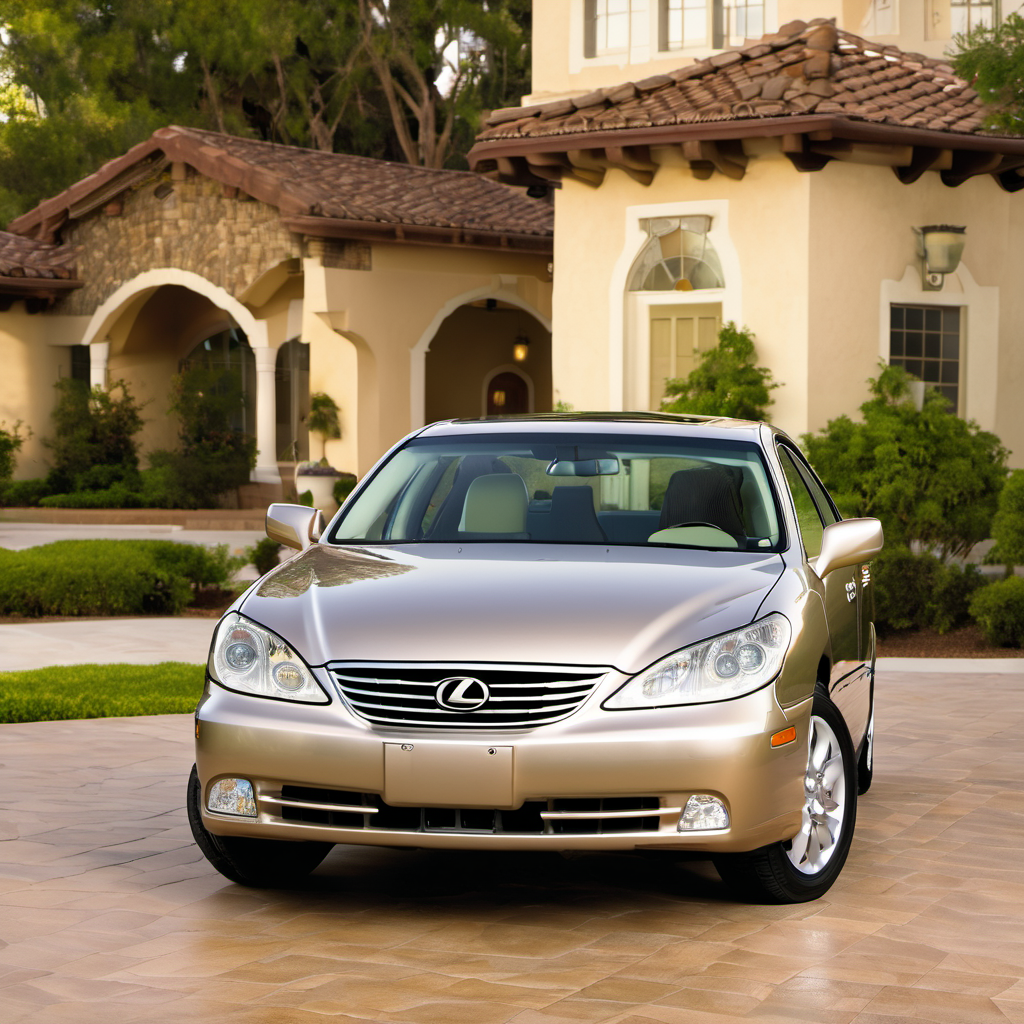
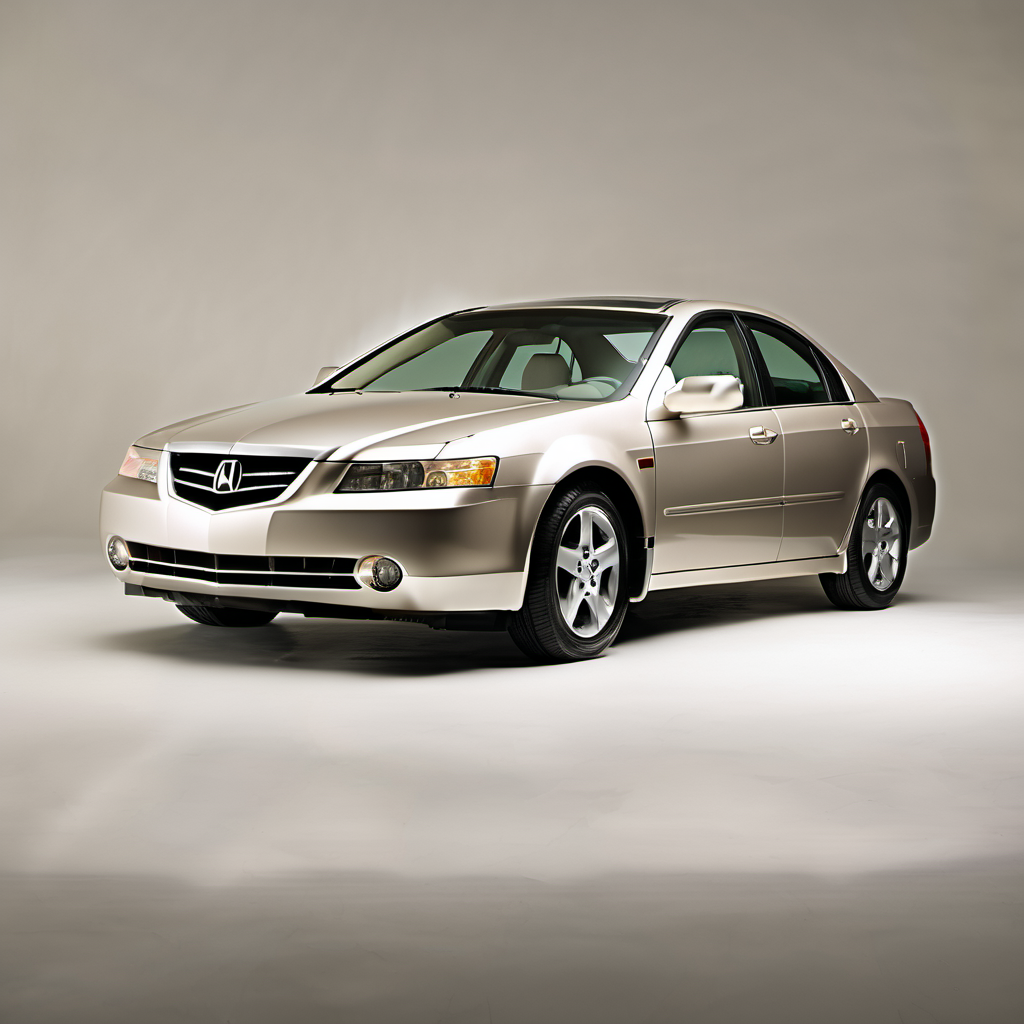
2004 INFINITI I Sedan

2004 INFINITI

ISedan

3.5L V6 (VQ35DE) · Sedan

The 2004 Infiniti I35 is a rear-wheel-drive luxury sport sedan built on Nissan's FM platform — the same bones shared with the Nissan Maxima but tuned for a more refined, upscale experience. It was Infiniti's entry-level sedan of the era, slotting below the G35 and M45, and it carried a 3.5L V6 producing 255 hp paired to a smooth 5-speed automatic. Inside, it delivered genuine luxury touches — leather, Bose audio, heated seats, and a sunroof — at a price point well below European rivals. The I35 was the final model year for this nameplate before Infiniti retired it in favor of the M35. That makes 2004 the swan song — parts availability is reasonable because it shares nearly everything mechanical with the Maxima, but some Infiniti-specific trim and electronics pieces can be harder to source. Ownership costs are moderate for a 20-year-old luxury sedan, but the VQ35DE engine is a strong and proven unit that can last well past 200k miles with consistent oil changes. For a buyer in the upper Midwest, the I35's rear-wheel-drive layout is worth noting — winter driving in Lake Geneva will demand quality snow tires or an AWD alternative. Rust on the undercarriage and suspension components is a legitimate concern on any 20-year-old example that spent Wisconsin winters on salted roads.

Reliability
4/5
Verified data
Engine
3.5L V6 (VQ35DE)
Drivetrain
RWD
Fuel
Gasoline
MPG
20 city / 28 hwy / 23 combined
Seats
5
Doors
4
Body
Sedan
MSRP
$33,300

Overview

AI-curated

The 2004 Infiniti I35 is a rear-wheel-drive luxury sport sedan built on Nissan's FM platform — the same bones shared with the Nissan Maxima but tuned for a more refined, upscale experience. It was Infiniti's entry-level sedan of the era, slotting below the G35 and M45, and it carried a 3.5L V6 producing 255 hp paired to a smooth 5-speed automatic. Inside, it delivered genuine luxury touches — leather, Bose audio, heated seats, and a sunroof — at a price point well below European rivals. The I35 was the final model year for this nameplate before Infiniti retired it in favor of the M35. That makes 2004 the swan song — parts availability is reasonable because it shares nearly everything mechanical with the Maxima, but some Infiniti-specific trim and electronics pieces can be harder to source. Ownership costs are moderate for a 20-year-old luxury sedan, but the VQ35DE engine is a strong and proven unit that can last well past 200k miles with consistent oil changes. For a buyer in the upper Midwest, the I35's rear-wheel-drive layout is worth noting — winter driving in Lake Geneva will demand quality snow tires or an AWD alternative. Rust on the undercarriage and suspension components is a legitimate concern on any 20-year-old example that spent Wisconsin winters on salted roads.

Known for
  • Smooth, powerful VQ35DE 3.5L V6 shared with Nissan Maxima
  • Well-appointed luxury interior for its price class
  • Rear-wheel-drive sport sedan dynamics
  • Strong long-term engine durability when properly maintained
Best for
  • Buyers wanting near-luxury refinement on a budget
  • Enthusiasts who prefer RWD sport sedan feel
  • Drivers who do most miles in dry or mild weather
  • Those comfortable maintaining a 20-year-old Japanese luxury car
Watch for
  • Rust on subframe, exhaust, and brake lines — critical on Wisconsin cars
  • RWD traction limitations in snow and ice without proper winter tires
  • Deferred maintenance is common on older luxury vehicles changing hands
  • Some Infiniti-specific interior trim and electronics parts are discontinued or expensive

Common issues by mileage

6 known

VTC (Variable Timing Control) actuator failure or sludging

high
Typically appears
80–150k mi
Estimated repair
$300 – $900

VVEL/VVT solenoid clogging or failure

medium
Typically appears
80–140k mi
Estimated repair
$150 – $500

Oxygen / A/F sensor failure

medium
Typically appears
100–160k mi
Estimated repair
$150 – $400

Underbody rust — brake lines, subframe, exhaust

high
Typically appears
Any mileage on a Midwest car
Estimated repair
$400 – $2,500

Coolant hose and thermostat housing deterioration

medium
Typically appears
100k+ mi
Estimated repair
$200 – $600

Maintenance schedule

  1. 1
    Every 5,000 miles Engine oil and filter change — use full synthetic 5W-30

    The VQ35DE's VTC actuators are oil-pressure operated and are the first thing to suffer from dirty or low oil. Sludge from extended intervals is the number-one cause of VTC codes on this engine. Do not stretch intervals.

  2. 2
    Every 30,000 miles or 3 years Transmission fluid change (automatic)

    Nissan's factory 'lifetime' fluid claim is optimistic on a 20-year-old transmission. Fresh fluid dramatically extends service life and shifts quality.

  3. 3
    Every 50,000 miles or 5 years Coolant flush

    Aging coolant becomes acidic and attacks aluminum components. Particularly important before Wisconsin winters to ensure freeze protection.

  4. 4
    Every 105,000 miles (factory) or 60,000 miles on a used car with unknown history Spark plug replacement — use OEM-spec iridium plugs

    Worn plugs on a V6 this age stress the coils and degrade fuel economy. The rear bank is labor-intensive; do all six at once.

  5. 5
    Every 2 years Brake fluid flush

    Hygroscopic fluid absorbs moisture over time, lowering boiling point and accelerating internal corrosion — especially relevant in a wet Wisconsin climate.

  6. 6
    Every year — visual inspection each fall Inspect and service brake lines for corrosion

    Road salt causes accelerated brake line rust on RWD sedans where lines run exposed along the undercarriage. A rusted-through brake line is a safety emergency.

  7. 7
    Every fall before winter Battery load test and terminal cleaning

    Sub-zero Lake Geneva temperatures can drop a marginal battery below the threshold needed to start a cold-soaked V6. A battery that tests fine in summer may fail in January.

  8. 8
    Before first freeze — typically October in Lake Geneva Tire swap to dedicated winter tires (RWD-specific priority)

    RWD sedans with all-season tires are genuinely hazardous on Wisconsin snow and ice. Dedicated winter tires on all four corners make the I35 manageable in winter conditions.

Always defer to the manufacturer's service manual for warranty-mandated intervals.

Cost of ownership

Annual maintenance
$700 – $1,800
Fuel
At ~23 mpg combined and Wisconsin gas prices, expect roughly $1,800–$2,400/year at average driving distances. Premium fuel is recommended by Infiniti for this engine.
Insurance
Typically $900–$1,400/year for a 20-year-old luxury sedan in the Lake Geneva area; varies significantly by driver profile.

Day-to-day maintenance costs are comparable to a well-kept Nissan Maxima — parts are largely shared and independently sourced. The bigger wildcard on any 2004 example is deferred repairs: cooling system service, brake line work, and VTC actuator repairs can stack up quickly if the car hasn't been properly maintained. Budget a one-time inspection fund of $500–$1,000 when buying used to address unknown deferred items.
Seasonal care

Lake Geneva, WI
Winter
  • Mount dedicated winter tires before first freeze — this is not optional on a RWD sedan in Lake Geneva. All-season tires on the rear are a traction liability.
  • Load-test the battery every October. The VQ35DE needs a strong crank in sub-zero temperatures.
  • Flush coolant if it hasn't been done recently and verify freeze protection to at least -34°F with a test strip or refractometer.
  • Top up washer fluid with a -20°F or lower rated formula. Standard summer fluid will freeze in the reservoir and lines.
  • Spray undercarriage with a rust inhibitor or corrosion-inhibiting fluid before winter, particularly around brake lines, subframe mounting points, and exhaust hangers.
  • Check that the heating system, defroster (front and rear), and seat heaters all work before temperatures drop.
Summer
  • Check tire pressure monthly — for every 10°F rise in ambient temperature, pressure increases roughly 1 PSI. Over-inflation in heat increases wear and reduces traction.
  • Inspect the A/C system charge and cabin air filter. A plugged cabin filter makes A/C feel weak and can stress the blower motor.
  • Watch for coolant temperature creeping up in stop-and-go traffic on hot days — the I35's electric cooling fan and thermostat should be confirmed working before summer.
  • Inspect rubber hoses and belts for cracking or hardening; heat accelerates deterioration on a 20-year-old engine bay.

Comparable vehicles

If you're shopping for one

Red flags
  • Active VTC or camshaft position DTCs — indicates oil maintenance neglect and potential for expensive timing system repairs.
  • Rust perforation on brake lines or fuel lines — a safety and cost deal-breaker.
  • Oil that looks like coffee grounds or has a milky appearance — signs of sludge or coolant intrusion.
  • Transmission that slips, hesitates, or clunks between gears — fluid neglect on a 5-speed automatic is expensive to remedy.
  • Any evidence of flood damage (musty smell, stained carpet, corrosion under the dash) — electronics on a 20-year-old luxury car are already fragile.
  • Multiple active U-codes (U0100–U0104) suggesting CAN bus communication faults — can indicate deeper electrical issues or prior accident damage affecting modules.
What to inspect
  • Get a full undercarriage inspection for rust — focus on brake lines, fuel lines, subframe mounts, and exhaust system. Wisconsin cars can be compromised here even if they look clean on top.
  • Pull the oil cap and check for sludge. The VQ35DE is sensitive to neglected oil changes; sludge means VTC actuator trouble is either already present or coming soon.
  • Scan for DTCs before purchase — VTC-related codes (P0012, P0015, P0022, P0025) and VVT solenoid codes (P0026–P0029) suggest oil maintenance neglect.
  • Test all electronics: heated seats, sunroof, power windows, Bose audio, climate control. At 20 years old, these are wear items and some parts are hard to find.
  • Inspect the transmission for smooth, firm shifts through all gears. Slipping or delayed engagement suggests the fluid has never been changed.
  • Check for coolant leaks around the thermostat housing and upper hose connections — common failure points on aging VQ engines.
AI profile generated 3 days ago · claude-sonnet-4-6 · v2.