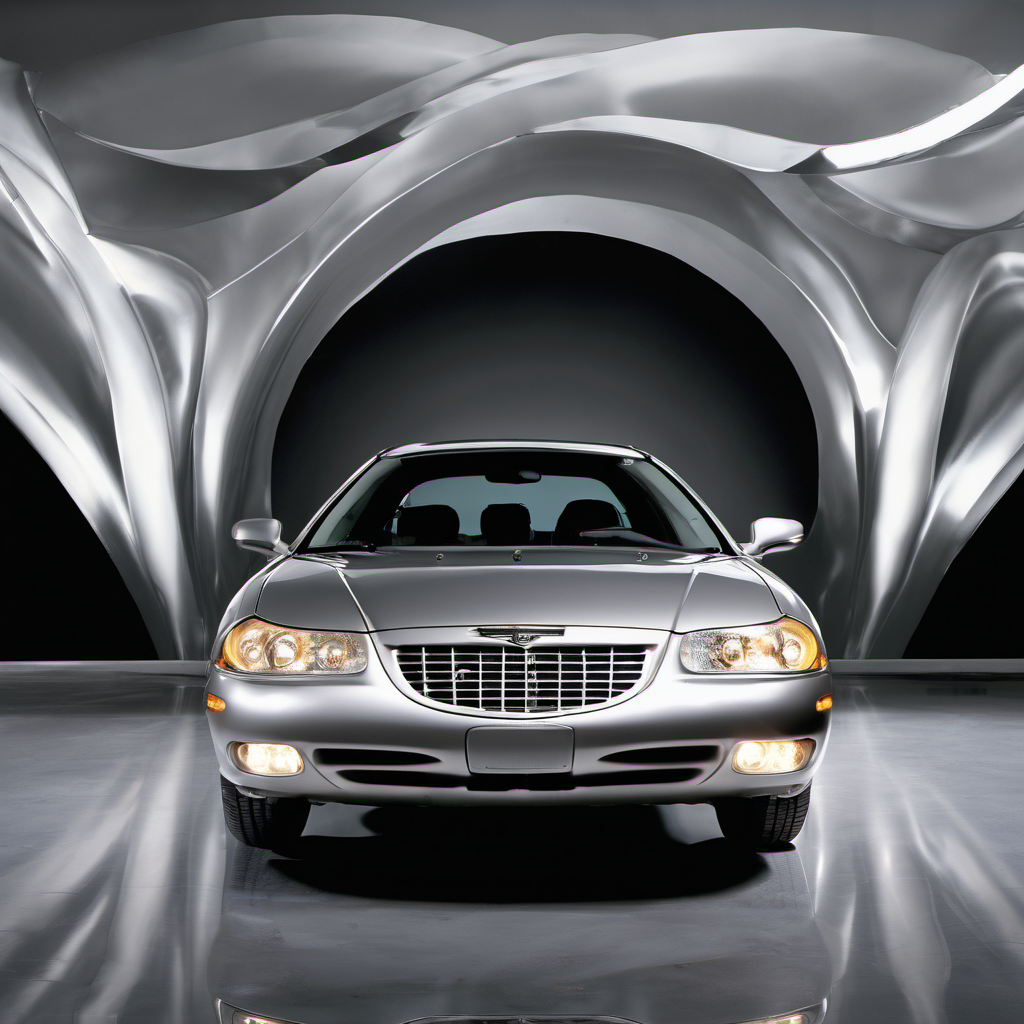
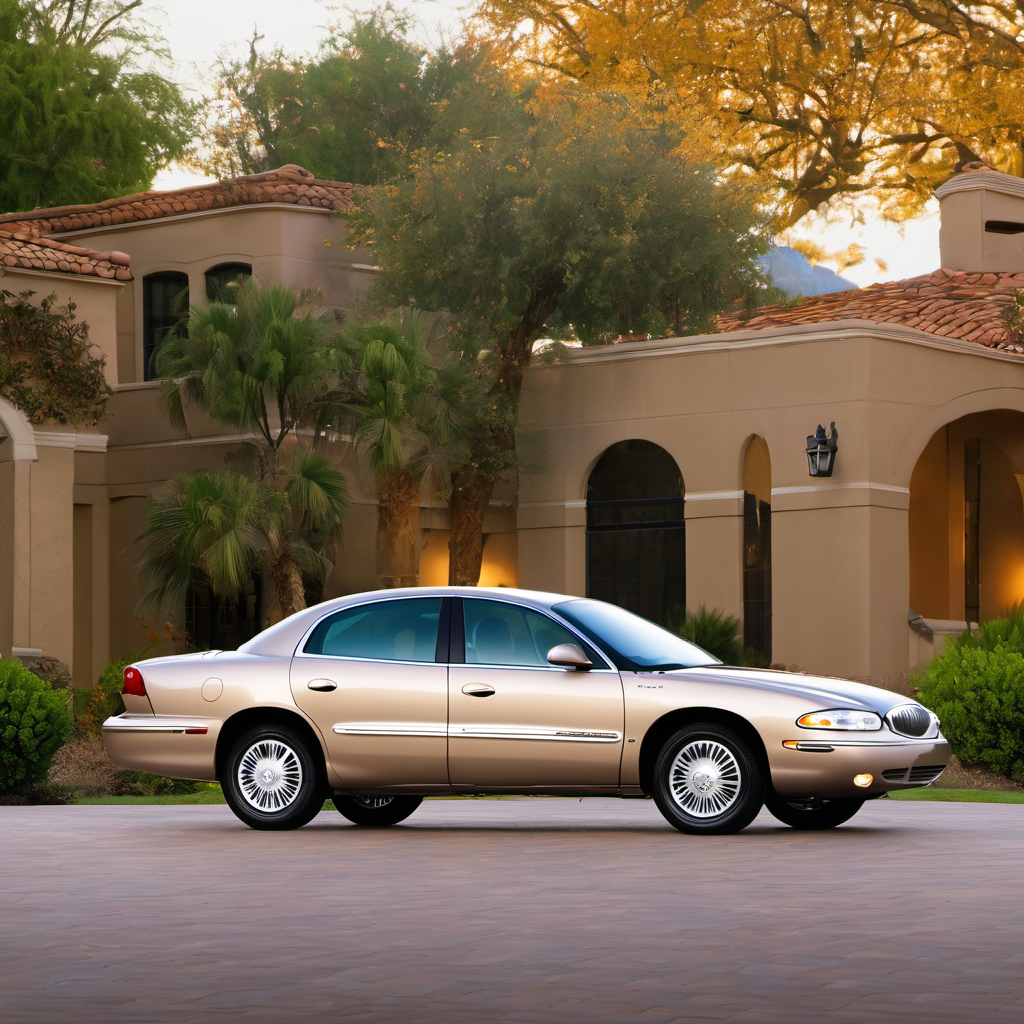
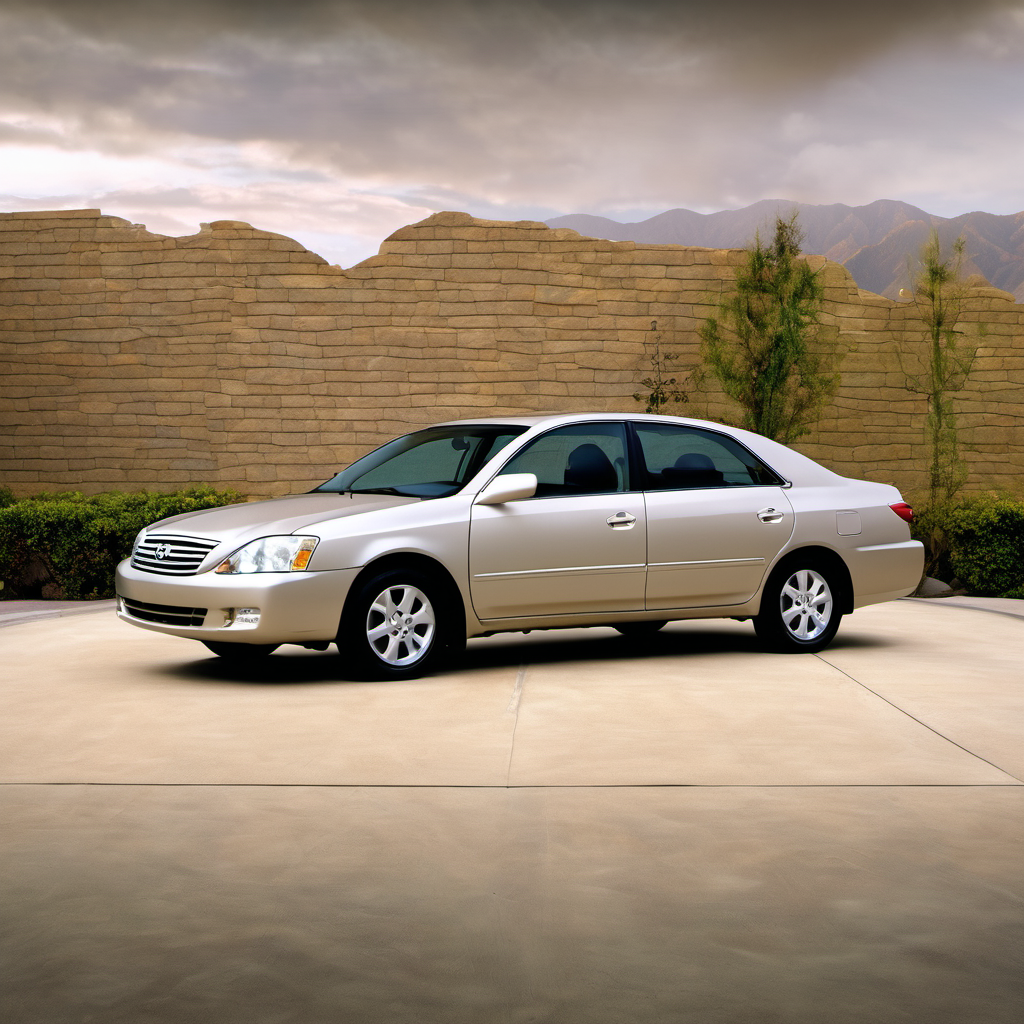
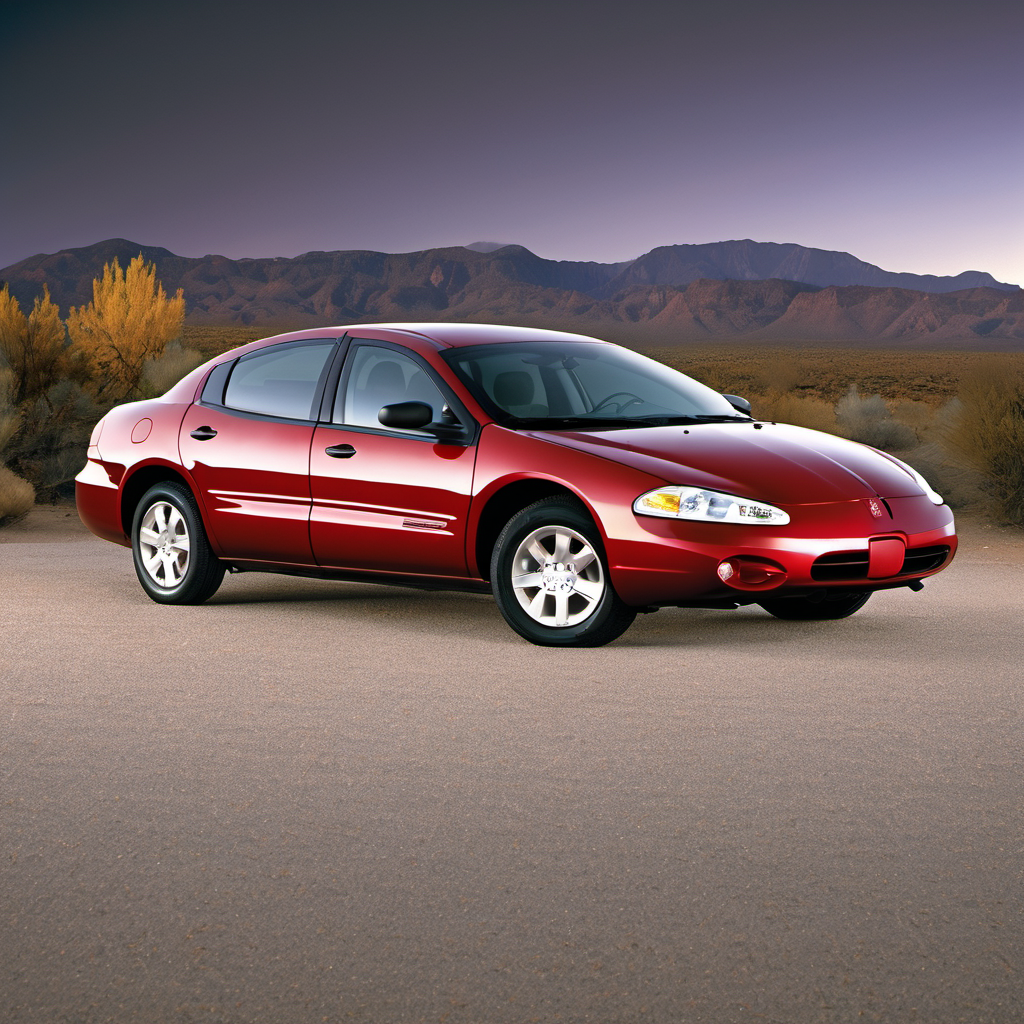
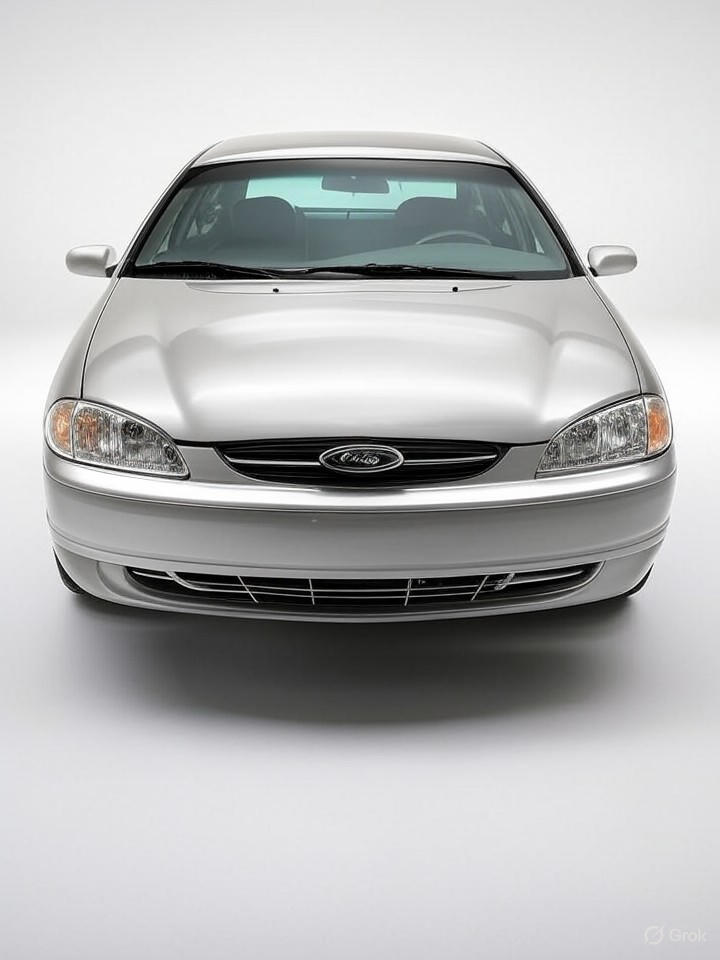
2004 Chrysler Concorde Sedan

2004 Chrysler

ConcordeSedan

3.5L V6 · Sedan

The 2004 Chrysler Concorde is a full-size front-wheel-drive sedan that served as one of Chrysler's flagship passenger cars through the LH platform generation. It offered a spacious, comfortable interior and relatively smooth ride at a price point well below European competitors — making it popular with buyers who wanted big-car comfort without a big-car price tag. The Concorde was discontinued after the 2004 model year, making this the final edition of the nameplate. Parts availability is declining, and finding qualified technicians familiar with the platform matters more than ever. The 3.5L V6 is the engine to have; the base 2.7L V6 has a documented sludge problem that has ended many otherwise serviceable examples. At 20 years old, a used Concorde is a value proposition only if the maintenance history is solid and the 2.7L engine has been ruled out or properly cared for. Rust from Wisconsin winters is a serious structural concern on any example that spent time in the salt belt.

Reliability
2/5
Verified data
Engine
3.5L V6
Drivetrain
FWD
Fuel
Gasoline
MPG
18 city / 27 hwy / 21 combined
Seats
6
Doors
4
Body
Sedan
MSRP
$26,020

Overview

AI-curated

The 2004 Chrysler Concorde is a full-size front-wheel-drive sedan that served as one of Chrysler's flagship passenger cars through the LH platform generation. It offered a spacious, comfortable interior and relatively smooth ride at a price point well below European competitors — making it popular with buyers who wanted big-car comfort without a big-car price tag. The Concorde was discontinued after the 2004 model year, making this the final edition of the nameplate. Parts availability is declining, and finding qualified technicians familiar with the platform matters more than ever. The 3.5L V6 is the engine to have; the base 2.7L V6 has a documented sludge problem that has ended many otherwise serviceable examples. At 20 years old, a used Concorde is a value proposition only if the maintenance history is solid and the 2.7L engine has been ruled out or properly cared for. Rust from Wisconsin winters is a serious structural concern on any example that spent time in the salt belt.

Known for
  • Roomy, comfortable cabin with generous rear legroom
  • Smooth, compliant highway ride
  • Affordable full-size sedan pricing
  • Final model year of the Concorde nameplate
  • Strong 3.5L V6 when properly maintained
Best for
  • Budget-conscious buyers needing a large sedan
  • Highway commuters who prioritize ride comfort
  • Low-mileage examples with documented service history
Watch for
  • 2.7L V6 engine sludge — a known fatal flaw without frequent oil changes
  • Transmission failures common on high-mileage examples
  • Rust on subframes, brake lines, and rocker panels in salt-belt cars
  • Declining parts availability as a discontinued platform
  • Electrical gremlins on aging TIPM and body control modules

Common issues by mileage

6 known

2.7L V6 Engine Oil Sludge / Catastrophic Failure

high
Typically appears
60–120k mi
Estimated repair
$2,500 – $6,000

42LE 4-Speed Automatic Transmission Failure

medium
Typically appears
100–160k mi
Estimated repair
$1,800 – $3,500

Oxygen Sensor / Heater Circuit Failure

medium
Typically appears
80–130k mi
Estimated repair
$150 – $400

Brake Line and Subframe Rust (Salt-Belt Corrosion)

high
Typically appears
Any mileage on Wisconsin/Midwest cars
Estimated repair
$400 – $2,000

Cooling System Failures (Water Pump, Thermostat, Hoses)

medium
Typically appears
80–140k mi
Estimated repair
$250 – $750

Maintenance schedule

  1. 1
    Every 3,000–5,000 miles (use full synthetic on the 2.7L; do not stretch intervals) Engine oil and filter change

    Oil sludge in the 2.7L V6 is directly caused by infrequent oil changes. This is the single most important maintenance task on this vehicle. Even with the 3.5L, regular changes extend engine life significantly.

  2. 2
    Every 30,000 miles Transmission fluid service

    The 42LE automatic is sensitive to degraded fluid. Many failures trace back to neglected fluid — don't wait for a drain-and-fill to be 'overdue'.

  3. 3
    Every 2 years or 30,000 miles Coolant flush and cooling system inspection

    The 2.7L and 3.5L both run warm. Degraded coolant accelerates water pump and gasket wear. Check hoses for cracking, especially with Wisconsin temperature swings.

  4. 4
    Annually, especially before winter Brake line inspection for corrosion

    Wisconsin road salt attacks steel brake lines. A failed brake line is a safety emergency. Inspect the full run from master cylinder to calipers each fall.

  5. 5
    Every fall, before temperatures drop below freezing Battery load test

    Cold-cranking demand in sub-zero Lake Geneva winters will expose a weak battery fast. A battery over 4 years old should be load-tested, not just voltage-checked.

  6. 6
    Every 30,000 miles Spark plugs and ignition wires

    The 3.5L V6 uses a distributorless ignition. Worn plugs or cracked wires cause misfires that can be misdiagnosed as more expensive problems.

  7. 7
    Every 60,000 miles or 5 years Serpentine belt and tensioner inspection

    Belt failure strands you and can cause power steering and cooling pump loss simultaneously. Wisconsin winters accelerate belt cracking.

  8. 8
    Annually each fall Undercarriage rust inspection and treatment

    At 20 years old, any car with Midwest history needs an annual look at subframe welds, rocker panels, and exhaust hangers. Treat bare metal before winter salt season.

Always defer to the manufacturer's service manual for warranty-mandated intervals.

Cost of ownership

Annual maintenance
$800 – $2,200
Fuel
Expect roughly $1,800–$2,400/year at typical Midwest gas prices and mixed driving, based on ~21 mpg combined.
Insurance
Generally low — full-size sedans of this age carry low market values, so comprehensive/collision premiums are minimal. Liability-only is common on examples worth under $4,000.

Day-to-day ownership costs are modest if the car is mechanically sound and you do your own routine maintenance or use an independent shop. The danger is deferred repairs — a neglected 2.7L engine or failed transmission can total a car worth $2,000–$4,000 on the used market. Budget for the unexpected, and don't let oil changes slip.
Seasonal care

Lake Geneva, WI
Winter
  • Load-test the battery every October — sub-zero starts in Lake Geneva are brutal on batteries older than 3–4 years.
  • Switch to a full synthetic 5W-30 oil if you haven't already; it flows faster on cold starts and reduces sludge risk in the 2.7L.
  • Fill the washer fluid reservoir with a -20°F or lower rated fluid; the standard reservoir on this car is large but the lines can freeze.
  • Inspect brake lines and rubber hoses for salt corrosion each fall before roads are treated — a pinhole in a brake line is a safety emergency.
  • Check antifreeze concentration to ensure protection to at least -34°F; the cooling system on the 3.5L holds about 9.5 quarts.
  • Replace wiper blades with winter-rated blades and keep an ice scraper in the car — the long hood means a large windshield to clear.
Summer
  • Check tire pressure monthly — heat causes pressure to rise roughly 1 PSI per 10°F, and an overinflated tire on hot asphalt reduces grip.
  • Inspect the A/C system for proper cold output; the evaporator and condenser on this platform are age-prone and recharging a leaking system is money wasted.
  • Check coolant level and watch the temperature gauge on hot days — a marginal thermostat or partially clogged radiator that survives winter can overheat in July.
  • Inspect the serpentine belt for cracking and glazing; summer heat accelerates belt degradation, especially on a 20-year-old example.

Comparable vehicles

If you're shopping for one

Red flags
  • Any 2.7L V6 car without receipts or records for oil changes — walk away.
  • Transmission that hesitates, slips, or clunks when shifting from Park to Drive.
  • Visible rust holes or severe scale on brake lines, subframe, or floorpans.
  • Multiple active or stored fault codes across body, chassis, and network systems simultaneously.
  • Coolant with a brown or oily appearance — could indicate head gasket seepage, especially on a neglected 2.7L.
  • Any signs of overheating history: warped hood paint, cracked reservoir, or water stains around the radiator cap.
What to inspect
  • Confirm which engine is installed — 2.7L or 3.5L. The 2.7L is a dealbreaker without a full, documented oil change history.
  • Pull the oil filler cap and look for sludge or mayonnaise-like buildup around the fill neck; this is a death sentence for the 2.7L.
  • Check the transmission for slipping, harsh shifts, or delayed engagement from a cold start.
  • Put the car on a lift and inspect brake lines, subframe mounting points, and rocker panels for rust-through — not just surface rust.
  • Scan for stored and pending DTCs before purchase; U-codes (network) and B-codes (body) on a 20-year-old car can signal expensive BCM or wiring problems.
  • Run the A/C and heater fully; blower motor resistors and blend door actuators are common failures and annoying to replace.
  • Check all power windows, locks, and the trunk release — body electrical issues are common and can be time-consuming to diagnose.
AI profile generated 3 days ago · claude-sonnet-4-6 · v2.