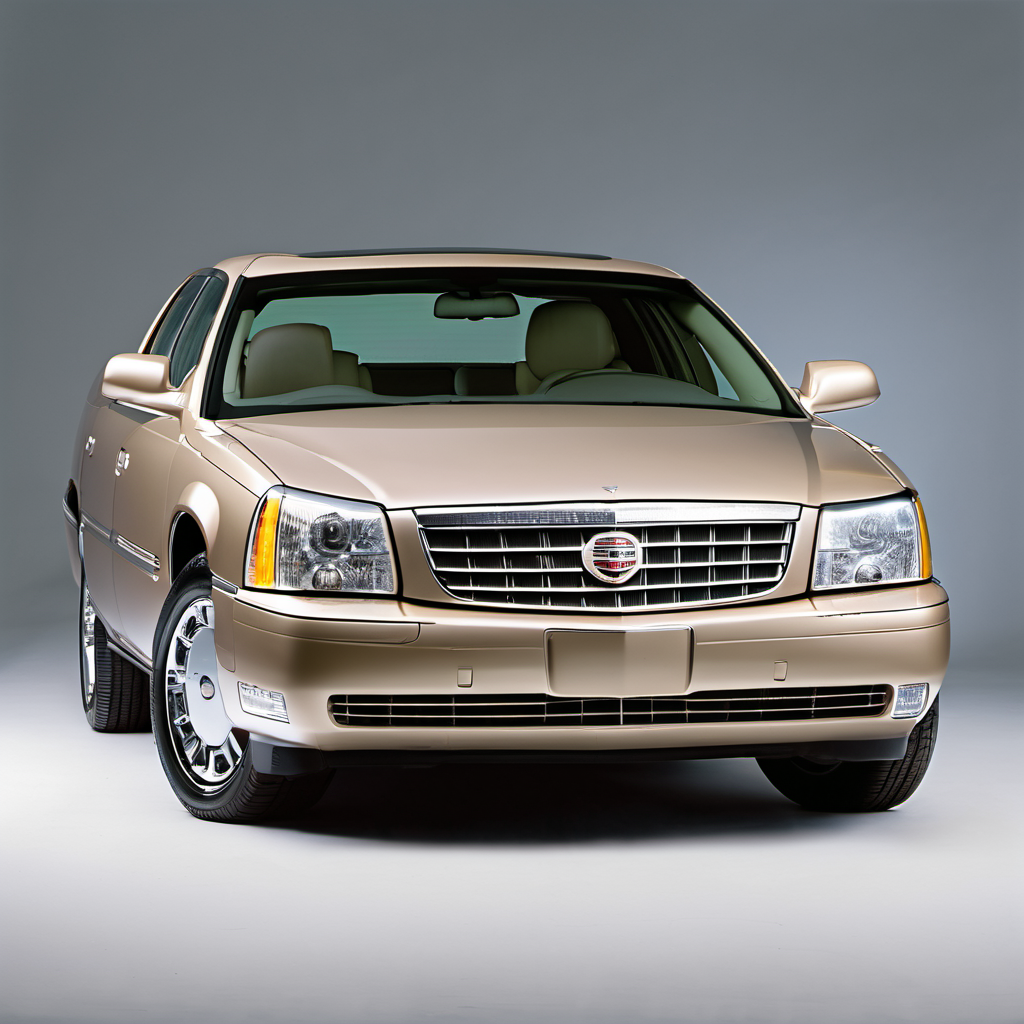
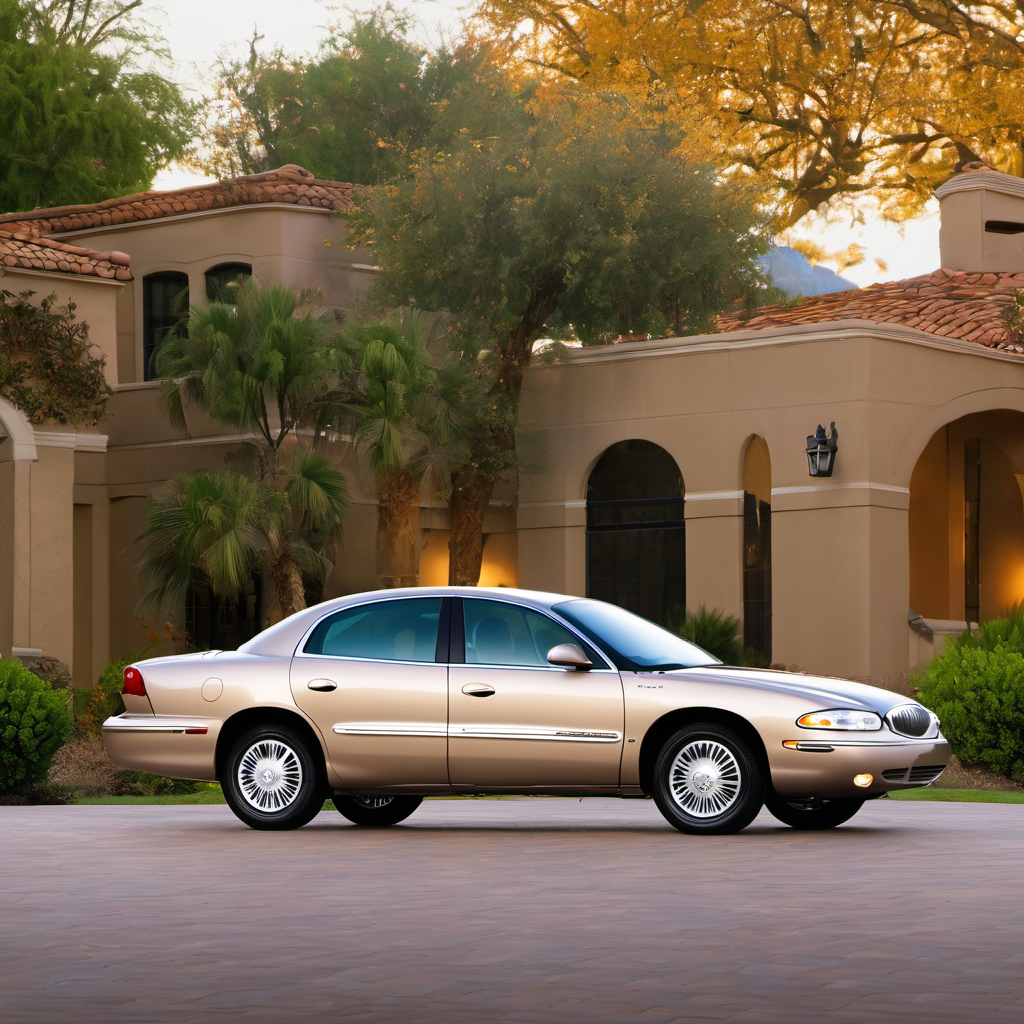
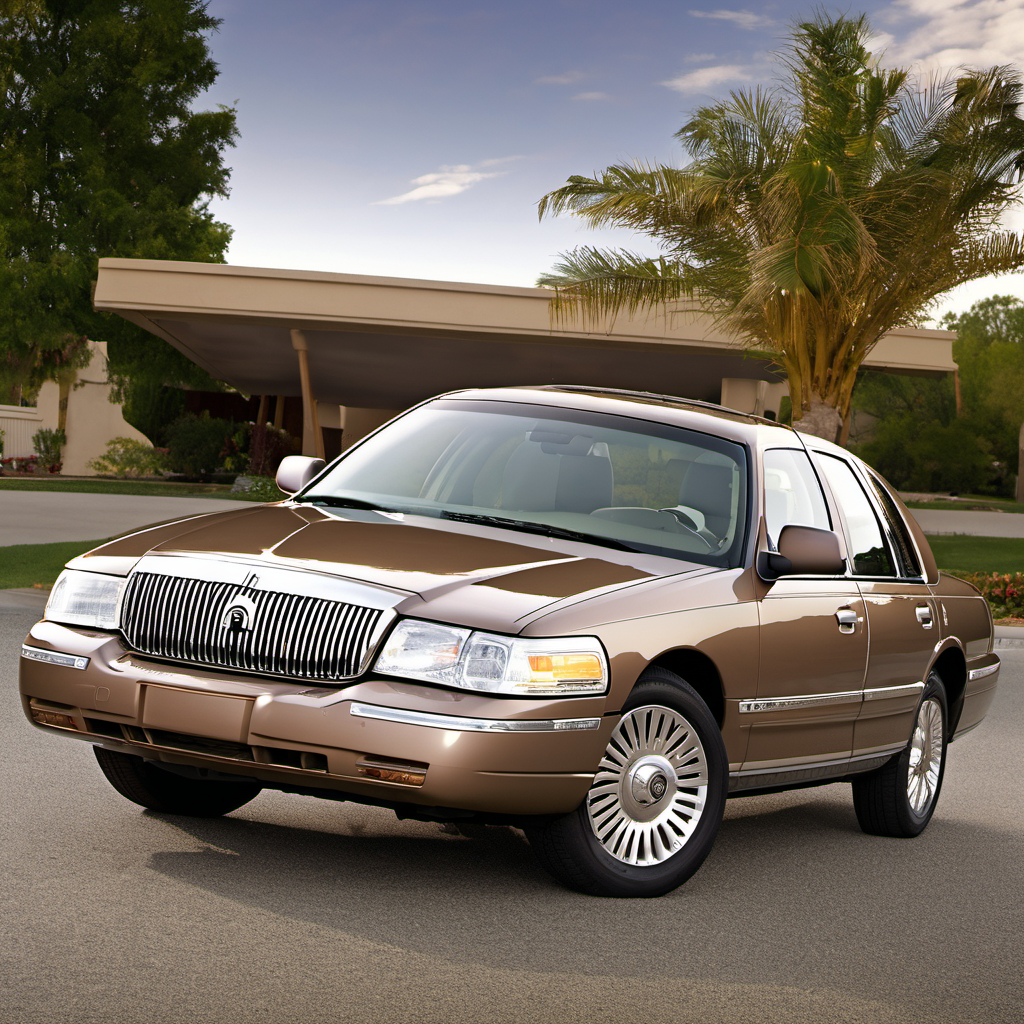
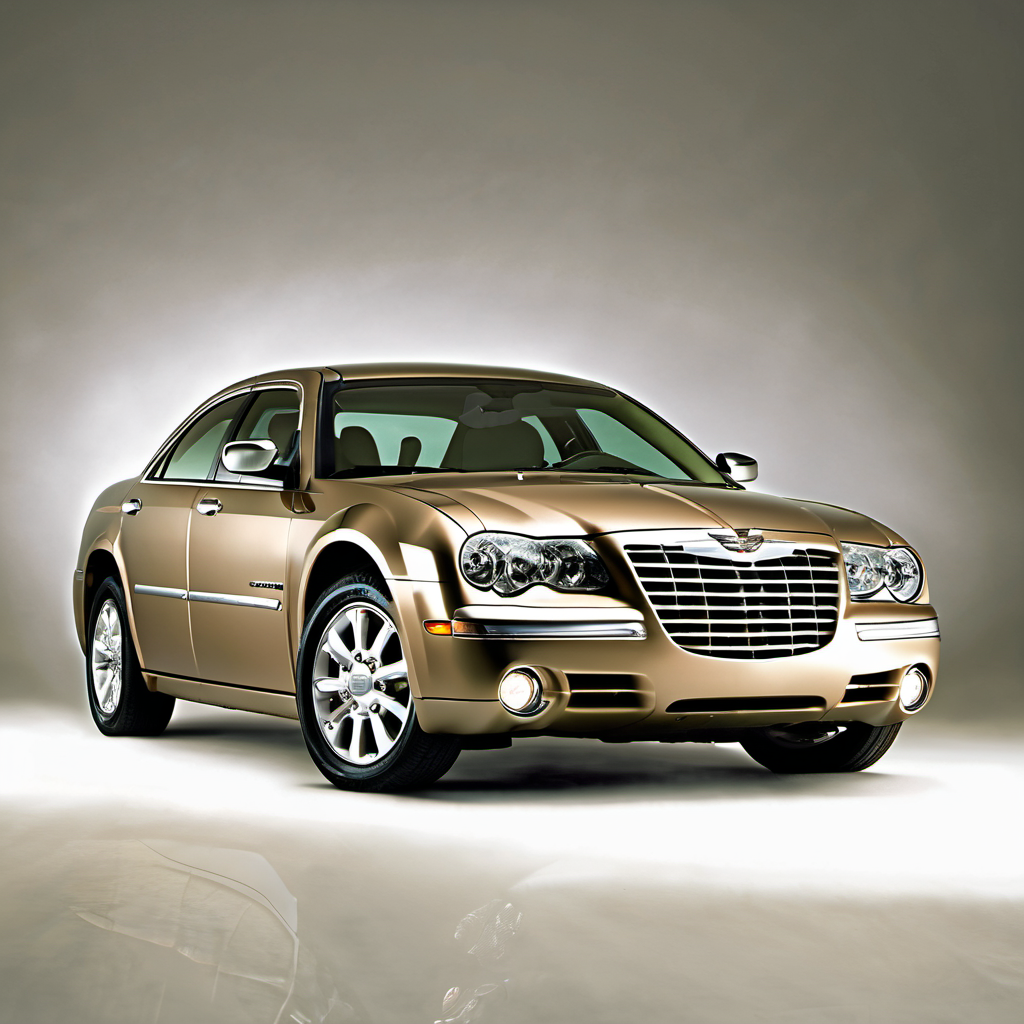
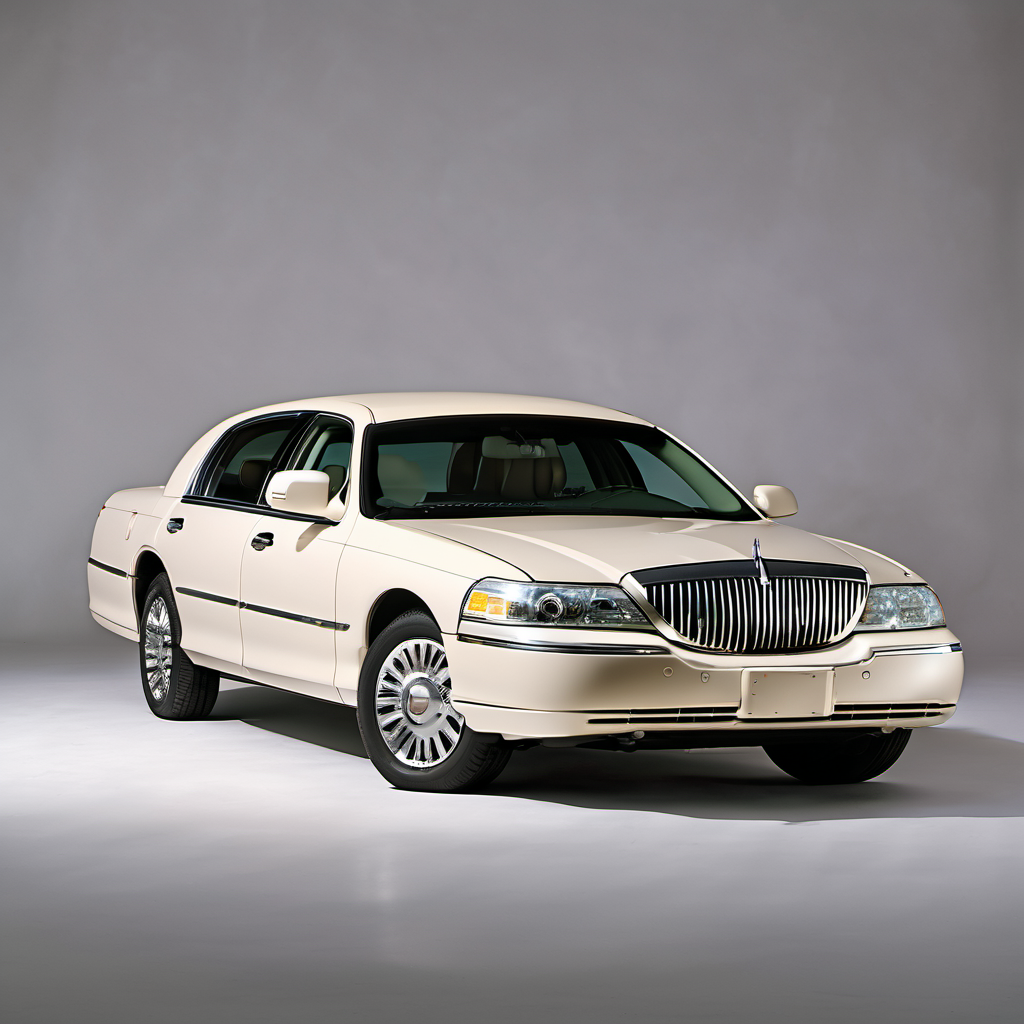
2004 Cadillac DeVille Sedan

2004 Cadillac

DeVilleSedan

Sedan

The 2004 Cadillac DeVille is the final model year of the eighth-generation DeVille — a full-size, front-wheel-drive luxury sedan that had been Cadillac's bread-and-butter nameplate for decades. Powered by the 4.6L Northstar V8, it delivered genuine big-car comfort: a whisper-quiet cabin, a pillowy ride, and enough power to feel effortless on the highway. It was replaced by the DTS for 2006. As a used buy, the DeVille's appeal is its value proposition — you get a lot of luxury for very little money. Leather seats, automatic climate control, and a smooth V8 at used-car prices are hard to argue with for a relaxed daily driver or retiree cruiser. The catch is ownership cost: when things go wrong, they tend to go expensively wrong. The Northstar engine is the defining factor. Well-maintained examples can run reliably for many miles, but neglected cooling systems lead to the DeVille's most notorious and expensive failure — head gasket and head bolt problems. Any used DeVille buyer must treat cooling system history as the number-one due-diligence item.

Reliability
2/5
Verified data
Specs shown for DeVille — the most common configuration. Other trims may vary in engine, drivetrain, or fuel economy. Sign in to see your vehicle's exact specs.
Engine
[object Object]
Drivetrain
FWD
Fuel
Gasoline
MPG
16 city / 24 hwy / 19 combined
Seats
Doors
Body
Large Cars

Overview

AI-curated

The 2004 Cadillac DeVille is the final model year of the eighth-generation DeVille — a full-size, front-wheel-drive luxury sedan that had been Cadillac's bread-and-butter nameplate for decades. Powered by the 4.6L Northstar V8, it delivered genuine big-car comfort: a whisper-quiet cabin, a pillowy ride, and enough power to feel effortless on the highway. It was replaced by the DTS for 2006. As a used buy, the DeVille's appeal is its value proposition — you get a lot of luxury for very little money. Leather seats, automatic climate control, and a smooth V8 at used-car prices are hard to argue with for a relaxed daily driver or retiree cruiser. The catch is ownership cost: when things go wrong, they tend to go expensively wrong. The Northstar engine is the defining factor. Well-maintained examples can run reliably for many miles, but neglected cooling systems lead to the DeVille's most notorious and expensive failure — head gasket and head bolt problems. Any used DeVille buyer must treat cooling system history as the number-one due-diligence item.

Known for
  • Exceptionally smooth, comfortable highway ride
  • 4.6L Northstar V8 — powerful but maintenance-sensitive
  • Plush, full-size interior with high equipment levels
  • Strong resale value loss — cheap to buy, expensive to own if neglected
  • Last year of the classic DeVille nameplate
Best for
  • Retired or low-mileage drivers who want luxury on a budget
  • Highway commuters who prioritize ride comfort
  • Buyers with access to a trusted independent shop familiar with Northstar engines
  • Someone who already has a solid service history for the specific car
Watch for
  • Northstar head gasket and thread-insert repairs — can exceed $3,000
  • Oil consumption — Northstar engines burn oil; check level frequently
  • Air suspension components (DTS/STS shared platforms) — can fail expensively
  • Complex electronics and many luxury modules that are now aged 20+ years
  • Deferred maintenance is extremely common on high-mileage examples

Common issues by mileage

6 known

Northstar head gasket failure / head bolt thread pullout

high
Typically appears
80–150k mi
Estimated repair
$2,500 – $4,500

Oil consumption — Northstar engine burns oil between changes

high
Typically appears
60–200k mi
Estimated repair
$50 – $300

Coolant crossover pipe / purge line leaks

high
Typically appears
70–130k mi
Estimated repair
$300 – $900

Oxygen sensor heater circuit faults

medium
Typically appears
80–150k mi
Estimated repair
$150 – $450

Window regulator failure and instrument cluster pixel fade

high
Typically appears
100–200k mi
Estimated repair
$150 – $500

Maintenance schedule

  1. 1
    Every 2 years / 30k miles — do not skip Coolant flush and inspection of crossover pipes, purge lines, and surge tank

    The Northstar's aluminum block is unforgiving to degraded coolant. Old coolant becomes acidic and attacks gaskets and soft lines. This is the single most important service on this car.

  2. 2
    Every fill-up or at minimum monthly Check engine oil level

    Northstar engines commonly consume oil, especially as mileage climbs. Running low accelerates ring and valve guide wear. Don't rely on the oil life monitor alone.

  3. 3
    Every 5,000 miles Oil and filter change with correct Dexos-compatible 5W-30

    Shorter intervals than the oil life monitor may suggest are prudent given the Northstar's oil consumption tendencies and the cost of an engine repair.

  4. 4
    Every 50k miles Transmission fluid service (4T80-E)

    The 4T80-E is durable but develops shift solenoid and pressure issues when fluid is neglected. Use GM-spec DEXRON VI.

  5. 5
    Every fall before winter Inspect and load-test battery

    The DeVille's heavy electronics draw — climate control, heated seats, multiple modules — places constant demand on the battery. Cold Wisconsin winters are especially hard on aged batteries.

  6. 6
    Annually — every spring after winter Inspect brake lines and suspension for corrosion

    Wisconsin road salt accelerates brake line corrosion on 20-year-old cars. Steel brake lines on this generation are a known rust failure point.

  7. 7
    Every 20–25k miles Replace engine air filter

    The Northstar breathes through a large airbox; a clogged filter increases fuel consumption and can amplify any oil consumption issues.

  8. 8
    Every 60k miles Inspect spark plugs (platinum or iridium)

    The Northstar is a transverse V8 — rear bank plugs are difficult to access. Doing them on schedule avoids seized plugs and potential thread damage in the aluminum heads.

Always defer to the manufacturer's service manual for warranty-mandated intervals.

Cost of ownership

Annual maintenance
$900 – $2,500
Fuel
At 19 MPG combined and typical upper Midwest driving, expect $1,800–$2,400/year at current gas prices assuming 12,000 miles annually. Premium fuel is not required but some owners report smoother operation with it.
Insurance
Generally low — full-size sedan, older vehicle, low market value. Expect $800–$1,400/year for full coverage depending on driver history.

The DeVille is cheap to buy and cheap to insure, but routine maintenance costs are above average for a 20-year-old car because Northstar service — coolant, plugs, timing work — is labor-intensive. A single major repair (head gaskets, transmission solenoids, cooling system) can easily cost more than the car's street value. Budget a contingency fund, and treat this as a 'known-history-only' purchase.
Seasonal care

Lake Geneva, WI
Winter
  • Load-test the battery every October — the DeVille's electronics draw is substantial and cold starts at -10°F will expose any weakness fast.
  • Switch to a winter-weight washer fluid rated to at least -20°F; the long hood means the wipers travel a lot of glass and Lake Geneva road salt mist will coat it constantly.
  • Inspect wiper blades and consider winter blades — the large windshield benefits from blades that don't ice up at the pivot.
  • Flush and fill coolant if overdue — degraded coolant has a lower freeze point and accelerates gasket wear, both critical in sub-zero temps.
  • Inspect brake lines underneath for rust and salt corrosion before winter sets in — a 20-year-old car in Wisconsin is at real risk of line failure.
  • Check tire pressure monthly: every 10°F drop in temperature costs roughly 1 PSI; underinflated tires on a 4,000-lb sedan hurt both safety and fuel economy significantly.
Summer
  • Monitor the coolant temperature gauge closely in stop-and-go heat — the Northstar does not tolerate overheating, and the fan clutch / electric cooling fans should be confirmed operational before summer.
  • Check A/C system function early in the season — the system uses R-134a and seals age over 20 years; a weak charge will be obvious quickly in a Wisconsin July.
  • Check tire pressure after any significant temperature spike — heat increases pressure, and the large P225 tires on this car can run over-inflated and cause uneven wear.
  • Inspect the rubber coolant hoses and surge tank for swelling or cracking — heat cycles accelerate rubber degradation on aging cooling components.

Comparable vehicles

If you're shopping for one

Red flags
  • Any overheating history or a 'stop engine' warning light in the past — walk away.
  • Oil fill cap with milky or frothy residue — likely head gasket failure in progress.
  • Coolant that is brown, rusty, or smells burned — badly neglected system, high repair risk.
  • Visible rust perforation on the frame, floor pans, or brake lines.
  • Check engine light on at purchase — get a full scan before buying; multiple stored DTCs on a 20-year-old car signal deferred maintenance.
  • Any evidence of a DIY head gasket repair or timing chain work without shop documentation.
What to inspect
  • Pull the coolant surge tank cap and look for oil contamination or a milky residue — a primary sign of head gasket intrusion.
  • Check the oil fill cap underside for white or creamy sludge — another head gasket indicator.
  • Warm the engine fully and watch the temperature gauge: it should stabilize around the midpoint and never creep toward hot in normal driving.
  • Ask for documented coolant flush history. If the seller can't produce it, budget for an immediate flush and full cooling system inspection.
  • Check oil level at purchase and again after a short test drive — Northstars that are burning oil will show a drop quickly.
  • Inspect the undercarriage for rust on brake lines, fuel lines, and subframe — Wisconsin cars over 15 years old are at high risk.
  • Test all electronics: windows, climate control, heated seats, trunk release. Modules and actuators are expensive and increasingly hard to source.
  • Look for coolant staining (white mineral deposits) around the crossover pipes at the rear of the engine and around the surge tank.
AI profile generated 3 days ago · claude-sonnet-4-6 · v2.