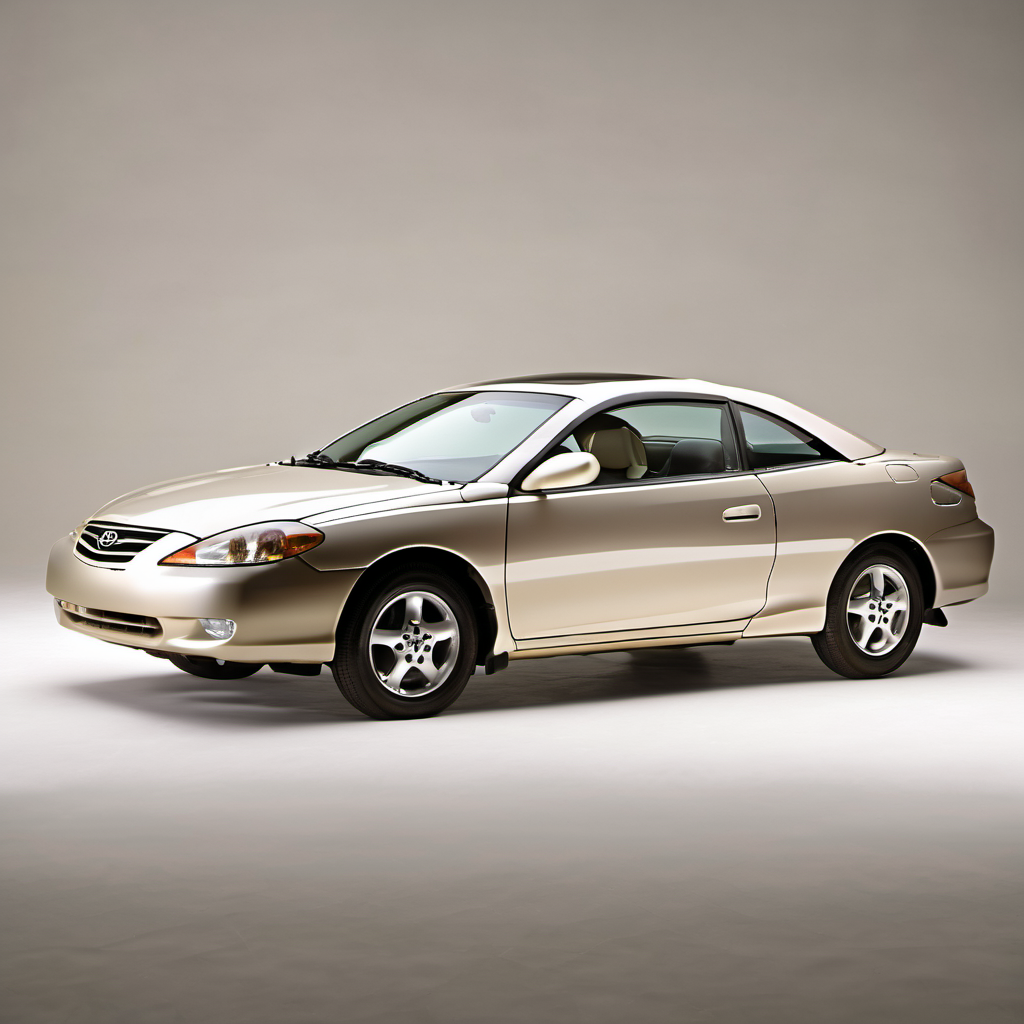
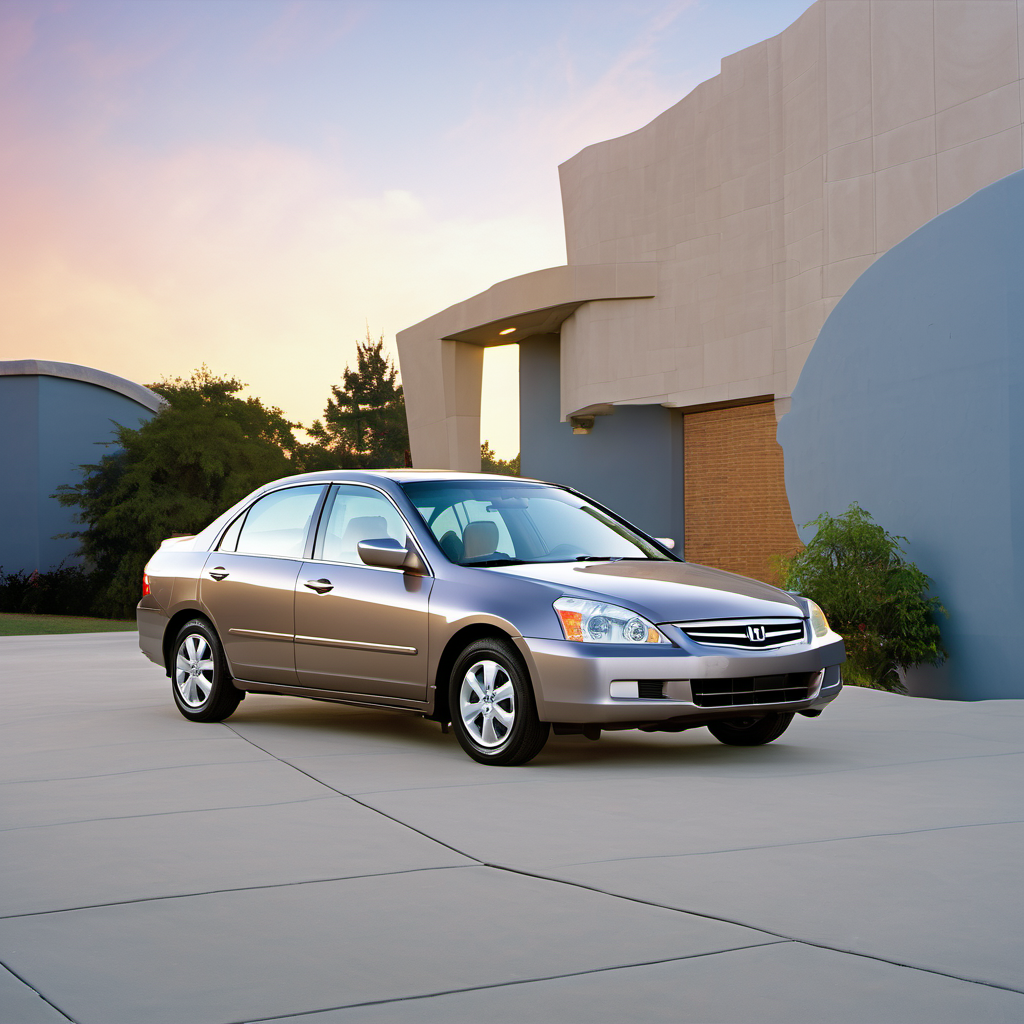
2003 Toyota Solara Coupe

2003 Toyota

SolaraCoupe

3.0L V6 · Coupe

The 2003 Toyota Solara Coupe is a 2-door sport coupe derived from the Camry platform, positioned as a more stylish, personal-luxury alternative to Toyota's mainstream sedans. It slots between an economy coupe and a true sports car — relaxed power delivery, comfortable ride, and a reputation for lasting well past 200,000 miles with routine care. The third model year of the second generation brought a choice of a 2.4L four-cylinder or a 3.0L V6. The V6 SE and SLE trims were the popular choices, adding more spirited performance while retaining the Solara's signature smoothness. Fit and finish is notably better than competitors at the same price point. It's not a driver's car by any stretch, but it is a reliable, comfortable coupe that's cheap to maintain at an independent shop. Parts are shared heavily with the Camry, keeping costs down and availability high even at 20+ years old.

Reliability
4/5
Verified data
Engine
3.0L V6
Drivetrain
FWD
Fuel
Gasoline
MPG
20 city / 28 hwy / 23 combined
Seats
4
Doors
2
Body
Coupe
MSRP
$23,715

Overview

AI-curated

The 2003 Toyota Solara Coupe is a 2-door sport coupe derived from the Camry platform, positioned as a more stylish, personal-luxury alternative to Toyota's mainstream sedans. It slots between an economy coupe and a true sports car — relaxed power delivery, comfortable ride, and a reputation for lasting well past 200,000 miles with routine care. The third model year of the second generation brought a choice of a 2.4L four-cylinder or a 3.0L V6. The V6 SE and SLE trims were the popular choices, adding more spirited performance while retaining the Solara's signature smoothness. Fit and finish is notably better than competitors at the same price point. It's not a driver's car by any stretch, but it is a reliable, comfortable coupe that's cheap to maintain at an independent shop. Parts are shared heavily with the Camry, keeping costs down and availability high even at 20+ years old.

Known for
  • Camry-derived reliability in a coupe body
  • Smooth, refined V6 option (3.0L 1MZ-FE)
  • High parts availability due to Camry platform sharing
  • Well-appointed interior for its price class
  • Long-term durability with basic maintenance
Best for
  • Buyers wanting a stylish coupe without sports-car repair bills
  • Daily drivers seeking low long-term cost of ownership
  • Single owners or couples who rarely need rear seats
  • Someone who wants a used Toyota that's easy to find parts for
Watch for
  • Oil sludge in V6 engines if oil changes were skipped (pre-2003 problem, but inspect histories)
  • VVT-i system issues on higher-mileage engines
  • Rust on door sills, rocker panels, and undercarriage on cars from salt-belt states
  • Power window regulator failures — common on this generation
  • Worn or cracked dashboard and interior plastics on high-sun-exposure examples

Common issues by mileage

6 known

VVT-i Oil Control Valve / Camshaft Timing Faults

medium
Typically appears
80–150k mi
Estimated repair
$150 – $550

VVT-i Solenoid Circuit Faults

medium
Typically appears
80–150k mi
Estimated repair
$120 – $400

Oxygen Sensor / A/F Sensor Heater Circuit Failure

medium
Typically appears
100–160k mi
Estimated repair
$150 – $400

Power Window Regulator Failure

high
Typically appears
60–120k mi
Estimated repair
$120 – $280

Engine Oil Sludge (V6 — neglected maintenance)

medium
Typically appears
Any mileage with poor history
Estimated repair
$300 – $2,500

Underbody / Rocker Panel Rust

high
Typically appears
Any age in salt-belt states
Estimated repair
$400 – $3,000

Maintenance schedule

  1. 1
    Every 5,000 miles or 6 months — use full synthetic 5W-30 Engine oil and filter change

    The 1MZ-FE V6 is prone to sludge with extended intervals. Full synthetic and strict 5k intervals are the single most effective way to preserve this engine long-term.

  2. 2
    Every 60,000 miles or at any camshaft timing DTC VVT-i oil control valve screen cleaning

    Small screens on the VVT-i solenoids trap varnish and sludge. Cleaning them proactively prevents the timing faults that lead to expensive diagnosis visits.

  3. 3
    Every 30,000 miles — use Toyota WS or equivalent spec fluid Transmission fluid change (automatic)

    Toyota's 'lifetime' fluid designation is optimistic. Independent-shop experience shows smoother shifts and longer trans life with regular fluid changes.

  4. 4
    Every 50,000 miles or 5 years Coolant flush

    Toyota's pink long-life coolant degrades over time. Old coolant becomes acidic and attacks the water pump seal and aluminum surfaces.

  5. 5
    Every 60,000 miles Spark plugs (iridium)

    The V6 has rear-bank plugs that require intake manifold removal — budget extra labor. Skipping this interval causes misfires and rough idle.

  6. 6
    Every 2 years regardless of mileage Brake fluid flush

    Brake fluid absorbs moisture. In Wisconsin freeze-thaw cycles, degraded fluid in the ABS modulator can cause corrosion and soggy pedal feel.

  7. 7
    Every spring (post-salt-season) Undercarriage wash and inspection

    Road salt accumulates on brake lines, subframe, and exhaust hardware over winter. An annual pressure wash and inspection catches rust before it becomes structural.

  8. 8
    Inspect every 30k mi; replace by 90,000 miles Drive belt (serpentine) inspection and replacement

    Belt failure leaves you stranded and can damage the power steering pump. Wisconsin cold makes aged belts crack faster.

Always defer to the manufacturer's service manual for warranty-mandated intervals.

Cost of ownership

Annual maintenance
$400 – $900
Fuel
Regular unleaded (87 octane). At current upper-Midwest prices, expect roughly $1,500–$2,200/year at 12,000 miles annually based on ~23 MPG combined.
Insurance
Generally low — coupes in this class and age typically fall in the $900–$1,400/year range for full coverage in Wisconsin, depending on driver profile.

The Solara is one of the cheaper-to-own coupes from its era. Parts overlap heavily with the Camry, so nothing is exotic or dealer-exclusive. A healthy example with documented maintenance should cost $400–$900/year in routine upkeep at an independent shop. The main budget risk is deferred maintenance catching up — sludge repairs and rust remediation can spike costs significantly on neglected cars.
Seasonal care

Lake Geneva, WI
Winter
  • Switch to full synthetic 5W-30 if not already — cold-start oil flow is critical to the VVT-i system at sub-zero temps
  • Test and replace the battery if it's over 4 years old; cold cranking amps drop sharply below 0°F and this engine needs a strong start to protect the VVT-i system
  • Use winter-rated washer fluid rated to at least -20°F; the reservoir cap area can freeze and crack stock fluid lines
  • Install proper winter tires — the FWD platform handles snow adequately but OEM all-seasons lose grip quickly below 20°F
  • Flush and pressure-wash the undercarriage every 4–6 weeks during heavy salt season to protect brake lines and the subframe
  • Inspect wiper blades before first snow and use winter-blade style to prevent ice packing in the wiper arm frame
Summer
  • Check tire pressure monthly — for every 10°F rise in temperature, pressure increases ~1 PSI; overinflation causes center-tread wear
  • Test A/C refrigerant charge and inspect cabin air filter — these cars are 20+ years old and A/C seals degrade with age
  • Inspect the coolant level and condition; heat soak at idle (e.g., traffic on a hot day) can stress an aging cooling system
  • Inspect rubber seals around the coupe's rear window and door glass — cracked seals allow water intrusion during summer storms

Comparable vehicles

If you're shopping for one

Red flags
  • Any camshaft timing DTC (P0012, P0015, P0022, P0025) combined with sludgy oil — walk away unless the price reflects a potential engine service
  • Rust through the rocker panels or visible subframe corrosion — structural repair costs will exceed the car's value
  • No oil change records and a dark, gritty oil sample on the dipstick
  • Slipping or delayed engagement in the automatic transmission — rebuild costs exceed typical used market value of this car
  • Prior front-end collision repair — check panel gaps at the hood and front fenders; the Solara's front clip is expensive to align properly
What to inspect
  • Pull the valve cover or inspect via borescope for oil sludge — dark, tar-like buildup is a deal-breaker on the V6
  • Lift the car and inspect rocker panels, subframe, and brake lines for rust perforation — not surface rust, but through-rust
  • Test every power window multiple times; regulators fail frequently and replacement is $150–$280 per door
  • Check the VVT-i operation: after a cold start, listen for a brief rattling tick that disappears quickly — extended ticking suggests sludge in the oil passages
  • Look for oil seepage around the valve cover gaskets and rear main seal, both common on higher-mileage examples
  • Verify the spare tire, jack, and tool kit are present — oddly often missing on these coupes
AI profile generated 3 days ago · claude-sonnet-4-6 · v2.