Coolant leaks — thermostat housing and intake manifold gasket (2.2L)
high- Typically appears
- 70–130k mi
- Estimated repair
- $150 – $450
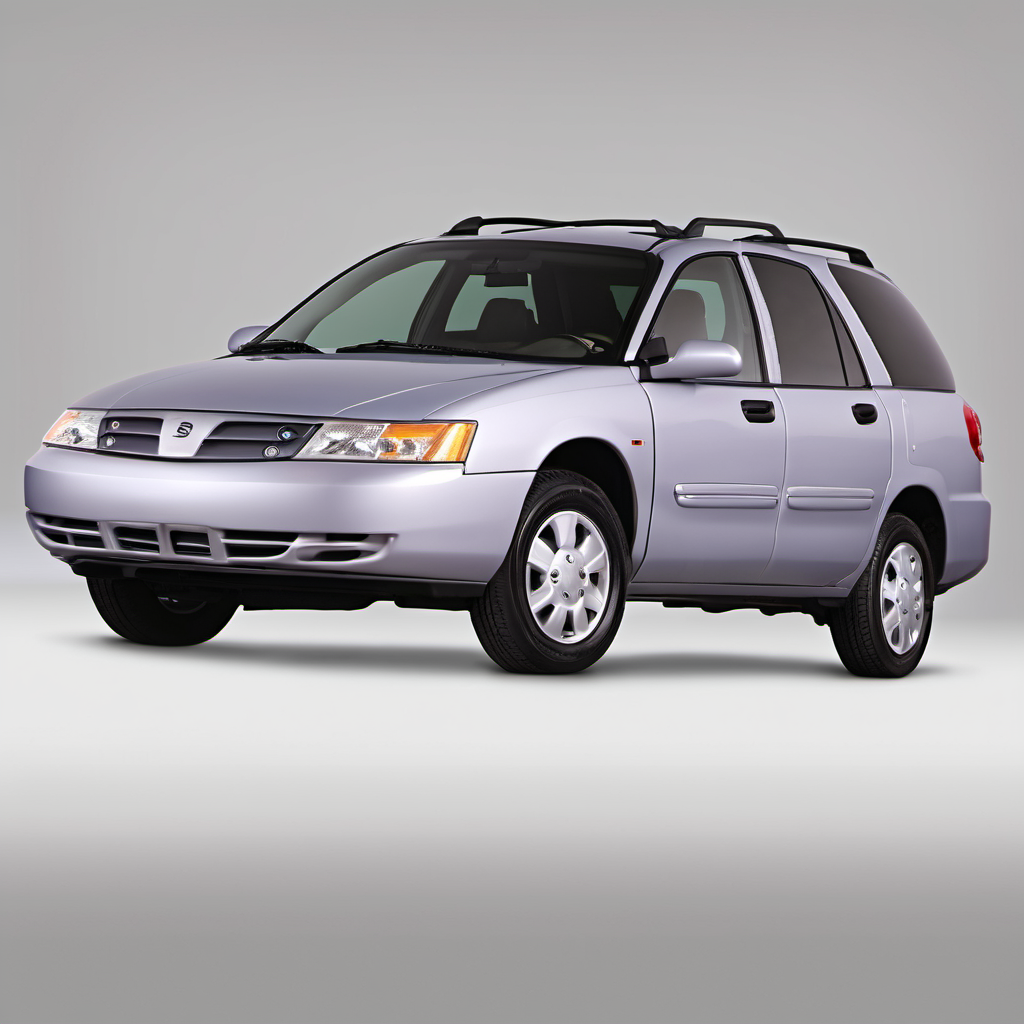
2003 Saturn
2.2L I4 · Sedan
The 2003 Saturn L-Series is a compact-to-midsize front-wheel-drive sedan that shared its platform with the Opel Vectra, making it one of the more globally engineered Saturns of its era. It was offered with a 2.2L inline-4 or a 3.0L V6, and was positioned as a step up from Saturn's plastic-panel S-Series. Build quality and feature content improved over earlier Saturns, but the L-Series never captured strong sales or enthusiast loyalty before Saturn discontinued the nameplate entirely in 2005. By 2003, the L-Series was at the tail end of its production run, and it shows in parts availability and shop support. Opel-sourced components (especially electrical and HVAC) can be harder to source than domestic equivalents, and independent shops need to be aware of the European engineering DNA under the skin. That said, owners who keep up with basic maintenance can get reasonable mileage out of these cars. At 20+ years old, most surviving L-Series examples have high mileage and varying maintenance histories. Rust is a serious concern for any Wisconsin-kept example — the body panels are steel (unlike the S-Series), and the upper Midwest's road salt accelerates corrosion on the subframe, brake lines, and wheel wells. Buy carefully and inspect thoroughly.
The 2003 Saturn L-Series is a compact-to-midsize front-wheel-drive sedan that shared its platform with the Opel Vectra, making it one of the more globally engineered Saturns of its era. It was offered with a 2.2L inline-4 or a 3.0L V6, and was positioned as a step up from Saturn's plastic-panel S-Series. Build quality and feature content improved over earlier Saturns, but the L-Series never captured strong sales or enthusiast loyalty before Saturn discontinued the nameplate entirely in 2005. By 2003, the L-Series was at the tail end of its production run, and it shows in parts availability and shop support. Opel-sourced components (especially electrical and HVAC) can be harder to source than domestic equivalents, and independent shops need to be aware of the European engineering DNA under the skin. That said, owners who keep up with basic maintenance can get reasonable mileage out of these cars. At 20+ years old, most surviving L-Series examples have high mileage and varying maintenance histories. Rust is a serious concern for any Wisconsin-kept example — the body panels are steel (unlike the S-Series), and the upper Midwest's road salt accelerates corrosion on the subframe, brake lines, and wheel wells. Buy carefully and inspect thoroughly.
The 2.2L Ecotec is sensitive to oil sludge buildup. Extended drain intervals accelerate timing chain wear and can trigger camshaft position codes. Full synthetic is worth the extra cost on this engine.
The plastic thermostat housing and coolant crossover on the 2.2L crack and leak with age. Catch it early — an overheated engine on this platform is expensive to repair.
GM's 'lifetime fluid' recommendation is not realistic on a 20-year-old transmission. Fresh fluid helps maintain shift quality and extends transmission life.
Wisconsin road salt eats steel brake lines from the inside out. A line failure is a safety emergency. Inspect every fall and replace any lines showing external corrosion or bubbling.
The 2.2L Ecotec uses iridium plugs rated for 60k. Neglected plugs increase misfires and strain the ignition coils.
Belt failure leaves you stranded and can damage accessories. The tensioner pulley bearing also wears on high-mileage examples.
The Opel-derived HVAC system uses components that are increasingly hard to find. Keeping the system clean reduces strain on the blower motor and evaporator.
A battery that tests fine in September can fail at -10°F in January. The L-Series electrical system is already aging — a weak battery stresses modules and can trigger communication faults.
Always defer to the manufacturer's service manual for warranty-mandated intervals.
On paper the L-Series is cheap to own — low purchase price and reasonable fuel economy. In practice, a 20-year-old example with deferred maintenance can surprise you. Budget on the higher end of maintenance costs if the car's history is unknown. Parts sourcing for Opel-specific components adds cost and lead time compared to mainstream GM vehicles. Rust repair is the wildcard — a clean undercarriage keeps costs manageable, but a salt-damaged one can turn a $1,500 car into a money pit quickly.
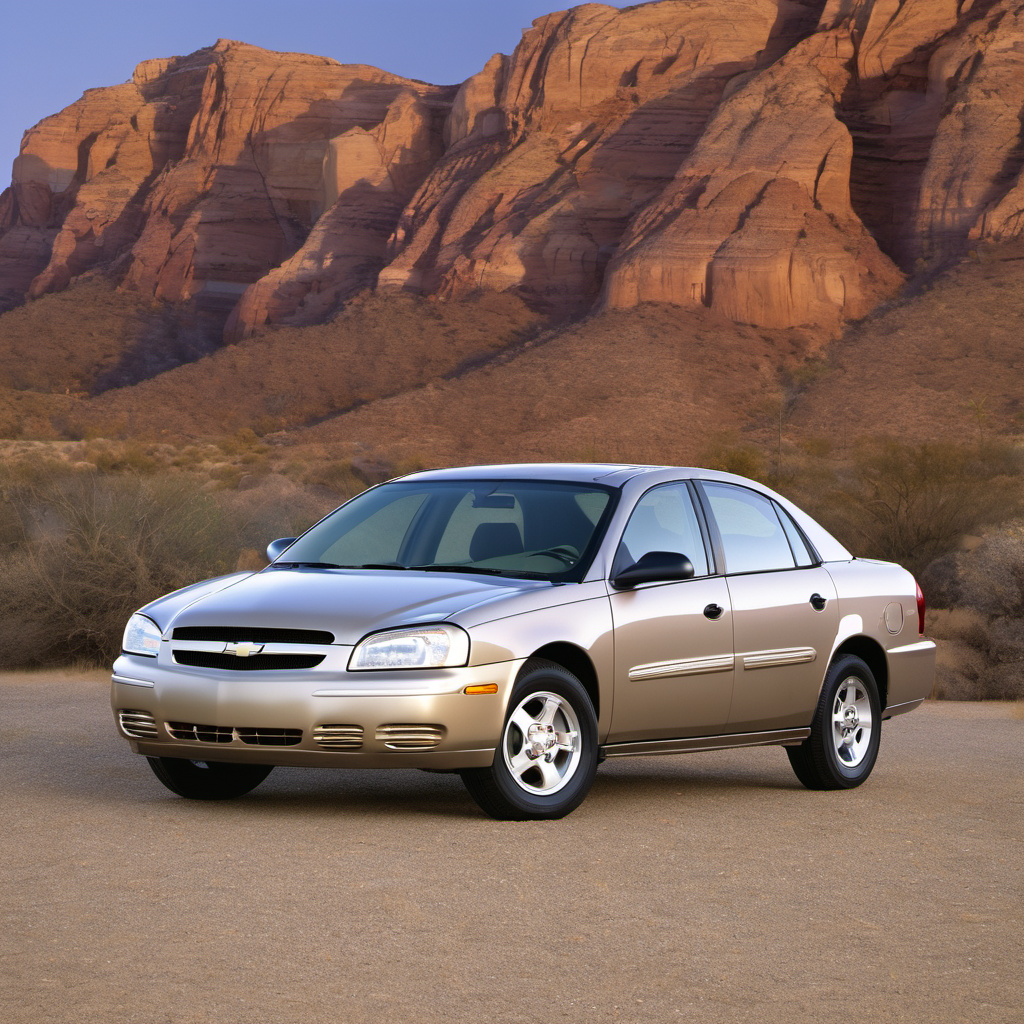
Same GM stable, similar FWD midsize sedan layout, better parts availability, and more shop familiarity. Often found at comparable used prices.
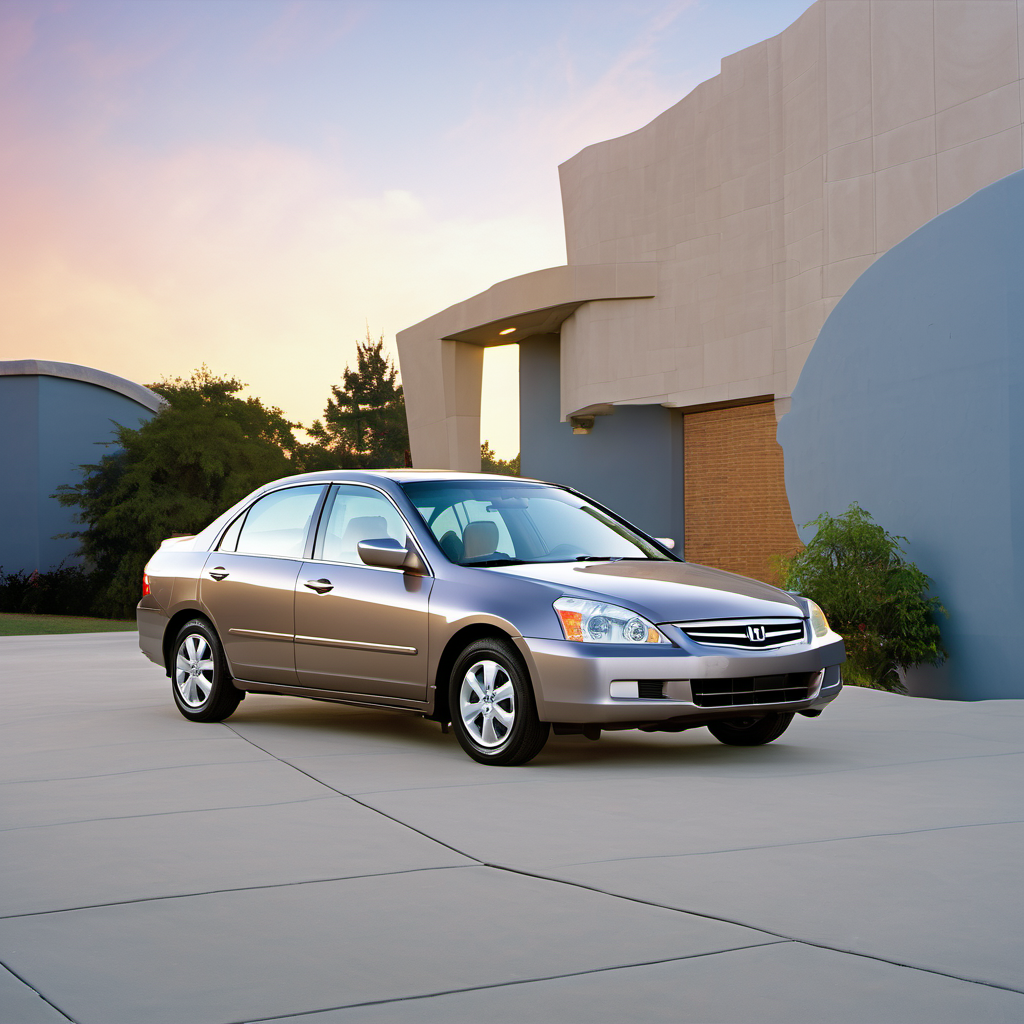
Similar size and mission, significantly stronger long-term reliability, and far better parts and mechanic availability. A better bet if budget allows a clean example.
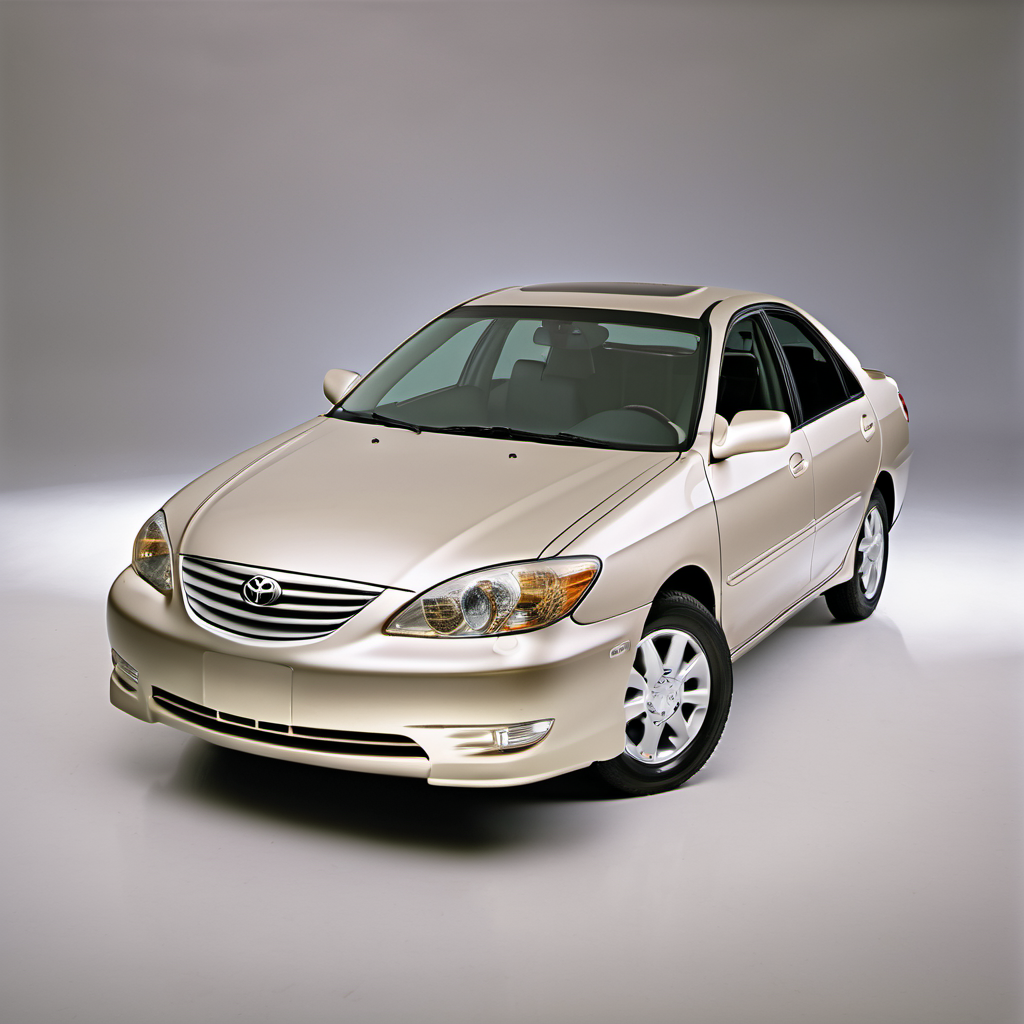
Class benchmark for reliability in this segment. Higher used prices reflect real-world durability. Worth the premium over the L-Series for most buyers.
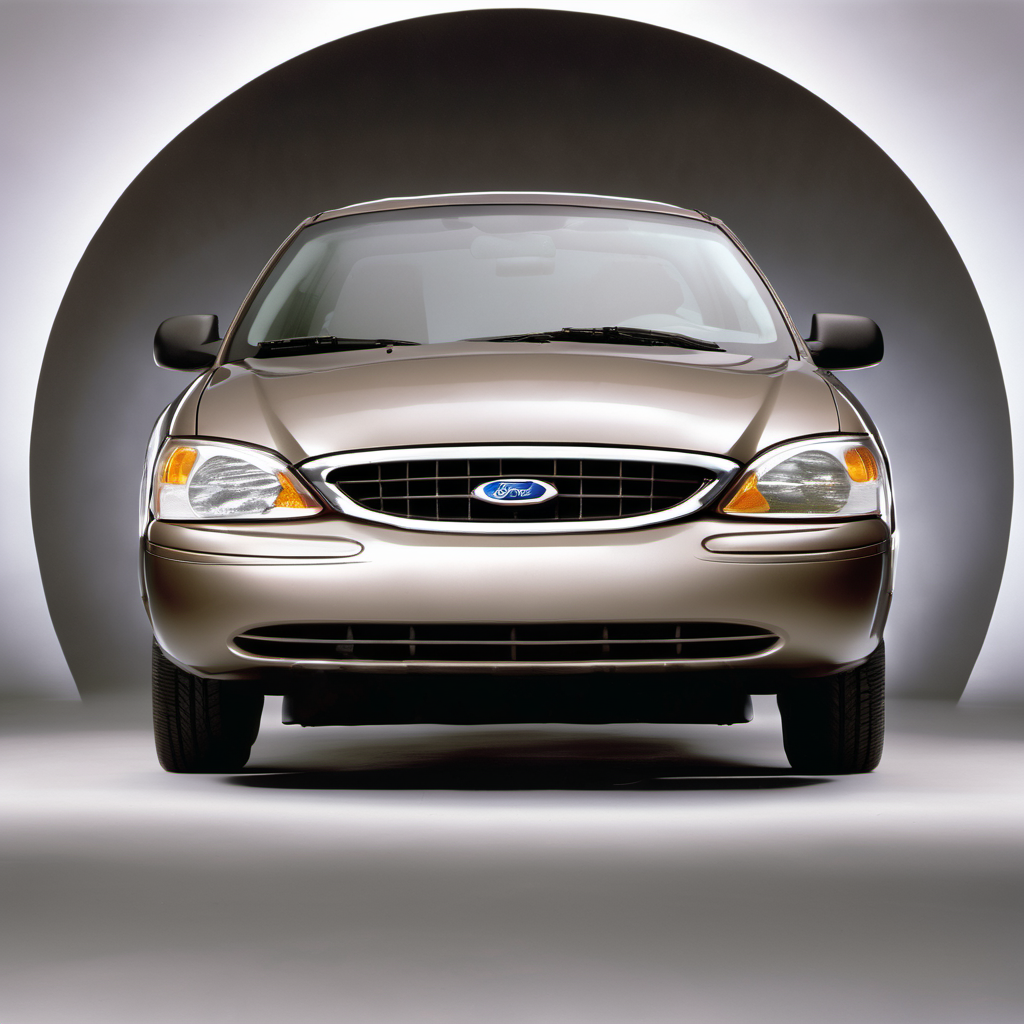
Comparable price point and sedan format, with easier parts sourcing at this age. Not a reliability standout either, but more shops know them inside and out.