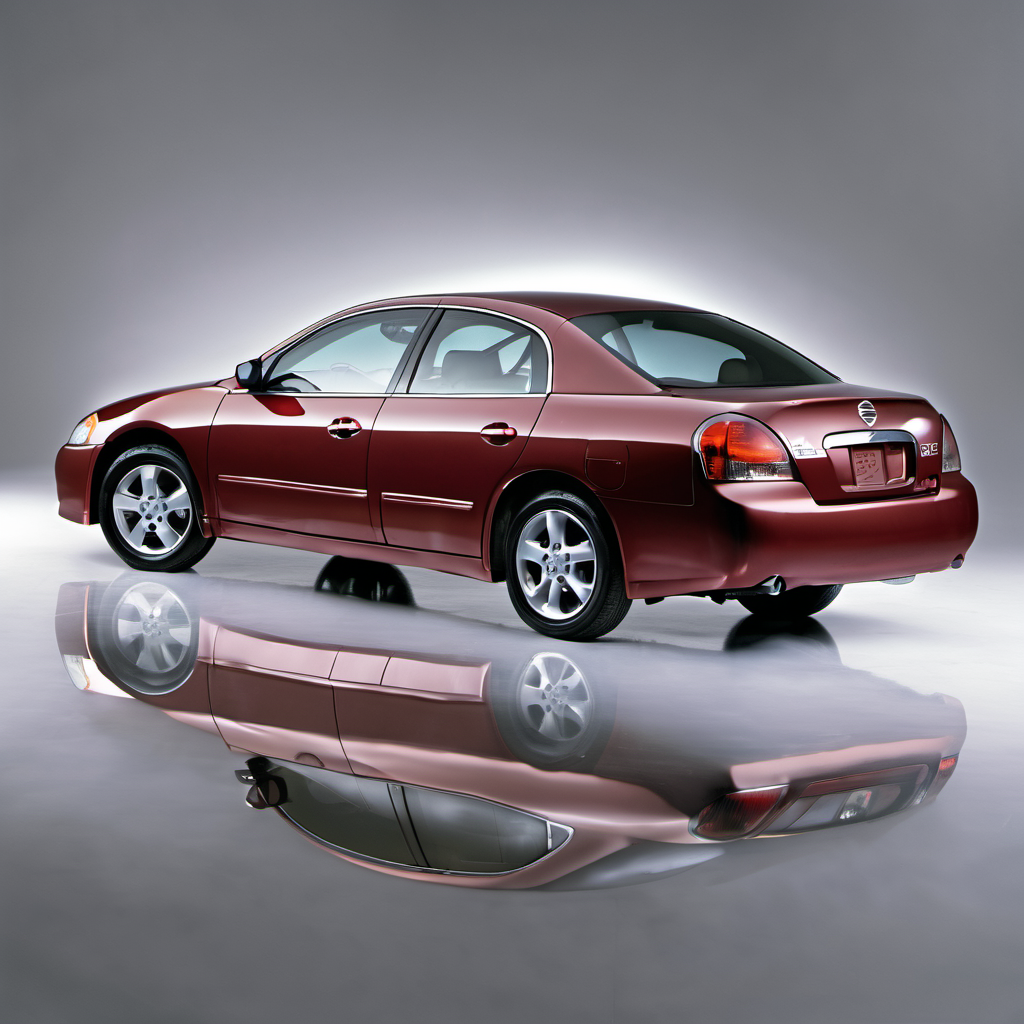
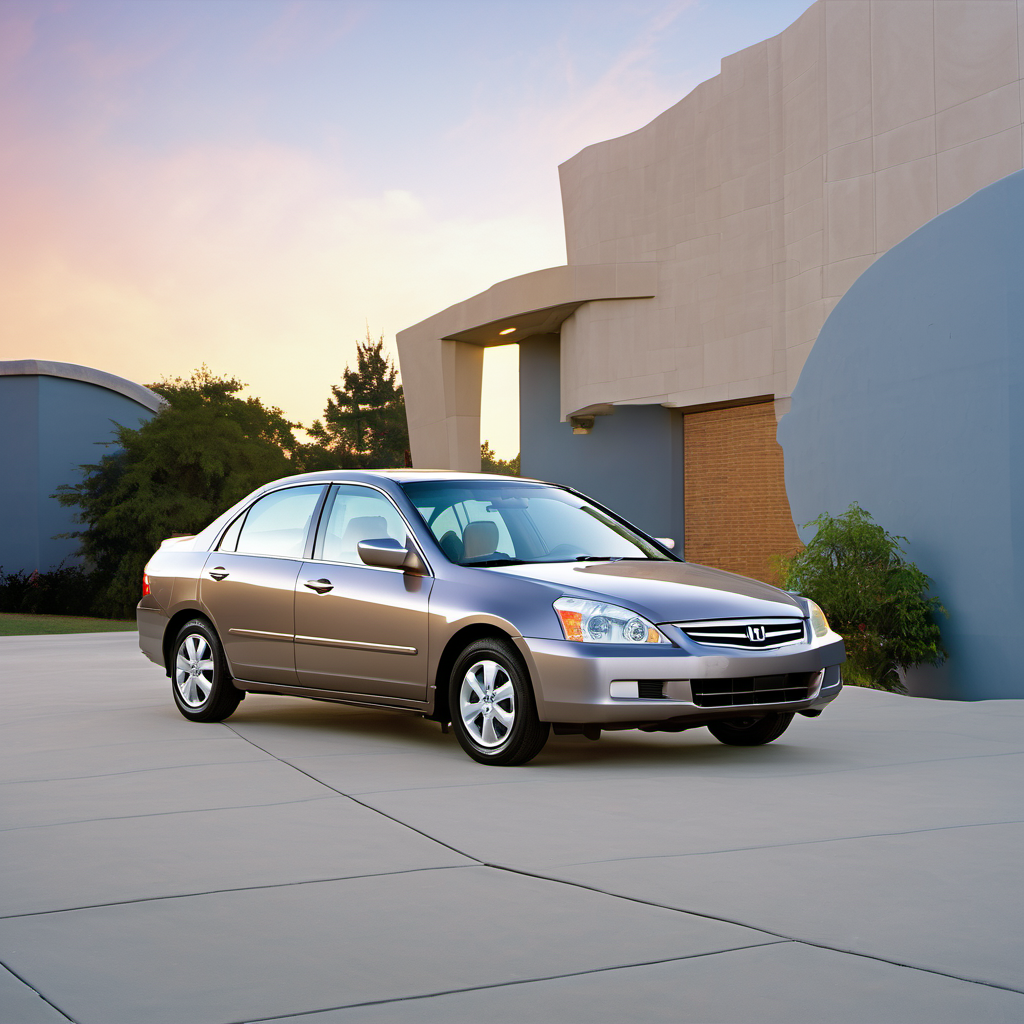
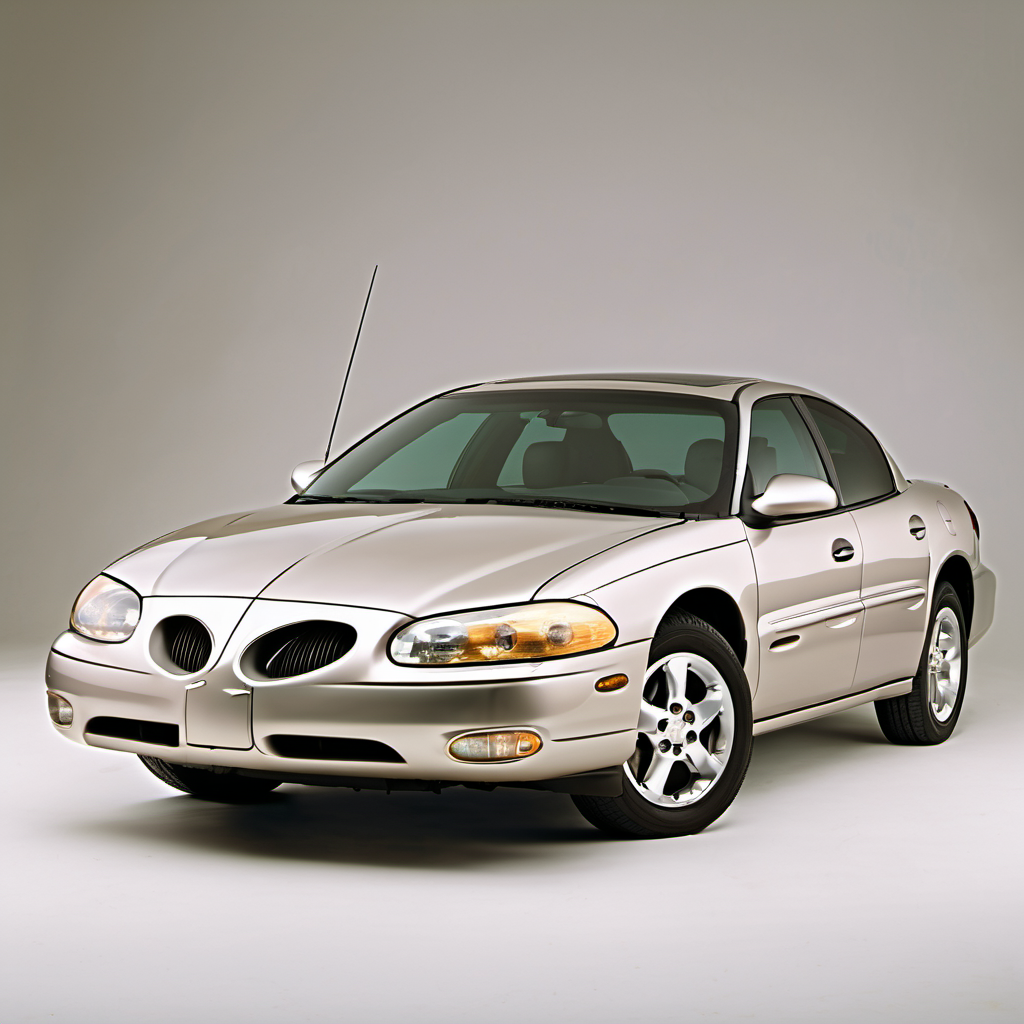
2003 Nissan Maxima Sedan

2003 Nissan

MaximaSedan

Sedan

The 2003 Nissan Maxima is the sixth-generation version of Nissan's flagship front-wheel-drive sport sedan. It carried Nissan's proven 3.5L VQ35DE V6 — an engine that routinely makes Wards 10 Best lists — and was marketed as a '4-Door Sports Car,' a tagline that held some truth given its 255 horsepower and sharp handling for its class. It offered genuine performance alongside a comfortable, well-equipped interior at a price below European rivals. By 2003, the Maxima was nearing the end of the A33 generation (2000–2003), so this is a mature, well-sorted platform. The VQ35DE engine is one of the most celebrated V6s of its era, and with proper maintenance it routinely reaches 200,000+ miles. The weak links are elsewhere: the transmission, cooling system, and the front-wheel-drive suspension under Wisconsin road abuse. As a used buy today, a 2003 Maxima with honest service history is a solid value — but at 20+ years old, deferred maintenance is common. Budget for coolant system work, suspension refresh, and a transmission service before trusting this car for daily driving.

Reliability
3/5
Verified data
Specs shown for Maxima — the most common configuration. Other trims may vary in engine, drivetrain, or fuel economy. Sign in to see your vehicle's exact specs.
Engine
[object Object]
Drivetrain
FWD
Fuel
Gasoline
MPG
17 city / 24 hwy / 20 combined
Seats
Doors
Body
Midsize Cars

Overview

AI-curated

The 2003 Nissan Maxima is the sixth-generation version of Nissan's flagship front-wheel-drive sport sedan. It carried Nissan's proven 3.5L VQ35DE V6 — an engine that routinely makes Wards 10 Best lists — and was marketed as a '4-Door Sports Car,' a tagline that held some truth given its 255 horsepower and sharp handling for its class. It offered genuine performance alongside a comfortable, well-equipped interior at a price below European rivals. By 2003, the Maxima was nearing the end of the A33 generation (2000–2003), so this is a mature, well-sorted platform. The VQ35DE engine is one of the most celebrated V6s of its era, and with proper maintenance it routinely reaches 200,000+ miles. The weak links are elsewhere: the transmission, cooling system, and the front-wheel-drive suspension under Wisconsin road abuse. As a used buy today, a 2003 Maxima with honest service history is a solid value — but at 20+ years old, deferred maintenance is common. Budget for coolant system work, suspension refresh, and a transmission service before trusting this car for daily driving.

Known for
  • VQ35DE V6 — one of the best naturally aspirated V6s of its era
  • Strong acceleration and sporty driving character for a front-wheel-drive sedan
  • Well-equipped interior with available Bose audio and leather
  • Torque steer under hard acceleration — a known FWD V6 trade-off
Best for
  • Drivers wanting V6 performance without luxury-brand maintenance costs
  • Highway commuters who value a smooth, refined ride
  • Budget-conscious buyers who don't mind an older platform
  • DIY-friendly owners comfortable with accessible Japanese mechanicals
Watch for
  • Automatic transmission failure — the weak link on this generation
  • Coolant system neglect leading to overheating and head gasket stress
  • Rust on underbody and brake lines from Wisconsin road salt
  • Deferred timing chain and VVT service on high-mileage examples
  • Power window regulator and door lock actuator failures — very common

Common issues by mileage

6 known

Automatic Transmission Failure

high
Typically appears
80–150k mi
Estimated repair
$1,800 – $3,500

Coolant System Leaks / Thermostat Housing Failure

high
Typically appears
60–130k mi
Estimated repair
$200 – $700

Oxygen / A/F Sensor Heater Circuit Failure

medium
Typically appears
80–160k mi
Estimated repair
$150 – $400

Power Window Regulator and Door Lock Actuator Failure

high
Typically appears
60–120k mi
Estimated repair
$100 – $300

Front Suspension Wear (control arm bushings, inner tie rod ends)

high
Typically appears
80–150k mi
Estimated repair
$300 – $900

Maintenance schedule

  1. 1
    Every 5,000 miles Engine oil change — use full synthetic 5W-30

    The VQ35DE's VVT solenoids are oil-pressure-operated and extremely sensitive to sludge. Clean oil is the single best preventive for VVT codes (P0012, P0022, etc.) and premature timing chain wear.

  2. 2
    Every 30,000 miles Transmission fluid change (automatic)

    Nissan's factory 'lifetime' interval is too optimistic. The RE5F01A transmission runs hot and degrades fluid quickly. Fresh fluid at 30k intervals is the best defense against the most expensive repair on this car.

  3. 3
    Every 2 years or 30,000 miles Coolant flush and refill (use Nissan blue/green long-life coolant or equivalent silicate-free formula)

    Degraded coolant causes thermostat housing corrosion, leaks, and ultimately overheating that stresses the head gaskets on the VQ35DE.

  4. 4
    Every 60,000 miles Spark plug replacement (use OEM-spec platinum or iridium plugs)

    The VQ35DE requires rear-bank plug access through the intake manifold plenum. Doing all six at once saves significant labor cost.

  5. 5
    Every 2 years Brake fluid flush

    Brake fluid absorbs moisture over time. Wisconsin winters and salt spray accelerate corrosion in calipers and ABS components — fresh fluid protects the whole system.

  6. 6
    Every spring Underbody and brake line inspection for salt corrosion

    At 20+ years old in the Midwest, brake line rust and subframe corrosion are safety-critical concerns. Catch them early before a line fails.

  7. 7
    Every 30,000 miles Air filter and PCV valve inspection

    A clogged PCV valve contributes to crankcase pressure buildup and oil sludge — a compounding factor in VVT problems on this engine.

  8. 8
    Every 60,000 miles or 5 years Serpentine belt and tensioner inspection

    Belt rubber hardens and cracks in cold Wisconsin winters. A belt failure strands you; on this engine it also kills power steering and charging.

Always defer to the manufacturer's service manual for warranty-mandated intervals.

Cost of ownership

Annual maintenance
$600 – $1,400
Fuel
At 20 combined MPG and roughly 12,000 miles/year, expect $1,800–$2,200/year in fuel at current Upper Midwest pump prices. Requires 87 octane regular unleaded.
Insurance
Typically $900–$1,400/year for a 2003 Maxima in southern Wisconsin depending on driver profile. The age and modest current market value keep comprehensive costs low.

Day-to-day running costs are reasonable. The engine is efficient for a 255hp V6 and takes regular fuel. The real financial risk is the automatic transmission — if it hasn't been serviced, budget $200–$300 now for a fluid service as insurance against a $2,000+ rebuild later. A clean, maintained example costs roughly $1,000–$1,400/year in normal upkeep; a neglected one can hit $3,000+ in a single year catching up on deferred work.
Seasonal care

Lake Geneva, WI
Winter
  • Switch to full synthetic 5W-30 if not already — it flows immediately at sub-zero temps and protects the VVT system on cold starts, which is when most wear occurs.
  • Test the battery every fall. The VQ35DE's starter draws significant current and cold temps cut battery capacity by up to 30%. A marginal battery that starts fine in October will fail in January.
  • Flush wiper fluid reservoir and top off with -20°F or better rated washer fluid — Lake Geneva winters will freeze standard fluid in the lines overnight.
  • Install dedicated winter tires. The Maxima is FWD with 255 hp — all-season tires on a wet or icy road with this much power make for a stressful drive.
  • Rinse the underbody weekly during heavy salt season. This car is 20+ years old; what salt remains is attacking brake lines and subframe metal directly.
  • Check tire pressure every 2 weeks. Pressures drop roughly 1 PSI per 10°F drop in temperature — underinflated tires reduce handling and economy.
Summer
  • Inspect the coolant level and condition before summer heat. This engine runs warm and a low or degraded coolant situation that's manageable in spring becomes an overheating event in July.
  • Check A/C refrigerant charge and cabin air filter. The Maxima's A/C is capable but a dirty cabin filter starves airflow — common on older cars with forgotten filter histories.
  • Monitor tire pressure as temps rise. Pressures increase roughly 1 PSI per 10°F gain — check monthly and bleed to spec if overinflated.
  • Inspect brake pad thickness before summer road trip season. Glazed or worn pads from winter salt exposure may not be obvious until a hard stop is needed.

Comparable vehicles

If you're shopping for one

Red flags
  • Transmission that slips, shudders, or hesitates between gears — rebuild cost starts at $1,800.
  • Overheating history or a replaced head gasket — can indicate chronic cooling system neglect.
  • Any sign of oil sludge on the dipstick or under the oil cap — compromises VVT operation and accelerates timing chain wear.
  • Rust-through on brake lines, floor pans, or subframe — a safety issue and potentially totals the car economically at current market values.
  • Check engine light with unresolved VVT or O2 sensor codes and no repair documentation — indicates deferred maintenance and possible catalytic converter damage.
What to inspect
  • Pull a live scan for active or pending codes — especially P0012/P0015/P0022/P0025 (VVT timing faults) which signal oil sludge or solenoid wear.
  • Check transmission fluid color and smell. Brown or burnt fluid on a car with no service records is a major red flag on this model.
  • Look for coolant in the overflow tank — it should be green or blue, not brown or rust-colored. A rusty system means the coolant hasn't been changed in years.
  • Inspect all four door windows from outside: sagging glass or slow operation signals regulator failure is coming or already here.
  • Get under the car and look at the brake lines, fuel lines, and subframe at the front control arm mounting points for rust perforation — critical on any 20-year-old Wisconsin car.
  • Test drive under hard acceleration from a stop to feel for torque steer — that's normal. But any slipping, flaring RPMs, or delayed engagement during shifts points to a failing transmission.
AI profile generated 3 days ago · claude-sonnet-4-6 · v2.