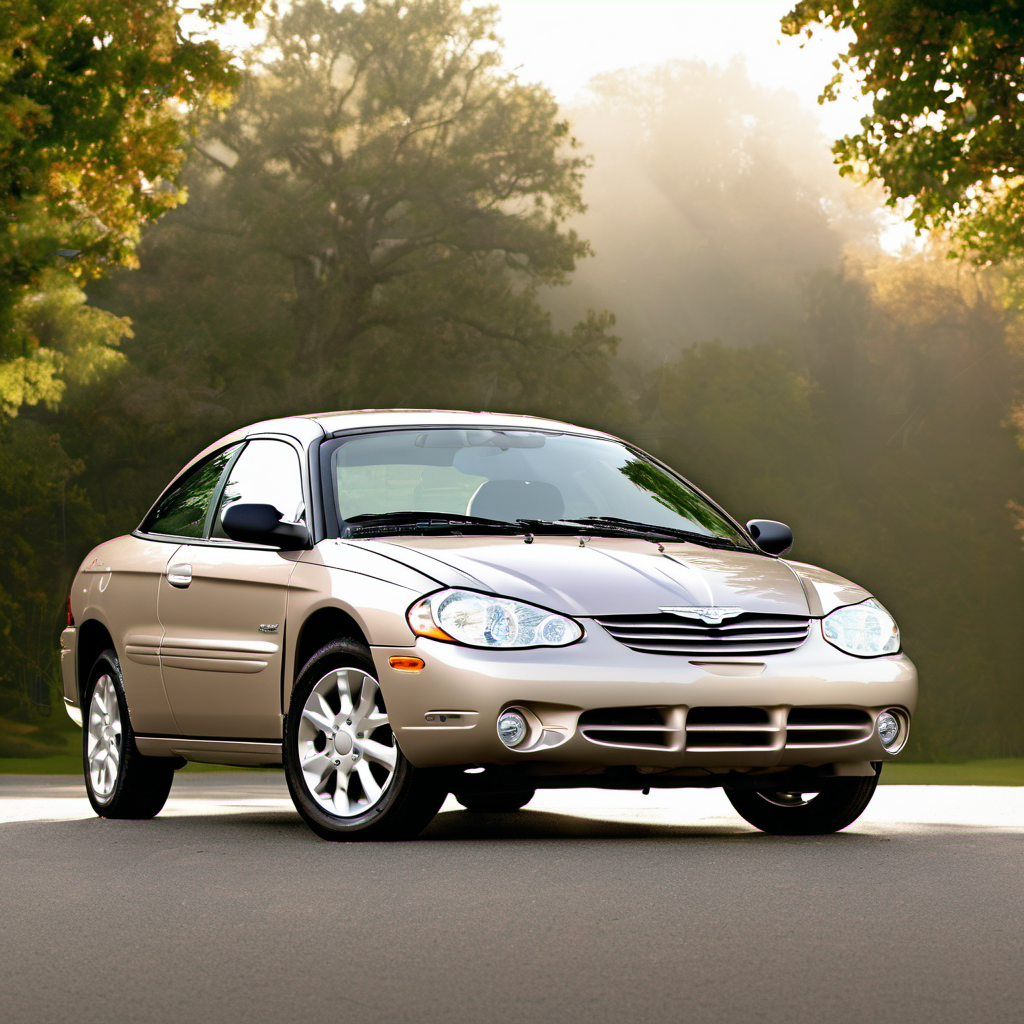
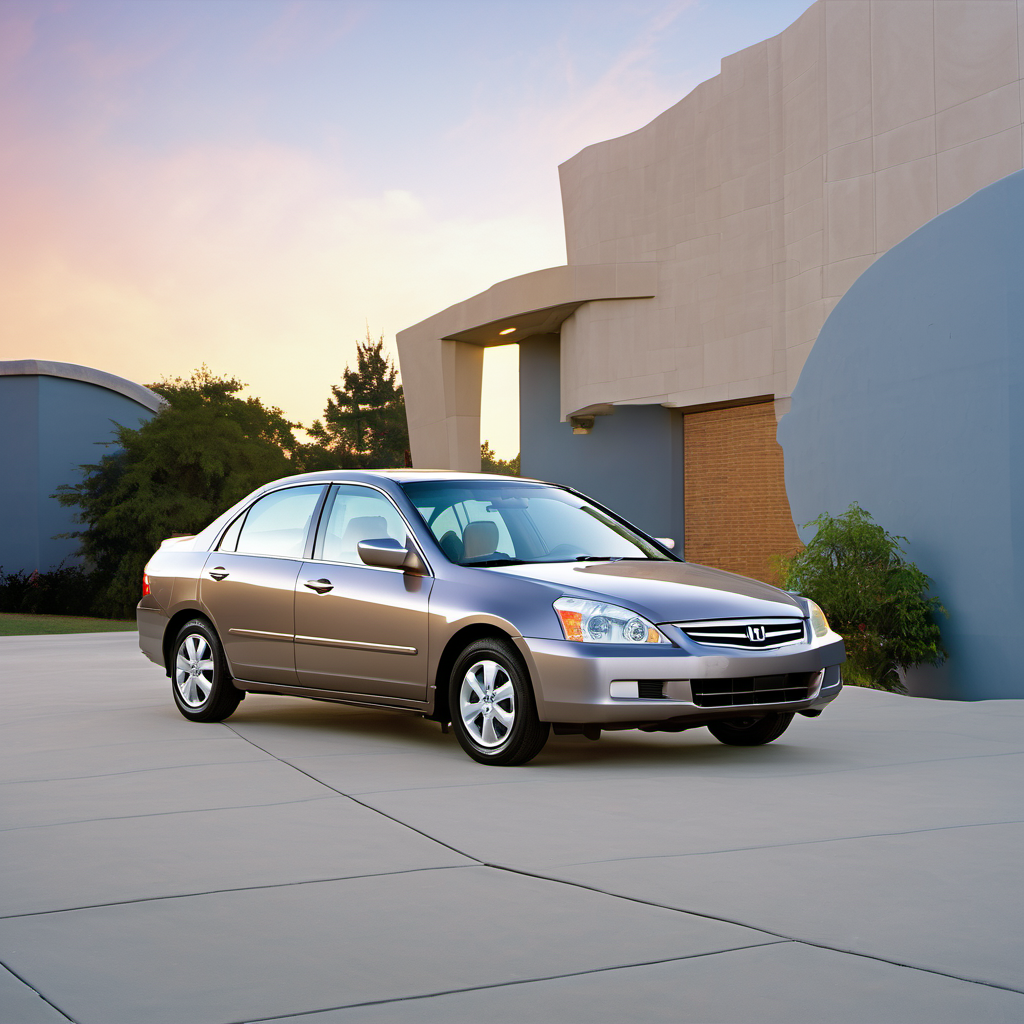
2003 Chrysler Sebring Sedan

2003 Chrysler

SebringSedan

Sedan

The 2003 Chrysler Sebring Sedan is a front-wheel-drive mid-size car from DaimlerChrysler's JR platform generation, sold alongside the Dodge Stratus. It was aimed squarely at everyday family-sedan buyers looking for an affordable, American-branded alternative to the Camry or Accord. The base 2.4L four-cylinder is adequate for daily commuting but not particularly spirited, and fuel economy is middling by modern standards. The Sebring earned a reputation as a budget-friendly option when new, but it carried real weaknesses — particularly around the automatic transmission, cooling system, and interior quality — that become increasingly relevant as these cars age. At this point, any surviving example is well into high-mileage territory and should be evaluated carefully. For a Lake Geneva-area buyer, the bigger concern is corrosion. Wisconsin road salt is brutal on the JR platform's subframe, brake lines, and floor pans. A pre-purchase inspection that includes a lift is non-negotiable on any 2003 Sebring.

Reliability
2/5
Verified data
Specs shown for Sebring — the most common configuration. Other trims may vary in engine, drivetrain, or fuel economy. Sign in to see your vehicle's exact specs.
Engine
[object Object]
Drivetrain
FWD
Fuel
Gasoline
MPG
19 city / 26 hwy / 21 combined
Seats
Doors
Body
Compact Cars

Overview

AI-curated

The 2003 Chrysler Sebring Sedan is a front-wheel-drive mid-size car from DaimlerChrysler's JR platform generation, sold alongside the Dodge Stratus. It was aimed squarely at everyday family-sedan buyers looking for an affordable, American-branded alternative to the Camry or Accord. The base 2.4L four-cylinder is adequate for daily commuting but not particularly spirited, and fuel economy is middling by modern standards. The Sebring earned a reputation as a budget-friendly option when new, but it carried real weaknesses — particularly around the automatic transmission, cooling system, and interior quality — that become increasingly relevant as these cars age. At this point, any surviving example is well into high-mileage territory and should be evaluated carefully. For a Lake Geneva-area buyer, the bigger concern is corrosion. Wisconsin road salt is brutal on the JR platform's subframe, brake lines, and floor pans. A pre-purchase inspection that includes a lift is non-negotiable on any 2003 Sebring.

Known for
  • Affordable entry price when new
  • Spacious trunk for the class
  • Available V6 for better highway performance
  • Weak long-term reliability compared to Japanese rivals
Best for
  • Budget-conscious buyers who need basic transportation
  • Low-mileage examples as a short-term daily driver
  • Buyers comfortable doing their own basic maintenance
Watch for
  • Automatic transmission failures — a known weak point on the 41TE
  • Head gasket issues on the 2.4L SOHC
  • Severe rust on subframe, brake lines, and floor in Midwest climates
  • Sludge buildup in the 2.7L V6 (if equipped) due to missed oil changes
  • Electrical gremlins as connectors and wiring age

Common issues by mileage

6 known

41TE Automatic Transmission Failure

high
Typically appears
80–130k mi
Estimated repair
$1,800 – $3,500

Head Gasket Failure / Coolant Loss (2.4L)

medium
Typically appears
90–150k mi
Estimated repair
$900 – $1,600

Oxygen Sensor Heater Circuit Failure

medium
Typically appears
70–120k mi
Estimated repair
$150 – $350

Camshaft Position / Timing Over-Retarded

low
Typically appears
80–140k mi
Estimated repair
$200 – $700

Subframe and Brake Line Corrosion

high
Typically appears
All mileage — age-dependent in Midwest
Estimated repair
$400 – $2,500

Maintenance schedule

  1. 1
    Every 4,000–5,000 mi with conventional oil; 6,000 mi with full synthetic Engine oil and filter change

    The 2.4L SOHC is sensitive to dirty oil. Sludge buildup accelerates wear on cam followers and valve train components. Do not stretch intervals on a high-mileage example.

  2. 2
    Every 30,000 mi Transmission fluid service (41TE)

    This transmission runs hot and the fluid degrades quickly. Neglecting fluid changes is the single biggest accelerant of 41TE failure. Use only ATF+4 fluid.

  3. 3
    Every 50,000 mi or every 5 years Coolant flush

    Old coolant becomes acidic and attacks the water pump and head gasket sealing surfaces. Use only HOAT-compatible coolant per Chrysler spec.

  4. 4
    Every 100,000 mi (inspect at 90k) Timing belt inspection and replacement

    The 2.4L SOHC is an interference engine. Belt failure means bent valves and a very expensive repair. Replace on schedule — do not wait for symptoms.

  5. 5
    Every 60,000 mi Serpentine belt and tensioner inspection

    Tensioners wear and cause belt slip or squeal. Replacing the tensioner with the belt saves a repeat labor charge.

  6. 6
    Annually — every fall before salt season Brake line inspection (undercarriage)

    Wisconsin road salt accelerates brake line corrosion rapidly on this platform. A leaking brake line is a safety emergency. Catch it before it fails.

  7. 7
    Every fall Battery load test

    Cold-cranking demands in a Wisconsin winter expose a weak battery. A battery that passes in summer can fail at -10°F. Test before the first hard freeze.

  8. 8
    Every 30,000 mi with standard plugs Spark plug replacement

    The 2.4L runs best with fresh plugs. Misfires on a worn-out set can cause rough idle and minor transmission shudder due to torque inconsistency.

Always defer to the manufacturer's service manual for warranty-mandated intervals.

Cost of ownership

Annual maintenance
$700 – $1,800
Fuel
At current Midwest prices and ~12,000 mi/yr, expect roughly $1,700–$2,000/yr in regular unleaded based on 21 MPG combined.
Insurance
Typically low — older vehicle with low market value qualifies for minimal comprehensive/collision coverage. Liability-only is common on examples worth under $3,000.

On paper this is cheap transportation, but the 41TE transmission and aging cooling system mean a single repair event can exceed the car's market value. Budget for a transmission service, brake line inspection, and timing belt if those haven't been done recently. Annual maintenance costs vary widely depending on deferred work inherited from the previous owner.
Seasonal care

Lake Geneva, WI
Winter
  • Load-test the battery every fall — cold starts at sub-zero temps will kill a marginal battery fast.
  • Inspect brake lines and fuel lines on a lift before winter. Salt corrosion on this platform causes lines to fail from the outside in.
  • Switch to a full synthetic 5W-30 if still running conventional oil — cold-weather flow matters for the 2.4L's valve train on startup.
  • Fill the washer fluid reservoir with a rated -20°F or colder formula — Lake Geneva winters regularly hit those temps.
  • Check door seals and weather stripping. Worn seals let moisture in, which freezes door latches and soaks carpet, accelerating floor pan rust.
  • Keep the fuel tank at least half full to reduce moisture condensation in the tank and help with cold starts.
Summer
  • Watch the temperature gauge closely — the 2.4L's cooling system is a known weak point and heat soak in traffic can push a marginal thermostat or water pump over the edge.
  • Check tire pressure monthly — pressure drops roughly 1 PSI for every 10°F of temperature swing, and Midwest summer heat inflates tires from cooler spring settings.
  • Inspect the A/C system at the start of the season — the condenser and refrigerant lines age and develop leaks on vehicles this old.
  • Check the serpentine belt for cracking — summer heat accelerates rubber degradation on a belt that may already have high mileage.

Comparable vehicles

If you're shopping for one

Red flags
  • No transmission service records on a car over 80k miles — walk away or negotiate a significant discount.
  • Any rust through on the floor pan or subframe mounting points — structural safety concern, repair cost often exceeds vehicle value.
  • Rough idle, white exhaust smoke, or coolant smell from the engine bay — likely head gasket failure in progress.
  • Check engine light on with camshaft timing codes (P0012, P0015) — could indicate oil sludge, stretched timing chain, or solenoid failure.
  • Communication faults (U0100–U0104) present — can indicate failing modules or wiring harness issues that are expensive and difficult to diagnose.
  • Mismatched or heavily worn tires — suggests deferred maintenance mindset from the previous owner.
What to inspect
  • Put it on a lift and inspect every inch of the subframe, brake lines, and floor pan for rust perforation — this is the #1 concern on a Midwest Sebring.
  • Check transmission behavior: smooth upshifts at all speeds, no shudder at highway cruise, no delayed engagement from Park to Drive. Slippage or hard shifts = 41TE trouble.
  • Pull the oil cap and look for milky residue — a sign of coolant intrusion from head gasket failure.
  • Ask for the timing belt service record. If it's not documented and the car is over 90k miles, budget for immediate replacement.
  • Check the coolant reservoir for discoloration, oil streaks, or a low level. Pressure-test the cooling system.
  • Scan for stored and pending DTCs before buying — module communication codes (U0100–U0104) or camshaft timing codes can point to expensive problems.
AI profile generated 3 days ago · claude-sonnet-4-6 · v2.