Engine Oil Sludge (1.8T)
high- Typically appears
- 60–150k mi
- Estimated repair
- $1,500 – $6,000
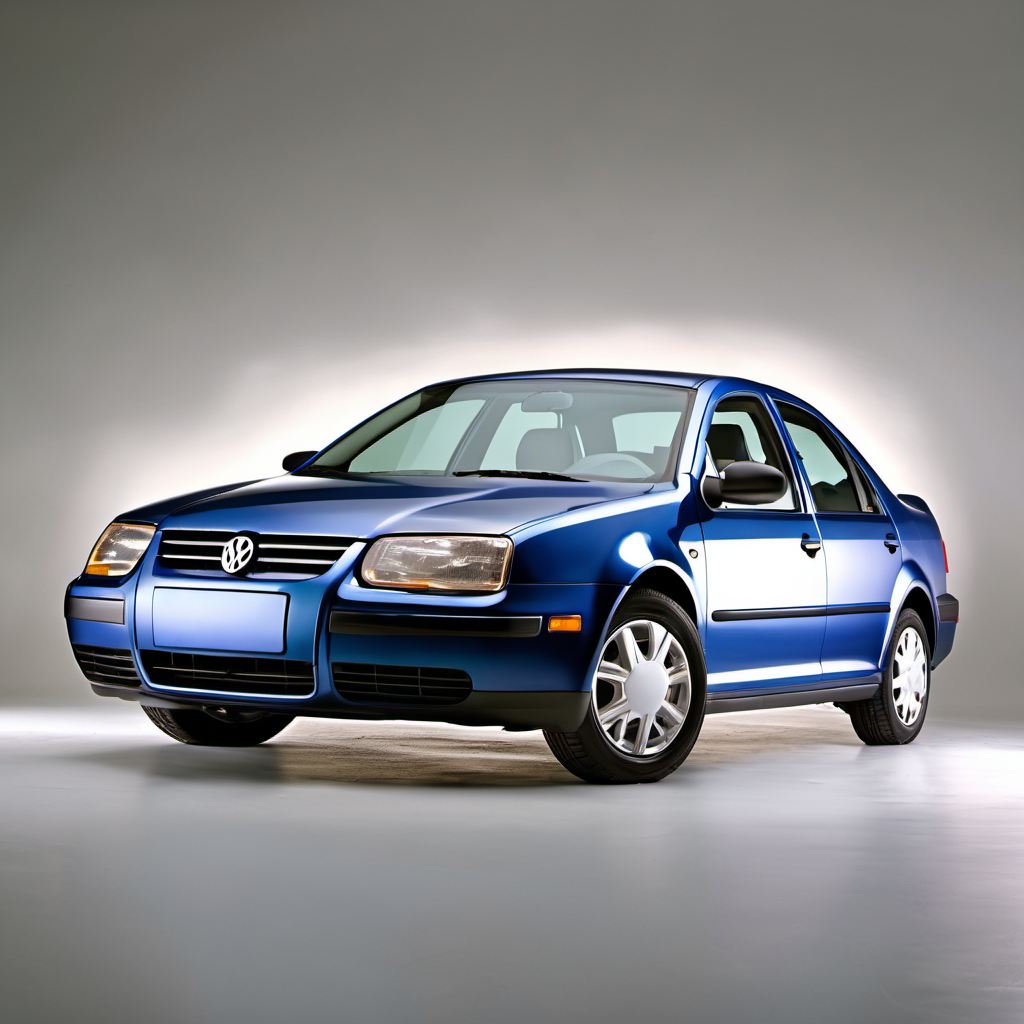
2001 Volkswagen
Sedan
The 2001 Volkswagen Jetta (4th generation, or Mk4) was one of VW's best-selling sedans in North America, offering a more refined, upscale feel than most compact rivals of the era. The 1.8T engine — a turbocharged 1.8L inline-four — was the sweet spot of the lineup, delivering spirited performance alongside reasonable fuel economy. VW marketed it heavily on fit, finish, and European driving character, and it delivered on those fronts. Under the hood, the 1.8T is capable and tuneable, but it demands attentive maintenance. Oil sludge is a well-documented killer of these engines when owners stretch oil change intervals or skip them. The car's German engineering also means repairs cost more than a comparable Honda or Toyota, and finding a technician who knows VAG electronics is important. At 20+ years old, most surviving examples have a history worth scrutinizing carefully. For the right buyer — someone who enjoys driving, keeps up with maintenance, and has access to a VW-savvy independent shop — a solid 2001 Jetta 1.8T can still be a satisfying daily driver. For someone wanting basic, low-cost transportation, look elsewhere.
The 2001 Volkswagen Jetta (4th generation, or Mk4) was one of VW's best-selling sedans in North America, offering a more refined, upscale feel than most compact rivals of the era. The 1.8T engine — a turbocharged 1.8L inline-four — was the sweet spot of the lineup, delivering spirited performance alongside reasonable fuel economy. VW marketed it heavily on fit, finish, and European driving character, and it delivered on those fronts. Under the hood, the 1.8T is capable and tuneable, but it demands attentive maintenance. Oil sludge is a well-documented killer of these engines when owners stretch oil change intervals or skip them. The car's German engineering also means repairs cost more than a comparable Honda or Toyota, and finding a technician who knows VAG electronics is important. At 20+ years old, most surviving examples have a history worth scrutinizing carefully. For the right buyer — someone who enjoys driving, keeps up with maintenance, and has access to a VW-savvy independent shop — a solid 2001 Jetta 1.8T can still be a satisfying daily driver. For someone wanting basic, low-cost transportation, look elsewhere.
The 1.8T's sludge problem is directly tied to oil quality and interval. Do not stretch this. Use only VW 502.00-spec oil (typically 5W-40 full synthetic). This is the single most important maintenance item on this car.
The 1.8T is sensitive to worn plugs. Degraded plugs stress the coil packs, accelerating coil failure. Use OEM-spec plugs at the correct gap.
Coils fail in batches on the 1.8T. Replacing all four when one goes saves you repeat labor charges within months.
The 1.8T is an interference engine — a snapped timing belt destroys the engine. At this vehicle's age, if interval history is unknown, replace it now regardless of mileage.
OAT coolant degrades and becomes corrosive. Aged plastic flanges and the thermostat housing crack under pressure. Inspect all plastic coolant components at each flush.
VW specifies this interval because DOT 4 brake fluid is hygroscopic. Moisture-laden fluid lowers boiling point and corrodes ABS components — important in a Wisconsin winter-use car.
Mk4 hinges wear and cause door misalignment. Clogged sunroof drains dump water into the cabin, soaking carpets and causing electrical issues.
Wisconsin road salt aggressively attacks these cars. Subframe rust is structurally serious. Catch surface rust early and treat it; do not skip this inspection.
Always defer to the manufacturer's service manual for warranty-mandated intervals.
Day-to-day costs are manageable if the car is healthy, but the 1.8T has several failure-prone systems that can stack up quickly. Coils, window regulators, coolant fittings, and turbo components are frequent surprises. Budget on the higher end if you're buying an example without solid service history. Labor rates at VW-experienced independent shops run $90–$120/hr in the Lake Geneva area — significantly cheaper than the dealer but still more than a comparable domestic or Japanese compact.
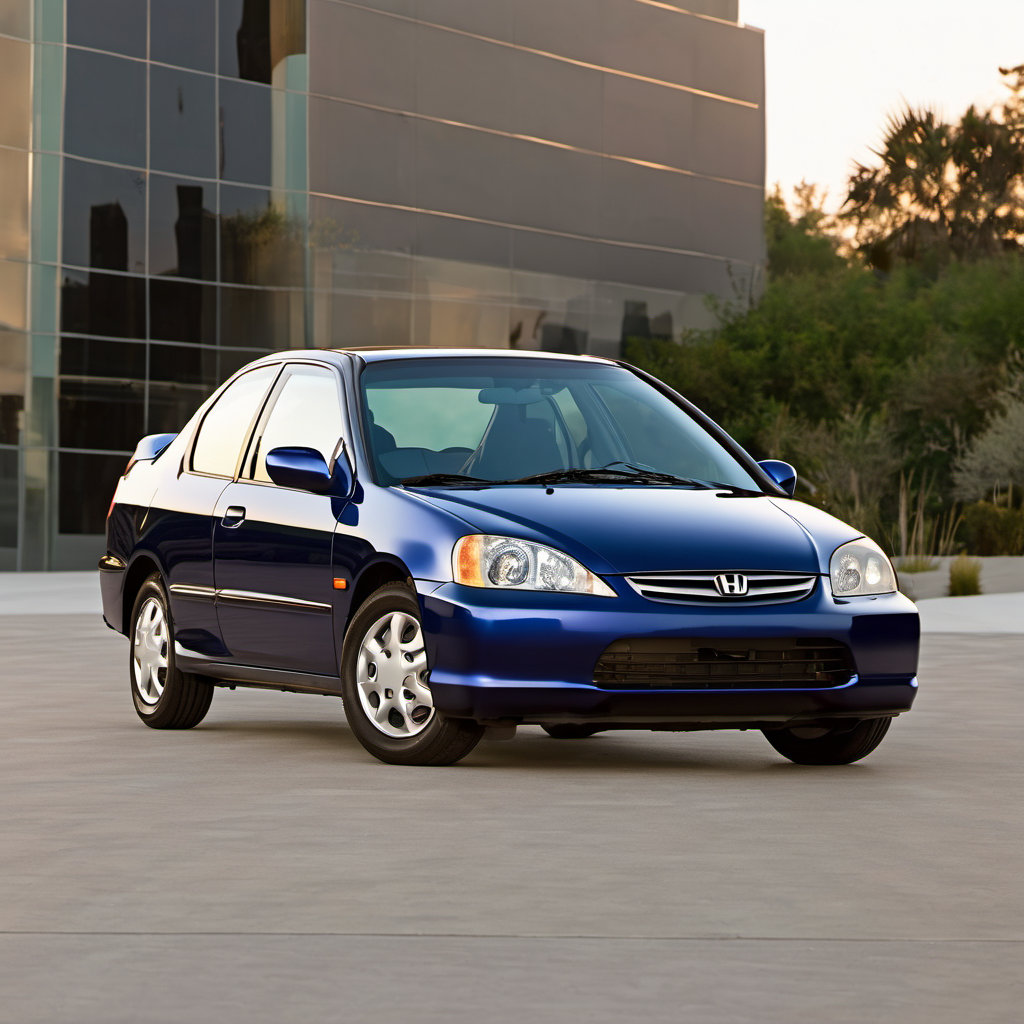
Same compact sedan segment and price range, but significantly more reliable and cheaper to maintain. Less engaging to drive than the 1.8T Jetta but far lower long-term cost of ownership.
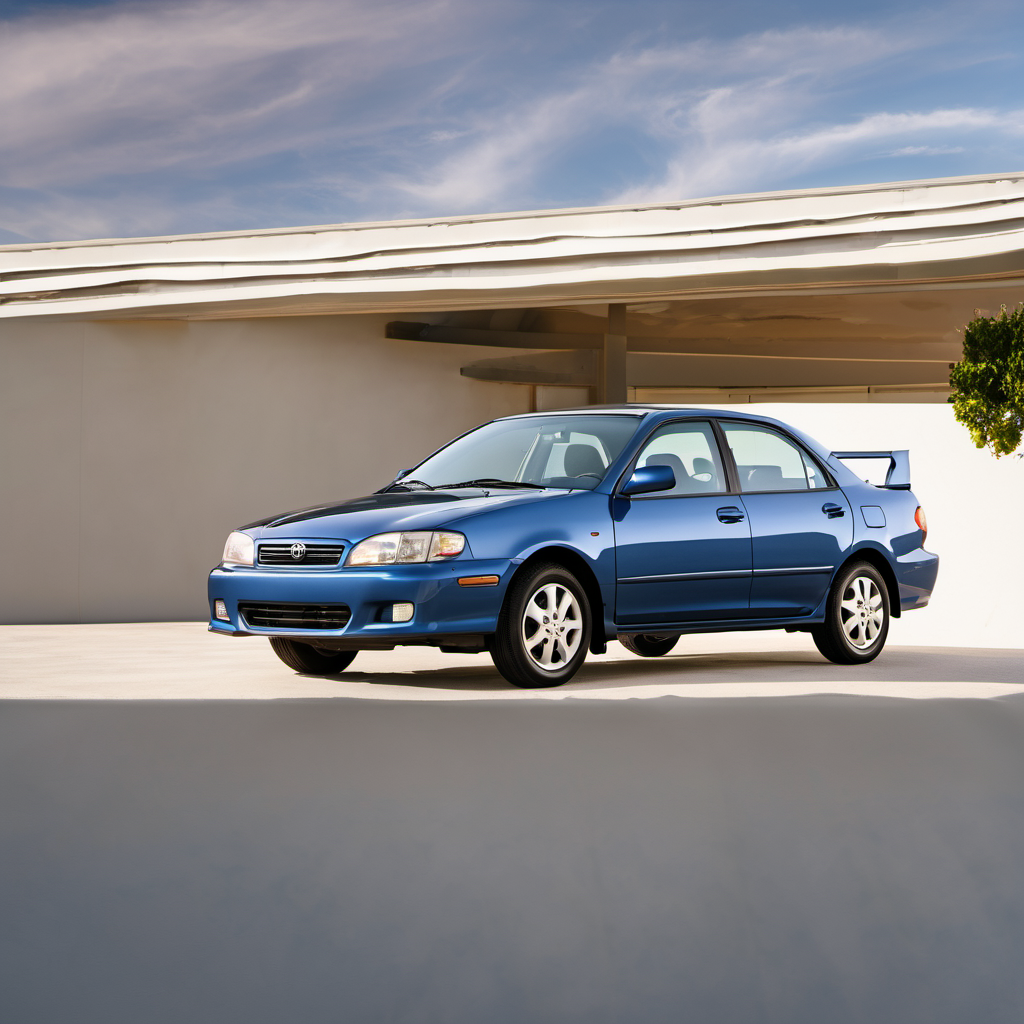
The go-to alternative for buyers who want simple, dependable transportation in the compact class. Less fun to drive, but nearly bulletproof and cheap to fix.
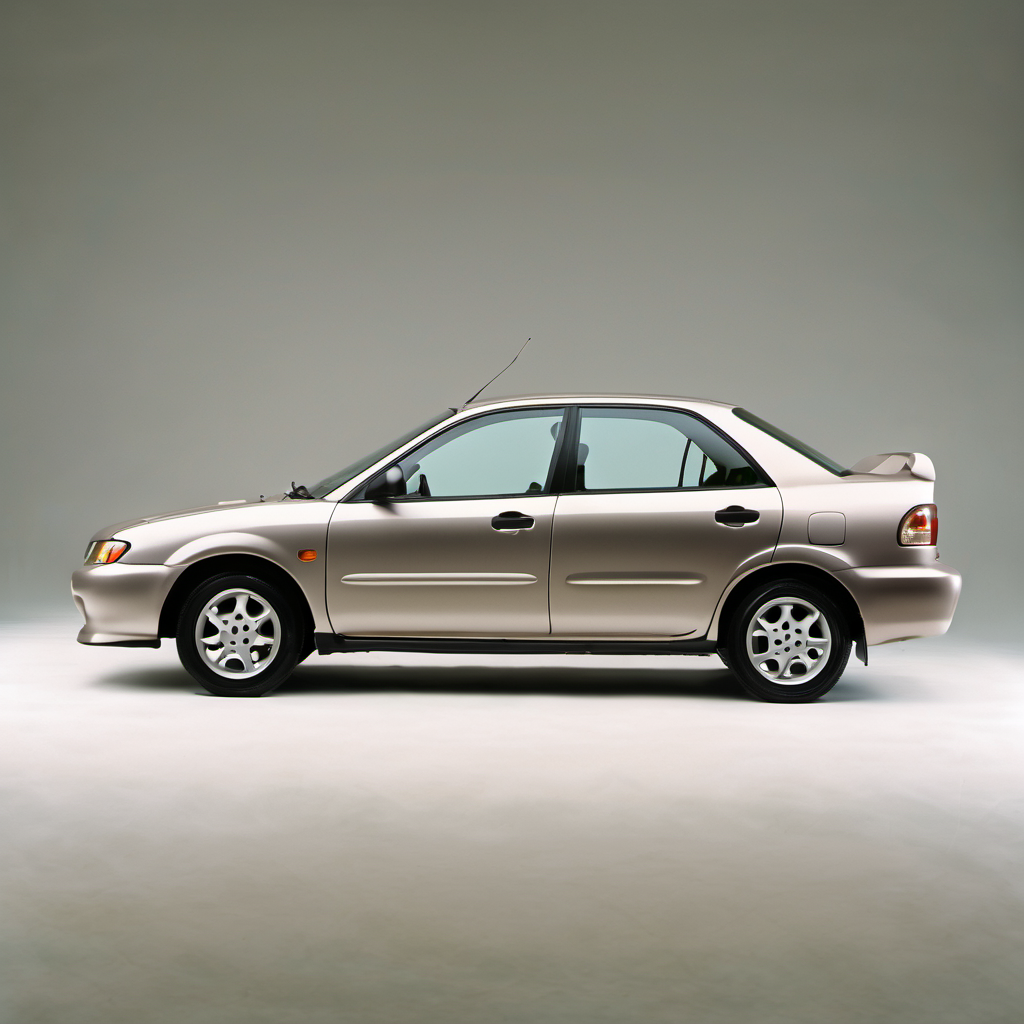
A frequently overlooked compact that matches the Jetta's sporty character with much lower repair costs and better reliability. Good driving dynamics for the money.
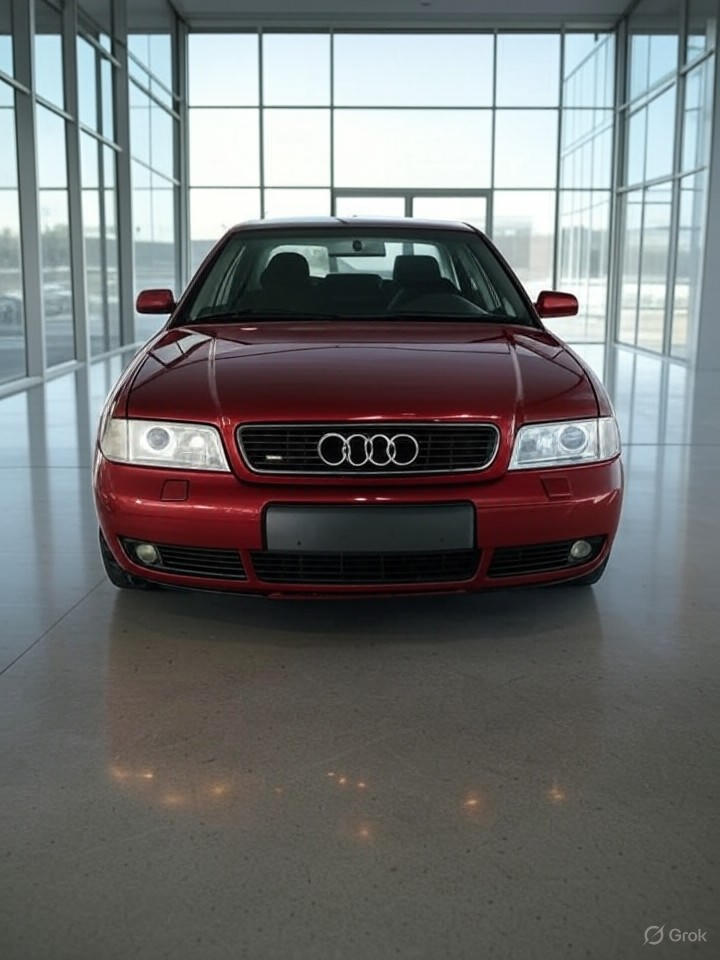
Shares the 1.8T engine and VAG platform with the Jetta but positions upmarket. Comparable ownership headaches — worth comparing if budget allows — but parts and labor cost more.