Intake Manifold Gasket / Coolant Leak (3.5L V6)
high- Typically appears
- 80–150k mi
- Estimated repair
- $400 – $900
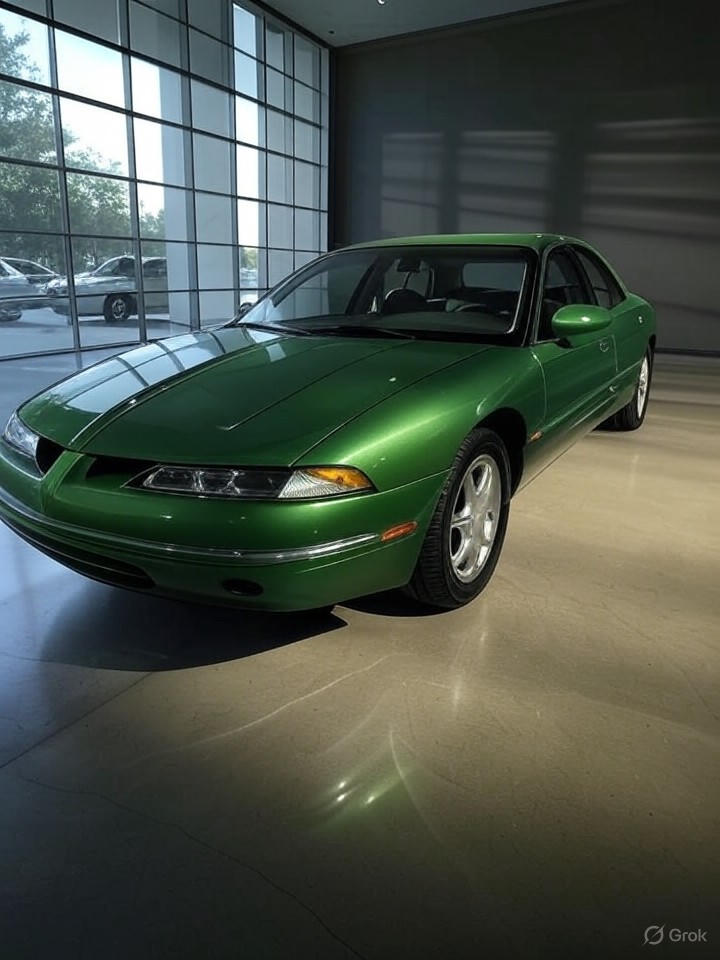
2001 Oldsmobile
Sedan
The 2001 Oldsmobile Aurora is the second-generation version of GM's flagship front-wheel-drive luxury sedan, sold in its final model year before Oldsmobile was discontinued in 2004. It rode on GM's G-platform alongside the Buick LeSabre and Park Avenue, but wore a sportier, more distinctive skin with a performance-tuned suspension and a standard 3.5L V6. The Aurora was GM's attempt to build a genuine domestic competitor to entry-level European and Japanese luxury sedans — quieter and more refined than its Buick platform-mates, yet still distinctly American in its ride character. For 2001, the Aurora came exclusively with the 3.5L V6 (the 4.0L V8 was dropped after 2000), a 4-speed automatic, and FWD. It offered a well-appointed interior with standard features that were genuinely premium for the era — dual-zone climate, memory seats, and a driver information center. It was never a big seller, and GM underinvested in parts support before the brand was killed, which creates real challenges for owners today. Buying or owning a 2001 Aurora in 2024 is a niche proposition. Parts availability has thinned considerably, and finding a shop familiar with its GM electronic architecture matters. That said, well-kept examples with documented service history can still be pleasant, affordable luxury transportation for someone willing to stay ahead of age-related maintenance.
The 2001 Oldsmobile Aurora is the second-generation version of GM's flagship front-wheel-drive luxury sedan, sold in its final model year before Oldsmobile was discontinued in 2004. It rode on GM's G-platform alongside the Buick LeSabre and Park Avenue, but wore a sportier, more distinctive skin with a performance-tuned suspension and a standard 3.5L V6. The Aurora was GM's attempt to build a genuine domestic competitor to entry-level European and Japanese luxury sedans — quieter and more refined than its Buick platform-mates, yet still distinctly American in its ride character. For 2001, the Aurora came exclusively with the 3.5L V6 (the 4.0L V8 was dropped after 2000), a 4-speed automatic, and FWD. It offered a well-appointed interior with standard features that were genuinely premium for the era — dual-zone climate, memory seats, and a driver information center. It was never a big seller, and GM underinvested in parts support before the brand was killed, which creates real challenges for owners today. Buying or owning a 2001 Aurora in 2024 is a niche proposition. Parts availability has thinned considerably, and finding a shop familiar with its GM electronic architecture matters. That said, well-kept examples with documented service history can still be pleasant, affordable luxury transportation for someone willing to stay ahead of age-related maintenance.
The 3.5L V6 is prone to intake manifold gasket seepage. Fresh coolant at the correct mixture prevents corrosion that accelerates leaks. Check for sweet smell, white residue near the manifold, or unexplained coolant loss at every oil change.
The VVT system (if cam actuators are present) relies on clean oil at the correct viscosity for proper solenoid function. Dirty or wrong-viscosity oil is a leading cause of cam timing codes on GM V6s of this era.
The 4T65-E is a capable transmission but fails early when fluid is neglected past 100k mi. Use Dexron VI. Inspect the cooler lines for rust and weeping at this service.
Wisconsin salt is hard on steel brake lines. Rust-through on these cars is a genuine safety risk. Look for bubbling, pitting, or wet spots along the full line run under the car.
Cold cranking demand is high on a 3.5L in sub-zero temps, and the Passlock system is sensitive to low voltage — a weak battery can trigger a security no-start on top of leaving you stranded.
Worn plugs cause misfires that stress the catalytic converters and can set O2 sensor codes. Access to rear bank plugs on a FWD V6 is tight — budget extra labor time.
Belt failure leaves you with no power steering, charging, or A/C. Tensioner wear is common at this mileage on GM G-platform cars. Replace both together.
Lake Geneva winters bring ice, sleet, and packed snow. Conventional blades ice up and streak. Beam-style blades maintain full contact in winter conditions.
Always defer to the manufacturer's service manual for warranty-mandated intervals.
The Aurora's low purchase price is its main financial appeal, but maintenance costs can surprise owners. Age-related repairs — brake lines, cooling system, electronics — hit all at once on neglected examples. Budget on the higher end if buying without a full service history. Parts sourcing adds cost and time compared to a current-production vehicle.
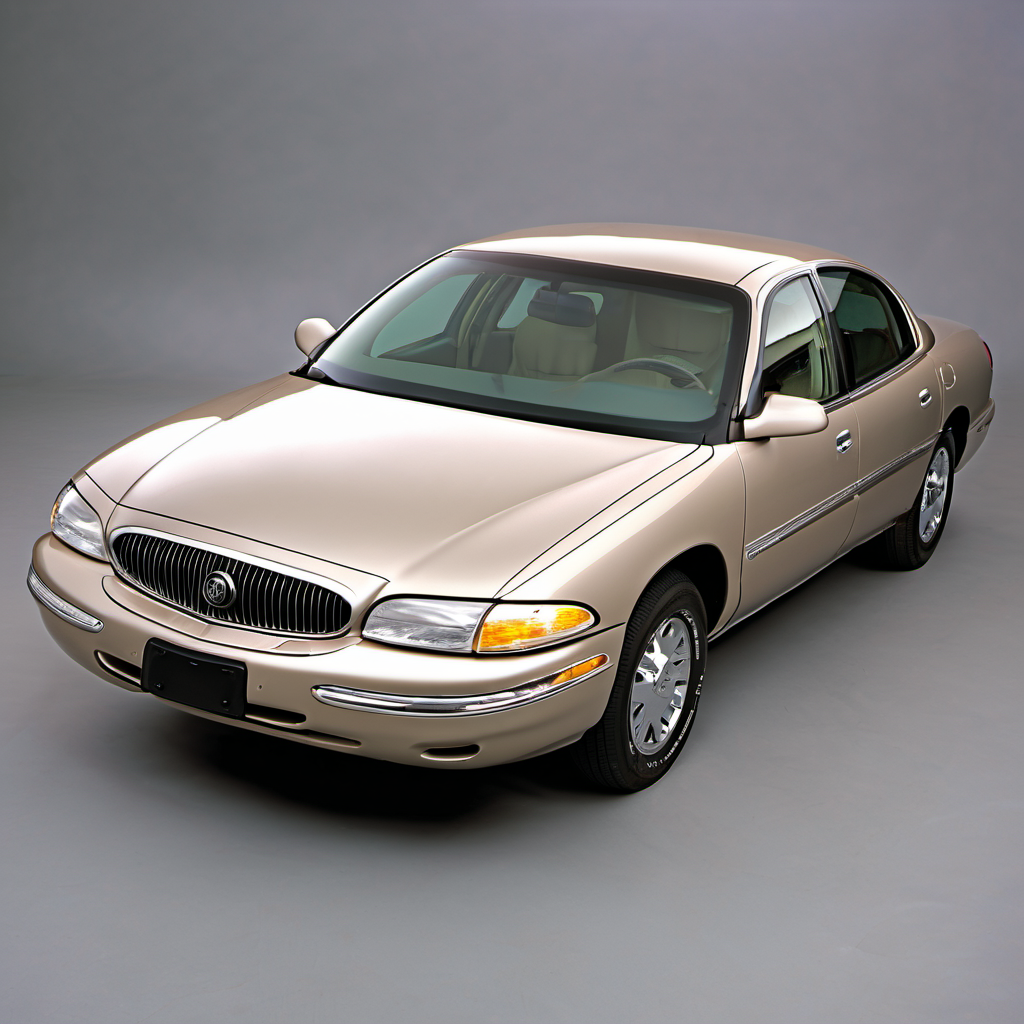
Shares the G-platform and 3.8L V6, with far better parts availability and a longer production run. Less stylish but more practical to own long-term.
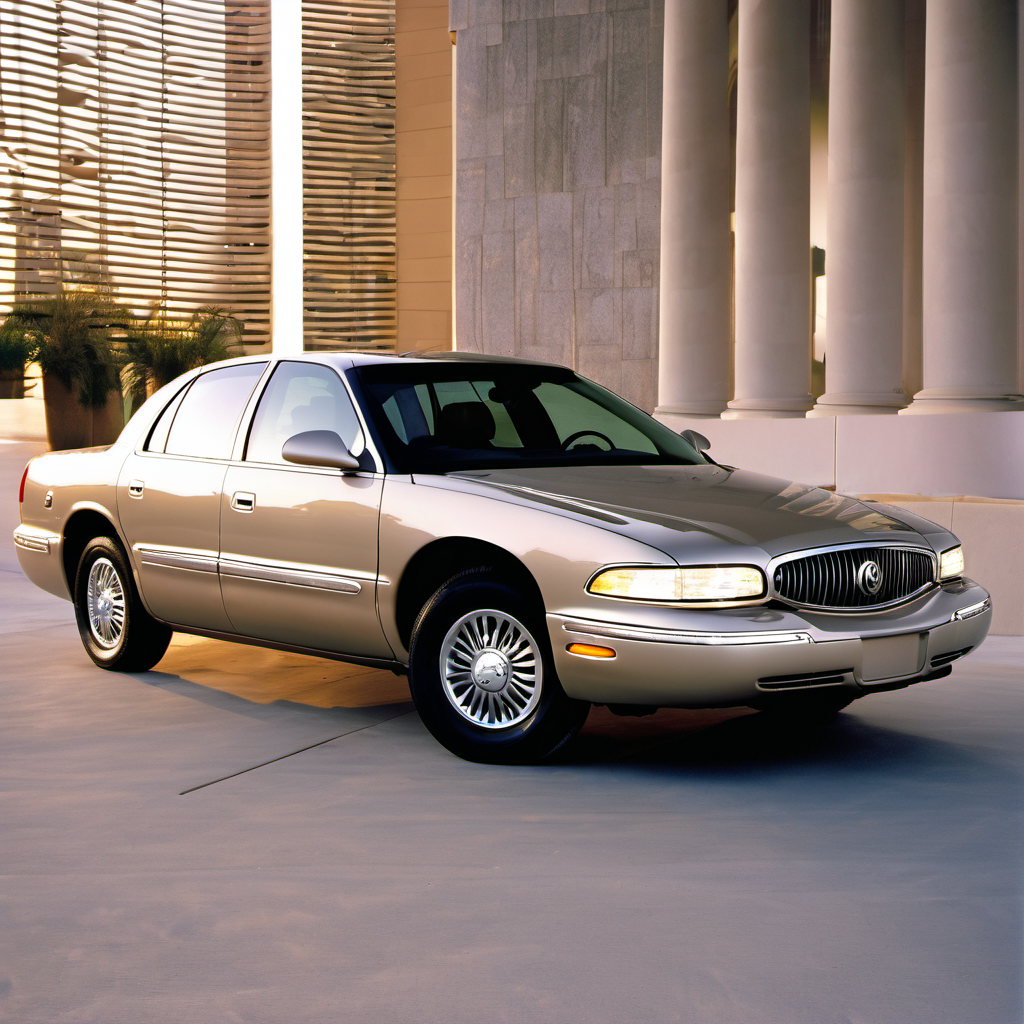
Same platform, similar luxury content, available with the supercharged 3.8L. Broader owner community and easier parts sourcing than the Aurora.
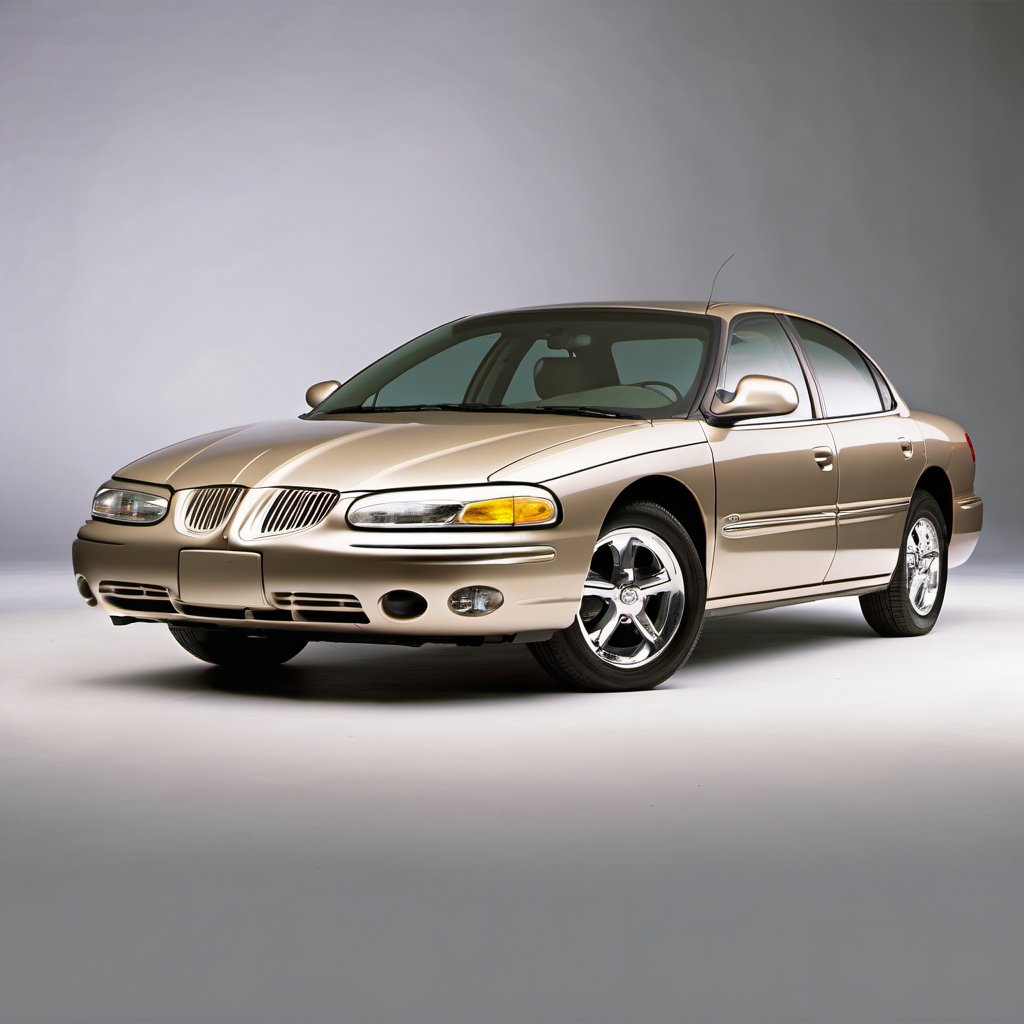
Also G-platform, offers a sportier feel with the SLE/SSEi trims. Shares many drivetrain and suspension components with the Aurora.
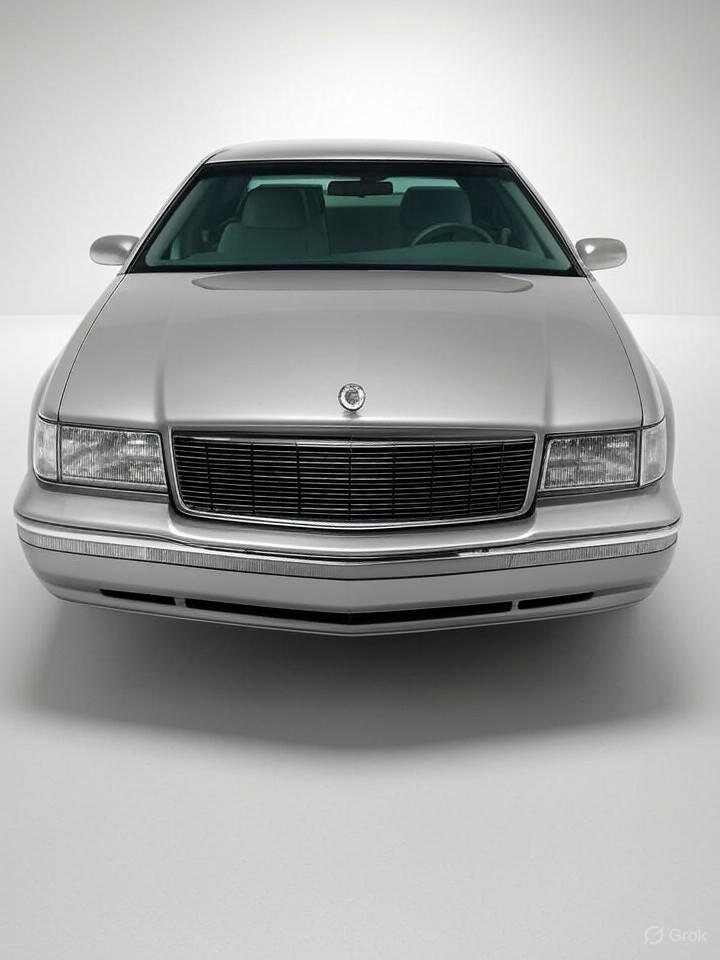
Step-up in luxury from the Aurora, also FWD, with the Northstar V8 — though the Northstar has its own well-documented head bolt issues. Better brand support than Oldsmobile.