Front Control Arm Bushing & Ball Joint Wear
high- Typically appears
- 80–130k mi
- Estimated repair
- $400 – $900
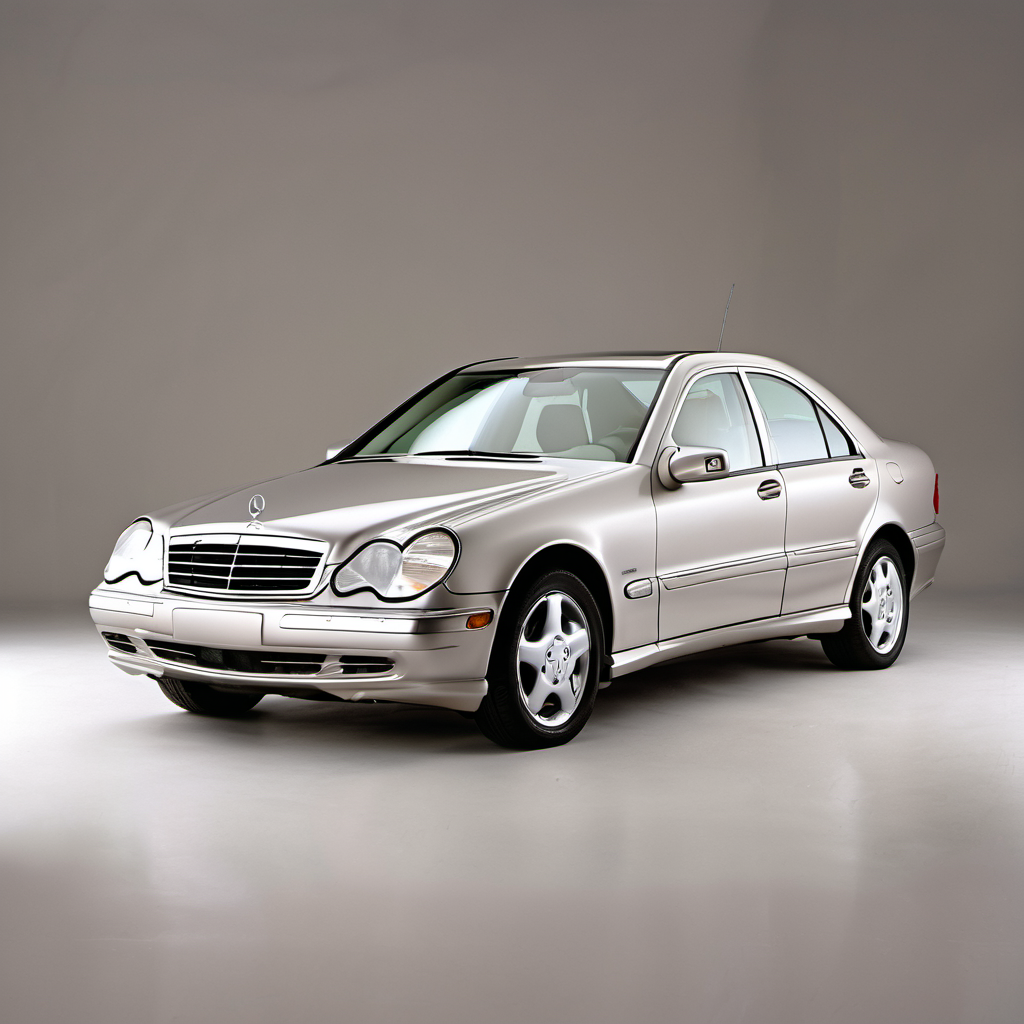
2001 Mercedes-Benz
Sedan
The 2001 Mercedes-Benz C-Class (W203 generation) was a clean-sheet redesign over the outgoing W202, bringing a more modern interior, improved crash structure, and a smoother ride. In C240 trim — the volume seller with the 2.6L V6 — it offered genuine entry-level luxury at a reasonable entry price. The W203 earned a reputation as a solid daily driver when properly maintained, though its complexity and age now mean ownership costs can surprise buyers who aren't ready for European-car service bills. The 2.6L inline-six (M112 family) is generally a durable unit. It likes premium fuel, clean oil, and on-time service. The transmission is a 5-speed automatic that shifts smoothly but can be sensitive to fluid neglect. Electrical gremlins and suspension wear are the two areas where the W203 shows its age most clearly. At over 20 years old, this car is now firmly in enthusiast or budget-luxury territory. Parts availability is still good through Mercedes dealers and independent suppliers, but labor rates for European cars in the upper Midwest make deferred maintenance expensive to catch up on. Buy a well-documented example and budget conservatively for upkeep.
The 2001 Mercedes-Benz C-Class (W203 generation) was a clean-sheet redesign over the outgoing W202, bringing a more modern interior, improved crash structure, and a smoother ride. In C240 trim — the volume seller with the 2.6L V6 — it offered genuine entry-level luxury at a reasonable entry price. The W203 earned a reputation as a solid daily driver when properly maintained, though its complexity and age now mean ownership costs can surprise buyers who aren't ready for European-car service bills. The 2.6L inline-six (M112 family) is generally a durable unit. It likes premium fuel, clean oil, and on-time service. The transmission is a 5-speed automatic that shifts smoothly but can be sensitive to fluid neglect. Electrical gremlins and suspension wear are the two areas where the W203 shows its age most clearly. At over 20 years old, this car is now firmly in enthusiast or budget-luxury territory. Parts availability is still good through Mercedes dealers and independent suppliers, but labor rates for European cars in the upper Midwest make deferred maintenance expensive to catch up on. Buy a well-documented example and budget conservatively for upkeep.
The M112 engine is oil-sensitive. Extended intervals that may have been fine when new accelerate sludge buildup in an aging engine. More frequent changes are cheap insurance.
The W203 cooling system — plastic reservoir, rubber hoses, wax thermostat — is prone to age-related failures. Fresh coolant and a pressure test every few years catches problems before a roadside overheat.
Mercedes called ATF 'lifetime' fluid, but on a car this old with unknown history, fresh fluid and a filter can prevent expensive valve body and conductor plate failures.
The M112 uses two plugs per cylinder. Neglecting plugs leads to misfires and coil stress. Use OEM-spec plugs.
W203 front suspension components wear predictably. Catching worn bushings early prevents accelerated tire wear and steering wander, especially important on winter roads.
Brake fluid is hygroscopic — it absorbs moisture over time. Wet fluid boils at lower temps and corrodes ABS components. Mercedes systems are particularly sensitive to dirty fluid.
Wisconsin road salt is hard on W203 rockers, subframe mounting points, and brake lines. Catching surface rust early lets you treat it before it becomes structural.
The W203 has a high parasitic draw from its module network. A marginal battery that starts fine in September may leave you stranded in January. Test and replace proactively.
Always defer to the manufacturer's service manual for warranty-mandated intervals.
Routine maintenance on an independent shop basis is manageable, but the W203 is not a cheap car to own when things go wrong. Budget $800–$1,200/year for normal upkeep on a well-maintained example. Add a $1,000–$2,000 contingency fund for the suspension, electrical, and cooling work that most cars this age will need. Premium fuel adds meaningful cost versus a comparable Japanese luxury sedan.
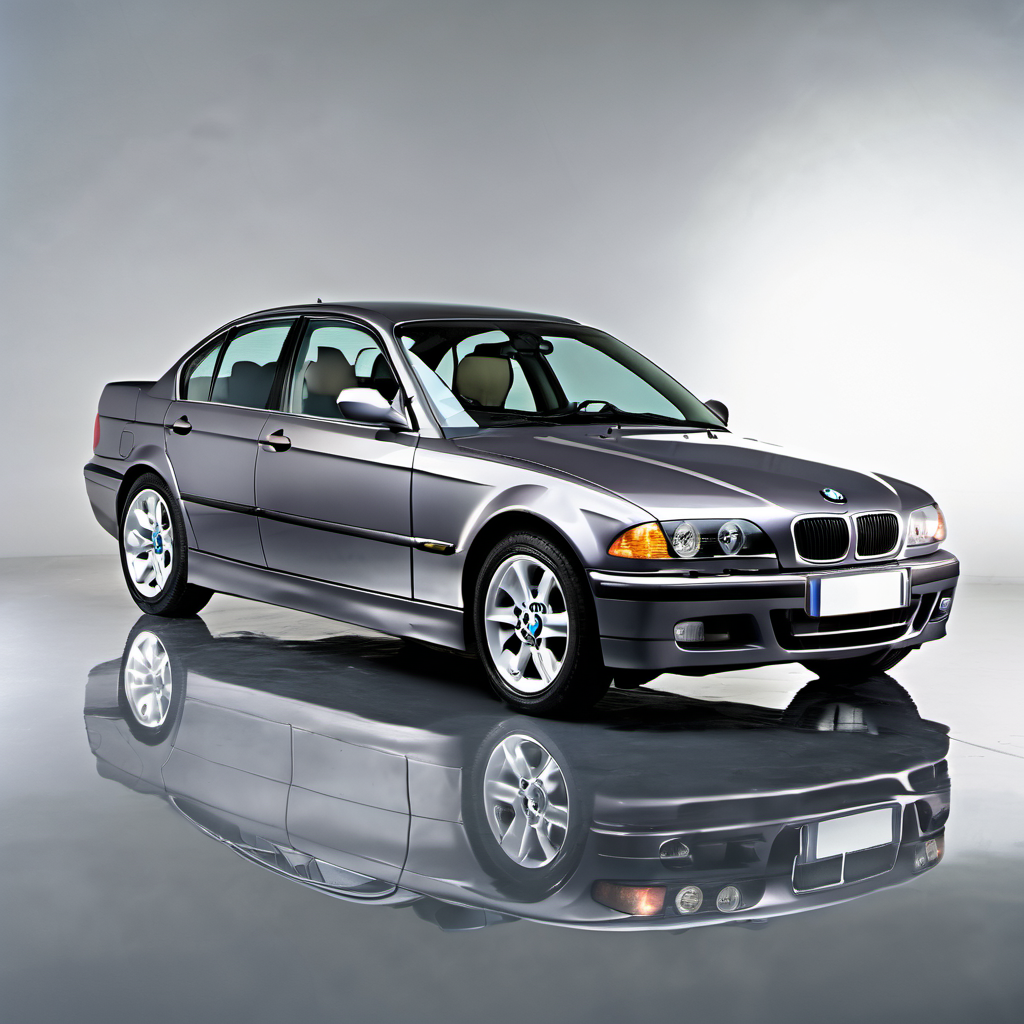
Direct rival in the entry-luxury RWD sedan segment. Similar size, similar premium-fuel requirement, similar age-related maintenance profile. Often compared head-to-head by buyers.
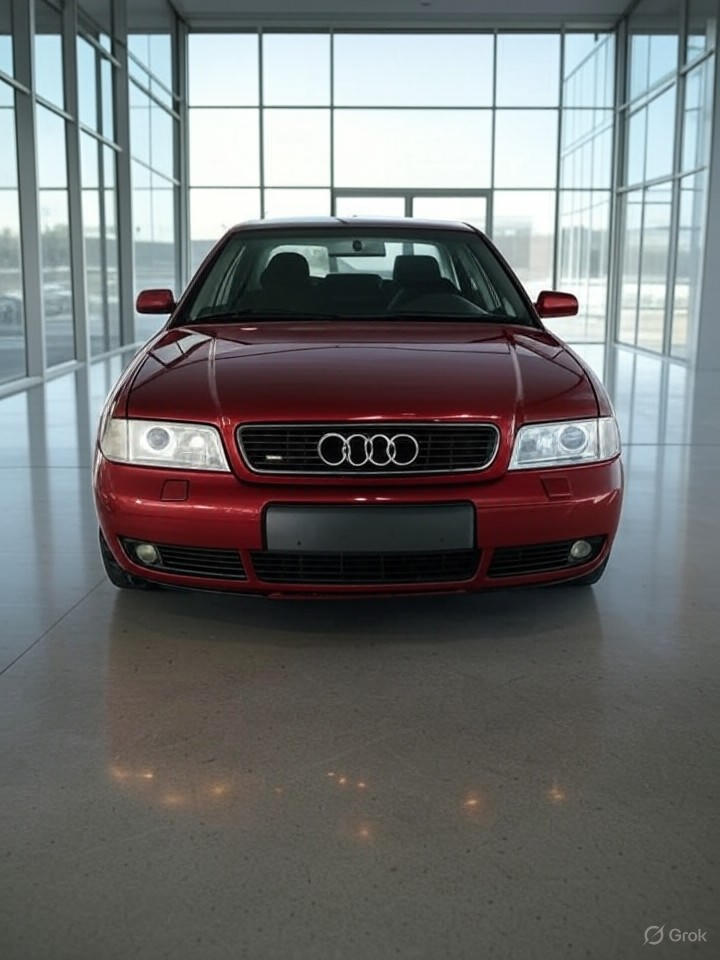
Competes in the same entry-luxury price band. AWD Quattro models offer a winter advantage over the C240's RWD, though Audi has its own age-related maintenance costs to consider.
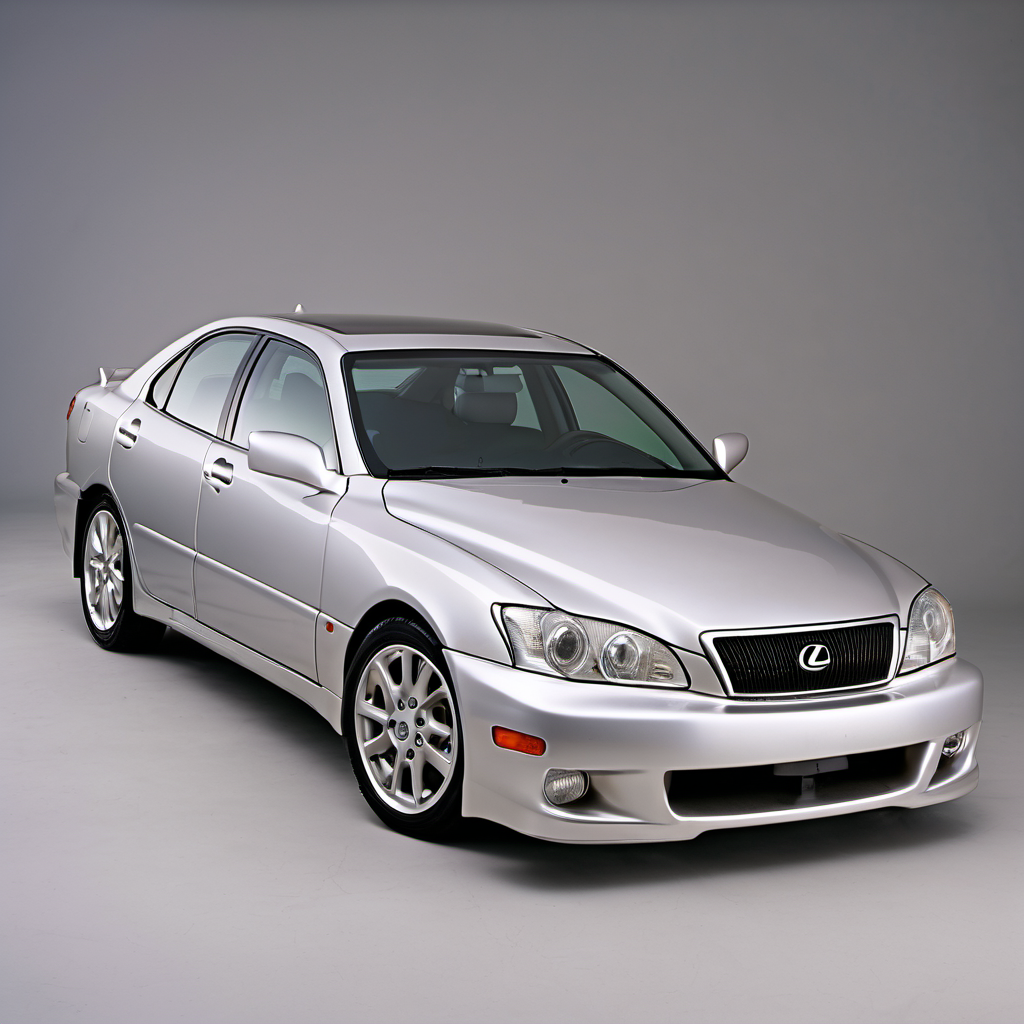
RWD inline-six luxury sport sedan at a comparable original price point. Significantly better long-term reliability record and lower ownership costs, though less traditionally 'luxurious' inside.
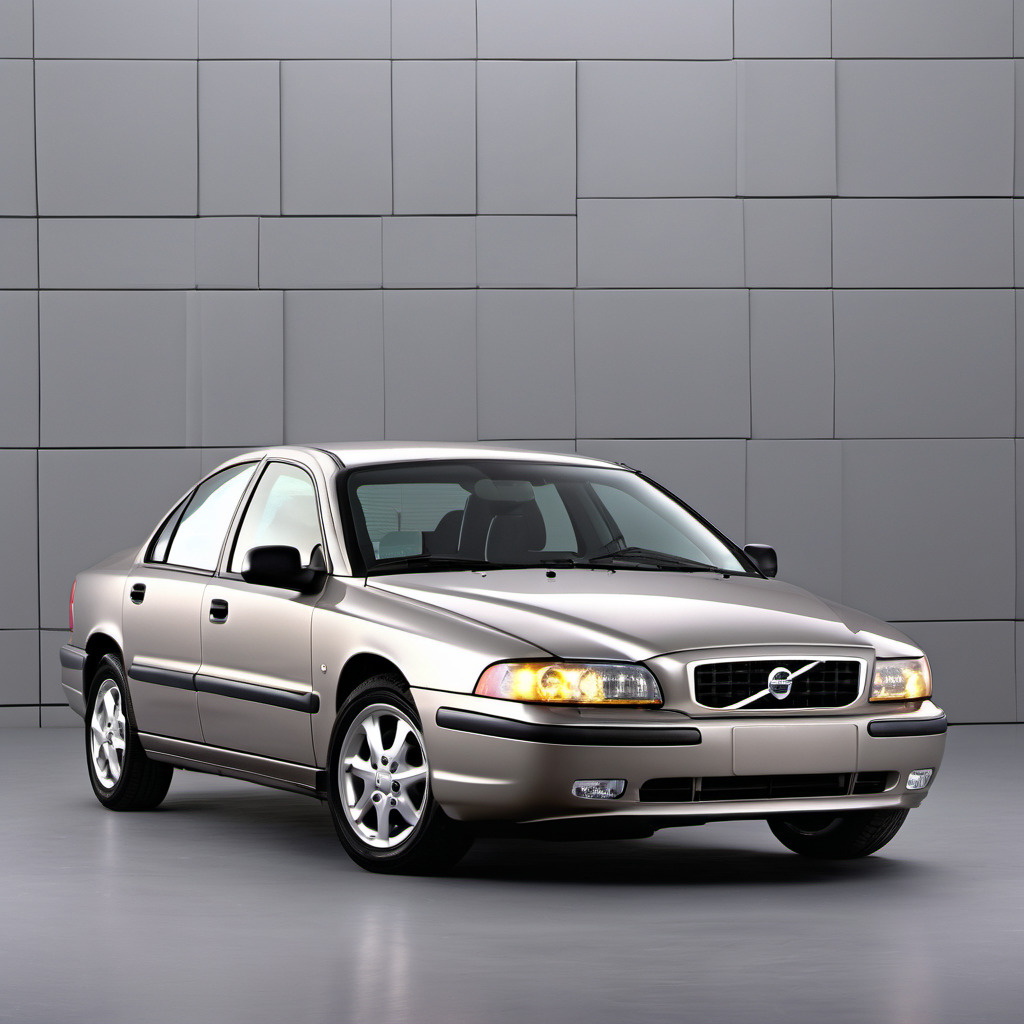
Front-wheel drive entry-luxury sedan from the same era. Better corrosion resistance than the Mercedes in salt climates, with strong safety credentials and a similar ownership cost profile.