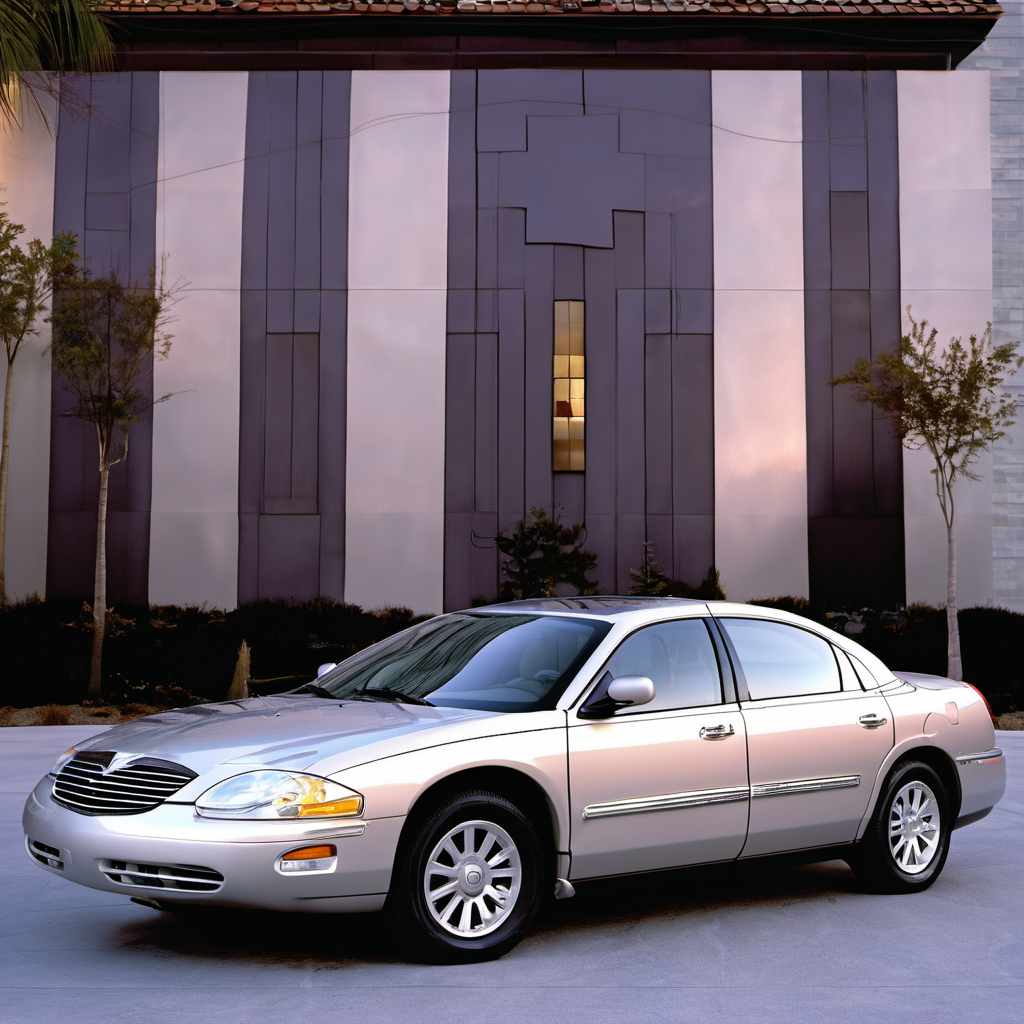
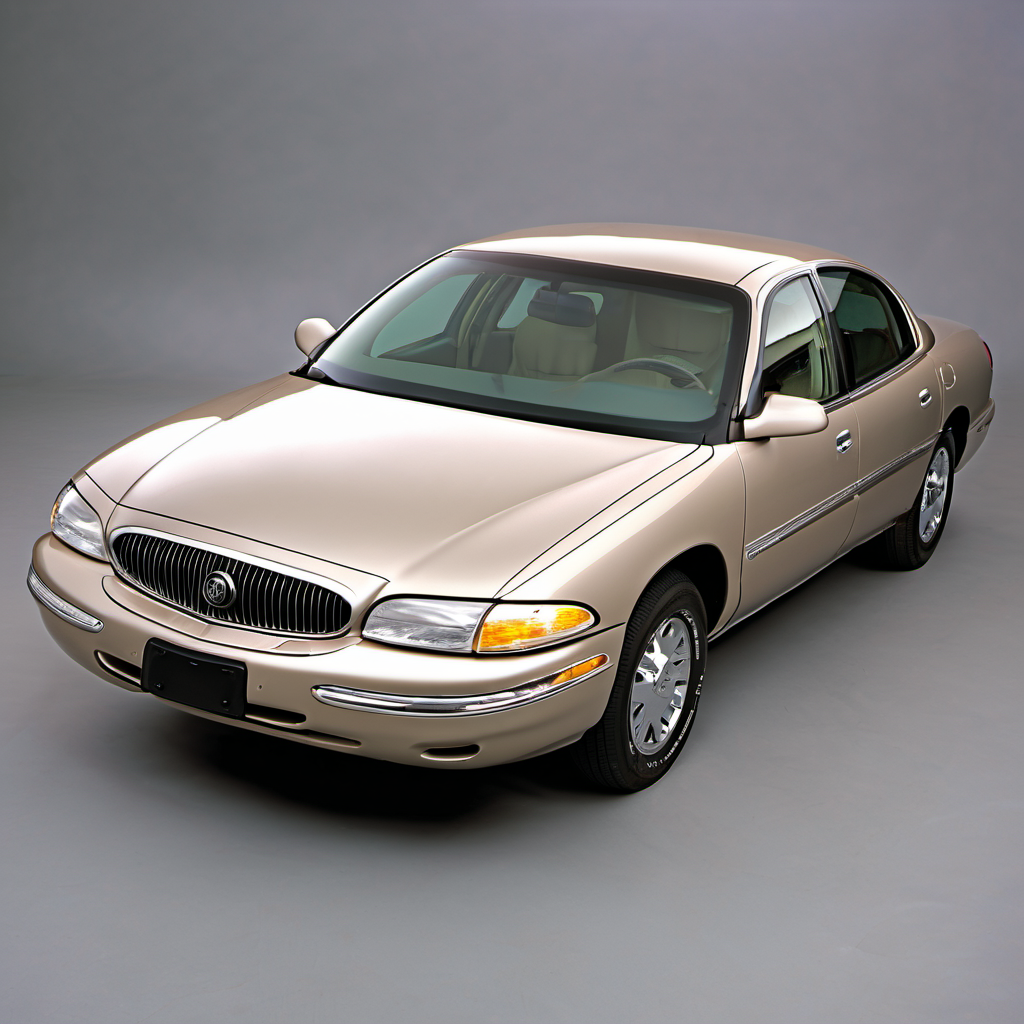
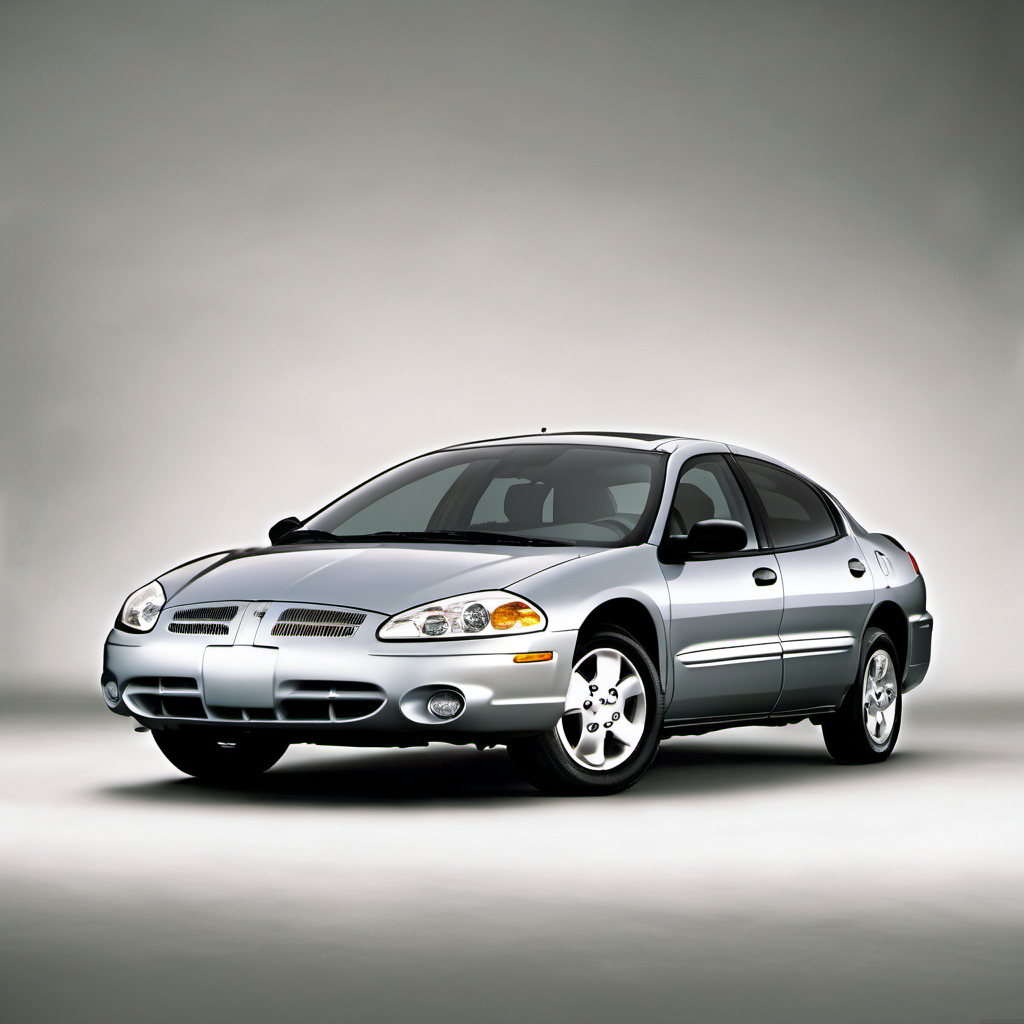
2001 Chrysler LHS Sedan

2001 Chrysler

LHSSedan

Sedan

The 2001 Chrysler LHS is a full-size front-wheel-drive luxury sedan built on Chrysler's LH platform, shared with the Dodge Intrepid and Chrysler 300M. It was Chrysler's flagship comfort cruiser, aimed squarely at buyers who wanted near-Lincoln or Cadillac amenities at a lower price point. The LHS carried a standard 3.5L SOHC V6 producing 253 hp and a plush, roomy interior with standard leather and a long list of comfort features. By 2001, the LHS was in its final model year — Chrysler discontinued it after this run. That means parts supply has been thinning for years, and the pool of knowledgeable independent mechanics is shrinking. This isn't a car to buy and ignore; deferred maintenance compounds quickly on aging LH-platform cars. For the right buyer — someone who wants a roomy, comfortable highway sedan for modest money and is willing to stay on top of maintenance — the LHS can still deliver. But go in with eyes open: these cars are now 20+ years old, and the typical examples on the market have accumulated wear that shows.

Reliability
2/5
Verified data
Specs shown for LHS — the most common configuration. Other trims may vary in engine, drivetrain, or fuel economy. Sign in to see your vehicle's exact specs.
Engine
[object Object]
Drivetrain
FWD
Fuel
Gasoline
MPG
16 city / 24 hwy / 19 combined
Seats
Doors
Body
Large Cars

Overview

AI-curated

The 2001 Chrysler LHS is a full-size front-wheel-drive luxury sedan built on Chrysler's LH platform, shared with the Dodge Intrepid and Chrysler 300M. It was Chrysler's flagship comfort cruiser, aimed squarely at buyers who wanted near-Lincoln or Cadillac amenities at a lower price point. The LHS carried a standard 3.5L SOHC V6 producing 253 hp and a plush, roomy interior with standard leather and a long list of comfort features. By 2001, the LHS was in its final model year — Chrysler discontinued it after this run. That means parts supply has been thinning for years, and the pool of knowledgeable independent mechanics is shrinking. This isn't a car to buy and ignore; deferred maintenance compounds quickly on aging LH-platform cars. For the right buyer — someone who wants a roomy, comfortable highway sedan for modest money and is willing to stay on top of maintenance — the LHS can still deliver. But go in with eyes open: these cars are now 20+ years old, and the typical examples on the market have accumulated wear that shows.

Known for
  • Exceptionally roomy cabin with generous rear legroom
  • Smooth, comfortable highway ride
  • 253 hp 3.5L V6 with strong mid-range pull
  • Loaded luxury features standard at a budget price when new
Best for
  • Highway commuters wanting a comfortable, low-stress cruiser
  • Buyers on a tight budget seeking near-luxury space and features
  • Owners willing to perform regular maintenance on an older platform
Watch for
  • Final model year — no new production parts; aftermarket and salvage are the only sources
  • LH-platform cooling system issues (head gaskets, overheating) are well-documented
  • Transmission wear on high-mileage examples (42LE automatic)
  • Electrical gremlins common on 20+ year-old examples
  • Rust on subframes, brake lines, and floor pans in salt-belt states like Wisconsin

Common issues by mileage

6 known

Cooling system failure / head gasket

high
Typically appears
80–150k mi
Estimated repair
$900 – $2,200

Automatic transmission slipping or delayed engagement

high
Typically appears
100–160k mi
Estimated repair
$1,200 – $3,200

Instrument cluster failure (gauges drop out or read incorrectly)

medium
Typically appears
80–130k mi
Estimated repair
$150 – $450

Door lock actuator failure

medium
Typically appears
70–120k mi
Estimated repair
$80 – $200

Oxygen sensor / upstream heater circuit fault

medium
Typically appears
80–130k mi
Estimated repair
$120 – $280

Maintenance schedule

  1. 1
    Every 2 years or 30k mi — sooner if not documented Coolant flush and full cooling system inspection

    The 3.5L is sensitive to coolant chemistry. Old coolant turns acidic and attacks the water pump, thermostat housing, and head gaskets. This is the single most important service on these cars.

  2. 2
    Every 30k mi Transmission fluid change (drain and fill, not flush)

    The 42LE automatic is not tolerant of degraded fluid. Many failures on high-mileage examples trace back to extended fluid intervals. Use the correct Mopar ATF+4 specification.

  3. 3
    Every 60k mi or at first sign of cracking/glazing Serpentine belt and tensioner inspection/replacement

    Belt-driven accessories include the water pump on this engine. A snapped belt can cause rapid overheating.

  4. 4
    Every 30k mi Spark plug replacement

    The 3.5L SOHC uses platinum plugs but they are not long-life iridium units. Worn plugs stress the ignition coil packs, which are an additional expense to replace.

  5. 5
    Every spring after Wisconsin winter Brake line inspection (full undercar)

    Road salt aggressively corrodes steel brake lines on cars this age. A line failure is a loss-of-braking event. Inspect and pressure-test annually.

  6. 6
    Every fall, before first hard freeze Battery load test

    Cold-cranking demand spikes in Wisconsin winters. A marginal battery that passes a basic voltage test can still fail to start the car at -10°F.

  7. 7
    Every 5k mi; recheck pressure each season change Tire rotation and pressure check

    FWD cars wear front tires faster, especially under the 3.5L's torque. Tire pressure drops ~1 PSI per 10°F of temperature drop — important between Wisconsin fall and winter.

  8. 8
    Every fall; top off with -40°F rated fluid before November Wiper blade and washer fluid check

    Standard washer fluid freezes in the lines and reservoir at Wisconsin temperatures. Frozen lines can crack the pump. Switch to full-strength winter fluid before freezing weather arrives.

Always defer to the manufacturer's service manual for warranty-mandated intervals.

Cost of ownership

Annual maintenance
$700 – $1,800
Fuel
At 19 MPG combined and typical Wisconsin driving mix, expect roughly $1,800–$2,400/year at current mid-grade fuel prices. The 3.5L recommends 89 octane.
Insurance
Full-size luxury sedan; low current market value means comprehensive/collision coverage costs little, but liability and uninsured motorist coverage should still be carried. Expect modest premiums given the vehicle's age and value.

On paper the LHS looks cheap to own — low purchase price, modest insurance. In practice, a high-mileage 2001 example can generate $1,000–$2,500 in repair costs in a single bad year (cooling system, transmission, or electrical). Budget conservatively. If maintenance records are absent, front-load your budget for a cooling system service and transmission fluid change immediately after purchase.

Seasonal care

Lake Geneva, WI
Winter
  • Load-test the battery every October — sub-zero starts are brutal on a 12V system in a 20+ year-old car.
  • Switch washer fluid to -40°F rated formula before November; frozen lines can crack the reservoir and pump.
  • Inspect brake lines, calipers, and rubber hoses for salt corrosion each spring — these cars are old enough that line replacement may be overdue.
  • Use a winter-weight oil (5W-30 or per owner's manual) if not already; cold starts with thick oil accelerate upper-engine wear.
  • Check coolant freeze protection with a test strip or refractometer — protection to at least -34°F is appropriate for Lake Geneva winters.
  • Keep the gas tank at least half full to reduce moisture condensation in the fuel system and add weight over the front drive wheels.
Summer
  • Inspect the A/C system for refrigerant charge and condenser blockage — the LHS condenser sits low and collects road debris.
  • Check coolant level and condition before summer heat; this engine is prone to overheating when the cooling system is marginal.
  • Recheck tire pressure after the seasonal temperature rise — pressure increases ~1 PSI per 10°F and can cause uneven wear or handling changes.
  • Inspect the serpentine belt for heat cracking; belt rubber degrades faster through summer heat cycles on a car this age.

Comparable vehicles

If you're shopping for one

Red flags
  • No maintenance records — on a 20+ year-old LH car, unknown history almost certainly means deferred cooling system and transmission service.
  • Any evidence of overheating in the car's past (replaced thermostat, heater core, or a coolant reservoir that looks recently replaced).
  • Transmission that hesitates, shudders on takeoff, or slips between gears.
  • Rust perforation anywhere on the unibody, subframe mounting points, or visible brake lines.
  • Check engine light on — get a pre-purchase scan. Multiple stored codes on a car this age signal accumulated neglect.
  • Odometer that doesn't match wear on pedal pads, steering wheel, and seat bolsters — mileage rollback is not uncommon on older budget luxury cars.
What to inspect
  • Pull the radiator cap (cold engine only) and look for brown sludge or oil contamination — a head gasket warning sign.
  • Check coolant color and smell; it should not be rusty, milky, or acidic-smelling.
  • With engine warm, watch the temperature gauge on a 10-minute drive — any creeping toward hot is a red flag.
  • Ask for transmission fluid service history; check the fluid color on the dipstick (dark brown or burnt-smelling = trouble ahead).
  • Inspect the undercarriage for rust on the subframe, brake lines, and floor pan seams — Wisconsin salt cars can have severe hidden corrosion.
  • Test every powered feature: windows, locks, trunk release, instrument gauges — electrical repairs on a 20+ year-old Chrysler add up fast.
  • Look for oil seepage around the valve covers and front of the engine (timing cover area).
AI profile generated 2 days ago · claude-sonnet-4-6 · v2.