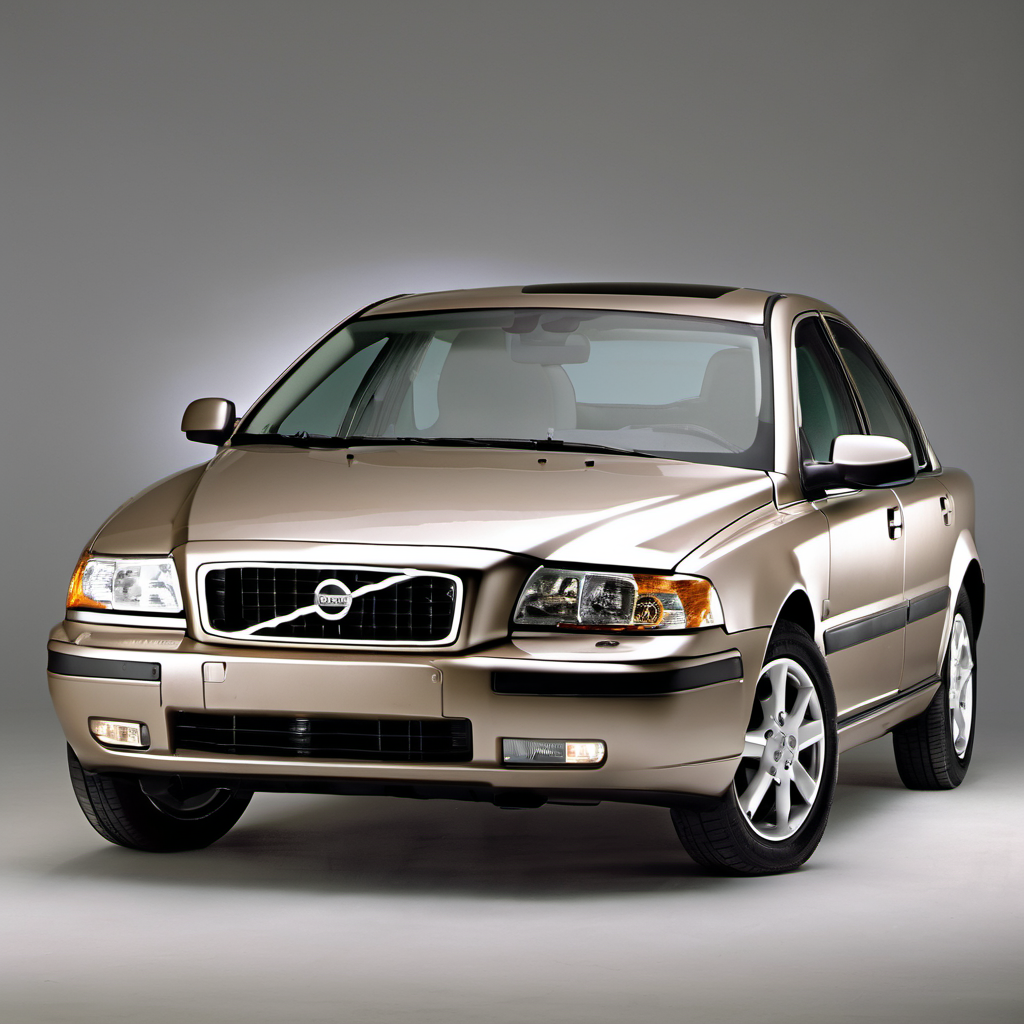
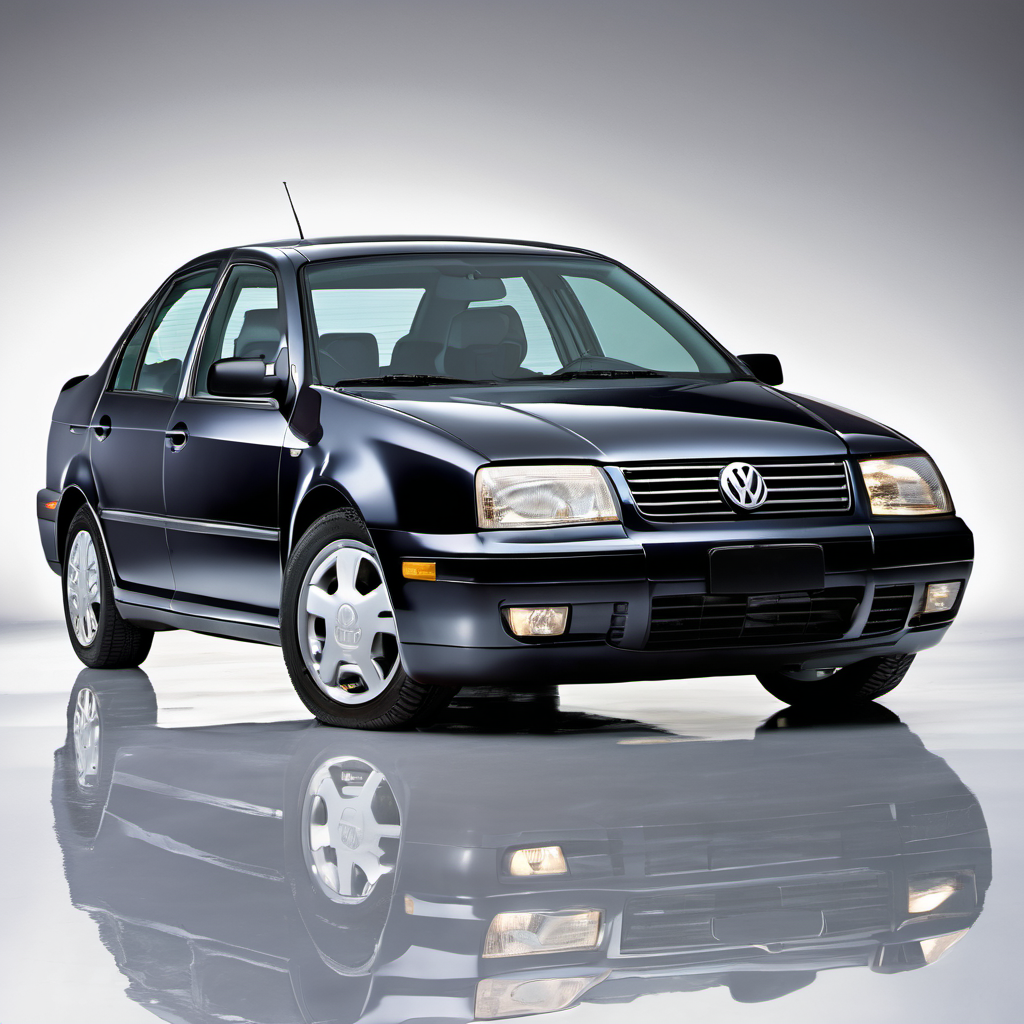
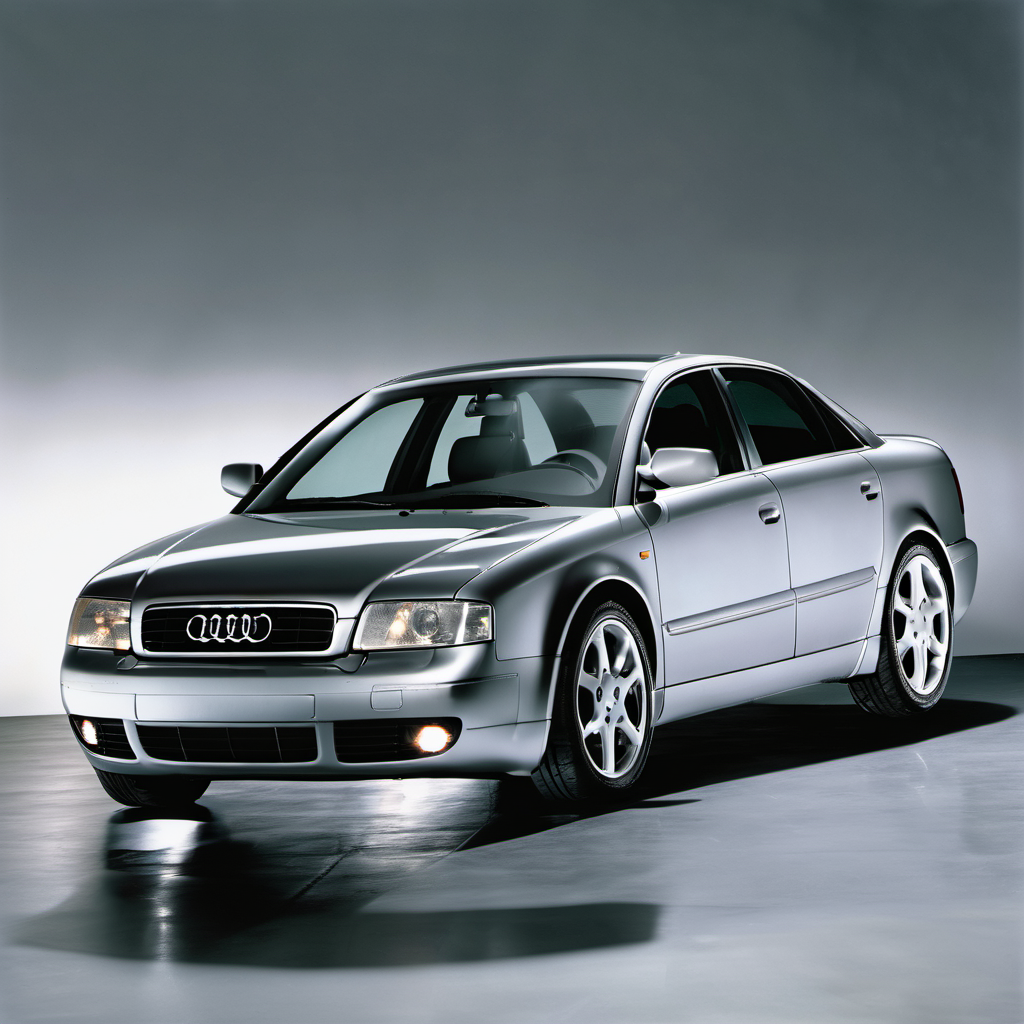
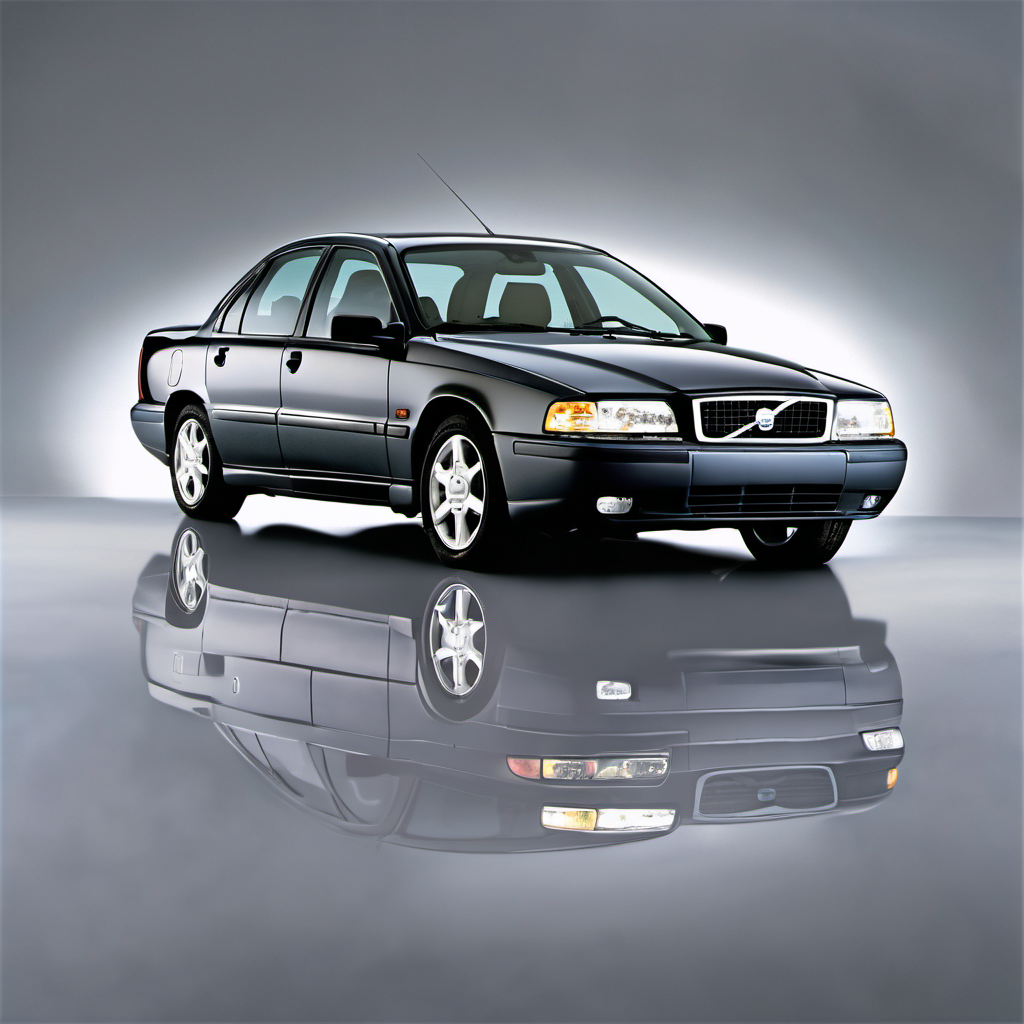
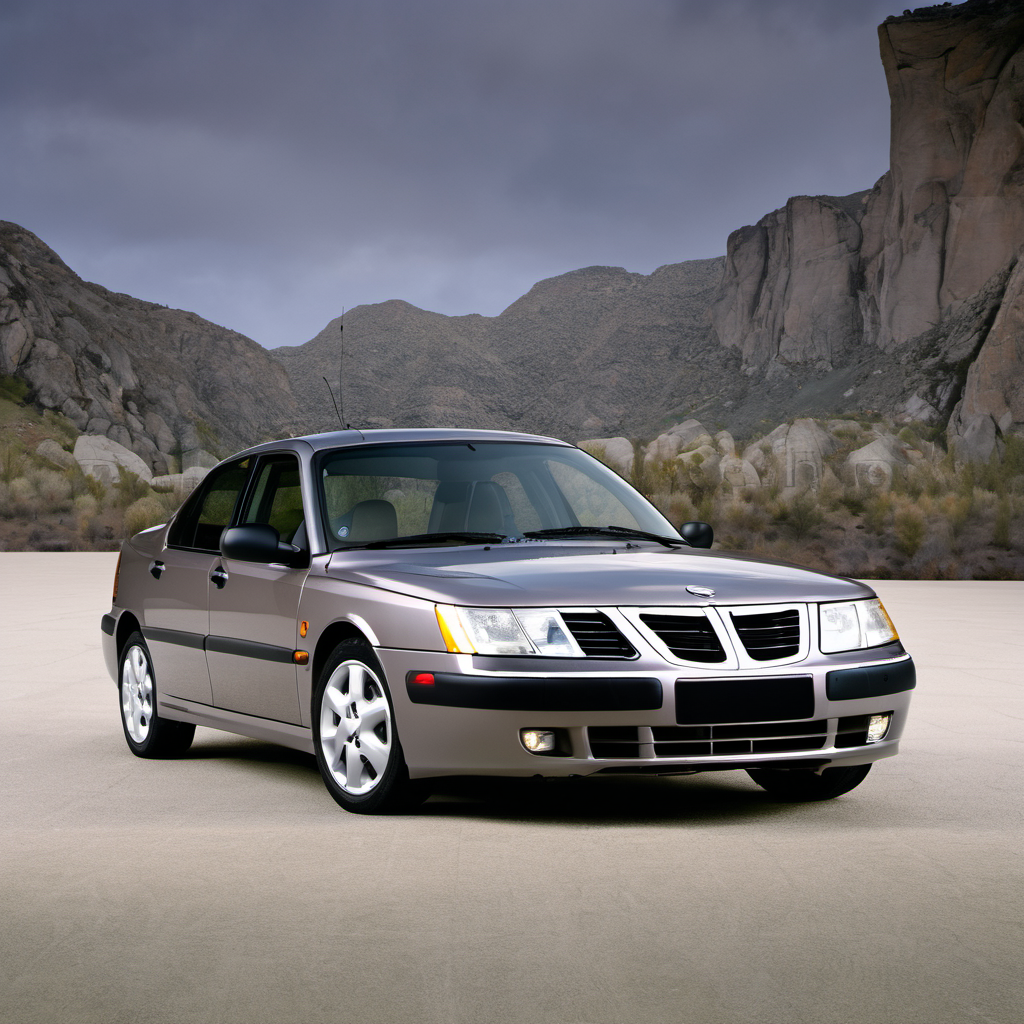
2000 Volvo S40 Sedan

2000 Volvo

S40Sedan

Sedan

The 2000 Volvo S40 is a compact front-wheel-drive sedan built on a platform jointly developed with Mitsubishi (sharing bones with the Carisma). It was Volvo's entry-level offering at the time, bringing the brand's safety reputation into a smaller, more affordable package. Power comes from a 1.9L turbocharged four-cylinder — a punchy little engine for its day — mated to either a 5-speed manual or 4-speed automatic. By 2000 the S40 was solidly mid-generation with most early production bugs worked out, but it was never as bulletproof as Volvo's larger 700/800/V70 series cars. Parts are increasingly hard to source at 25 years old, and independent shops with genuine Volvo experience are becoming scarce. Budget accordingly. For a Lake Geneva buyer, the S40's FWD and relatively short wheelbase handle snowy roads adequately, but the turbocharged engine and aging electrical architecture demand more attention than the average used-car owner expects. It's a car for someone who enjoys European driving character and is willing to stay on top of maintenance.

Reliability
2/5
Verified data
Specs shown for S40 FWD — the most common configuration. Other trims may vary in engine, drivetrain, or fuel economy. Sign in to see your vehicle's exact specs.
Engine
[object Object]
Drivetrain
FWD
Fuel
Premium gasoline
MPG
19 city / 26 hwy / 21 combined
Seats
Doors
Body
Compact Cars

Overview

AI-curated

The 2000 Volvo S40 is a compact front-wheel-drive sedan built on a platform jointly developed with Mitsubishi (sharing bones with the Carisma). It was Volvo's entry-level offering at the time, bringing the brand's safety reputation into a smaller, more affordable package. Power comes from a 1.9L turbocharged four-cylinder — a punchy little engine for its day — mated to either a 5-speed manual or 4-speed automatic. By 2000 the S40 was solidly mid-generation with most early production bugs worked out, but it was never as bulletproof as Volvo's larger 700/800/V70 series cars. Parts are increasingly hard to source at 25 years old, and independent shops with genuine Volvo experience are becoming scarce. Budget accordingly. For a Lake Geneva buyer, the S40's FWD and relatively short wheelbase handle snowy roads adequately, but the turbocharged engine and aging electrical architecture demand more attention than the average used-car owner expects. It's a car for someone who enjoys European driving character and is willing to stay on top of maintenance.

Known for
  • Excellent passive safety ratings for its era
  • Torquey 1.9L turbocharged four-cylinder
  • European compact sedan driving feel
  • Shared Mitsubishi Carisma platform (often surprises Volvo enthusiasts)
Best for
  • Buyers who want Volvo safety credentials on a compact budget
  • Enthusiasts comfortable with European car ownership costs
  • Low-mileage commuter duty with attentive maintenance
Watch for
  • Aging electrical components and wiring at 25+ years old
  • Turbocharger wear and oil sludge if oil changes were skipped
  • Parts availability shrinking — some items dealer-only or backordered
  • Rust on underbody and subframe from Wisconsin road salt exposure
  • Throttle body and idle control issues as sensors age

Common issues by mileage

6 known

Turbocharger failure / oil sludge buildup

high
Typically appears
80–150k mi
Estimated repair
$900 – $2,200

Oxygen / A-F sensor heater circuit failure

high
Typically appears
70–130k mi
Estimated repair
$150 – $400

Camshaft position / VVT timing faults

medium
Typically appears
90–160k mi
Estimated repair
$300 – $900

Throttle body and idle air control failure

high
Typically appears
60–120k mi
Estimated repair
$200 – $600

Cooling system failures (thermostat, water pump, hoses)

high
Typically appears
60–110k mi
Estimated repair
$250 – $750

Maintenance schedule

  1. 1
    Every 5,000 miles or 6 months Engine oil and filter change — use full synthetic 5W-30 or as specified

    The 1.9T turbo is highly sensitive to oil degradation. Sludge buildup from extended intervals is the single biggest cause of turbo and engine failure on these cars. Do not stretch intervals.

  2. 2
    Every 2 years or 30,000 miles Coolant flush and system inspection

    Aging hoses, thermostat, and water pump are all failure-prone. Fresh coolant prevents corrosion in the aluminum head and radiator.

  3. 3
    Every 30,000 miles Spark plugs and ignition wires

    Turbocharged engines are harder on plugs. Worn plugs stress the coil packs and cause misfires, especially on cold Wisconsin mornings.

  4. 4
    Every 2 years or 30,000 miles Serpentine and accessory belts inspection

    Belt-driven accessories are critical — a snapped belt strands you and can cause overheating.

  5. 5
    Every 30,000 miles Fuel filter replacement

    Dirty fuel filter causes poor turbo response and can stress the fuel pump on a 25-year-old system.

  6. 6
    Every spring after winter season Underbody wash and rust inspection

    Road salt accumulates on subframe, brake lines, and exhaust. Catching rust early is far cheaper than brake line replacement or structural repair.

  7. 7
    Every 2 years Brake fluid flush

    Brake fluid absorbs moisture over time, lowering boiling point. Critical for safe winter driving on Wisconsin roads.

  8. 8
    Every 30,000 miles or annually Inspect CV axle boots and joints

    FWD CV boots crack in cold temperatures. A torn boot lets grease escape and salt in — leading to joint failure.

Always defer to the manufacturer's service manual for warranty-mandated intervals.

Cost of ownership

Annual maintenance
$900 – $2,200
Fuel
Requires premium or mid-grade gasoline. At ~21 MPG combined and ~12,000 miles/year, expect $1,500–$2,000/year at current fuel prices.
Insurance
Generally low — compact older sedan with modest horsepower. Expect $800–$1,300/year for full coverage depending on driving history.

The S40 looks affordable to buy, but ownership costs climb fast. Parts are increasingly scarce and sometimes dealer-only. Any turbo or electrical work hits the high end of the range. Budget a minimum of $1,000/year for maintenance on a well-kept example, and up to $2,200+ if deferred maintenance needs catching up. This is not a 'buy it and forget it' car.
Seasonal care

Lake Geneva, WI
Winter
  • Switch to a full synthetic 5W-30 oil before first hard freeze — the turbo needs fast oil flow on sub-zero cold starts.
  • Test the battery every fall. Cold weather crushes cranking capacity on aging batteries; replace any battery showing under 70% health before December.
  • Install dedicated winter tires — the S40's FWD and relatively light front end benefit greatly from proper winter rubber on icy Wisconsin roads.
  • Use a winter-rated washer fluid rated to at least -20°F. The turbo creates heat soak that can freeze standard fluid in the lines.
  • Flush and inspect the cooling system before winter — a failing thermostat that 'sticks open' will leave the cabin cold and the engine running too cool.
  • Rinse the undercarriage every 1–2 weeks during salting season to protect aging brake lines and subframe from accelerated rust.
Summer
  • Inspect A/C refrigerant charge and compressor operation — the system is old enough that leaks are common and recharges don't last forever without finding the source.
  • Check tire pressure monthly; summer heat causes pressure to rise, which affects handling and tire wear on a FWD car.
  • Watch coolant temperature closely in stop-and-go heat — the aging radiator and cooling fans should be verified operational before summer.
  • Inspect rubber hoses and belts for heat cracking — high underhood temps from the turbo accelerate deterioration of aging rubber components.

Comparable vehicles

If you're shopping for one

Red flags
  • Any signs of oil sludge inside the engine — walk away.
  • Boost that feels weak or inconsistent — likely a failing turbo or boost leak.
  • Check engine light on with turbo bypass valve codes (P0033–P0035) — costly repair on an old car.
  • Visible rust on subframe, floor pans, or brake line brackets — structural rust is a deal-breaker.
  • No service records and high mileage — the turbo engine cannot be trusted without documented oil change history.
  • Overheating or coolant loss — head gasket and cooling system repairs on this engine are not cheap.
What to inspect
  • Pull the oil cap and check for sludge inside the valve cover — thick, dark, mayo-like buildup means oil changes were skipped and the turbo may be compromised.
  • Request full service records; a missing history on a turbocharged engine is a red flag, not a minor concern.
  • Scan for live DTCs and pending codes before purchase — pay special attention to any oxygen sensor, turbo bypass valve, or camshaft position codes.
  • Inspect all underbody brake lines for rust and corrosion — these are 25-year-old steel lines exposed to Wisconsin salt.
  • Check all four CV axle boots for cracks or grease sling on the wheel wells.
  • Verify the A/C blows cold and the cooling fan cycles on properly — both are expensive if failed.
  • Look for oil seepage around the turbo inlet/outlet pipes and intercooler connections.
AI profile generated 4 days ago · claude-sonnet-4-6 · v2.