Timing belt failure
high- Typically appears
- 60–105k mi (and every 60k thereafter)
- Estimated repair
- $350 – $650
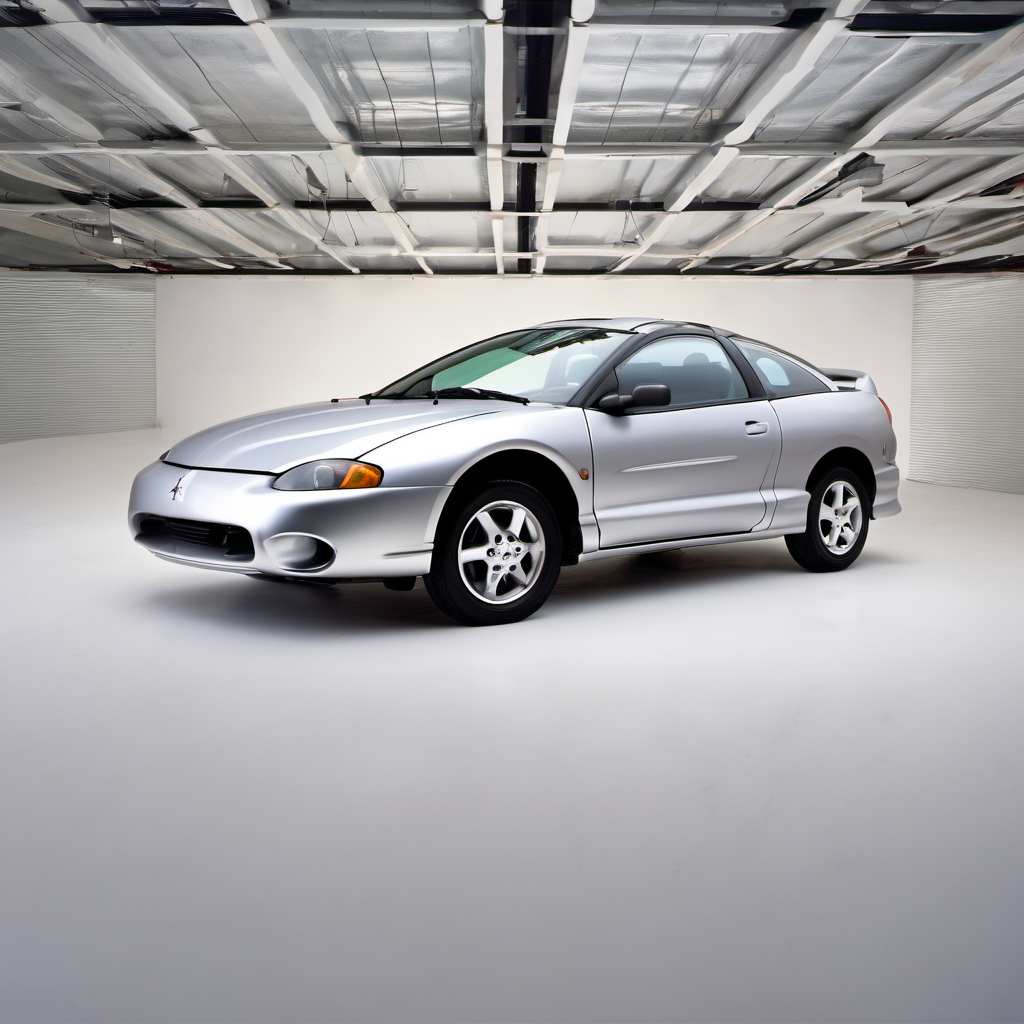
2000 Mitsubishi
Coupe
The 2000 Mitsubishi Eclipse is a third-generation (3G) front-wheel-drive sport coupe that marked a significant departure from the all-wheel-drive turbocharged Eclipse of the early '90s. For 2000, the lineup offered two engine choices: a 2.4L SOHC four-cylinder (GS trim) and a 3.0L V6 (GT trim). This vehicle is equipped with the 2.4L four-cylinder, which prioritizes everyday usability over outright performance. The 3G Eclipse trades the raw performance reputation of its predecessors for more comfortable, daily-driver-friendly character. It features a smooth ride, a reasonably sporty interior for its era, and a coupe body that still turns heads. However, it carries some of the reliability baggage common to late-'90s Mitsubishi products, and parts availability has thinned out considerably as the car ages past the 20-year mark. At this point in its life, a well-maintained example is a capable, affordable coupe for someone who enjoys the sport coupe style without expecting sports car performance. Poorly maintained examples — and there are many out there, given this car's popularity with younger drivers over the decades — can be expensive headaches. Condition and service history matter enormously on any surviving 2000 Eclipse.
The 2000 Mitsubishi Eclipse is a third-generation (3G) front-wheel-drive sport coupe that marked a significant departure from the all-wheel-drive turbocharged Eclipse of the early '90s. For 2000, the lineup offered two engine choices: a 2.4L SOHC four-cylinder (GS trim) and a 3.0L V6 (GT trim). This vehicle is equipped with the 2.4L four-cylinder, which prioritizes everyday usability over outright performance. The 3G Eclipse trades the raw performance reputation of its predecessors for more comfortable, daily-driver-friendly character. It features a smooth ride, a reasonably sporty interior for its era, and a coupe body that still turns heads. However, it carries some of the reliability baggage common to late-'90s Mitsubishi products, and parts availability has thinned out considerably as the car ages past the 20-year mark. At this point in its life, a well-maintained example is a capable, affordable coupe for someone who enjoys the sport coupe style without expecting sports car performance. Poorly maintained examples — and there are many out there, given this car's popularity with younger drivers over the decades — can be expensive headaches. Condition and service history matter enormously on any surviving 2000 Eclipse.
The 2.4L is an interference engine — if the belt snaps, pistons meet valves and engine damage is severe and expensive. At this vehicle's age, do it immediately if history is unknown. Replace the water pump at the same time since it's driven by the belt.
Old coolant becomes acidic and corrodes the aluminum components in the cooling system. On a 24-year-old car, the cooling system condition is critical to preventing overheating and head gasket damage.
The SOHC 2.4L responds well to fresh ignition components. Worn plugs and cracked wires cause misfires that stress the catalytic converter and reduce fuel economy.
Torn CV boots let grease escape and contamination in — accelerating joint wear rapidly. Catching a torn boot early saves the cost of full axle replacement.
Brake fluid absorbs moisture over time, lowering its boiling point and accelerating internal corrosion. In Wisconsin's freeze-thaw cycles, this matters more than in mild climates.
Road salt in Lake Geneva area winters is extremely aggressive on this car's aging unibody. Annual inspection and touch-up of any protective coating can significantly extend structural life.
The serpentine belt drives the alternator and A/C compressor. At this vehicle's age, the belt tensioner spring can weaken and cause belt slip or sudden failure.
Mitsubishi's 4-speed automatic is sensitive to degraded fluid. Many of these transmissions were run on original fluid for 100k+ miles — fresh fluid and a filter change can extend remaining service life noticeably.
Always defer to the manufacturer's service manual for warranty-mandated intervals.
Day-to-day costs are manageable on a well-maintained example, but this car is old enough that surprise repairs are the real risk. Budget a $500–$1,000 repair reserve on top of routine maintenance. Parts are getting harder to source — some interior and body trim pieces may require salvage yard hunting or patience. Keep deferred maintenance current; the cost of letting something slide (especially the timing belt) far outweighs the savings.
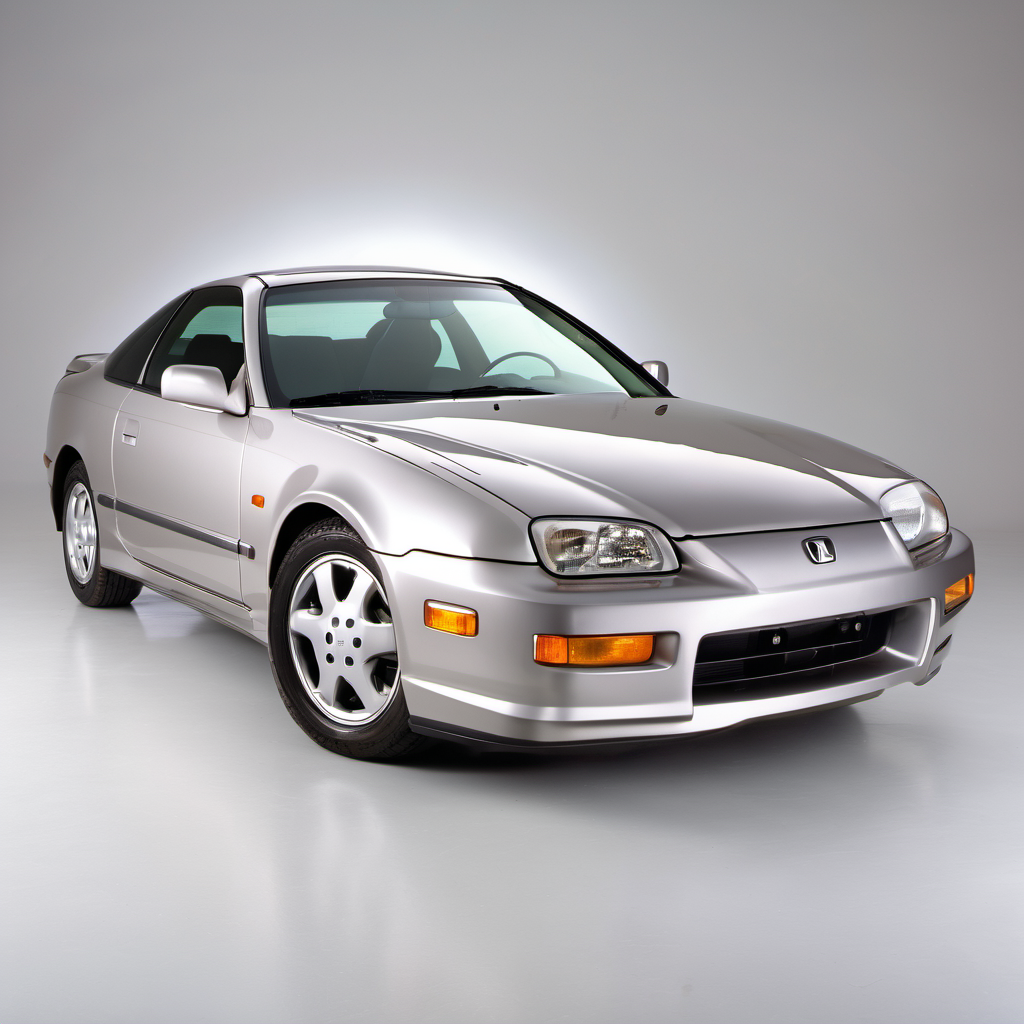
Same sport coupe segment, similar price, FWD, also a naturally aspirated 4-cylinder. The Prelude has a stronger reliability reputation and better long-term parts support.
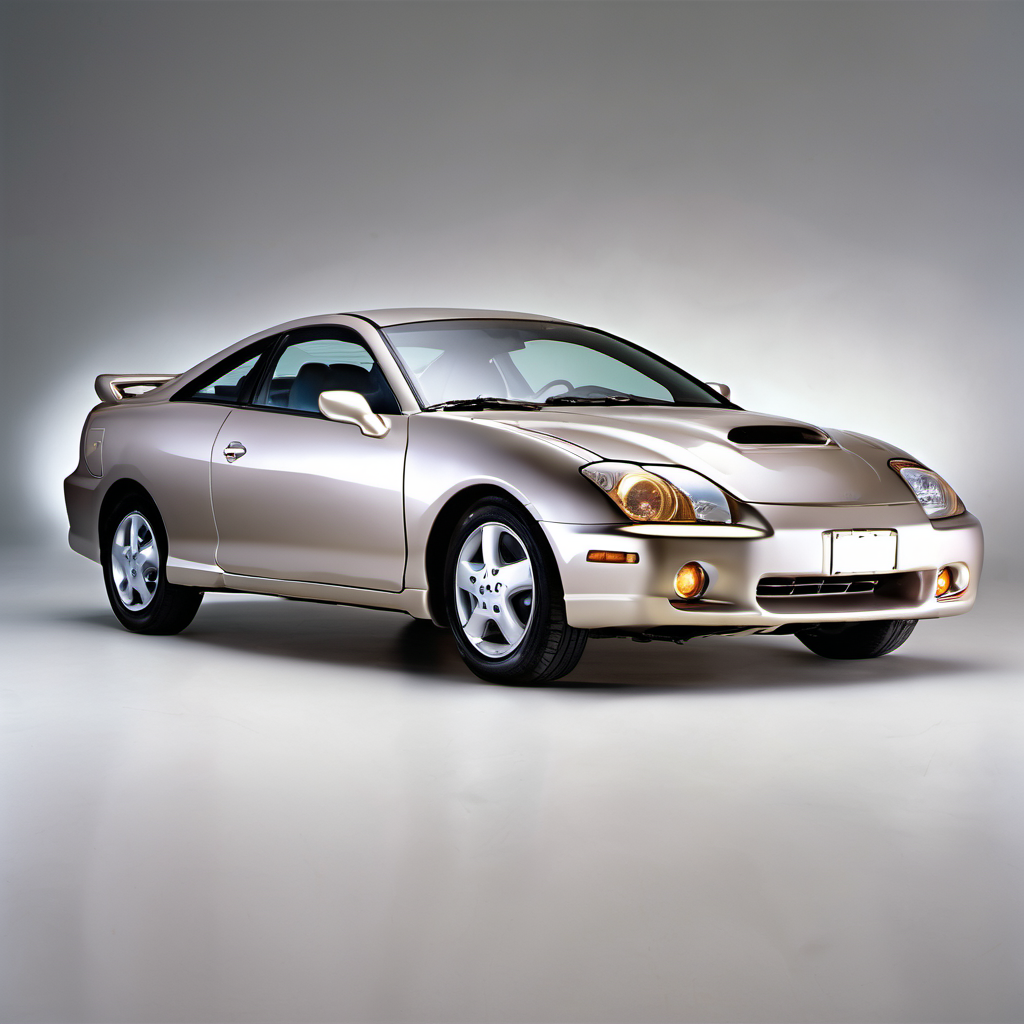
Direct competitor sport coupe, similar displacement and power, FWD. Toyota's reliability advantage gives the Celica better survival odds at high mileage.
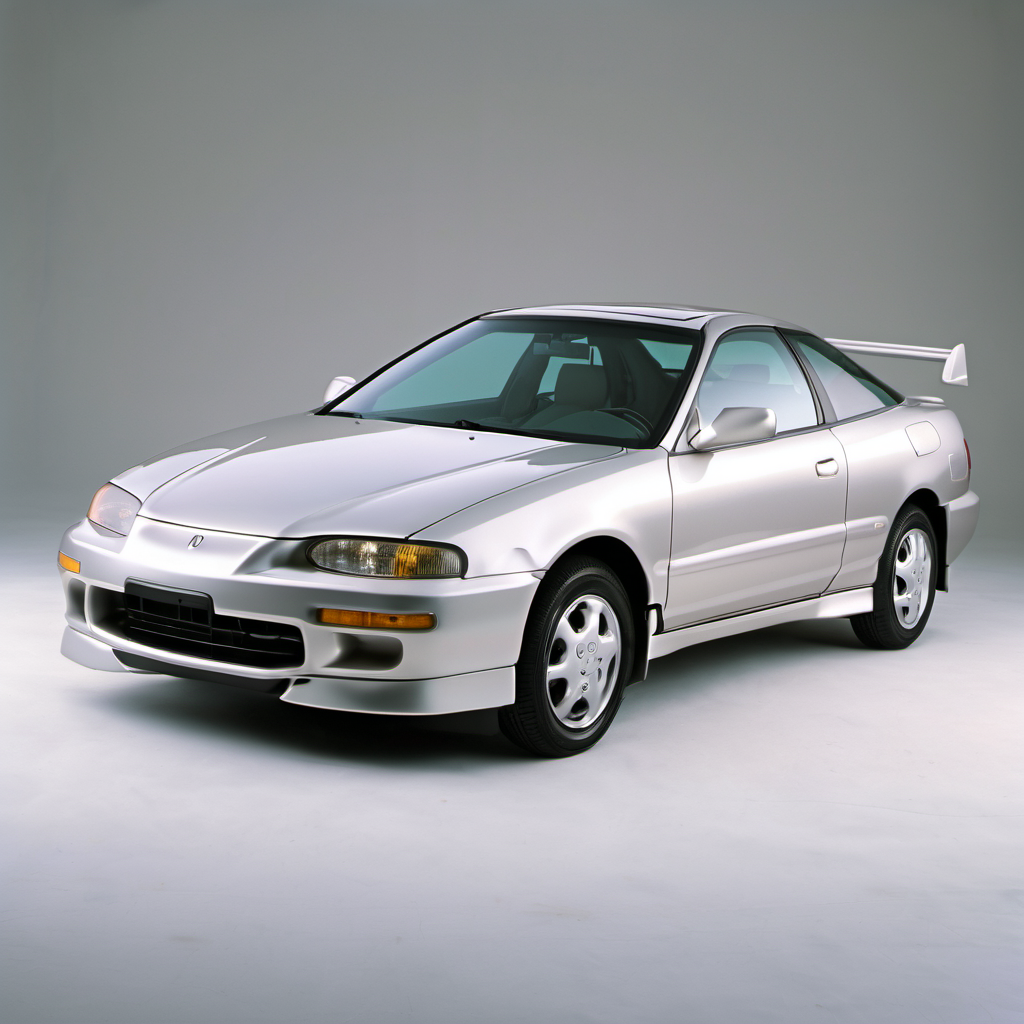
Slightly smaller but in the same sport coupe/sporty compact space with a stronger track record for durability. Parts and community support remain excellent.
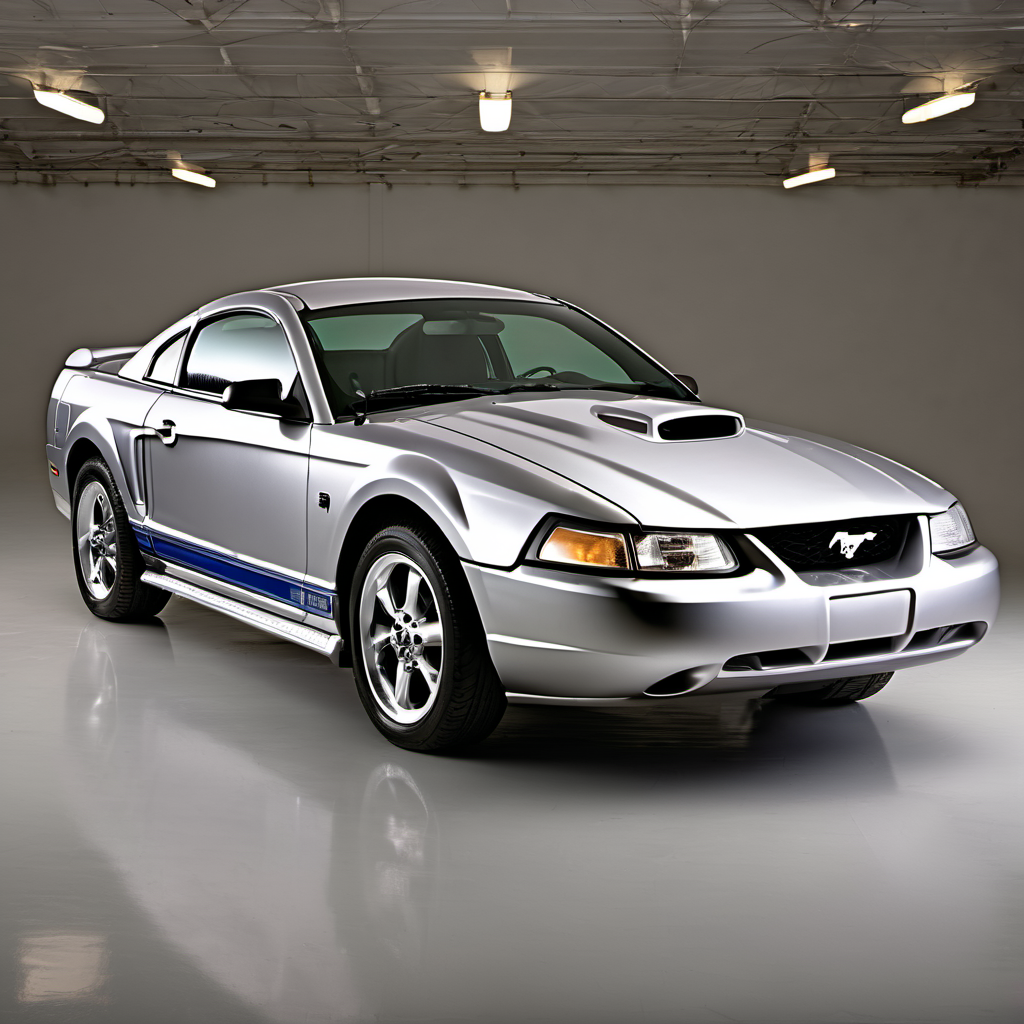
For buyers who want sport coupe character at a similar used-market price. V6 base Mustangs overlap in cost and offer more aftermarket support, though they are RWD.