Intake Manifold Gasket Failure (5.7L Vortec)
high- Typically appears
- 80–150k mi
- Estimated repair
- $400 – $750
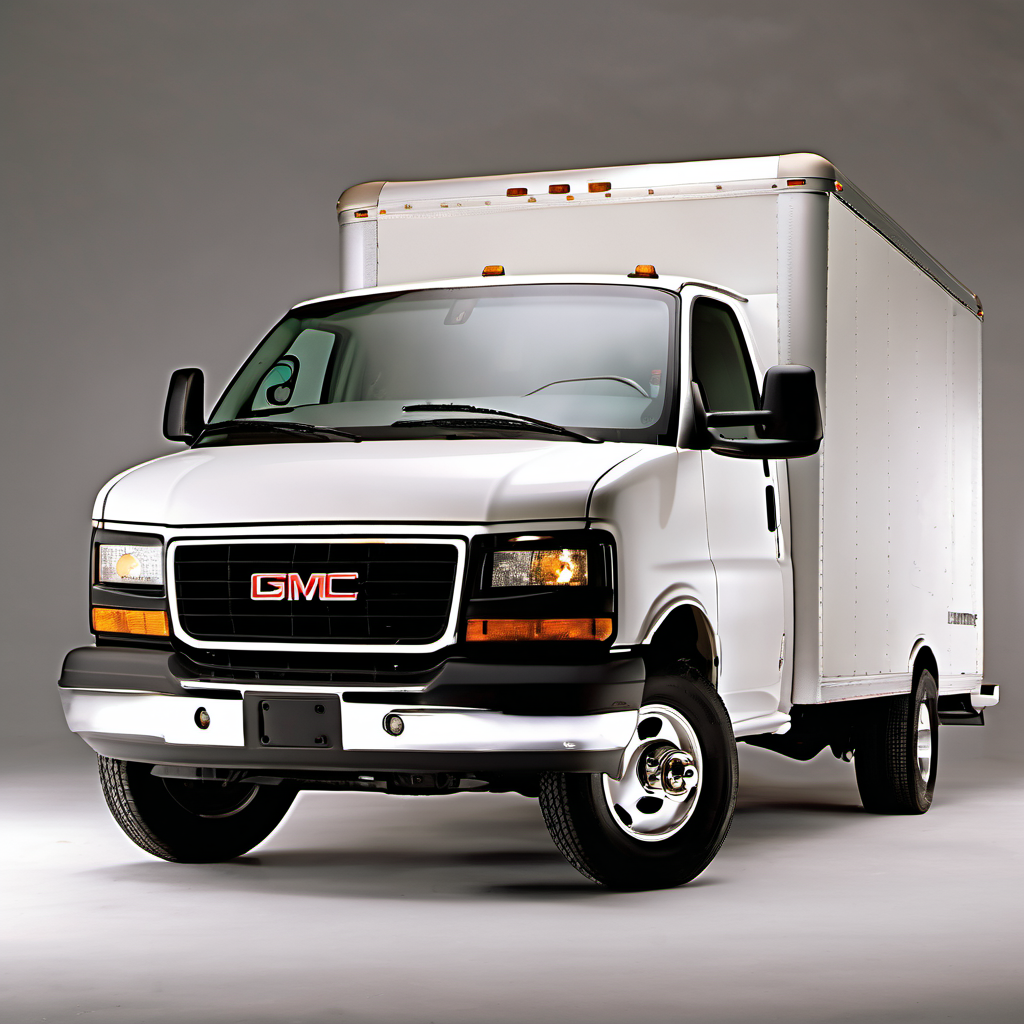
2000 GMC
5.7L V8 Vortec 350 · Van/Minivan
The 2000 GMC Savana 3500 Cargo Van is a full-size, body-on-frame workhorse built on GM's long-running G-van platform. In 3500 trim, it's rated for heavy payloads and commonly found hauling equipment, serving as a fleet vehicle, or converted for camper or passenger duty. It shares its bones with the Chevrolet Express 3500, meaning parts are plentiful and every independent shop in the Midwest knows how to work on it. Power comes from a 5.7L V8 (Vortec 350) as the standard gasoline engine, with a 4-speed automatic behind it. The Savana 3500 is built to work, not to impress — the interior is utilitarian, the ride is truck-stiff when empty, and fuel economy is modest at best. What it delivers is proven durability, massive cargo capacity, and an enormous aftermarket parts ecosystem. At 24 years old, any surviving Savana 3500 has likely seen hard commercial use. Rust (especially in Wisconsin), deferred maintenance, and high miles are the primary concerns. The mechanical platform itself is simple and time-tested, but these vans are only as good as the maintenance they've received.
The 2000 GMC Savana 3500 Cargo Van is a full-size, body-on-frame workhorse built on GM's long-running G-van platform. In 3500 trim, it's rated for heavy payloads and commonly found hauling equipment, serving as a fleet vehicle, or converted for camper or passenger duty. It shares its bones with the Chevrolet Express 3500, meaning parts are plentiful and every independent shop in the Midwest knows how to work on it. Power comes from a 5.7L V8 (Vortec 350) as the standard gasoline engine, with a 4-speed automatic behind it. The Savana 3500 is built to work, not to impress — the interior is utilitarian, the ride is truck-stiff when empty, and fuel economy is modest at best. What it delivers is proven durability, massive cargo capacity, and an enormous aftermarket parts ecosystem. At 24 years old, any surviving Savana 3500 has likely seen hard commercial use. Rust (especially in Wisconsin), deferred maintenance, and high miles are the primary concerns. The mechanical platform itself is simple and time-tested, but these vans are only as good as the maintenance they've received.
The 5.7L Vortec's intake manifold gaskets are coolant-side; degraded coolant accelerates gasket failure. Fresh coolant and a functioning thermostat are cheap insurance against a $500+ repair.
The 4L80-E is durable but suffers when fluid is neglected under heavy-duty use. Dark or burnt-smelling fluid means change it now.
Wisconsin road salt eats steel brake lines. Inspect for bubbling, pitting, or soft spots every year. Replacement before a line ruptures is a safety and cost win.
The central port injection 'spider' unit on the 5.7L Vortec is a known failure point. A leaking pressure regulator dumps raw fuel into the intake, causing rough running and oil dilution.
Copper plugs and original-style wires are standard on this engine. Worn plugs cause misfires, reduced fuel economy (already modest), and hard starts in cold Wisconsin weather.
A 12V battery that's marginal in October will fail at -10°F in January. The 5.7L needs strong cranking power in sub-zero temps. Clean terminals and replace any battery that doesn't pass a load test.
Salt road exposure in Lake Geneva is severe. Inspect frame rails, floor pan, fuel and brake lines, and exhaust hangers. Address surface rust before it becomes structural.
A clogged PCV on a high-mileage Vortec increases crankcase pressure and accelerates oil leaks at the valve covers and intake. Simple and cheap to maintain.
Always defer to the manufacturer's service manual for warranty-mandated intervals.
The Savana 3500 is cheap to buy but not particularly cheap to run. Parts are affordable and any shop can work on it, keeping labor costs reasonable. The fuel bill is the biggest ongoing expense. At this age, budget a cushion for brake line replacement, cooling system work, and potential transmission service — deferred items on a 24-year-old van can stack up fast.
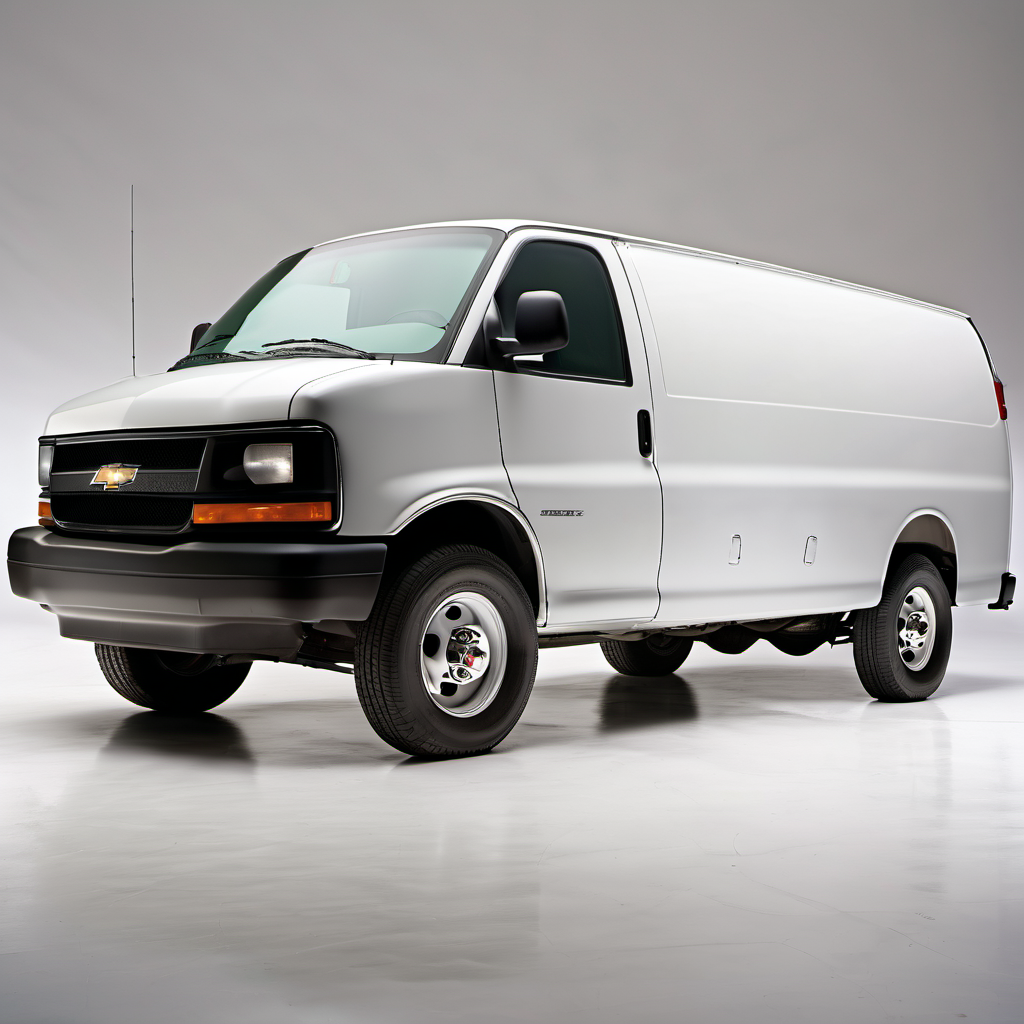
Essentially the same vehicle — shared GM platform, same engines, same parts. Often priced identically and completely interchangeable for most mechanical purposes.
Ford's equivalent heavy-duty full-size cargo van. Similar payload, similar age-related issues, strong parts availability. Often preferred by tradespeople for different cab ergonomics.
No catalog match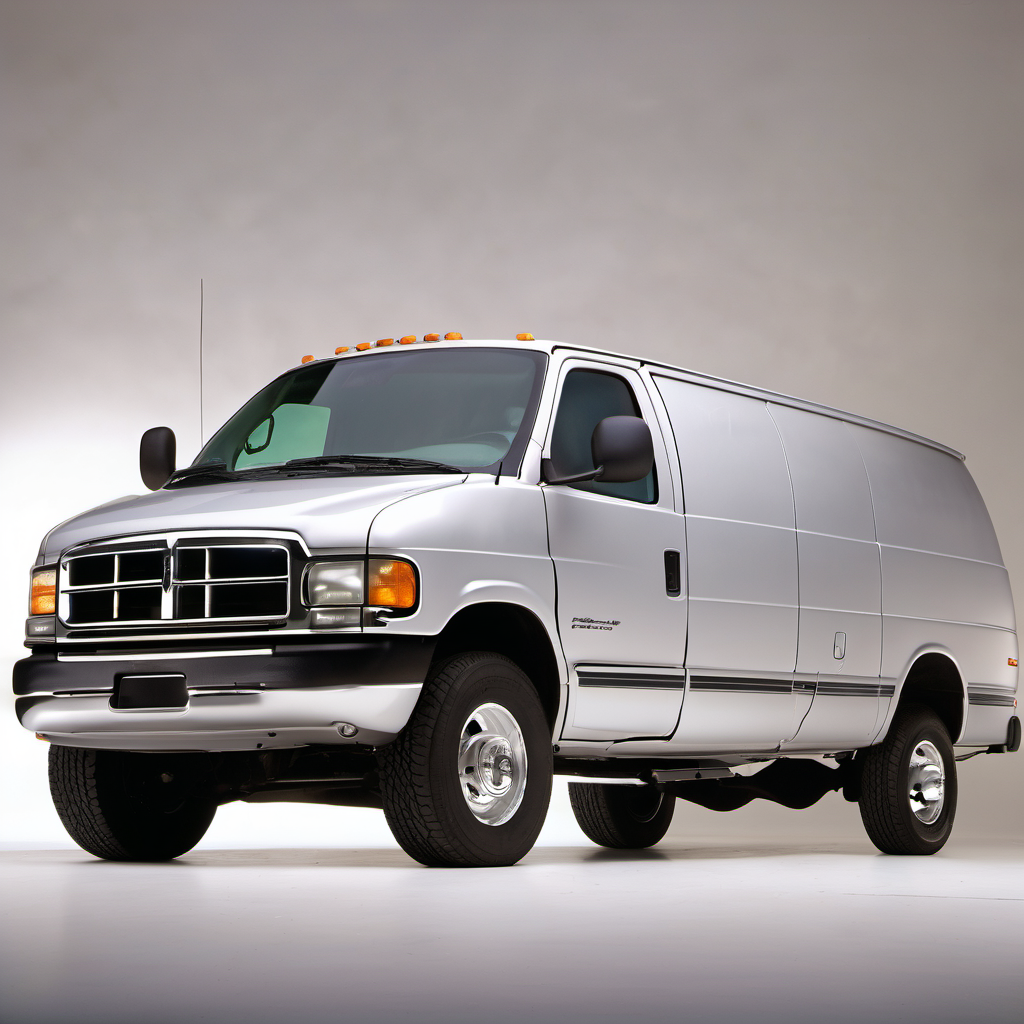
Chrysler's full-size 3500 cargo van from the same era. Comparable capacity, though the platform was older and parts are somewhat harder to source than GM or Ford.
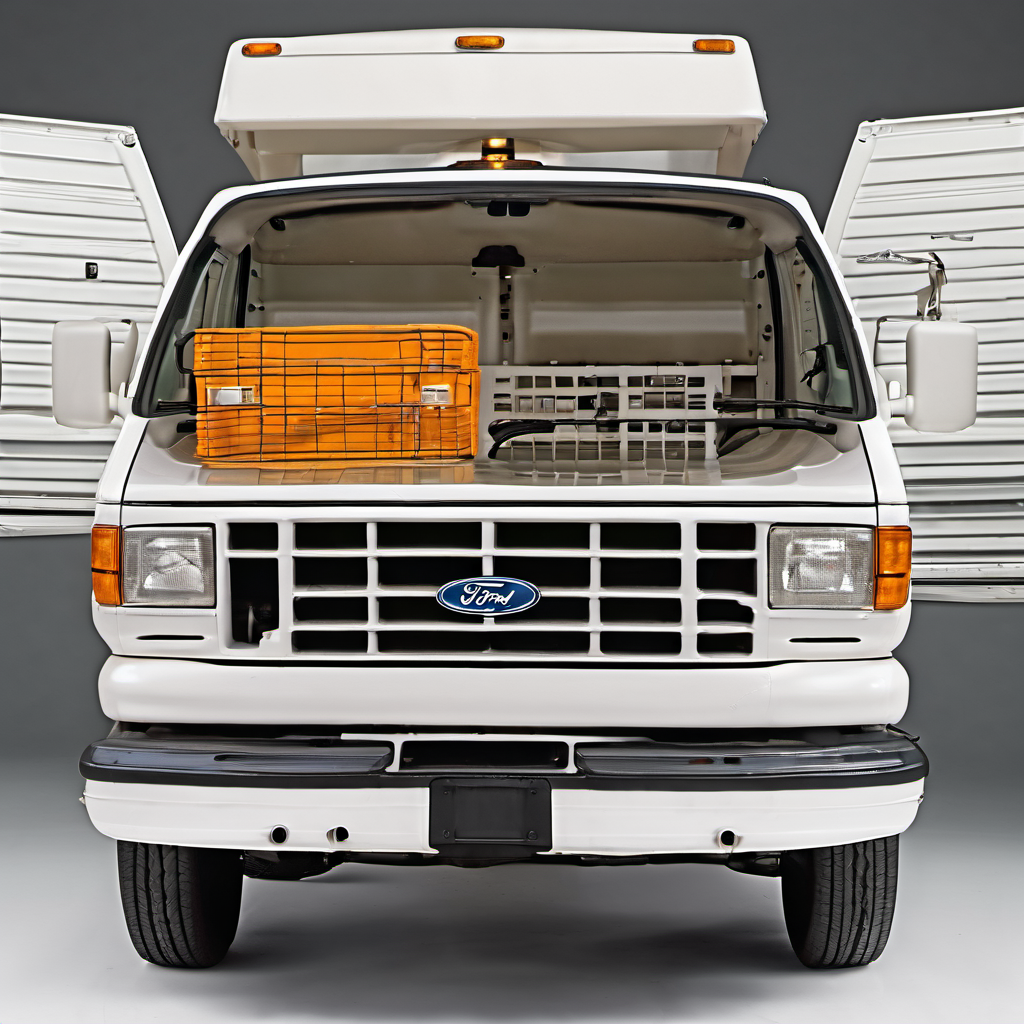
Step down in payload but similar mission; worth comparing if max GVWR isn't required, as the lighter platform can be easier to manage in parking and urban routes.