Instrument Cluster Gauge Failures (Stepper Motors)
high- Typically appears
- 60–150k mi
- Estimated repair
- $150 – $400
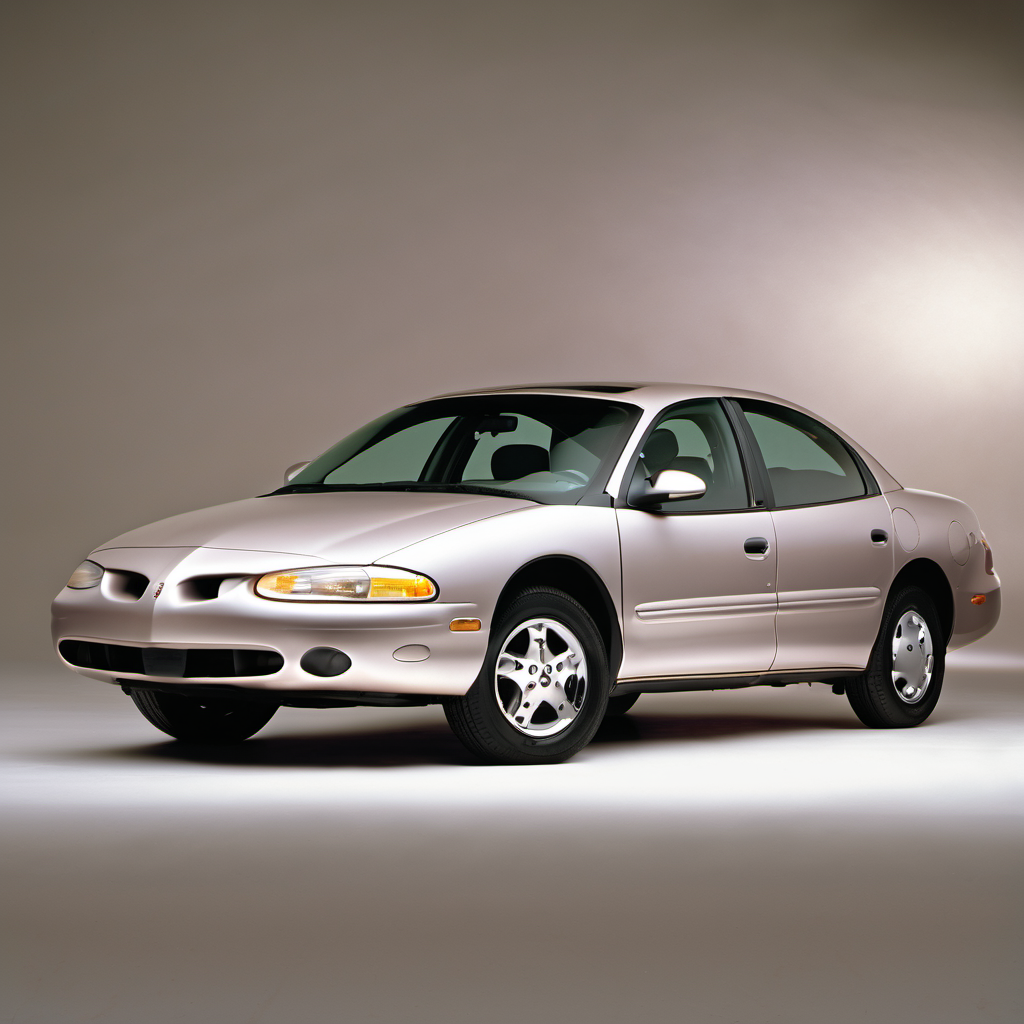
1999 Oldsmobile
Sedan
The 1999 Oldsmobile Alero was a brand-new nameplate for GM that year, replacing the Achieva as Oldsmobile's compact entry. Built on the N-body platform shared with the Pontiac Grand Am and Chevy Malibu, the Alero was positioned as a sportier, more refined compact sedan or coupe at an approachable price. It came standard with the 2.4L Twin Cam four-cylinder, with an optional 3.4L V6 for buyers wanting more power. The Alero arrived with decent styling for its era and offered more interior refinement than the Achieva it replaced, but it inherited many of the reliability quirks common to GM's N-body cars. It sold reasonably well through its run but was discontinued in 2004 when GM shut down the Oldsmobile brand entirely. For buyers in the upper Midwest today, a 1999 Alero is a high-mileage, 25-year-old compact. Parts availability is adequate but shrinking. These cars have a specific set of known failure points — particularly the instrument cluster and intake gaskets — that any prospective owner needs to evaluate before purchase.
The 1999 Oldsmobile Alero was a brand-new nameplate for GM that year, replacing the Achieva as Oldsmobile's compact entry. Built on the N-body platform shared with the Pontiac Grand Am and Chevy Malibu, the Alero was positioned as a sportier, more refined compact sedan or coupe at an approachable price. It came standard with the 2.4L Twin Cam four-cylinder, with an optional 3.4L V6 for buyers wanting more power. The Alero arrived with decent styling for its era and offered more interior refinement than the Achieva it replaced, but it inherited many of the reliability quirks common to GM's N-body cars. It sold reasonably well through its run but was discontinued in 2004 when GM shut down the Oldsmobile brand entirely. For buyers in the upper Midwest today, a 1999 Alero is a high-mileage, 25-year-old compact. Parts availability is adequate but shrinking. These cars have a specific set of known failure points — particularly the instrument cluster and intake gaskets — that any prospective owner needs to evaluate before purchase.
The 2.4L is prone to lower intake gasket leaks that introduce coolant into oil. Catching it early prevents a cheap gasket job from becoming a ruined engine.
Milky or foamy oil is an early warning sign of the intake gasket failure pattern. Catch it here, not at the side of the road.
Wisconsin road salt aggressively corrodes the steel brake lines on N-body cars. A sudden brake line failure is a safety emergency. Find it on a lift, not during an emergency stop.
Sub-zero Lake Geneva winters demand a strong battery. A battery that starts the car fine in October may fail in January. Load test catches weak batteries before they leave you stranded.
Aged rubber cracks faster in extreme cold. A broken serpentine belt disables the alternator, power steering, and water pump simultaneously.
The 2.4L Twin Cam is picky about ignition quality. Worn plugs or cracked wires cause misfires that can be misdiagnosed as more expensive problems.
Road salt is the primary killer of 25-year-old N-body cars in Wisconsin. Flushing wheel wells, subframe pockets, and rocker panels extends structural life significantly.
Standard summer washer fluid freezes in the reservoir, lines, and nozzles. A frozen nozzle in a Wisconsin snowstorm is a visibility emergency.
Always defer to the manufacturer's service manual for warranty-mandated intervals.
The Alero is cheap to buy and cheap to insure, but maintenance costs can spike unpredictably. Routine upkeep is affordable — oil, plugs, filters — but the known failure points (intake gaskets, instrument cluster, brake lines) can each run several hundred dollars when they hit. Budget on the higher end if the car's service history is unknown or incomplete. A surprise coolant-in-oil repair on a car worth $1,500–$2,500 forces a hard keep-vs-repair decision.
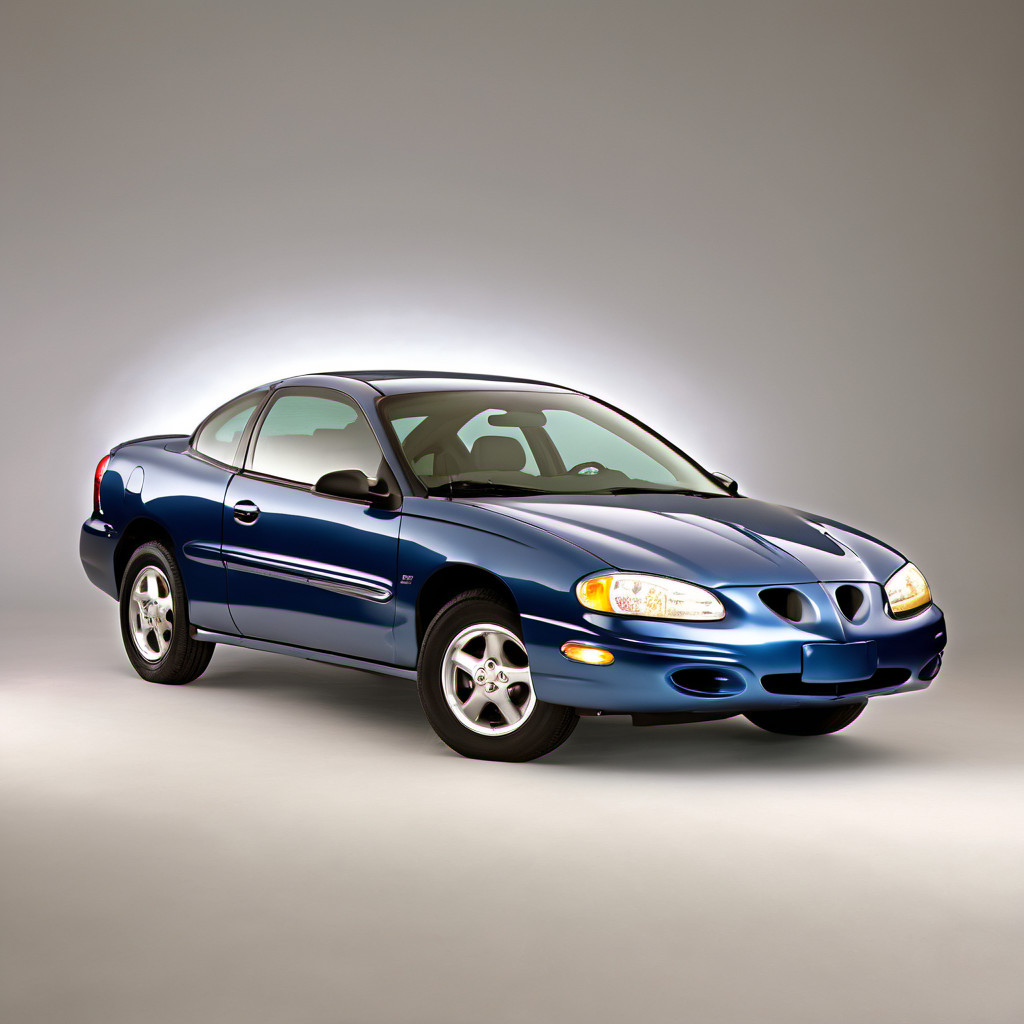
Same N-body platform, nearly identical mechanicals and known failure points — essentially a rebadged sibling. Parts interchangeability is very high, making Grand Am a direct cross-shop with often lower asking prices.
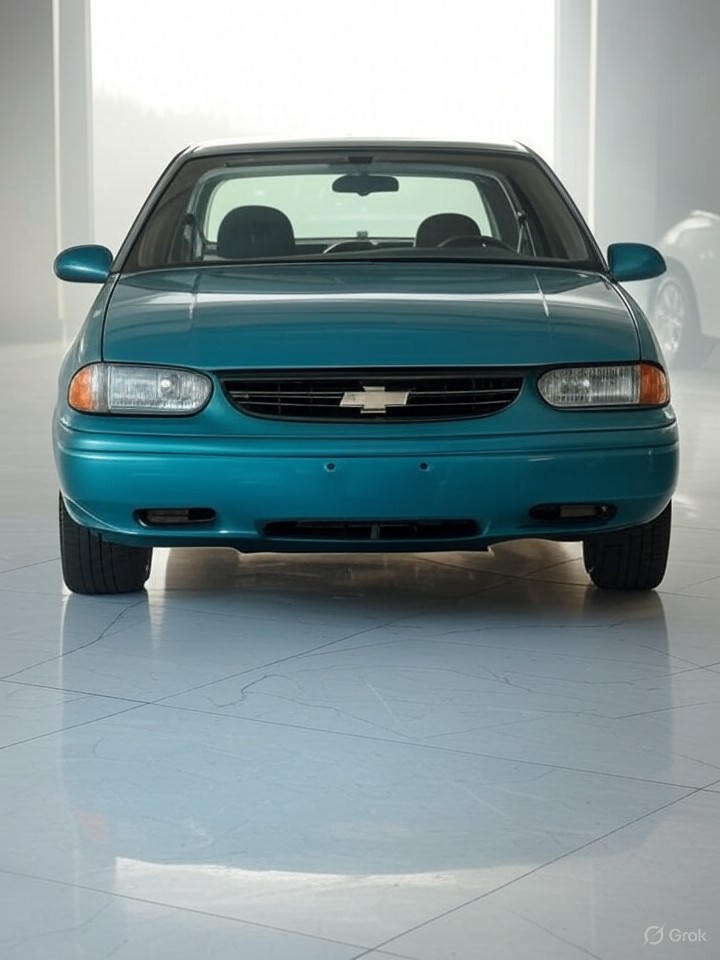
Also N-body derived, similar engine options and price point. Generally considered slightly more reliable long-term than the Alero and Grand Am due to minor differences in trim and use patterns.
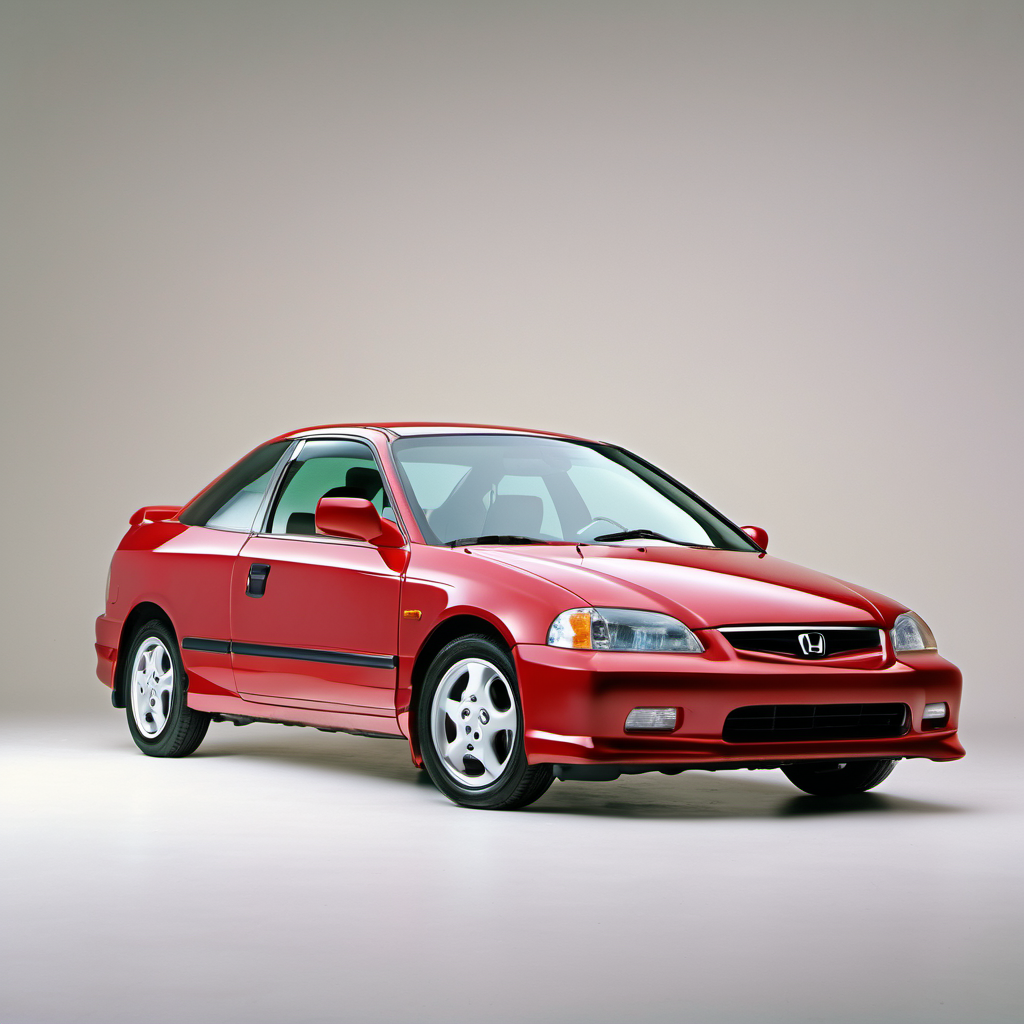
Same compact segment and price tier on the used market. Significantly better long-term reliability and rust resistance; worth the premium asking price if a low-drama daily driver is the goal.
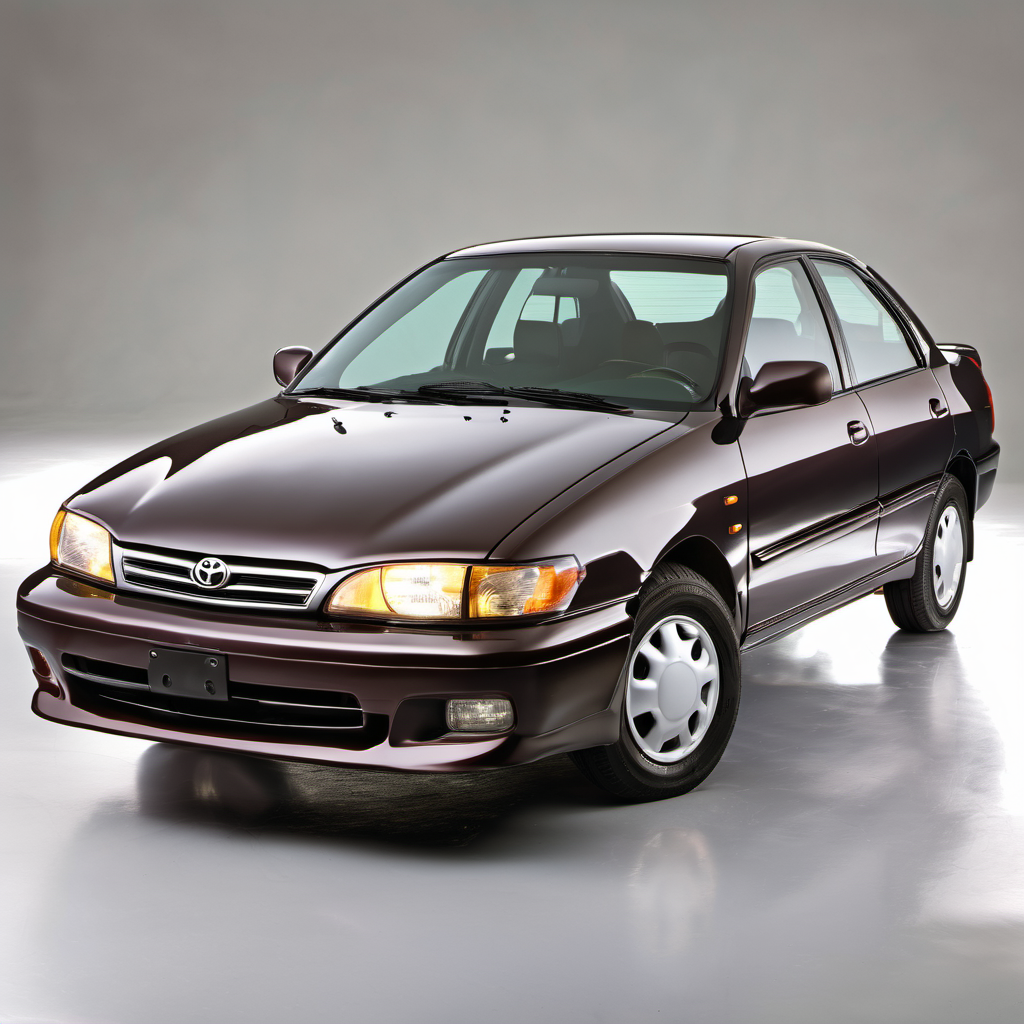
Direct compact sedan competitor at similar original price. Far stronger reliability record and better parts longevity; a smarter buy for someone who wants to keep the car another five or more years.