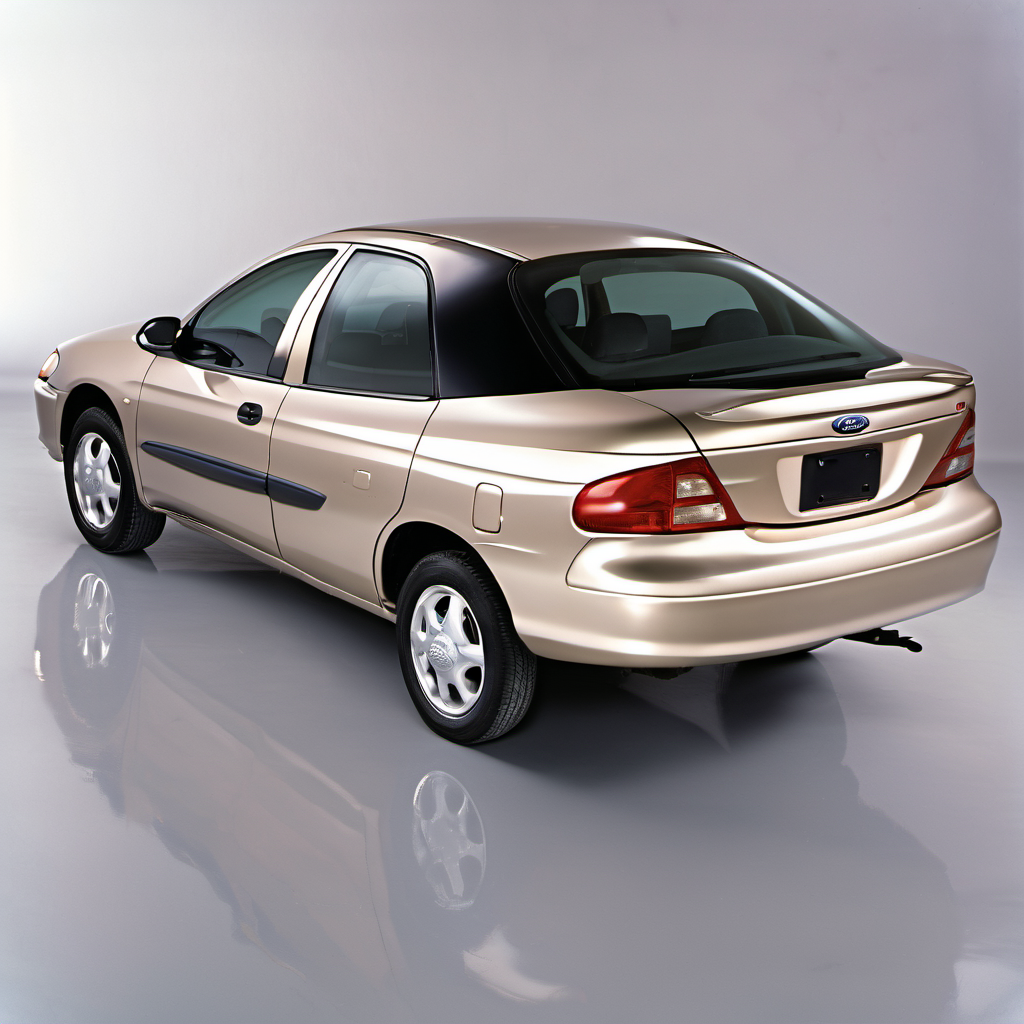
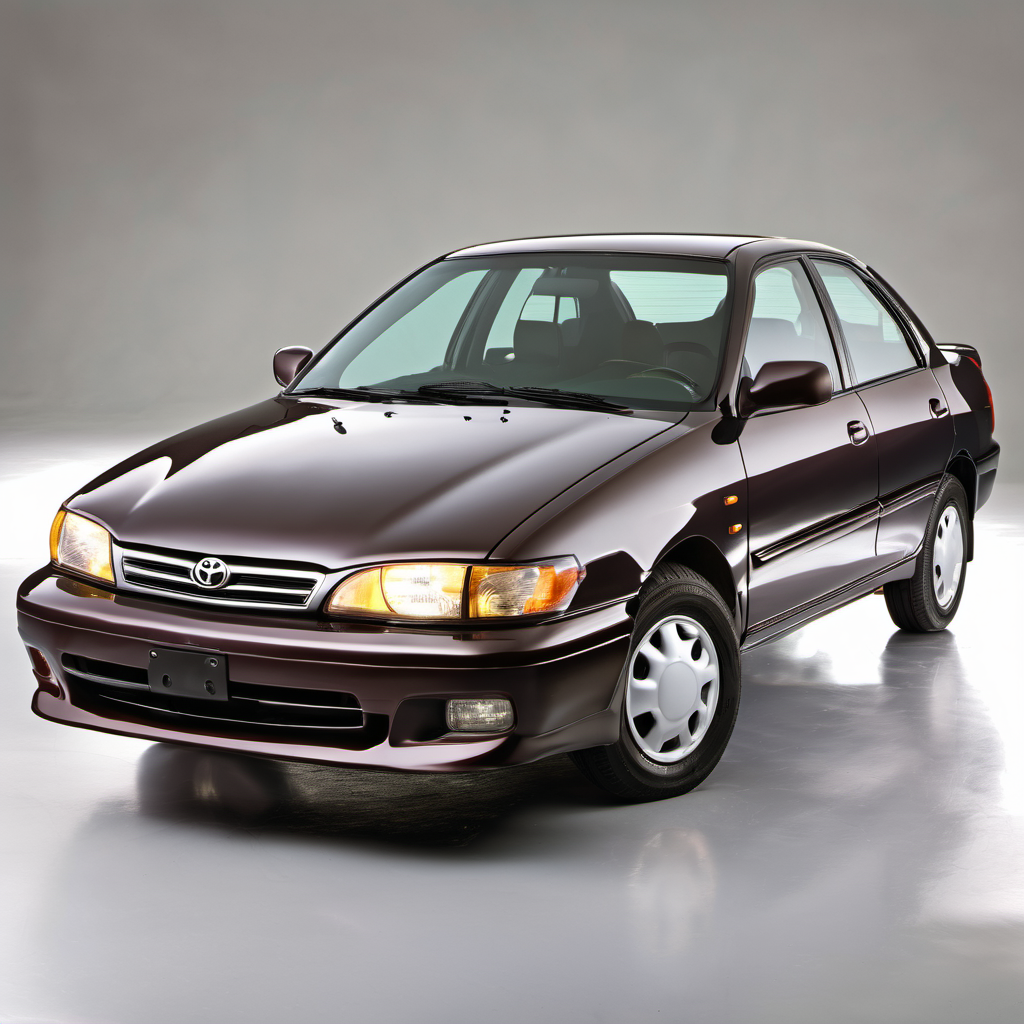
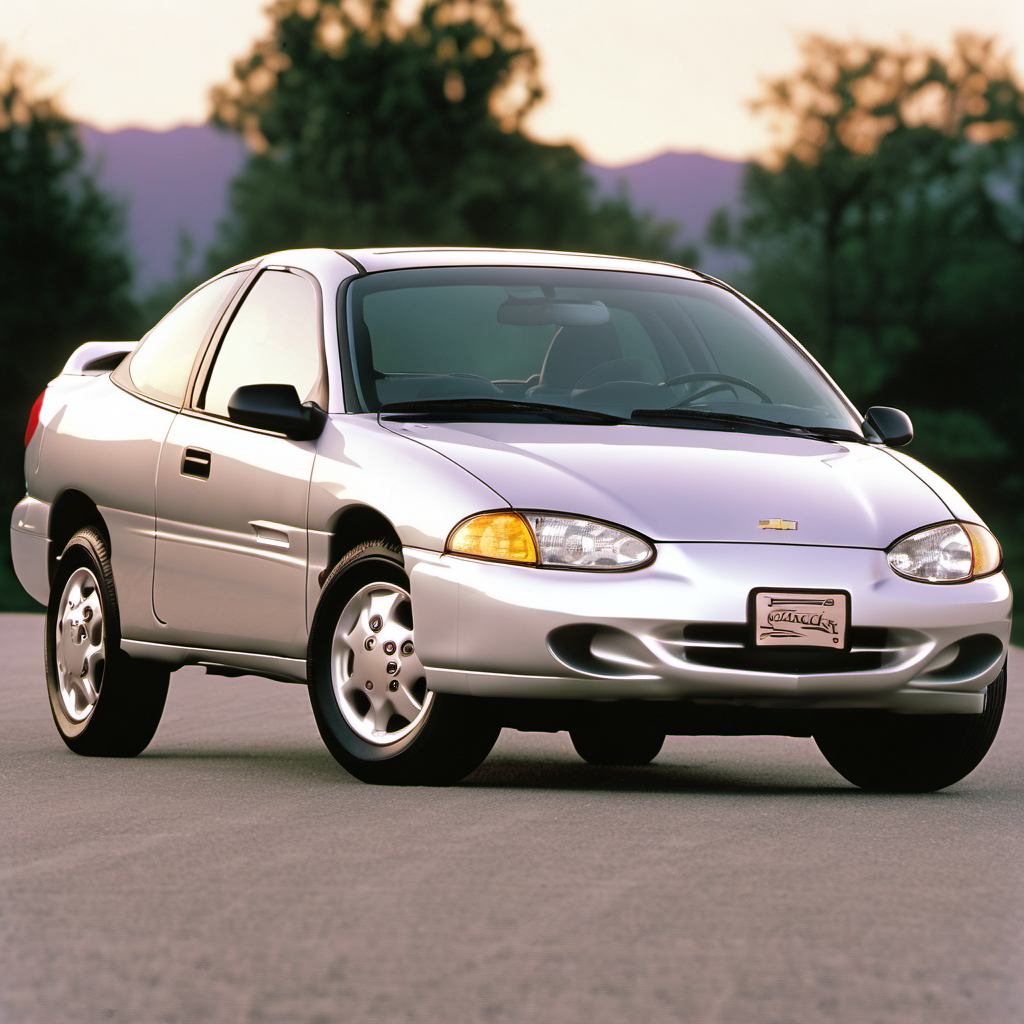
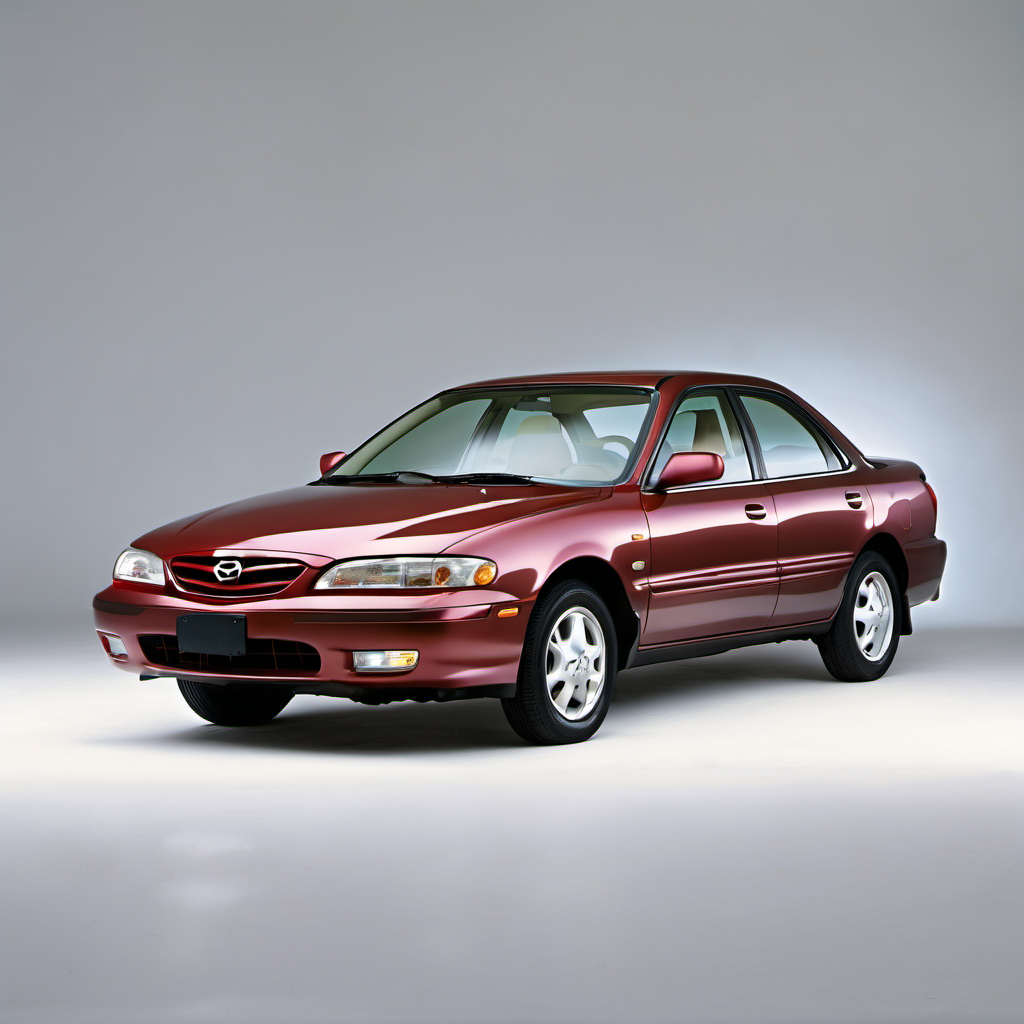
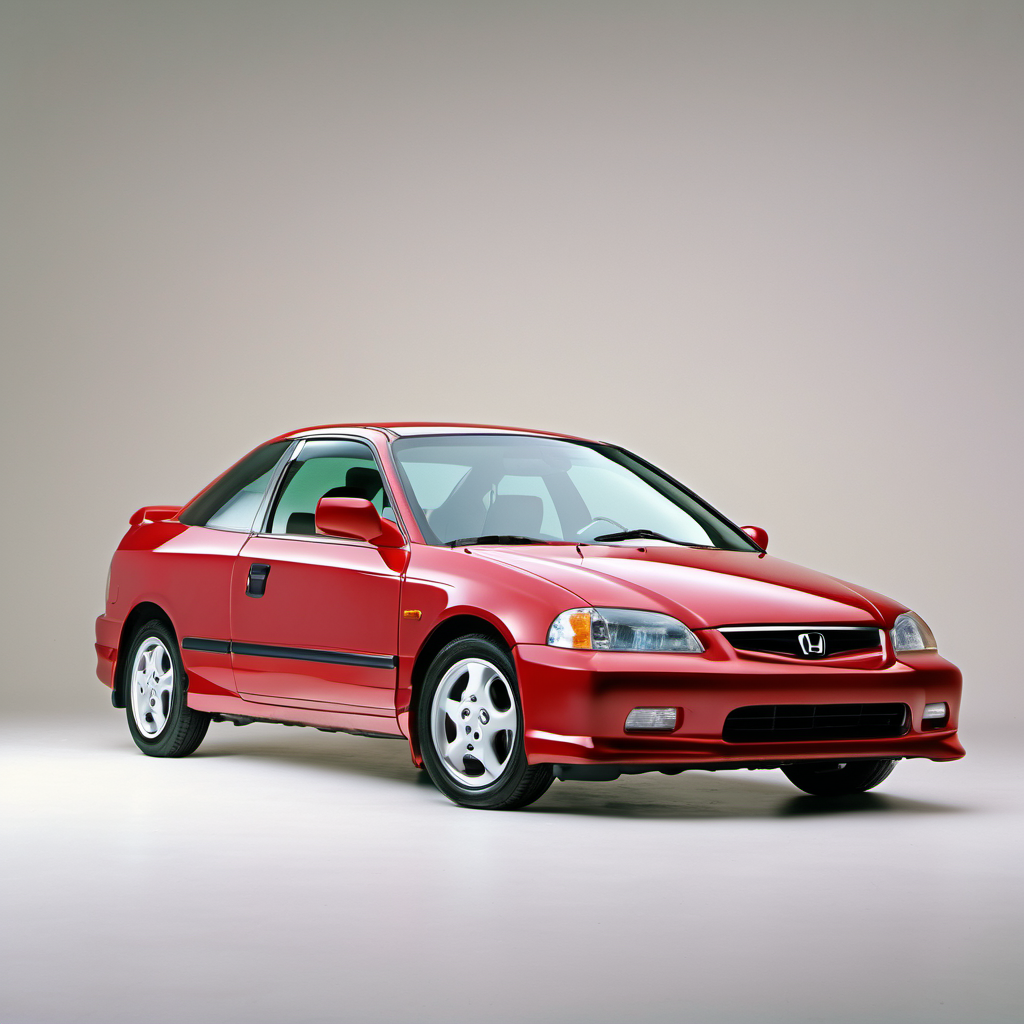
1999 Ford Contour Sedan

1999 Ford

ContourSedan

Sedan

The 1999 Ford Contour is a front-wheel-drive compact sedan sold in the US from 1995 through 2000. It was Ford's replacement for the Tempo and shared its platform with the European Ford Mondeo — a pedigree that gave it better handling than most American compacts of the era, but also introduced some European-style maintenance complexity that caught many owners off guard. By 1999 the Contour was in its second generation (1998–2000 refresh), available with either a 2.0L Zetec four-cylinder or the optional 2.5L Duratec V6. The base four-cylinder car is reasonably economical and adequate for daily driving, but parts availability has thinned considerably as the model aged out of dealer and chain-parts-store inventory. At 25+ years old, any surviving Contour is likely a high-mileage car or a project. Rust is a serious concern for Wisconsin examples — the Contour's unibody and rocker panels are notorious for corrosion in salt-belt states. Buy with eyes wide open and a full inspection.

Reliability
2/5
Verified data
Specs shown for Contour — the most common configuration. Other trims may vary in engine, drivetrain, or fuel economy. Sign in to see your vehicle's exact specs.
Engine
[object Object]
Drivetrain
FWD
Fuel
Gasoline
MPG
20 city / 28 hwy / 23 combined
Seats
Doors
Body
Compact Cars

Overview

AI-curated

The 1999 Ford Contour is a front-wheel-drive compact sedan sold in the US from 1995 through 2000. It was Ford's replacement for the Tempo and shared its platform with the European Ford Mondeo — a pedigree that gave it better handling than most American compacts of the era, but also introduced some European-style maintenance complexity that caught many owners off guard. By 1999 the Contour was in its second generation (1998–2000 refresh), available with either a 2.0L Zetec four-cylinder or the optional 2.5L Duratec V6. The base four-cylinder car is reasonably economical and adequate for daily driving, but parts availability has thinned considerably as the model aged out of dealer and chain-parts-store inventory. At 25+ years old, any surviving Contour is likely a high-mileage car or a project. Rust is a serious concern for Wisconsin examples — the Contour's unibody and rocker panels are notorious for corrosion in salt-belt states. Buy with eyes wide open and a full inspection.

Known for
  • European-influenced handling and chassis feel for a US compact
  • Mondeo-derived platform with more sophistication than domestic rivals
  • Optional 2.5L V6 SVT variant with strong performance credentials
  • Thin parts availability as a discontinued 25-year-old model
Best for
  • Budget-minded drivers comfortable with older car maintenance
  • Someone who needs cheap A-to-B transportation and can wrench
  • Collectors interested in the SVT Contour variant
Watch for
  • Severe rocker panel and floorboard rust on salt-belt examples
  • Cooling system failures — the 2.0L Zetec runs warm and hates neglect
  • Timing belt neglect (interference engine — belt failure destroys the engine)
  • Scarce OEM and quality aftermarket parts for this discontinued model
  • Electrical gremlins common on high-mileage examples

Common issues by mileage

6 known

Timing belt failure (interference engine)

high
Typically appears
60–150k mi
Estimated repair
$400 – $750

Cooling system failure — thermostat housing, water pump, hoses

high
Typically appears
80–150k mi
Estimated repair
$200 – $600

Rocker panel and floorboard rust (salt-belt critical)

high
Typically appears
Any mileage on salt-exposed examples
Estimated repair
$500 – $3,000

Oxygen sensor / heater circuit failure

medium
Typically appears
80–150k mi
Estimated repair
$150 – $350

Automatic transmission slipping or harsh shifts

medium
Typically appears
100–150k mi
Estimated repair
$800 – $2,500

Electrical gremlins — connectors, grounds, and sensor circuits

medium
Typically appears
100k+ mi
Estimated repair
$100 – $600

Maintenance schedule

  1. 1
    Every 60,000 miles or 5 years, whichever comes first Timing belt and water pump replacement

    The 2.0L Zetec is an interference engine — if the belt snaps, pistons meet valves and the engine is destroyed. Always replace the water pump at the same time since it's driven by the same belt and labor overlaps heavily.

  2. 2
    Every 2 years / 30,000 miles Coolant flush and cooling system inspection

    The Contour's cooling system is a known weak point. Fresh coolant maintains proper pH and protects the aluminum components. Inspect hoses, thermostat housing, and radiator cap at each service.

  3. 3
    Every 30,000 miles Transmission fluid change

    Ford's 'lifetime' fluid guidance doesn't hold up on high-mileage examples. Fresh fluid extends transmission life noticeably on these cars.

  4. 4
    Every 2 years Brake fluid flush

    Brake fluid absorbs moisture over time, lowering boiling point and accelerating corrosion inside calipers and lines — especially important in Wisconsin's wet winters.

  5. 5
    Every fall before winter Underbody rust inspection and treatment

    Salt exposure is this car's single biggest long-term threat. Inspect rocker panels, frame rails, floor pans, and brake lines each fall. Apply undercoating or rust inhibitor to bare metal before the salting season begins.

  6. 6
    Every 30,000 miles Spark plugs and ignition wires

    Worn plugs and cracked wires cause misfires, poor fuel economy, and can stress the catalytic converter on an already aging emissions system.

  7. 7
    Every fall Battery load test

    Cold cranking amps drop sharply below freezing. A battery that seems fine in summer can leave you stranded at -10°F in Lake Geneva. Any battery over 4 years old should be load-tested before winter.

  8. 8
    Every year Brake line inspection

    Steel brake lines on salt-exposed Contours are prone to external corrosion and pinhole leaks. A failed brake line is a safety emergency — catch it during routine service.

Always defer to the manufacturer's service manual for warranty-mandated intervals.

Cost of ownership

Annual maintenance
$600 – $1,800
Fuel
At 23 MPG combined and average Wisconsin driving, expect roughly $1,400–$1,700/year at current gas prices depending on your commute.
Insurance
Typically very low — older low-value compact. Liability-only coverage common on cars this age.

On paper this is a cheap car to own — low insurance, modest fuel costs, and low purchase price. In practice, a 25-year-old Contour can surprise you with rust repair, cooling system work, and timing belt service all hitting close together. Budget on the higher end of the maintenance range if the car's history is unknown. Parts availability is the hidden cost: some components require dealer ordering, online sourcing, or salvage yard hunting, which adds time and sometimes premium pricing.
Seasonal care

Lake Geneva, WI
Winter
  • Load-test the battery every fall — the 2.0L Zetec needs strong cranking amps in sub-zero temps and this car's electrical system doesn't forgive a weak battery.
  • Switch to a full-synthetic 5W-30 oil if not already running it — conventional oil thickens in extreme cold and slows lubrication at startup.
  • Inspect and flush brake lines for corrosion before winter — salt accelerates pinhole leaks in aging steel lines.
  • Use a winter-rated washer fluid rated to at least -20°F. The reservoir and lines can freeze with summer fluid still in them.
  • Check that all door and trunk seals are supple — cracked seals let in moisture that pools and accelerates the floor pan rust this model is prone to.
  • Rinse the undercarriage regularly after snow events to remove road salt, paying special attention to the rockers and wheel wells.
Summer
  • Monitor the temperature gauge closely — the cooling system is a chronic weak point and summer heat will expose any marginal components quickly.
  • Check tire pressure monthly — pressure drops about 1 PSI for every 10°F change, so summer heat can push tires over the limit set for cooler weather.
  • Inspect the A/C system for refrigerant leaks; the system is old enough that seals and o-rings are common leak points.
  • Park in shade when possible — the interior plastics and dashboard on a 25-year-old car are brittle and UV exposure accelerates cracking.

Comparable vehicles

If you're shopping for one

Red flags
  • Any rust perforation on rockers or floor — structural integrity may be compromised and repair costs can exceed the car's value
  • No documented timing belt history — an overdue belt on an interference engine is a ticking clock
  • Overheating history or coolant-in-oil signs — these engines don't survive head gasket failures cheaply
  • Transmission that slips, shudders, or won't engage smoothly — rebuilds cost more than most of these cars are worth
  • Check engine light with multiple stored codes, especially combined powertrain and network codes — indicates deferred maintenance or wiring deterioration
What to inspect
  • Rocker panels and floor pans — poke with a screwdriver to check for rust perforation, not just surface rust
  • Brake lines along the undercarriage for external corrosion and swelling
  • Timing belt service history — if unknown, budget immediately for replacement before driving
  • Coolant condition and level; look for milky oil or white exhaust (head gasket warning signs)
  • Transmission behavior — smooth upshifts at all throttle levels, no slipping or hunting
  • All four corners of the cooling system: hoses, clamps, thermostat housing, and radiator for leaks or seepage
AI profile generated 3 days ago · claude-sonnet-4-6 · v2.