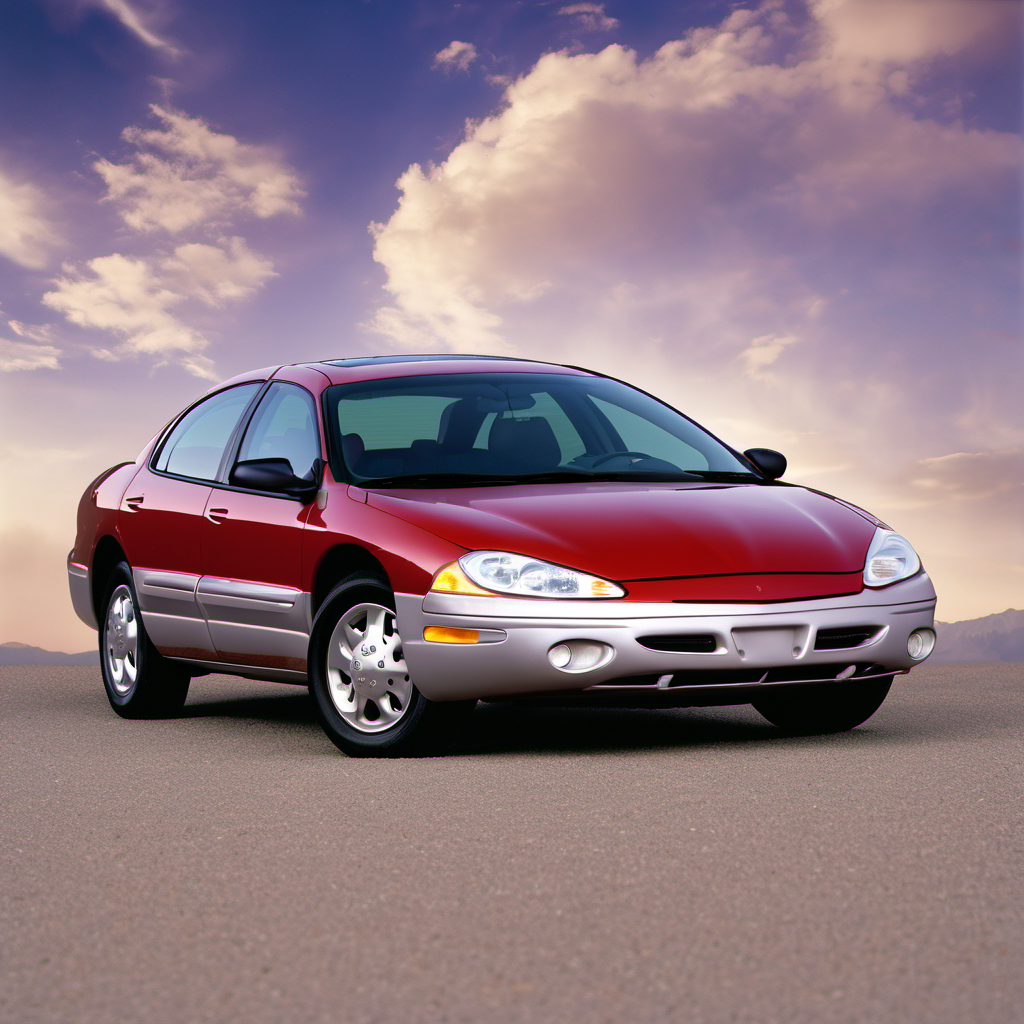
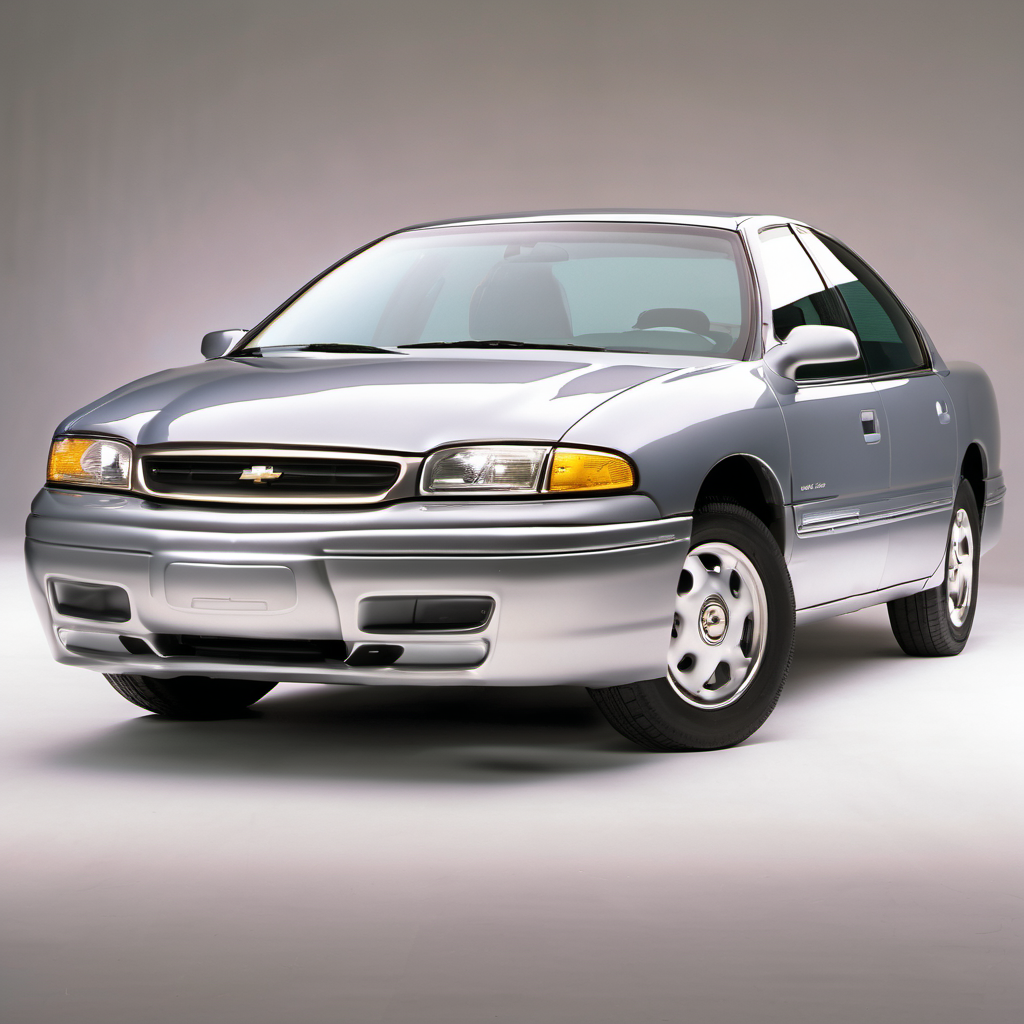
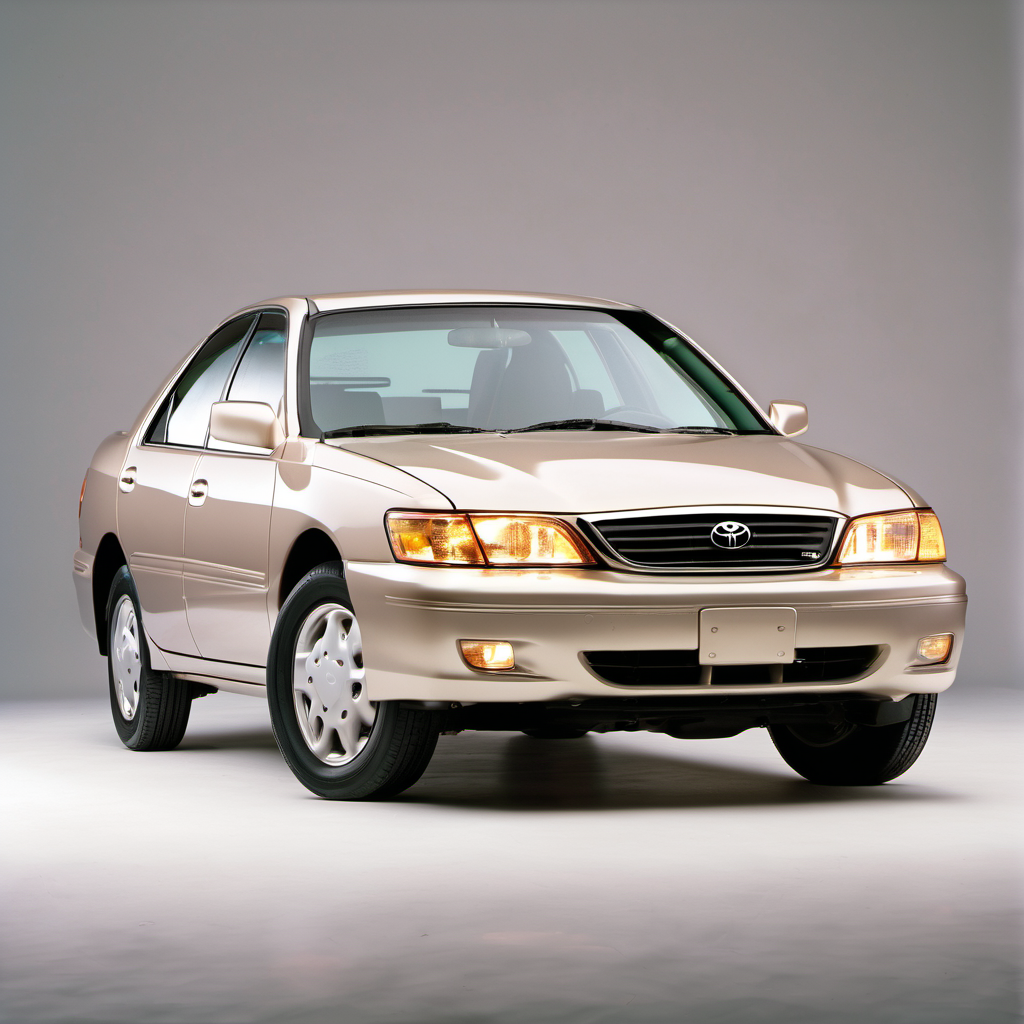
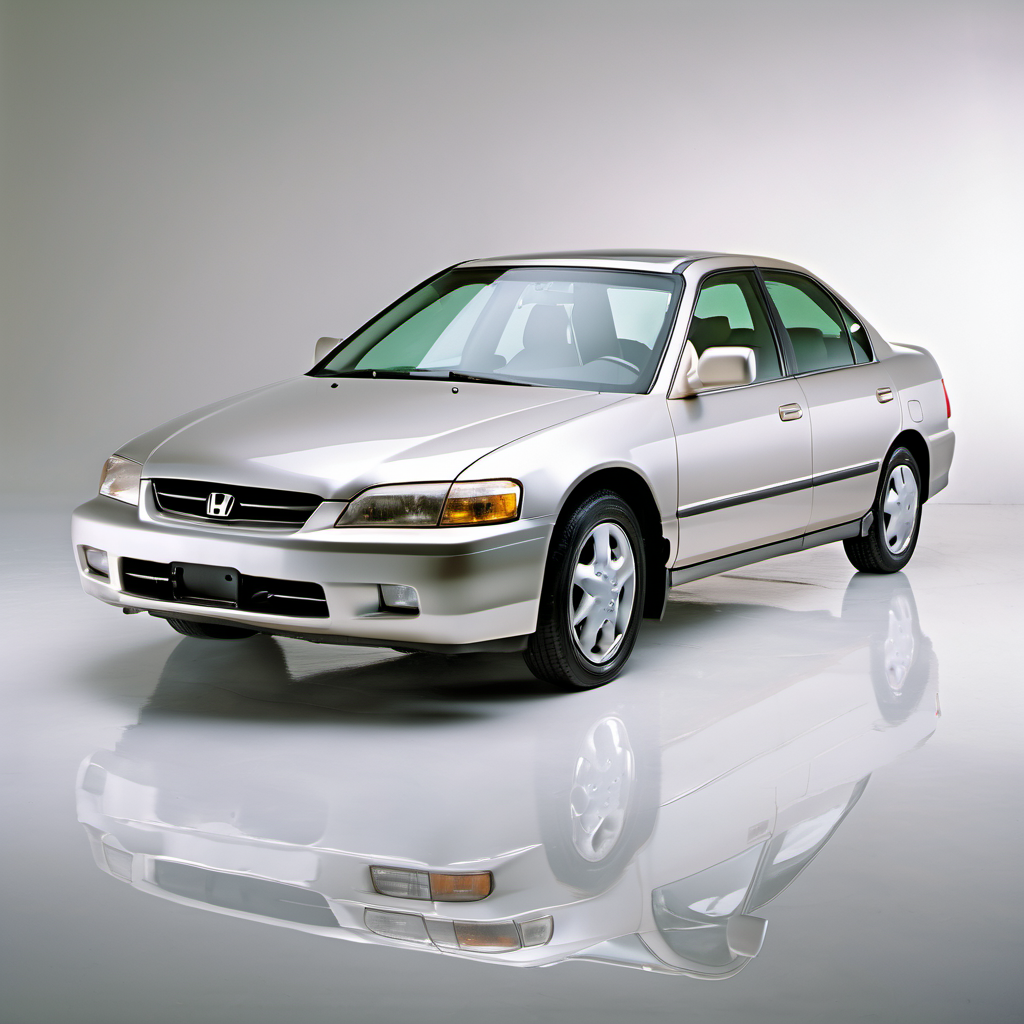
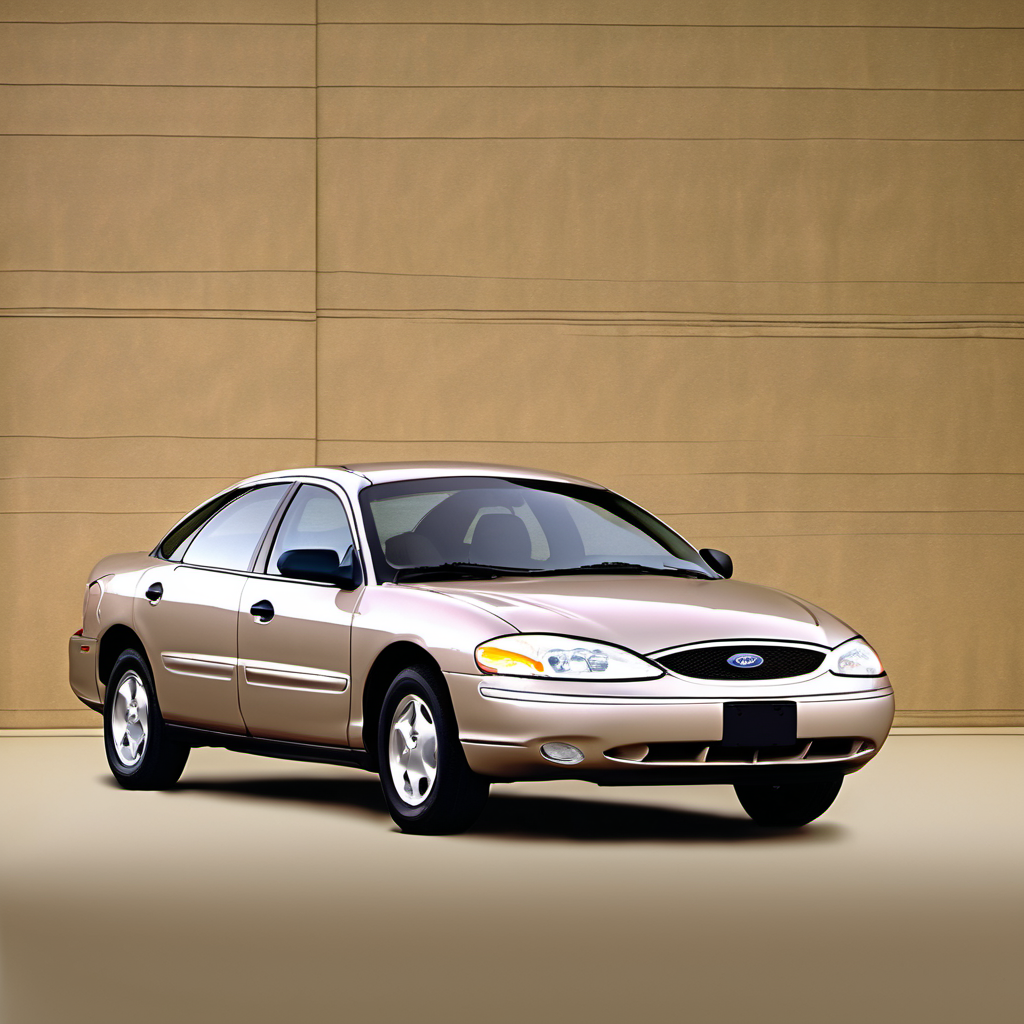
1999 Dodge Intrepid Sedan

1999 Dodge

IntrepidSedan

Sedan

The 1999 Dodge Intrepid is a full-size front-wheel-drive sedan built on Chrysler's LH platform. It was Dodge's flagship family car of the era, offering a roomy interior, a low drag coefficient, and a relatively smooth ride for its class. The second-generation redesign had just landed for 1998, so the '99 is an early example of that refresh — more refined than its predecessor but still carrying some growing pains. The 2.7L V6 that came standard was Chrysler's new all-aluminum engine. On paper it looked modern, but in practice it developed a serious reputation for sludge buildup and oil-related failures when owners stretched oil change intervals or used low-quality oil. This single issue defines ownership of a high-mileage 2.7L Intrepid more than anything else. As a used buy today, these cars are getting old enough that the survivors have either been well cared for or have already been through major repairs. Budget buyers looking for a large, comfortable sedan can find value here — but only if the engine maintenance history is solid and the cooling system has been addressed.

Reliability
2/5
Verified data
Specs shown for Intrepid — the most common configuration. Other trims may vary in engine, drivetrain, or fuel economy. Sign in to see your vehicle's exact specs.
Engine
[object Object]
Drivetrain
FWD
Fuel
Gasoline
MPG
18 city / 28 hwy / 22 combined
Seats
Doors
Body
Large Cars

Overview

AI-curated

The 1999 Dodge Intrepid is a full-size front-wheel-drive sedan built on Chrysler's LH platform. It was Dodge's flagship family car of the era, offering a roomy interior, a low drag coefficient, and a relatively smooth ride for its class. The second-generation redesign had just landed for 1998, so the '99 is an early example of that refresh — more refined than its predecessor but still carrying some growing pains. The 2.7L V6 that came standard was Chrysler's new all-aluminum engine. On paper it looked modern, but in practice it developed a serious reputation for sludge buildup and oil-related failures when owners stretched oil change intervals or used low-quality oil. This single issue defines ownership of a high-mileage 2.7L Intrepid more than anything else. As a used buy today, these cars are getting old enough that the survivors have either been well cared for or have already been through major repairs. Budget buyers looking for a large, comfortable sedan can find value here — but only if the engine maintenance history is solid and the cooling system has been addressed.

Known for
  • Spacious, airy cabin with cab-forward design
  • Smooth highway ride for a late-'90s domestic sedan
  • 2.7L V6 notorious for oil sludge and premature failure
  • Good EPA fuel economy numbers for a full-size of its era
Best for
  • Budget-conscious buyers who can verify a clean oil-change history
  • Highway commuters who prioritize interior space
  • DIY-friendly owners comfortable with older Chrysler platforms
Watch for
  • 2.7L engine sludge — the number one killer of these cars
  • Cooling system failures leading to overheating and engine damage
  • Transmission reliability on high-mileage examples
  • Rust on the subframe, floor pans, and rocker panels — especially after Wisconsin winters

Common issues by mileage

6 known

2.7L Engine Oil Sludge / Bearing Failure

high
Typically appears
60–120k mi
Estimated repair
$1,800 – $5,500

Cooling System Failure (Water Pump, Thermostat Housing, Hoses)

high
Typically appears
70–130k mi
Estimated repair
$350 – $900

4-Speed Automatic Transmission Slipping / Solenoid Failure

medium
Typically appears
100–150k mi
Estimated repair
$800 – $2,800

Cam/Valve Timing Solenoid Circuit Faults

medium
Typically appears
80–130k mi
Estimated repair
$200 – $700

Oxygen Sensor / Heater Circuit Failure

medium
Typically appears
80–120k mi
Estimated repair
$150 – $400

Subframe and Underbody Rust (Wisconsin-specific)

high
Typically appears
Any mileage on road-salted cars
Estimated repair
$300 – $2,000

Maintenance schedule

  1. 1
    Every 3,000–4,000 miles — no exceptions on the 2.7L Engine oil and filter change

    The 2.7L's oiling passages are narrow and sludge quickly at longer intervals. This is the single most important thing you can do to keep this engine alive. Use a quality conventional or full-synthetic 5W-30 and do not stretch intervals.

  2. 2
    Every 2 years or 30,000 miles Coolant flush and cooling system inspection

    The water pump, thermostat housing, and hoses on these engines age badly. Overheating even once can accelerate sludge formation and cause head gasket issues. Keep the coolant fresh and inspect hoses annually.

  3. 3
    Every 30,000 miles Transmission fluid change

    Chrysler's 42LE transmission holds up better with fresh fluid. Neglected fluid leads to solenoid wear and slipping, especially on higher-mileage cars.

  4. 4
    Every 60,000 miles or at first sign of cracking Serpentine belt and tensioner inspection

    A snapped belt kills the water pump and alternator drive simultaneously. At 25+ years old, inspect annually even if mileage is low.

  5. 5
    Every 30,000 miles Spark plugs and ignition wires

    The 2.7L is sensitive to misfires, which can add unburned fuel to the oil — accelerating sludge. Keep the ignition system fresh.

  6. 6
    Every 2 years Brake fluid flush

    Moisture absorption in the brake fluid is accelerated by Wisconsin's humidity and temperature swings. Fresh fluid protects ABS components and calipers.

  7. 7
    Annually, before winter Underbody inspection and rust treatment

    Lake Geneva road salt is brutal on this era of Chrysler. Check subframe mounting points, rocker panels, and floor pans. Address surface rust before it becomes structural.

  8. 8
    Every fall / before first hard freeze Battery load test

    A battery that tests fine at 50°F can fail to start the car at -10°F. Wisconsin winters kill marginal batteries fast — test proactively.

Always defer to the manufacturer's service manual for warranty-mandated intervals.

Cost of ownership

Annual maintenance
$600 – $1,800
Fuel
At 22 mpg combined and typical Lake Geneva driving, expect roughly $1,800–$2,400/year at current Wisconsin pump prices, depending on mix of city and highway use.
Insurance
Liability and comprehensive on a vehicle this age typically runs $600–$1,100/year in southeastern Wisconsin, depending on your coverage level and driving history.

On a well-maintained example, routine annual costs are manageable. The danger is the 2.7L engine — a single sludge-related failure can cost more than the car is worth. Budget a reserve for cooling system work and be conservative on oil changes. Any Intrepid with a questionable maintenance history should be priced accordingly.
Seasonal care

Lake Geneva, WI
Winter
  • Switch to 5W-30 full synthetic if not already — it flows faster at cold starts and reduces sludge risk during warm-up on sub-zero mornings.
  • Load-test the battery every fall. The 2.7L already stresses the charging system; a weak battery in January is a bad day.
  • Use a washer fluid rated to at least -20°F. Lake Geneva winters regularly hit those temps and standard fluid will freeze in the lines.
  • Inspect the undercarriage before and after winter for salt accumulation. Spray exposed metal surfaces to slow rust progression.
  • Check antifreeze concentration — it should be mixed to protect to at least -34°F. A cooling system failure in this engine at any temperature is serious.
  • Keep the gas tank at least half full to reduce condensation in the fuel system and add weight over the front-drive axle.
Summer
  • Monitor coolant temperature gauge closely in stop-and-go summer traffic — this engine does not tolerate overheating.
  • Check tire pressure monthly; summer heat causes pressure to rise, and the Intrepid's handling is already numb — overinflated tires make it worse.
  • Have the A/C refrigerant level and compressor clutch inspected. These systems are 25+ years old and leaks are common.
  • Inspect the radiator and condenser for bug debris and road grime blocking airflow — a partially blocked radiator puts extra stress on an engine already prone to overheating.

Comparable vehicles

If you're shopping for one

Red flags
  • No maintenance records or vague service history — walk away from a 2.7L with no oil change proof.
  • Oil filler cap or dipstick showing sludge, milky residue, or burnt smell.
  • Any history of overheating, even 'just once.'
  • Transmission that slips, hesitates, or clunks during a test drive.
  • Visible rust perforations on the rocker panels, subframe, or floor — structural rust at this age can be a total-loss repair.
  • Check engine light with cam timing or oil control codes (P0012, P0015, P0022, P0025) — these point directly to oil sludge damage.
What to inspect
  • Pull the oil dipstick and look for dark, thick, or gritty oil — sludge is a death sentence for this engine.
  • Remove the oil filler cap and look inside with a flashlight for sludge coating on the valve train.
  • Check for overheating history: inspect the coolant for oily residue or a burnt smell, and look for staining around the thermostat housing and hoses.
  • Warm the engine fully and watch the temperature gauge — it should stabilize in the normal range and stay there.
  • Test all transmission shift points. Hesitation, slipping between gears, or harsh 1-2 shifts signal a worn transmission.
  • Get under the car and inspect the subframe, rocker panels, and floor pans for rust perforation — particularly critical on any Wisconsin-titled vehicle.
  • Ask for oil change receipts. A car with documented 3,000–4,000 mile oil change intervals is the only safe buy in this engine family.
AI profile generated 3 days ago · claude-sonnet-4-6 · v2.