Timing belt failure (interference engine)
high- Typically appears
- 60–105k mi (and every 60k thereafter)
- Estimated repair
- $400 – $700
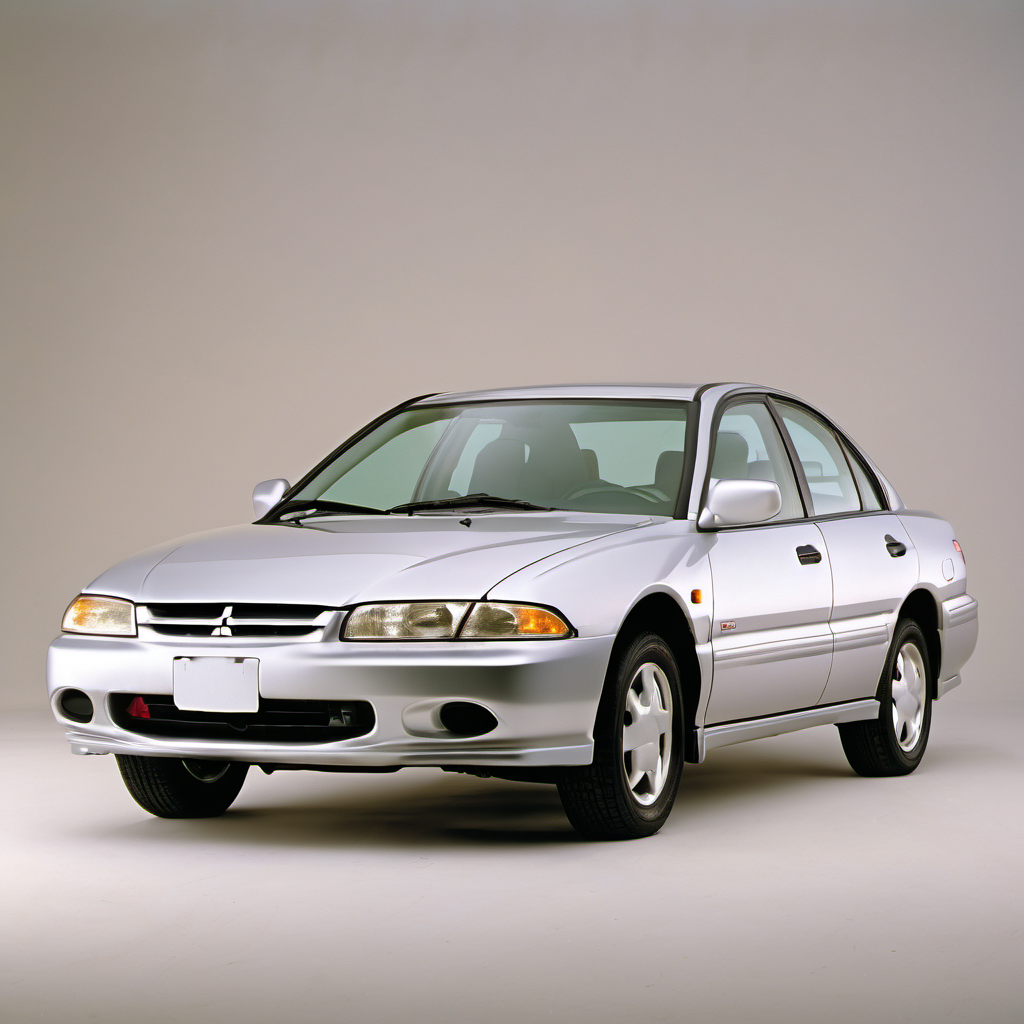
1998 Mitsubishi
Sedan
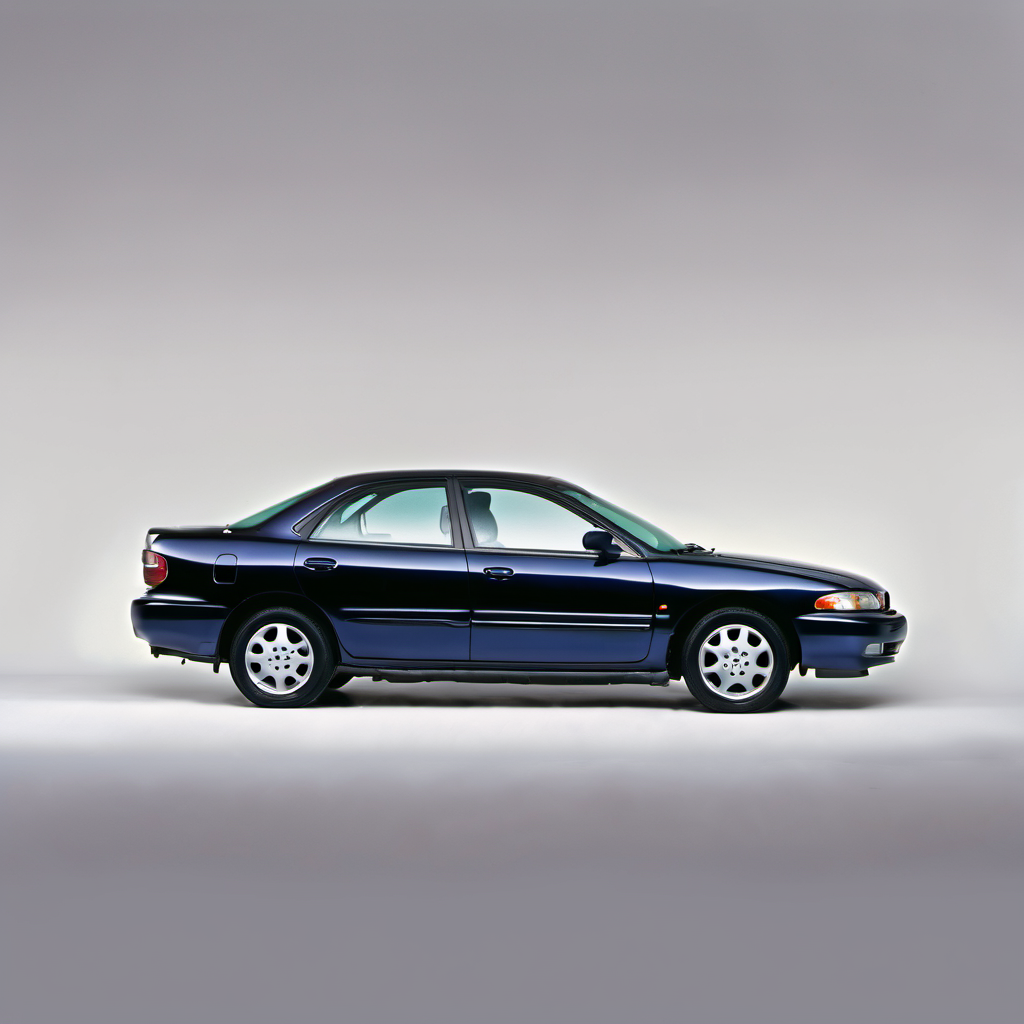
The 1998 Mitsubishi Galant is a front-wheel-drive midsize sedan that represented Mitsubishi's core family car during the late 1990s. This sixth-generation Galant arrived with a clean, rounded exterior, a reasonably comfortable interior, and a choice of four-cylinder engines — the 2.3L SOHC four being the volume seller in the US market. It competed squarely with the Honda Accord, Toyota Camry, and Nissan Altima of the era. On a day-to-day basis the Galant offers predictable, no-drama transportation. Ride quality is comfortable, the cabin is quiet for its class, and controls are straightforward. Performance is modest but adequate for commuting. The 4-speed automatic paired to the 2.3L is smooth but not particularly responsive when asked for passing power. At 25+ years old, any surviving example is a high-mileage used purchase. Parts availability has thinned compared to the Japanese Big Three, and the independent-shop knowledge base is narrower. That said, a well-maintained example with documented service history can still deliver reliable daily transportation at a very low acquisition cost.
The 1998 Mitsubishi Galant is a front-wheel-drive midsize sedan that represented Mitsubishi's core family car during the late 1990s. This sixth-generation Galant arrived with a clean, rounded exterior, a reasonably comfortable interior, and a choice of four-cylinder engines — the 2.3L SOHC four being the volume seller in the US market. It competed squarely with the Honda Accord, Toyota Camry, and Nissan Altima of the era. On a day-to-day basis the Galant offers predictable, no-drama transportation. Ride quality is comfortable, the cabin is quiet for its class, and controls are straightforward. Performance is modest but adequate for commuting. The 4-speed automatic paired to the 2.3L is smooth but not particularly responsive when asked for passing power. At 25+ years old, any surviving example is a high-mileage used purchase. Parts availability has thinned compared to the Japanese Big Three, and the independent-shop knowledge base is narrower. That said, a well-maintained example with documented service history can still deliver reliable daily transportation at a very low acquisition cost.
This is an interference engine. A snapped belt means bent valves and a destroyed cylinder head. At 25+ years old, replace immediately if history is unknown regardless of mileage.
The 4-speed automatic is sensitive to fluid degradation. Wrong fluid type or extended intervals accelerate clutch pack wear. Use only the correct spec fluid.
Old coolant loses its corrosion inhibitors and attacks the aluminum head and radiator. Thermostat failures are common at this age and cheap insurance to replace.
Original wires and plugs at this vehicle age will be well past useful life. Worn ignition components cause misfires and stress the catalytic converter.
Once a boot tears, grease escapes and water/grit destroy the joint quickly. Catching a torn boot early saves a full axle replacement.
Brake fluid is hygroscopic. Absorbed moisture lowers boiling point and corrodes calipers and wheel cylinders from the inside — common on vehicles this age.
Wisconsin road salt accelerates frame and floor pan corrosion. Catching rust early with coating or repair is far cheaper than structural damage.
A clogged PCV valve causes oil consumption and sludge buildup. Cheap preventive maintenance on a high-mileage engine.
Always defer to the manufacturer's service manual for warranty-mandated intervals.
The Galant's biggest ownership cost risk isn't routine maintenance — it's the unexpected: a transmission overhaul, a rust repair job, or a timing belt that wasn't changed on schedule. Budget conservatively. Routine maintenance at an independent shop is affordable, but hard-to-find parts can add cost and wait time. Total annual cost of ownership (maintenance + fuel, excluding insurance) for a well-kept example should run $2,000–$3,600. A neglected example can easily double that in the first year.
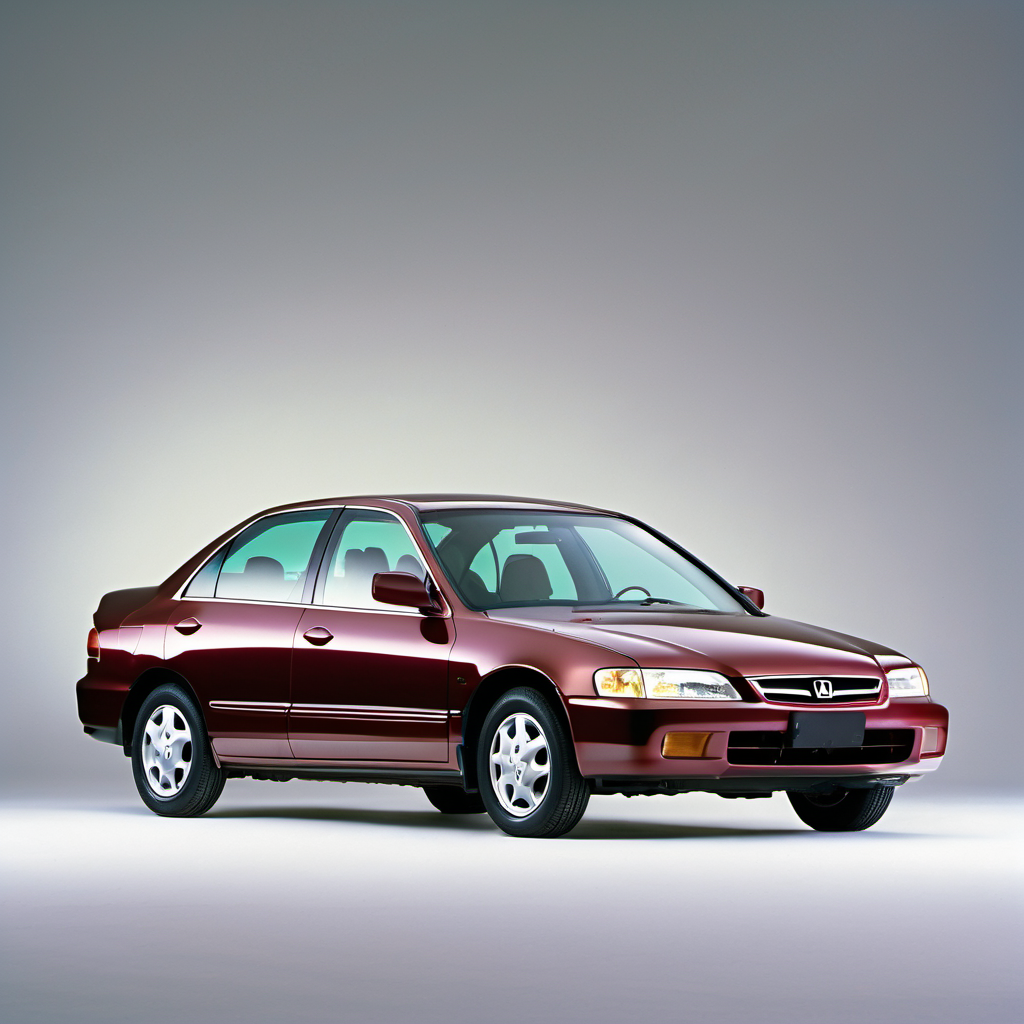
Same segment, similar price, significantly stronger long-term reliability record and much better parts availability. A better bet for longevity if you can find a clean one.
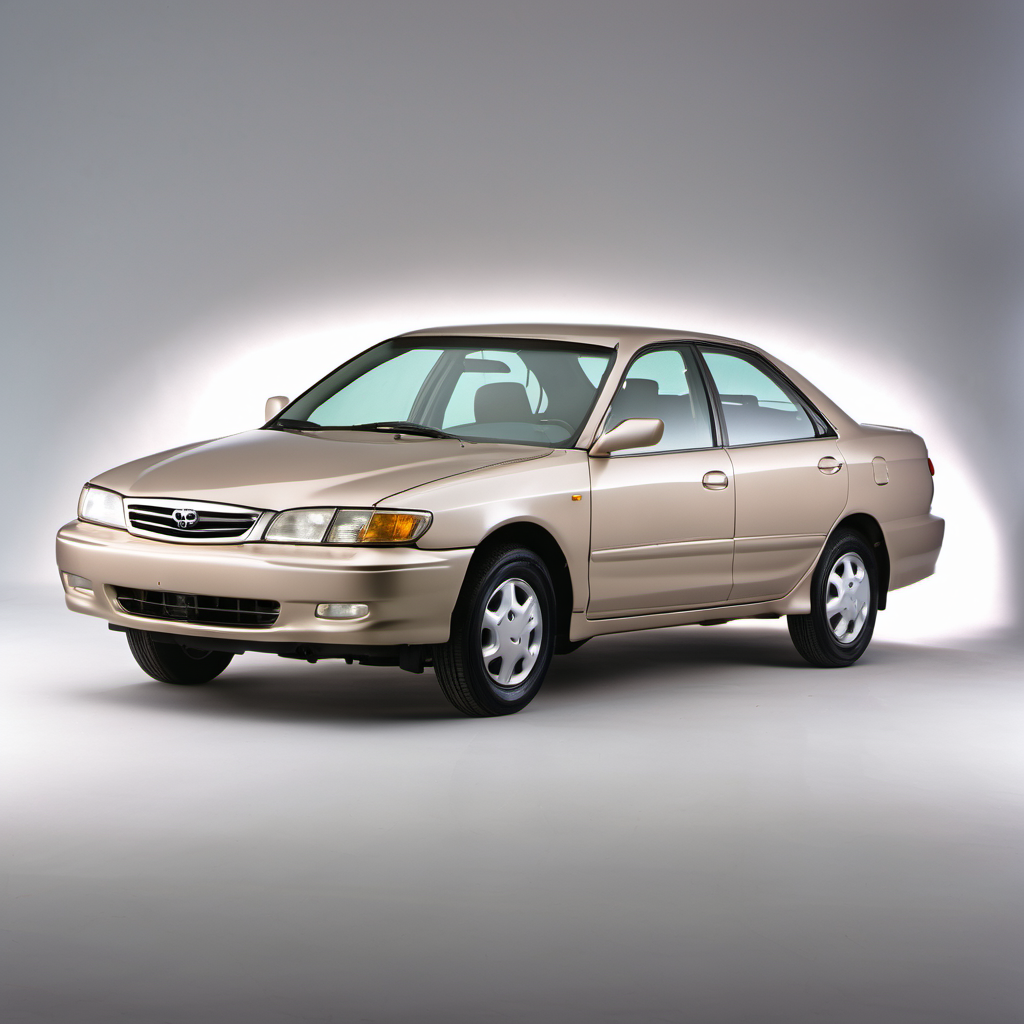
Direct competitor with a superior reliability reputation. The 2.2L four-cylinder Camry of this era is known for reaching 200k+ miles with basic care. Easier to service anywhere.
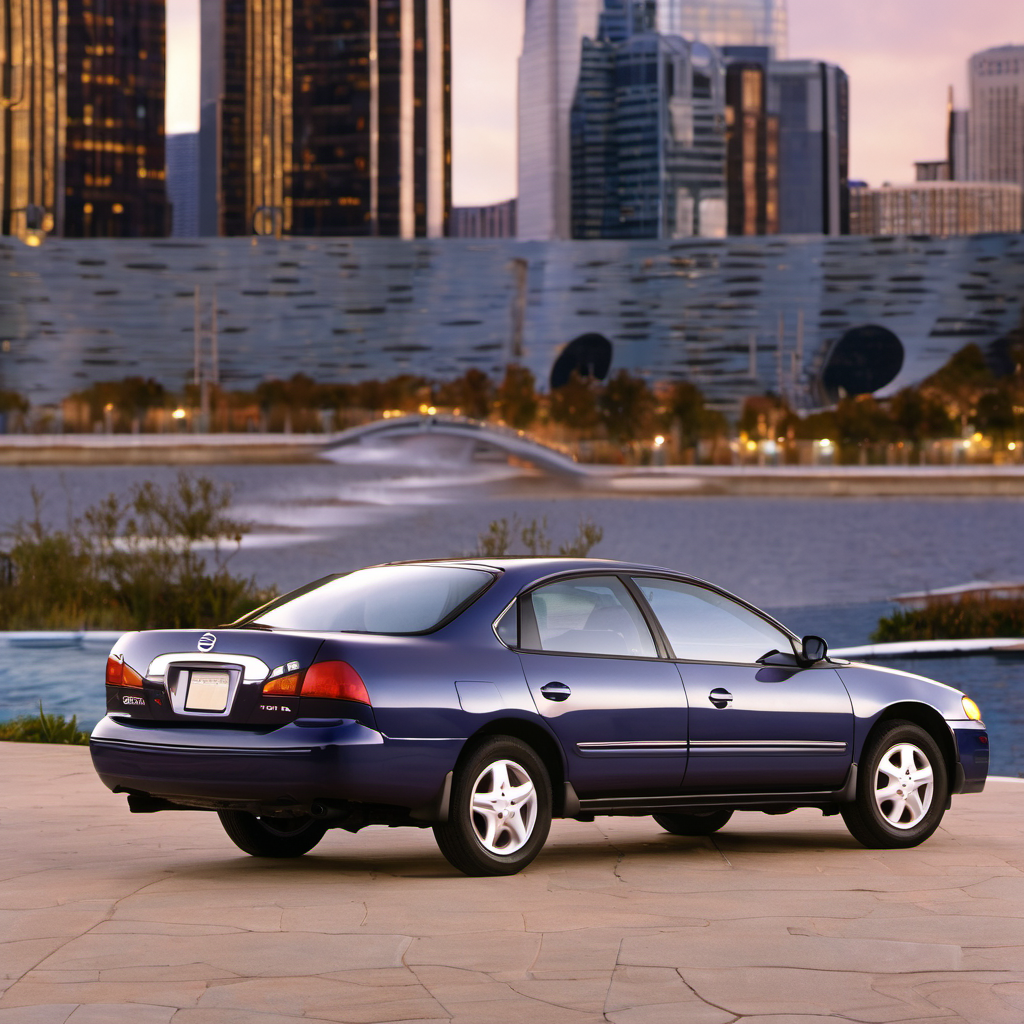
Similar price point and mission, FWD midsize sedan. The KA24DE engine is simpler and well-documented. Comparable age-related risks but better shop familiarity in most markets.
Same era, same segment. The 2.0L four-cylinder 626 shares a budget-friendly used price and similar ownership profile. Automatic transmission reliability is also a known concern on the 626, so both warrant a pre-purchase inspection.