Intake Manifold Gasket Failure
high- Typically appears
- 60–120k mi
- Estimated repair
- $400 – $750
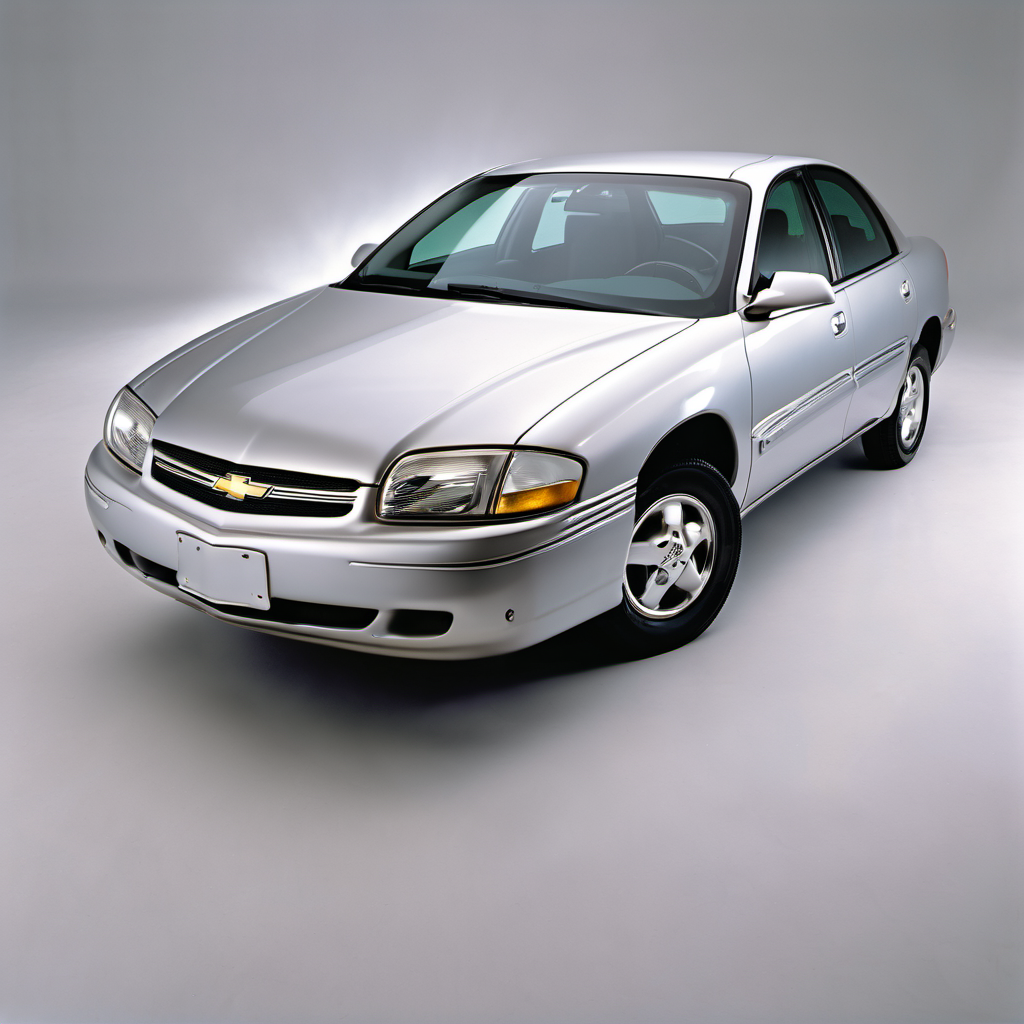
1998 Chevrolet
Sedan
The 1998 Chevrolet Malibu marked the nameplate's return after a decade-long absence. Built on GM's N-body platform and sharing its bones with the Pontiac Grand Am and Oldsmobile Alero, it was aimed squarely at the family sedan segment as a value-focused alternative to the Honda Accord and Toyota Camry. The base engine was a 2.4L Twin Cam four-cylinder, with an optional 3.1L V6 for buyers wanting more power. For its era it was a competent, comfortable commuter with a roomy interior and decent fuel economy. However, it arrived with a number of reliability weak spots baked in — particularly around the intake manifold gaskets, cooling system, and electrical gremlins — that became well-documented over its production run. At this point in its life (25+ years old), the 1998 Malibu is a high-mileage economy car. Parts availability is reasonable but the pool of well-maintained examples is thin. Budget accordingly for deferred maintenance and age-related wear.
The 1998 Chevrolet Malibu marked the nameplate's return after a decade-long absence. Built on GM's N-body platform and sharing its bones with the Pontiac Grand Am and Oldsmobile Alero, it was aimed squarely at the family sedan segment as a value-focused alternative to the Honda Accord and Toyota Camry. The base engine was a 2.4L Twin Cam four-cylinder, with an optional 3.1L V6 for buyers wanting more power. For its era it was a competent, comfortable commuter with a roomy interior and decent fuel economy. However, it arrived with a number of reliability weak spots baked in — particularly around the intake manifold gaskets, cooling system, and electrical gremlins — that became well-documented over its production run. At this point in its life (25+ years old), the 1998 Malibu is a high-mileage economy car. Parts availability is reasonable but the pool of well-maintained examples is thin. Budget accordingly for deferred maintenance and age-related wear.
The 2.4L is susceptible to overheating if the cooling system is neglected. On a 25-year-old car, hoses, the thermostat, and the water pump should all be inspected proactively. Coolant breaks down and becomes acidic, accelerating gasket wear.
This is the most common and costly failure point on this generation. Catching a weeping gasket early prevents a minor repair from becoming a head gasket replacement.
Belt and tensioner are almost certainly original or near end-of-life on most surviving examples. A snapped belt disables the water pump and can cause rapid overheating.
The 2.4L Twin Cam runs best with plugs in spec. Worn plugs cause misfires and put extra load on ignition coils. Wires on a 25-year-old car are often brittle and cracked.
Brake fluid absorbs moisture over time, lowering its boiling point and promoting internal corrosion in calipers and wheel cylinders — a real concern on a salt-belt vehicle of this age.
Wisconsin road salt is the primary enemy of this car at this age. Inspect brake lines, fuel lines, subframe mounts, and exhaust hangers every fall. Rusty brake lines are a safety emergency.
Cold-cranking demand spikes in sub-zero temperatures. A battery that starts the car fine in September may leave you stranded in January. Batteries over 4 years old should be tested and likely replaced.
FWD vehicles wear front tires faster. Regular rotation extends tire life and maintains safe handling. Check pressures monthly — cold Wisconsin winters drop pressure quickly.
Always defer to the manufacturer's service manual for warranty-mandated intervals.
The 1998 Malibu is cheap to buy and cheap to insure, but maintenance costs on a high-mileage, 25-year-old example can be unpredictable. Budget $600–$1,000/year for routine maintenance in a healthy example, but set aside an additional $500–$1,500 contingency for age-related repairs (cooling system, suspension, rust remediation). Total cost of ownership is still low compared to newer vehicles — provided you catch problems early.
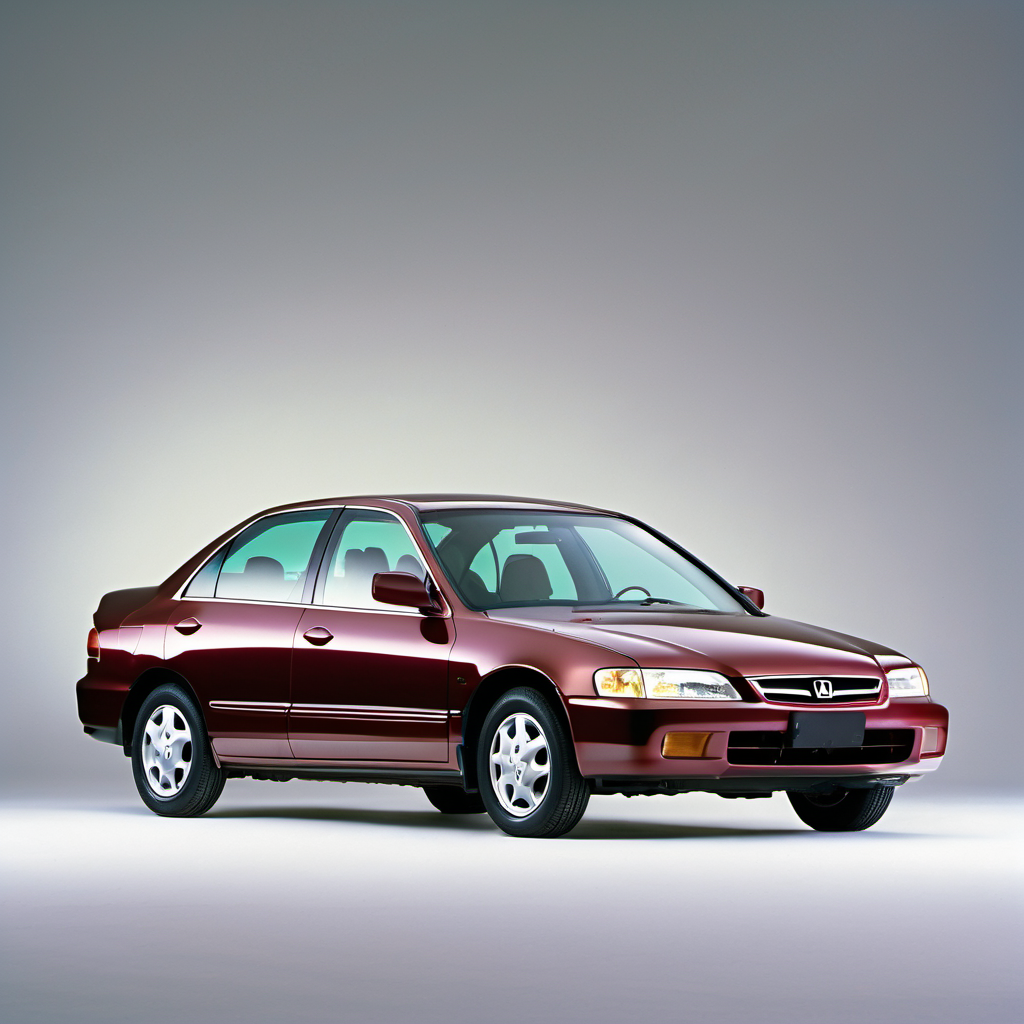
Same era, same mission — family front-wheel-drive sedan. The Accord from this generation is substantially more reliable and holds up better long-term, though good examples cost more on the used market.
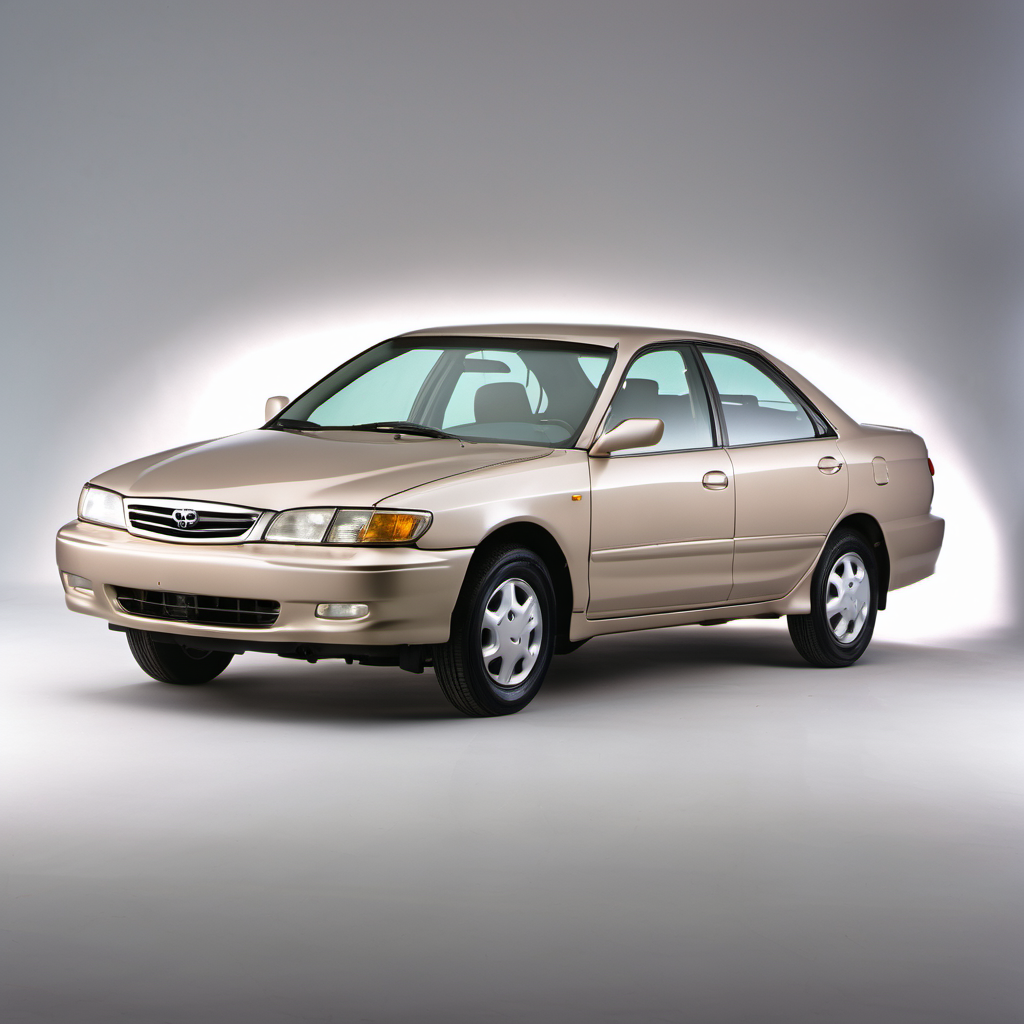
Direct segment competitor with a significantly stronger reliability track record. If you're buying a late-90s mid-size sedan for daily use, the Camry is the benchmark to compare against.
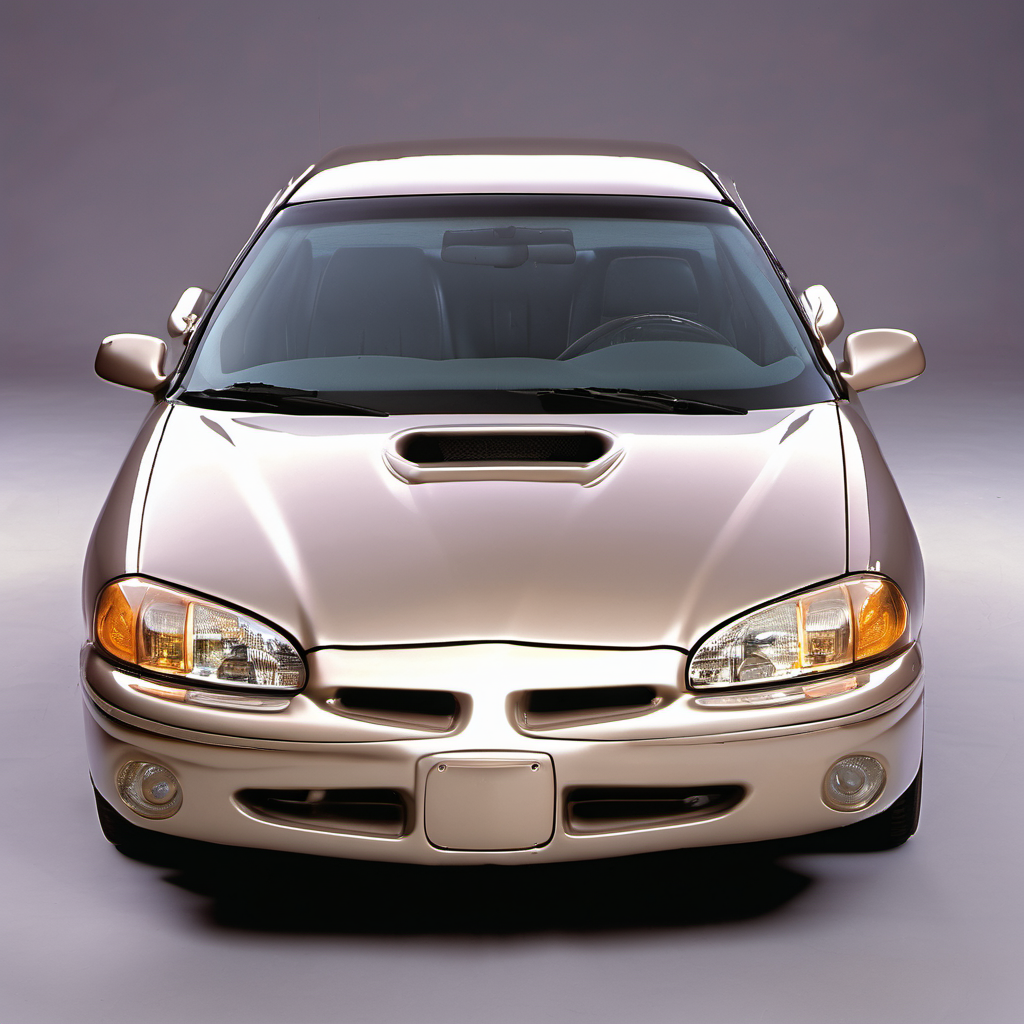
Built on the same GM N-body platform with many shared components. Parts interchangeability is high, but reliability profile is nearly identical — not a meaningful upgrade.
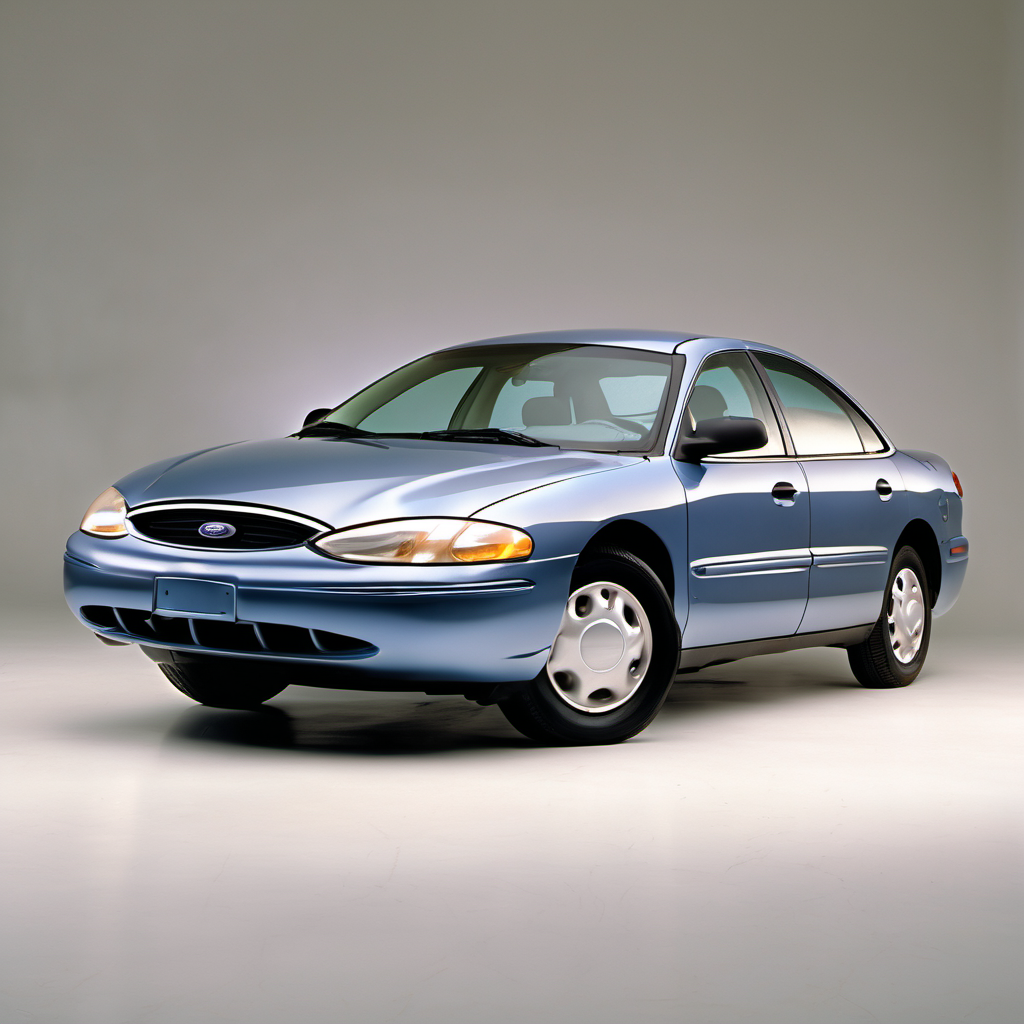
Another high-volume domestic competitor from the same era. Similar pricing and reliability tier, with its own known issues (head gaskets on the 3.0L Vulcan). A reasonable side-by-side alternative.